TL;DR

Get cleaning gear delivered free with Prime
- Fast, free delivery on millions of items
- Prime Video, Amazon Music and more included
- Member-only deals all year
Never use a steam mop on unsealed floors. The high heat and moisture can penetrate porous surfaces, leading to warping, discoloration, and long-term damage. Always check if your floor is sealed and follow manufacturer advice.
Never use a steam mop on unsealed floors—moisture seeps in and causes damage.
Always identify if your floor is sealed before choosing a cleaning method.
Opt for dry or lightly damp cleaning tools for unsealed surfaces to avoid long-term harm.
Check manufacturer instructions—they often specify whether steam cleaning is safe.
Regular maintenance with gentle cleaning extends the life of unsealed floors.
Why You Should Never Steam Mop an Unsealed Floor
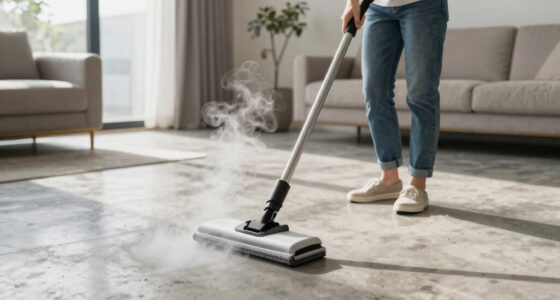
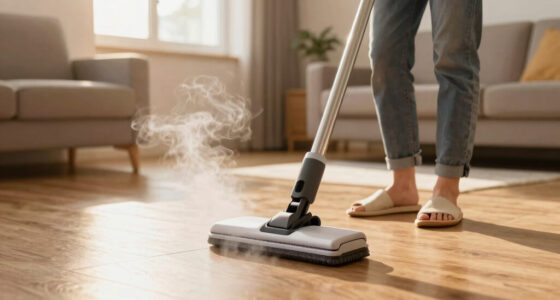
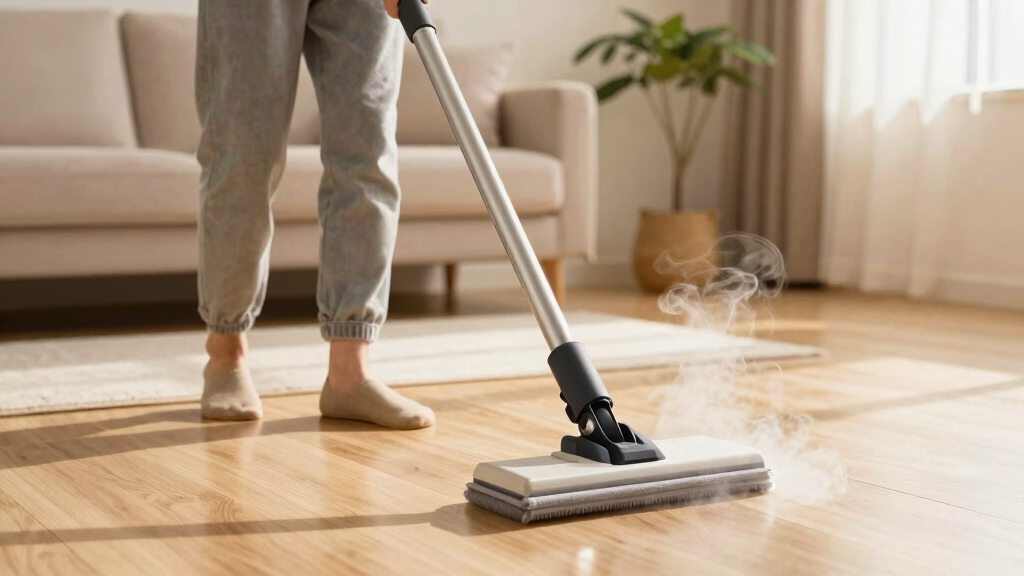
Steam looks clean, fast, and harmless. On an unsealed floor, it behaves more like pressure-fed moisture: heat opens pores, vapor moves below the surface, and the damage can show up later as warping, staining, cracking, or a voided warranty.
Use steam on porous, unsealed wood, concrete, stone, cork, or tile unless the manufacturer explicitly approves it.
High-temperature vapor can seep into tiny pores and microcracks instead of staying safely on the surface.
Water beads up: likely sealed. Water absorbs: treat the floor as unsealed and avoid steam.
Use gentle tools, check sealing, and follow manufacturer guidance before cleaning.
Hardwood, unsealed concrete, natural stone, cork, and porous tile are vulnerable.
Steam can move through surface openings and remain trapped below.
Damage may be irreversible, costly, and hidden until the floor changes shape or color.
The invisible shield your floor depends on.
Sealed floors have a protective coating, such as polyurethane or stone sealant, that helps block liquids and dirt. Unsealed floors lack that shield, so steam can penetrate instead of evaporating cleanly from the surface.
Liquids bead up.
A protective layer keeps routine moisture near the top, reducing water spots, swelling, and grime absorption.
Moisture sinks in.
Porous wood, concrete, and stone can absorb vapor through pores, grain, cracks, and unfinished edges.
Heat accelerates risk.
Steam adds both water and temperature, which can weaken finishes, swell fibers, and stain mineral surfaces.
How one quick pass becomes long-term damage.
A steam mop does not simply wet the top of the floor. On unsealed material, vapor can enter, condense, and remain where a towel or mop cannot reach.
Hot vapor lands
Steam pushes heat and moisture against a porous surface.
Pores absorb
Moisture moves into grain, cracks, grout gaps, or stone pores.
Material swells
Wood fibers expand, minerals discolor, and surface texture changes.
Damage appears
Warping, stains, rough patches, buckling, or warranty problems follow.
Real risks by floor material.
Different unsealed materials fail in different ways, but the shared problem is the same: moisture moves into places it should never go.
| Floor Type | Steam Suitability | Potential Damage | Visible Sign | Safer Choice |
|---|---|---|---|---|
| Unsealed hardwood | ✗ Avoid | Warping, discoloration, cracking, buckling | Raised boards or darkened grain | ✓ Dry microfiber mop |
| Unsealed concrete | ✗ Avoid | Staining, surface deterioration, dark patches | Moisture marks near cracks | ✓ Sweep and spot clean |
| Natural stone | ~ Only if approved | Etching, dullness, erosion, mineral staining | Rough texture or lost shine | ✓ Stone-safe cleaner |
| Cork or porous tile | ✗ Avoid | Swelling, edge lifting, trapped moisture | Soft spots or lifted seams | ✓ Barely damp cloth |
Steam raises the damage profile.
These qualitative risk bars translate the practical guidance: the wetter and hotter the method, the less appropriate it is for unsealed flooring.
Cleaning method risk
Keep moisture low and contact brief when the floor is unsealed.
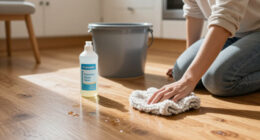
The water-drop test
Place a small water drop in an inconspicuous spot and watch what happens after a few minutes.
If it beads, the floor is likely sealed. If it darkens or absorbs, treat it as unsealed and choose a dry or lightly damp method.
Gentle methods protect the investment.
The safest cleaning plan is boring in the best way: remove grit often, use minimal moisture, and match the cleaner to the exact material.
Dry microfiber mop
Traps dust and grit without pushing water into porous surfaces.
Lightly damp cloth
Targets spills with controlled moisture instead of saturating the floor.
Material-specific cleaner
Use a product made for wood, concrete, cork, tile, or natural stone.
Manufacturer guidance
Follow the floor maker’s cleaning instructions before using any powered tool.
From steam mop to repair bill.
The safest decision is made before cleaning starts: identify the seal, then match the method to the material.
Fast answers before you clean.
When in doubt, assume the surface is sensitive until a water test, product label, or flooring professional confirms otherwise.
Can I steam sealed hardwood?
Only if the manufacturer approves. Some sealants are still sensitive to heat and moisture.
How do I spot an unsealed floor?
Look for water absorption, a porous feel, dull patches, or the absence of a protective glossy finish.
What damage should I watch for?
Warping, discoloration, cracking, rough patches, lifted edges, stains, or persistent damp smells.
Is steam ever safe unsealed?
Generally no. The risk of moisture damage outweighs the convenience of faster cleaning.
How Sealed Floors Protect Your Investment
Sealed floors have a thin, protective coating—like a clear shield—that keeps liquids and dirt from sinking into the surface. Think of it as a raincoat for your floor, blocking water from penetrating and causing damage. Without this layer, moisture can seep in, especially when you use a steam mop, which sprays high-temperature vapor. For example, a sealed hardwood floor resists water spots and warping, while unsealed wood quickly absorbs spills and moisture, risking permanent damage.
As an affiliate, we earn on qualifying purchases.
Why Steam Mops Are Dangerous on Unsealed Floors
Steam mops produce high-temperature vapor that can penetrate porous surfaces like unsealed wood, concrete, or stone. This moisture doesn’t just sit on the surface; it infiltrates the tiny pores and microcracks within the material. Over time, this persistent moisture can cause the fibers or minerals to swell, weakening the structural integrity of the flooring. For instance, unsealed hardwood can absorb water rapidly, leading to discoloration, warping, or even buckling within weeks. The deep penetration means damage isn’t always immediately visible, but it can be long-lasting or irreversible—compromising the floor’s appearance and stability. Flooring experts warn that moisture trapped beneath the surface can lead to mold growth or decay, which are costly and difficult to remediate, making the risks not worth the convenience of steam cleaning on unsealed surfaces.
As an affiliate, we earn on qualifying purchases.
Real Risks You Face When Steam Mopping Unsealed Floors
| Floor Type | Potential Damage | Example |
|---|---|---|
| Unsealed Hardwood | Warping, discoloration, cracking | After steam cleaning, a homeowner noticed their oak floor buckling within a month. |
| Unsealed Concrete | Staining, surface deterioration | Moisture seeped into cracks, causing dark stains to spread and surface erosion over time. |
| Natural Stone | Discoloration, surface erosion | Marble tiles lost their shine and developed rough patches, indicating damage from trapped moisture. |
As an affiliate, we earn on qualifying purchases.
What To Use Instead of Steam on Unsealed Floors
If your floor isn’t sealed, steer clear of steam mops. Instead, opt for gentle cleaning methods that keep moisture to a minimum. For example:
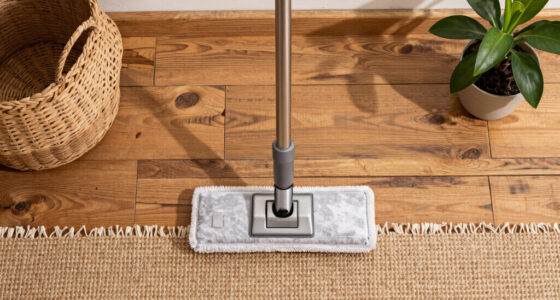
- Dry microfiber mops that trap dust and dirt without adding moisture
- Lightly damp cloths for spot cleaning, which can remove stains or spills without penetrating deeply
- Using specific cleaners designed for your floor type that are formulated to clean effectively with minimal water
natural stone and unsealed floor cleaner
As an affiliate, we earn on qualifying purchases.
As an affiliate, we earn on qualifying purchases.
How to Identify if Your Floor is Sealed or Unsealed
- Drop a small amount of water in an inconspicuous spot.
- Wait a few minutes and check if the water absorbs or beads up.
- If it beads, your floor is likely sealed; if it absorbs, it’s probably unsealed.
Frequently Asked Questions
Can I use a steam mop on sealed hardwood floors?
Yes, if the manufacturer approves. Always check their guidelines first, as some sealants are sensitive to heat and moisture. When in doubt, stick to dry cleaning methods to preserve the finish.How do I tell if my floor is unsealed?
Drop a small amount of water in an inconspicuous corner. If the water beads up, your floor is likely sealed. If it absorbs quickly, it’s probably unsealed and needs gentle cleaning instead of steam.Are there safe alternatives to steam mopping for unsealed floors?
Absolutely. Use microfiber dust mops, damp cloths, or specialized cleaning solutions designed for your specific material. These methods clean effectively without risking moisture damage.What signs indicate my floor has been damaged after steam cleaning?
Look for warping, discoloration, rough patches, or a warped surface. If you notice these, consult a flooring professional to assess the damage and plan repairs.Is steam cleaning ever safe for unsealed floors?
In general, no. The risks outweigh the benefits, and it’s safer to avoid steam on unsealed surfaces. Always verify your floor’s sealing status and follow manufacturer advice.Conclusion
Your floors have a secret weapon—sealing—that keeps them looking new for years. Using a steam mop on unsealed surfaces is like pouring water into a sponge—damage is almost guaranteed. Instead, embrace gentle cleaning methods and protect your investment. Your floors will thank you with lasting beauty and strength, and you’ll avoid costly repairs down the line.Halloween Picks
halloween
As an affiliate, we earn on qualifying purchases.