
TL;DR
Open a free Amazon Business account
Business pricing, bulk buying and tax-exempt orders.
Create a free accountAs an affiliate, we earn on qualifying purchases.
Steam mopping often isn’t safe for marble floors because moisture can seep in, causing stains or damage. If your marble is well-sealed, light, controlled steam cleaning might be okay, but always check manufacturer advice first.
Imagine the rich, glossy shine of polished marble, perfectly pristine—then picture a steam mop gliding over it, releasing clouds of hot vapor. Sounds harmless, right? But beneath that shiny surface lies a porous stone, sensitive to moisture and heat. Knowing whether steam mopping is safe can save your floors from costly damage. In this guide, you’ll learn the real risks, recent advances in cleaning tech, and how to keep marble floors looking their best without risking harm.
If you’ve ever hesitated before steam cleaning your marble, you’re not alone. Many homeowners wonder if it’s safe or if they’re risking stains, etching, or worse. Let’s cut through the hype and get concrete advice that respects your beautiful floors and keeps them intact for years.
Most marble floors are sensitive to excess moisture, especially if unsealed or poorly sealed.
Modern steam cleaners with adjustable settings can reduce risks but don’t eliminate them for marble.
Perform a simple water bead test to check if your marble is sealed before steam cleaning.
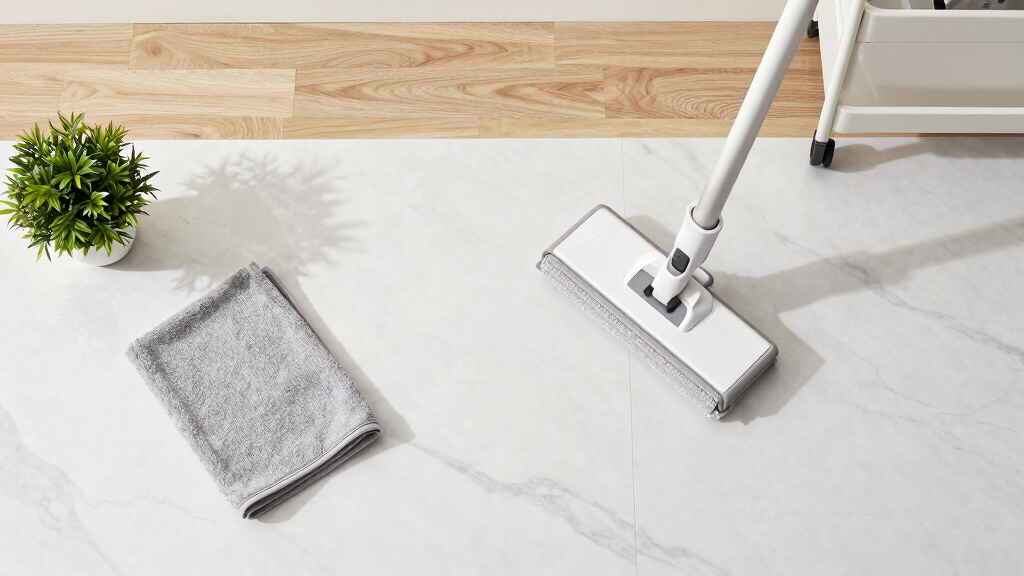
Use gentle, pH-neutral cleaners and microfiber cloths instead of steam mops for safer marble maintenance.
Always follow your marble manufacturer’s care instructions before attempting any cleaning method involving moisture.
Is Steam Mopping Safe for Marble Floors?
Steam mops and marble floors are a risky match.
TL;DR: Steam mopping often is not safe for marble floors because hot moisture can seep into porous stone, causing stains, darkening, etching, or long-term deterioration. Well-sealed marble may tolerate light, controlled steam, but only after checking manufacturer guidance and testing the seal.
“The question is not whether steam cleans. It is whether your marble can survive the moisture.”
Key Insight212°F
Typical water vapor temperature from steam mops.
Seal
Unsealed or worn sealant leaves marble vulnerable.
Standard steam mops are generally not recommended for marble.
Possible only on well-sealed marble with low, controlled output.
Water bead test reveals whether the seal resists moisture.
Microfiber plus gentle cleaner is the safer routine.
Porous stone turns steam into a hidden moisture problem.
Marble looks dense and glossy, but natural stone can absorb liquids through tiny pores. Heat and vapor may push moisture past a weak seal, leaving behind dark patches, stains, etching, or deterioration that appears weeks or months later.
Marble can act like a sponge.
Unsealed or poorly sealed surfaces can absorb vapor, especially along grout lines, worn traffic paths, and small cracks.
Steam adds thermal stress.
Hot vapor can loosen grime, but it can also stress coatings, push water inward, and make old sealant fail faster.
Gentle cleaning still wins.
Marble is sensitive to harsh and acidic cleaners, so pH-neutral formulas and microfiber remain the lowest-risk choice.
Steam safety depends on what the floor can absorb.
Tile tolerates steam because it is comparatively non-porous. Marble is different: the surface may look polished, but the real risk lives in the sealant condition and the stone beneath.
| Floor Type | Steam Mop Suitability | Primary Risk | Safety Signal |
|---|---|---|---|
| Tile & Ceramic | ✓ Generally safe | Minimal when used properly | Dense surface resists moisture |
| Hardwood | ✗ Usually not recommended | Warping, swelling, finish damage | Manufacturer approval required |
| Vinyl / LVP | ~ Depends on product | Warping or discoloration | Check brand care instructions |
| Marble | ~ Risky unless sealed | Staining, etching, deterioration | Water beads for 10-15 minutes |
Before steam touches marble, run the seal test.
The safest path is practical: test first, read the manufacturer guidance, and use the least moisture possible. If the stone fails the bead test, steam cleaning should stay off the floor.
Choose a hidden spot
Pick a corner or area under furniture where a mark would not show.
Add water drops
Place a few small drops directly on the marble surface.
Wait 10-15 minutes
Watch whether the water beads, spreads, darkens, or soaks in.
Read the result
Beading suggests better protection; absorption means resealing is needed.
Clean conservatively
Use microfiber and pH-neutral cleaner unless guidance clearly allows steam.
Manufacturer advice outranks the mop manual.
Steam cleaner features may reduce moisture exposure, but marble type, finish, sealant, age, and installation details decide the real risk.
Use steam only when all green lights align.
- Well-sealed marble: water beads and does not darken the surface.
- Low steam setting: controlled vapor, short passes, no lingering.
- Fast drying: microfiber follow-up removes residual moisture.
- Official approval: flooring or stone-care guidance allows it.
Modern steam cleaners help, but they do not erase marble’s vulnerability.
Adjustable steam levels, targeted attachments, and controlled release reduce exposure. The risk remains highest when the surface is unsealed, the sealant is old, or moisture sits too long.
Relative moisture risk by surface
Steam decision spectrum
The safest marble care sits on the low-moisture end: sweep grit, use a damp microfiber cloth, choose pH-neutral cleaner, and dry the surface promptly.
How to keep polished marble glossy without gambling on vapor.
For routine maintenance, treat marble as a delicate material. The goal is to remove grit and spills quickly while limiting standing water, heat, harsh chemistry, and abrasive pads.
Clean with microfiber.
Use a soft, damp cloth or mop head rather than steam pressure or abrasive scrubbers.
Choose pH-neutral cleaner.
Avoid acidic, harsh, or vinegar-based products that can etch marble’s surface.
Reseal when needed.
If water soaks in during the bead test, resealing should happen before wet cleaning.
Dry immediately.
After any damp cleaning, remove leftover moisture so it cannot settle into pores or seams.
Traceability Chain: from shiny surface to smart cleaning choice
What Makes Marble Floors Sensitive to Water and Steam?
Marble is a natural stone that’s porous, meaning it absorbs liquids easily. When you use a steam mop, the high-temperature vapor—often around 212°F (100°C)—can penetrate tiny pores in the marble. If your marble isn’t sealed properly, that moisture can seep in, leading to staining, discoloration, or even structural damage over time. Imagine spilling red wine on marble—similar risks exist when water vapor penetrates unprotected surfaces.
For example, a homeowner in Florida noticed their marble floor darkened after a few months of regular steam cleaning. Turns out, the sealant was worn out, letting moisture seep in and cause stains. This highlights how porousness and sealing are key to understanding steam mop safety.
Understanding this porosity is critical because it directly influences how your marble responds to cleaning. Unsealed or poorly sealed surfaces act like sponges, trapping moisture that can cause long-term issues such as efflorescence, staining, or even weakening of the stone. The tradeoff here is that while steam cleaning can sanitize and remove surface grime, it risks pushing moisture into the stone’s core if your seal isn’t intact. This is why assessing your marble’s sealing condition and considering the porosity level is vital before opting for steam cleaning.

Zep Neutral PH Industrial Floor Cleaner – 1 Gallon – ZUNEUT128 – Concentrated Pro Trusted All-Purpose Floor Cleaner
- Preserves Floor Polish: Maintains protective coating
- Restores Shine: Cleans and brightens without rinsing
- Versatile Floor Cleaner: Suitable for marble, granite, vinyl, stone
As an affiliate, we earn on qualifying purchases.
As an affiliate, we earn on qualifying purchases.
How Does Steam Cleaning Work on Different Floors?
| Floor Type | Steam Mop Suitability | Risks |
|---|---|---|
| Tile & Ceramic | Generally safe, especially with adjustable steam | Minimal, if properly used |
| Hardwood | Usually not recommended | Potential warping or damage |
| Vinyl/LVP | Depends on manufacturer guidance | Possible warping or discoloration |
| Marble | Often risky, unless sealed and low steam | High, especially on unsealed surfaces |
Choosing the right cleaning method depends heavily on understanding how steam interacts with different materials. For instance, tile and ceramic are non-porous and can withstand steam better because their dense surfaces don’t readily absorb moisture. Hardwood and vinyl, on the other hand, are sensitive to water and heat, risking warping or discoloration. Marble’s porous nature makes it particularly vulnerable; even a small amount of moisture can seep in and cause staining or deterioration over time. Therefore, the risks aren’t just about immediate damage but long-term degradation that might not be visible right away. This means that even if a steam mop seems effective, it could be silently compromising your marble’s integrity, leading to costly repairs or replacements later. Recognizing these differences helps you weigh the benefits against the potential harm for each floor type.

E-Cloth Granite & Stone Cleaning Cloth Pack, Washable Towels
- Cleaning Kit for Granite & Stone: Removes grease and grime from surfaces
- Cost-Effective & Eco-Friendly: Reusable cloths for streak-free cleaning
- Microfiber Technology: Grabs dust and debris effectively
As an affiliate, we earn on qualifying purchases.
As an affiliate, we earn on qualifying purchases.
Recent Tech Developments Make Steam Cleaning Safer—But Is It Safe for Marble?
Modern steam cleaners now feature adjustable steam levels, targeted attachments, and controlled release, offering more precision. For instance, some units allow you to set steam at lower temperatures or only produce a small amount of vapor, reducing moisture exposure. This technological evolution aims to balance sanitation with safety, giving users more control over the amount of moisture applied during cleaning.
Research from steam cleaning experts shows that, while these innovations improve safety, they don’t eliminate risks for porous surfaces like marble. A recent study indicates that even with low steam, unsealed or poorly sealed marble can absorb enough moisture to cause damage over time. The key implication here is that technology alone isn’t enough; understanding your marble’s sealing status and applying appropriate settings are crucial. Additionally, some brands now offer marble-specific accessories and waterless cleaning options, which further reduce risk. These advancements are promising, but they require responsible use and informed decision-making. The tradeoff is that even the most advanced steam cleaners can’t fully negate the inherent vulnerabilities of unsealed or inadequately sealed marble surfaces.

Miracle Sealants Travertine Fill Kit for Natural Stone
- Long-lasting repairs: Quickly repairs holes and cracks
- Durable matte finish: Enhances longevity of surfaces
- Easy to use: Mix with water and apply
As an affiliate, we earn on qualifying purchases.
As an affiliate, we earn on qualifying purchases.
Key Factors That Determine If You Can Steam Clean Your Marble Floor
Knowing whether your marble can handle steam cleaning depends on a combination of factors that influence how much moisture your floor can tolerate without damage. First, the sealing status is paramount—proper sealing creates a barrier that prevents water from penetrating deeply, but if the sealant is compromised or worn out, moisture can still seep in. Second, the quality of the sealant matters; high-quality sealants are more resistant to wear and tear, providing longer-lasting protection. Third, the steam settings you choose—low, controlled steam—are less likely to push moisture into the stone compared to high-pressure vapor. Lastly, always follow the manufacturer’s advice, as different marbles and sealants have specific care requirements. The tradeoff here is that even a well-sealed marble might not withstand aggressive steam if the settings are too high or if the sealant is old and degraded. Regular assessment of your sealing condition and cautious use of steam are essential to prevent long-term damage.
As an affiliate, we earn on qualifying purchases.
How to Test Your Marble Floor Before Using Steam
Want to be sure? Here’s a quick test that provides insight into your marble’s sealing condition and its ability to resist moisture:
- Drop a few small drops of water on a hidden corner of your floor—preferably out of sight to avoid visible damage.
- Wait for 10-15 minutes to observe how the water interacts with the surface.
- If the water beads up and stays on top, your seal is likely intact, and the surface can resist small amounts of moisture.
- If the water soaks in quickly, darkens, or leaves a stain, the sealant is compromised or absent, increasing the risk of damage from steam cleaning.
This test is simple but critical because it reveals your floor’s current ability to resist moisture. If your marble is unsealed or the sealant has deteriorated, attempting steam cleaning could accelerate damage, leading to stains, etching, or structural weakening. Resealing your marble before cleaning is often advisable if the test indicates poor resistance. Regular testing like this helps you make informed decisions, balancing cleaning efficacy with safety and preserving your marble’s beauty over the long term.
Safer Ways to Keep Your Marble Floors Clean and Shiny
If steam cleaning isn’t recommended, what’s the safer route? Think simple. Use a damp microfiber cloth with a pH-neutral cleaner, or a specially formulated marble cleaner. These options clean effectively without risking moisture damage. The key advantage is control—by manually wiping, you can avoid excessive moisture and ensure your marble remains sealed and protected.
For example, a homeowner in Arizona swears by wiping down their marble with a microfiber mop dampened with water and a few drops of mild dish soap. They emphasize that this method, combined with regular sweeping and periodic resealing, keeps their floors gleaming without any risk of etching or staining. The tradeoff here is that manual cleaning requires more effort but offers greater control, reducing the chance of long-term damage.
Remember: routine maintenance—like gentle cleaning, avoiding harsh chemicals, and resealing every 1-2 years—helps sustain your marble’s natural beauty and structural integrity. These methods prioritize safety and longevity over quick fixes, ensuring your floors remain stunning for years to come.
Frequently Asked Questions
Is it safe to use a steam mop on marble floors?
Generally, no—unless your marble is well-sealed and you use a steam mop with adjustable, low steam settings. Always check your manufacturer’s guidance first.Can steam cleaning damage marble?
Yes, especially if the marble isn’t sealed properly or if high-temperature steam is used. Moisture can penetrate the pores, causing stains, etching, or deterioration over time.What are safer alternatives to steam mopping for marble floors?
Using a damp microfiber cloth with a pH-neutral cleaner or a specially formulated marble cleaner is safer. Regular sweeping and sealing also help maintain shine without risk.How do I know if my marble is sealed?
Perform a water test: place a few drops of water on the surface. If it beads up, the seal is good. If it soaks in, you may need to reseal your marble before cleaning.How often should I clean marble floors?
Regular sweeping and damp mopping with gentle cleaners are best. Avoid excessive moisture, and reseal your marble every 1-2 years for extra protection.Conclusion
Steam mopping is generally too risky for marble floors—moisture can seep in and cause lasting harm. Instead, stick to gentle cleaning routines that respect your marble’s porosity and sealing status. Your floors will stay gleaming and damage-free for years to come.
Remember, the best way to preserve your marble’s natural beauty is to know its sealing condition and choose cleaning methods carefully. A simple test and some careful cleaning can make all the difference—your floors will thank you for it.
Grilling season Picks
grills
As an affiliate, we earn on qualifying purchases.