TL;DR

Get cleaning gear delivered free with Prime
- Fast, free delivery on millions of items
- Prime Video, Amazon Music and more included
- Member-only deals all year
Steam mops are generally not recommended for painted wood floors because the heat and moisture can peel or damage the paint. Safer alternatives include damp mopping and gentle cleaners. Always test first and follow manufacturer guidance.
Most painted wood floors are sensitive to the heat and moisture from steam mops, making damage likely.
Peeling paint, bubbling, and warping are signs that your cleaning method is too aggressive.
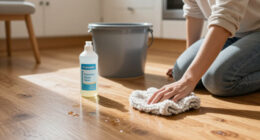
Gentle, damp mopping with a microfiber cloth and pH-neutral cleaner is safest for painted surfaces.
Always test cleaning methods on a small, hidden area before full use.
Regular inspection helps catch damage early and prolongs the life of your painted floors.
Can You Steam Mop Painted Wood Floors?
TL;DR: Steam mops are generally not recommended for painted wood floors. Heat can soften paint, moisture can slip into seams and pores, and the result can be peeling, bubbling, or warped wood. A lightly damp microfiber mop with a gentle pH-neutral cleaner is the safer route.
Probably not.
Unless the paint and sealant are specifically rated for heat and moisture, steam cleaning carries more risk than reward.
Why Steam Is Usually a Bad Idea
Painted wood is a layered surface: paint, primer or finish, and wood underneath. Steam challenges all three layers at once, especially when the coating is older, thin, cracked, or not sealed for moisture exposure.
Paint binders soften
High temperature can weaken the bond between paint and wood, making lifting, blistering, or chipping more likely.
Water finds small gaps
Steam can seep into cracks, seams, and worn edges, then swell the wood beneath the painted surface.
Damage can build slowly
The first pass may look fine, but repeated heat and moisture can gradually loosen paint and distort boards.
Risk Profile by Cleaning Method
Lower is saferWhat Actually Goes Wrong
The danger is not just surface shine fading. Heat and water can start a chain reaction that affects appearance, adhesion, and the wood structure below the paint.
Steam hits paint
Hot vapor sits on a surface that may not be sealed for repeated moisture exposure.
Bond weakens
Paint softens, adhesion loosens, and tiny cracks become entry points.
Wood absorbs
Moisture moves under the finish, causing swelling or uneven boards.
Repairs grow
Peeling, bubbling, and warping can lead to sanding, repainting, or refinishing.
“Clean enough” is better than “too clean” when the cleaning method risks the finish.
For painted wood, preservation beats aggressive sanitation.Damage Checklist
- +Bubbling or blistering paint after cleaning
- +Edges lifting near seams, corners, or worn traffic paths
- +Boards feeling uneven, swollen, or slightly cupped
- +Dull patches where heat softened the finish
Safer Cleaning Methods Compared
The safest approach uses the least moisture needed to remove dirt. Start dry, add a lightly damp microfiber pass only when needed, and dry the floor immediately.
| Method | Paint Safety | Best Use | Moisture Load | Verdict |
|---|---|---|---|---|
| Steam mop | ✗ Heat can lift paint | Sealed tile or approved hard surfaces | High heat plus vapor | Avoid for painted wood |
| Wet string mop | ~ Too much water | Durable surfaces that tolerate wet cleaning | High liquid exposure | Risky unless wrung nearly dry |
| Damp microfiber mop | ✓ Gentle contact | Routine painted-floor cleaning | Low and controlled | Best everyday option |
| pH-neutral cleaner | ✓ Finish-friendly | Grime, footprints, and light soil | Low when diluted correctly | Use with microfiber |
| Dry dusting | ✓ No moisture | Daily grit, dust, and scratch prevention | None | Safest first step |
Dust
Remove grit with a soft broom or microfiber duster before adding moisture.
Mix
Use warm water with a gentle pH-neutral cleaner made for finished or painted floors.
Dampen
Wring the microfiber mop until it feels barely damp, not wet.
Wipe
Clean in small sections and avoid letting liquid sit on seams or worn spots.
Dry
Follow with a dry cloth so moisture cannot seep under the paint.
Decision Rules Before You Clean
If you are still tempted to try steam, slow down and confirm the finish. A sealed painted floor may tolerate more than an unsealed one, but manufacturer guidance and a hidden patch test matter more than guesswork.
Is steam ever safe?
Only if the paint and sealant are rated for heat and moisture. Even then, use caution and test first.
What if the floor is sealed?
A sealant can slow moisture intrusion, but it does not eliminate heat risk or repeated-cleaning wear.
How do I test?
Use a hidden area, apply the method briefly, then watch for softening, discoloration, bubbling, or lifting.
What should I inspect?
Check traffic lanes, seams, corners, and under rugs for chipping, swelling, dullness, or paint separation.
Traceability Chain
Why Steam Mops Are Usually a Bad Idea for Painted Wood Floors
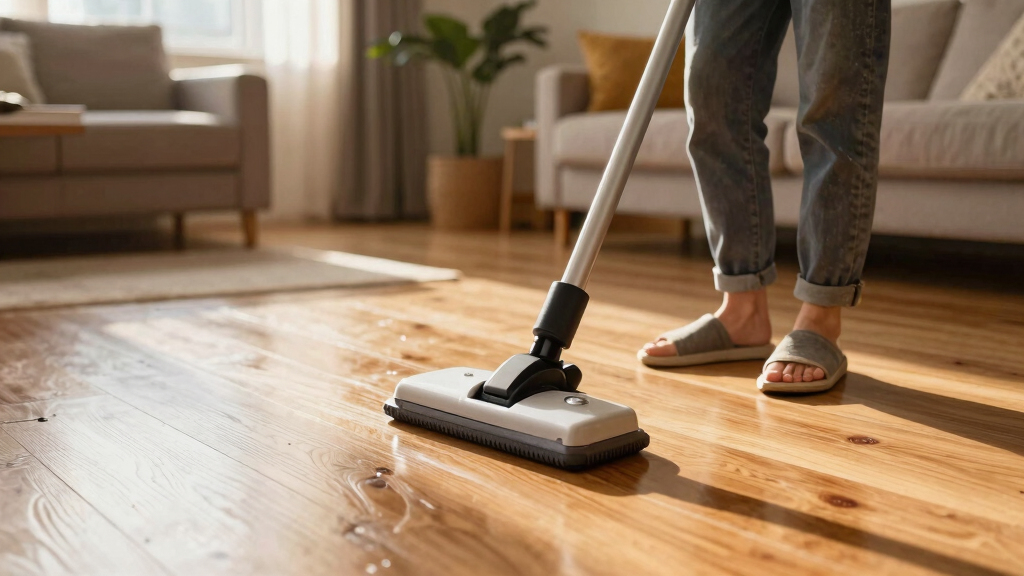
Steam mops use high heat and moisture, which can be a dangerous combo for painted wood floors. The heat causes the paint to soften and lose its adhesion, while the moisture can seep into tiny cracks and pores, weakening the bond between paint and surface. This combination accelerates peeling, bubbling, and even long-term warping of the wood underneath. When paint lifts or bubbles, it exposes the raw surface, making it vulnerable to further damage and reducing the aesthetic appeal of your floors. The implications are significant: frequent use of steam can lead to costly repairs or refinishing. The tradeoff is clear—while steam mops are excellent for sealed tiles and certain hard surfaces, the risks outweigh the benefits for painted wood, especially if the paint isn’t specifically formulated for moisture exposure. Understanding this helps you make informed decisions about cleaning methods that preserve your floors’ integrity and appearance over time.
microfiber floor mop for painted wood floors
As an affiliate, we earn on qualifying purchases.
As an affiliate, we earn on qualifying purchases.
What Happens When You Use a Steam Mop on Painted Wood? Think Peeling, Warping, and More
Applying a steam mop to painted floors can have immediate and long-term consequences that compromise both the appearance and structural stability of your flooring. The heat softens the paint’s binder, weakening its grip on the surface. This can cause the paint to lift, bubble, or chip away, exposing the unpainted wood beneath. Over time, the persistent moisture can penetrate into the wood, causing it to swell and warp—a process that can result in uneven surfaces, cracks, or buckling. These damages not only diminish the visual appeal but also compromise the floor’s durability, potentially leading to expensive repairs or refinishing. For example, a homeowner observed that after several steam cleaning sessions, their painted living room floor developed noticeable bubbling and unevenness, which worsened with continued cleaning. This illustrates how sensitive painted surfaces are to heat and moisture, and why using a steam mop can be a costly mistake. The key takeaway is that damage isn’t always immediately visible—it often develops gradually, making regular inspection and cautious cleaning essential to prevent irreversible harm.
As an affiliate, we earn on qualifying purchases.
How to Keep Painted Wood Floors Clean Without Damaging Them
Protecting your painted floors requires understanding the delicate balance between cleanliness and preservation. Gentle cleaning methods are designed to remove dirt and grime without subjecting the surface to unnecessary stress. For example, dusting or sweeping with a soft broom or microfiber duster prevents scratches, while damp mopping with a microfiber cloth lightly moistened with a pH-neutral cleaner helps lift dirt while minimizing moisture exposure. Immediately drying the floor after cleaning prevents excess water from seeping into the paint and wood, which could cause peeling or swelling. Spot cleaning stubborn stains with a soft cloth and mild cleaner avoids over-wetting the surface, reducing the risk of damage. Regular inspections for signs of bubbling, peeling, or warping allow early intervention, saving you from costly repairs. If you choose to use a steam mop, test it on a small, hidden area first to gauge its impact. Remember, the goal is to maintain the floor’s integrity—sometimes, less is more when it comes to cleaning delicate painted surfaces. When in doubt, consult the paint or sealant manufacturer’s instructions to ensure compatibility and longevity of your floors.
steam mop damage prevention for wood floors
As an affiliate, we earn on qualifying purchases.
As an affiliate, we earn on qualifying purchases.
Frequently Asked Questions
Is it safe to use a steam mop on painted wood floors?
Generally, no. The high heat and moisture from steam can cause paint to peel, bubble, or lift, especially if the paint isn’t sealed or designed for moisture resistance. This can lead to uneven surfaces and damage that’s difficult or costly to repair. The tradeoff is that using a steam mop might seem like an efficient cleaning method, but it risks compromising the paint’s adhesion and the wood’s stability, ultimately reducing the floor’s lifespan and aesthetic appeal.
What’s the best way to clean painted wood floors without damaging them?
Use a microfiber mop dampened with warm water and a pH-neutral cleaner formulated for painted surfaces. This gentle approach minimizes moisture exposure and avoids the heat that can soften or lift paint. Dry the area immediately after cleaning to prevent water from seeping into the paint or wood, which could cause peeling or swelling. Regularly inspecting your floors helps catch early signs of damage, allowing you to address issues before they worsen. This method strikes a balance between cleanliness and preservation, ensuring your painted floors stay beautiful for years to come.
Can I use a steam mop if my painted floor has a sealant?
If the paint and sealant are rated specifically for moisture exposure, some cautious use might be possible. However, even with a sealant, the high temperature of steam can still cause issues over time, especially if the sealant isn’t designed for continuous moisture exposure. Always check the manufacturer’s instructions for both the paint and sealant, and perform a patch test on a hidden area before proceeding. Remember, sealing can slow damage but doesn’t eliminate the risk entirely—err on the side of caution to preserve your floors’ integrity.
How do I know if my painted floor can handle steam cleaning?
Assess the type of paint and finish used on your floors. If you’re unsure, perform a small test in a discreet area—apply steam briefly and observe any changes. Look for signs like bubbling, discoloration, or softening of the paint after testing. If damage occurs, avoid steam cleaning altogether. Consulting with the paint manufacturer or a flooring professional can provide additional guidance tailored to your specific flooring materials. Remember, the goal is to preserve your floors’ appearance and structural integrity, so when in doubt, opt for gentler cleaning methods.
What signs show my painted floor is being damaged?
Signs include bubbling, peeling, or chipping paint, which indicate the paint’s bond to the surface is weakening. Warping or swelling of the wood beneath the paint is another warning sign of moisture intrusion. These symptoms often develop gradually, especially if the cleaning method involves heat or excess moisture. Early detection allows you to switch to gentler cleaning practices and prevent further deterioration. Regularly inspecting your floors with a bright light can help catch these issues early, ensuring you can take corrective action before the damage becomes extensive and costly to repair.
gentle cleaning tools for painted wood floors
As an affiliate, we earn on qualifying purchases.
As an affiliate, we earn on qualifying purchases.
Conclusion
In the end, using a steam mop on painted wood floors is a gamble. The risk of peeling or warping usually outweighs the benefits. The safest bet? Stick to gentle cleaning — your floors will thank you for it. Keep that paint intact, and enjoy your beautifully maintained space for years to come.Halloween Picks
halloween
As an affiliate, we earn on qualifying purchases.