
TL;DR

Get cleaning gear delivered free with Prime
- Fast, free delivery on millions of items
- Prime Video, Amazon Music and more included
- Member-only deals all year
Regular sweeping and mopping with gentle, surface-safe solutions keep bathroom tiles looking fresh. Deep cleaning and sealing grout prevent stains and mold. Steam cleaning offers a chemical-free boost, especially for stubborn grime.
Bathroom tile floors can turn dull or grimy fast—especially with soap scum, mold, and water stains. But a quick swipe with the wrong cleaner can harm delicate surfaces or leave residues. Knowing the right cleaning approach saves time, keeps your tiles looking bright, and prolongs their life.
This guide breaks down the best ways to clean bathroom tile floors, whether you prefer natural solutions or modern tech. You’ll learn how to tackle stubborn stains, prevent mold, and keep your tiles shining without risking damage.
Always test new cleaning solutions on a small, hidden area to prevent damage.
Use steam cleaning for deep, chemical-free sanitizing—great for mold and stubborn grime.
Seal grout regularly—every 1-2 years—to prevent stains and mold growth.
Avoid vinegar on natural stone tiles to prevent etching; use pH-neutral cleaners instead.
Routine maintenance with sweeping and weekly mopping keeps tiles looking fresh and mold-free.
The Best Way to Clean Bathroom Tile Floors
Keep tile bright without etching, residue, or damaged grout. The winning routine combines frequent dry cleaning, weekly gentle mopping, targeted deep cleaning, and grout protection.
Match the cleaner to the tile
The wrong product can discolor grout, weaken sealants, or etch a tile’s finish. Check manufacturer guidance and use the gentlest effective option.
Ceramic
Handles mild detergent and diluted vinegar well when the grout and finish are in sound condition.
Porcelain
Durable and water-resistant. Use a microfiber mop and rinse carefully to avoid a cloudy film.
Natural Stone
Marble and travertine are porous and acid-sensitive. Choose a stone-specific, pH-neutral cleaner.
Deep clean in three simple steps
Work from dry to damp, then finish dry. This sequence prevents loose grit from scratching tile and stops dirty water from settling into porous grout.
Clear the grit
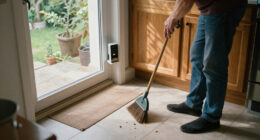
Sweep or vacuum thoroughly to remove hair, dust, and debris before introducing moisture.
Wash gently
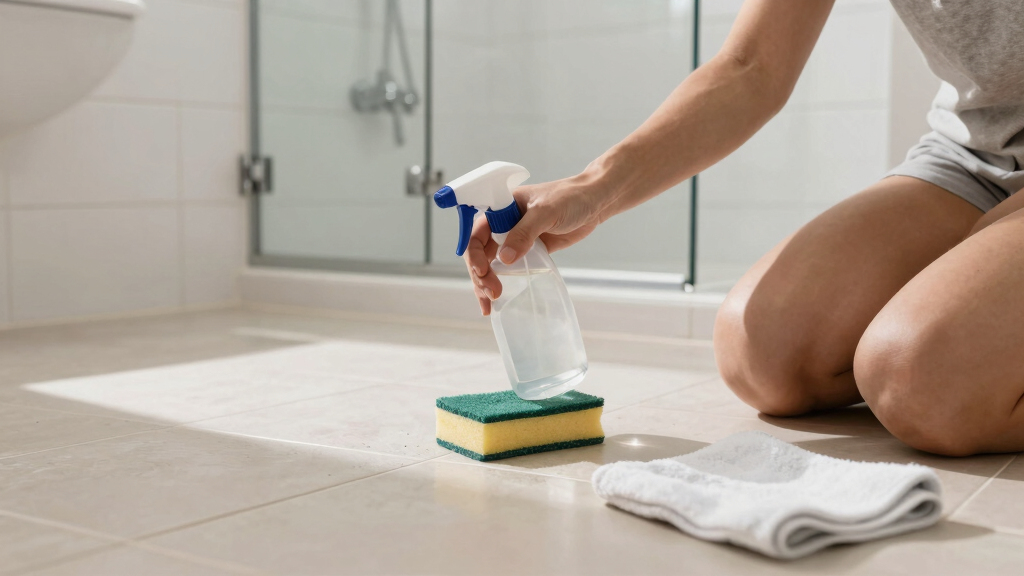
Mop with warm water and a few drops of mild detergent. Wring well and use a soft brush on grout.
Rinse + dry
Rinse away cleaner residue, then towel or squeegee dry for a streak-free, water-spot-resistant finish.
Steam or traditional mop?
Steam excels at stubborn grime and chemical-free sanitizing. A traditional mop remains the practical choice for frequent maintenance and delicate surfaces.
| Feature | Steam cleaning | Traditional mopping |
|---|---|---|
| Surface safety | ✓ SEALED TILEVery safe on sealed ceramic and porcelain. | ~ CLEANER-DEPENDENTSafe when the solution matches the surface. |
| Stubborn grime | ✓ EXCELLENTPenetrates soap scum, mold, and grout crevices. | ~ ROUTINE SOILBest for ordinary dirt and water marks. |
| Chemical use | ✓ CHEMICAL-FREEHot vapor loosens dirt and reduces germs. | ~ OPTIONALUses mild, natural, or specialized solutions. |
| Natural stone | × USE CAUTIONAvoid on unsealed or porous natural stone. | ✓ MORE CONTROLUse a barely damp mop with pH-neutral cleaner. |
| Best role | ✓ DEEP CLEANPeriodic boost for compatible sealed floors. | ✓ WEEKLY CAREAffordable, familiar, and easy to control. |
Small habits beat heavy scrubbing
Consistent maintenance keeps dirt from embedding in grout and reduces the moisture and residue that support mold growth.
Your clean-floor cadence
Relative frequency of each maintenance task.
How the routine protects your floor
Do this. Avoid that.
A bright floor depends as much on restraint as effort. Gentle tools, controlled moisture, and correct chemistry protect the finish over time.
Best practices
- Test every new cleaner in a hidden spot.
- Use microfiber and soft-bristled grout brushes.
- Choose pH-neutral cleaner for delicate stone.
- Rinse and dry to prevent film and water spots.
- Use mats, ventilation, and prompt spill cleanup.
Damage risks
- Vinegar on marble, travertine, or other stone.
- Steam on unsealed or moisture-sensitive tile.
- Abrasive pads that scratch polished finishes.
- Excess water left to penetrate grout lines.
- Mixing bleach, ammonia, or other chemicals.
Pick the Right Cleaners for Your Tile Type—Avoid Costly Damage
Not all tiles are the same, and using the wrong cleaner can cause permanent harm. Ceramic and porcelain tiles are hardy, but natural stone like marble or travertine are softer and more porous. Vinegar, a popular natural cleaner, works wonders on ceramic but can etch natural stone.
Always check your tile manufacturer’s guidance first. Test any new cleaner in a small, hidden spot before applying it widely. For delicate surfaces, stick with pH-neutral solutions or specialized stone cleaners. This step prevents costly repairs and keeps your surfaces looking new.
Choosing the right cleaner isn’t just about avoiding damage; it’s about ensuring your tiles retain their appearance and structural integrity over time. Using inappropriate cleaners can weaken grout, cause discoloration, or etch the tile surface, leading to costly repairs or replacements. The tradeoff is between convenience and safety—natural solutions may be tempting but can be harmful if used improperly on certain surfaces. Prioritizing manufacturer guidance and testing small areas minimizes these risks and preserves the longevity of your flooring.
As an affiliate, we earn on qualifying purchases.
How to Deep Clean Bathroom Tiles in 3 Simple Steps
- Sweep or vacuum thoroughly. Remove loose dirt, hair, and debris. This prevents scratching when mopping.
- Mix a gentle cleaning solution—like warm water with a few drops of a mild detergent, or a vinegar solution (but only on ceramic/porcelain). Dip a mop or microfiber cloth, wring it out well, and mop the floor. Focus on grout lines and stubborn spots.
- Rinse with clean water to remove residue. Dry with a towel or squeegee for a streak-free finish.
Deep cleaning isn’t just about aesthetics; it’s about maintaining the health of your tiles. Dirt and grime can embed into grout and porous surfaces, creating breeding grounds for mold and bacteria. Regularly deep cleaning prevents these issues, but it also involves understanding the tradeoffs of different solutions. For example, vinegar is effective but can damage natural stone, so knowing when and where to use it is crucial. Using a soft brush for grout helps lift embedded dirt without damaging the surface, preserving the integrity of the tile and grout over time. Remember, over-saturating natural stone or grout can lead to water infiltration, risking staining or weakening. Proper rinsing and drying are essential for preventing these issues and ensuring a long-lasting clean.
As an affiliate, we earn on qualifying purchases.
Compare Steam Cleaning vs. Traditional Mopping—Which Is Better?
| Feature | Steam Cleaning | Traditional Mopping |
|---|---|---|
| Surface safety | Very safe on sealed tiles, less effective on unsealed or natural stone | Depends on cleaner used; chemical-safe options prevent damage |
| Effectiveness against grime | Excellent for soap scum, mold, and bacteria; deep penetrating steam lifts dirt | Good for routine dirt and water stains; less effective on stubborn grime |
| Chemical use | Chemical-free, hot steam kills germs | Depends on cleaning solution; natural or mild cleaners are safer |
| Ease of use | Quick setup, no harsh chemicals, quick drying | Affordable, familiar process, can leave residues if not rinsed well |
Steam cleaning provides a deep, chemical-free sanitization that can reach into tiny crevices and grout lines, effectively removing mold and bacteria that traditional mopping might miss. This method is particularly advantageous for households with allergies or sensitivities, as it minimizes chemical exposure. However, the tradeoff is that steam is less suitable for unsealed or natural stone tiles, which can absorb moisture and become damaged. Traditional mopping, while more familiar and versatile, relies heavily on the cleaning solutions used, which may contain chemicals that can harm certain surfaces if not chosen carefully. The key is understanding your tile’s composition and selecting the method that balances safety, effectiveness, and convenience for your specific situation.
As an affiliate, we earn on qualifying purchases.
Frequently Asked Questions
Can I use vinegar on all bathroom tiles?
Vinegar is effective on ceramic and porcelain tiles, but it can damage natural stone like marble or travertine. Always check your tile type and test a small area before using vinegar widely.
How do I remove mold from grout without damaging tiles?
Mix baking soda with water to form a paste, apply it on moldy grout, and scrub gently with a soft brush. For stubborn mold, a diluted hydrogen peroxide solution can help, but avoid harsh chemicals on delicate tiles. Understanding the implications of using certain cleaners helps prevent damaging your grout or tiles. For example, aggressive scrubbing can erode grout lines over time, weakening their structure. Using gentle, targeted solutions preserves the integrity of the grout and tiles while effectively removing mold. Choosing the right tools and solutions means you can maintain a healthy, mold-free environment without compromising your flooring’s longevity.
How often should I reseal my grout?
Most experts recommend resealing grout every 1-2 years to maintain stain resistance. Check your grout’s appearance; if it absorbs water or stains easily, it’s time to reseal. The tradeoff here is between maintenance effort and long-term protection. Regular resealing adds an extra barrier against stains and mold, but overdoing it can lead to buildup or sealing issues. Proper timing based on your usage and grout condition helps balance the need for protection with the effort involved, ensuring your bathroom remains clean and resilient over time.
Are steam cleaners safe on bathroom tiles?
Yes, steam cleaners are safe on sealed tiles, offering a chemical-free way to sanitize. Avoid using steam on unsealed natural stone to prevent damage or staining. The key is understanding your tile’s porosity and sealant status. Properly sealed tiles can withstand steam cleaning, which provides deep sanitation without chemical residues. However, unsealed or porous natural stones can absorb moisture, leading to discoloration or structural damage. Knowing your tile type and sealant condition helps you decide whether steam cleaning is appropriate, maximizing safety and cleaning efficacy.
What’s the best way to keep tiles shiny without harsh chemicals?
Use a mixture of warm water and a few drops of mild dish soap or vinegar (on non-stone tiles). Regular wiping and drying prevent water spots and soap scum, keeping your tiles bright. The tradeoff is that overusing harsh chemicals or neglecting regular maintenance can dull the shine or cause buildup. Gentle, consistent cleaning with non-abrasive solutions preserves the natural luster of your tiles and prevents residues that dull their appearance. Drying after cleaning also helps maintain a glossy finish, ensuring your bathroom looks fresh and inviting over time.
As an affiliate, we earn on qualifying purchases.
Conclusion
Keeping bathroom tile floors spotless isn’t about harsh chemicals or endless scrubbing. It’s about understanding your tiles, choosing the right cleaning method, and sticking to a simple routine. A well-maintained tile floor brightens your bathroom and lasts for years.
Think of your tiles as a canvas—gentle, consistent care is all it takes to keep them shining. So, grab your mop, pick your perfect cleaner, and make cleaning a quick, satisfying part of your routine.
Columbus Day / Indigenous Peoples' Day Picks
long weekend sales
As an affiliate, we earn on qualifying purchases.