TL;DR

Get cleaning gear delivered free — and shop member deals
- Fast, free delivery on millions of items
- Access to Prime Big Deal Days deals on October 6–7
- Prime Video, Amazon Music and more included
A good home daycare floor routine balances dirt removal, targeted disinfecting, and safety. Regular cleaning, quick spill response, and avoiding unnecessary chemicals protect children and simplify maintenance.
Imagine a busy morning in your home daycare: children giggling, toys scattered, and a floor that’s seen everything from spilled juice to muddy shoes. Keeping that floor clean isn’t just about appearance — it’s about safety, hygiene, and creating a healthy environment for little ones to explore. But with so many surfaces, materials, and safety concerns, how do you develop a routine that works?
This guide offers a straightforward approach to cleaning your daycare floors. You’ll learn how to balance regular dirt removal with targeted disinfection, all while keeping safety front and center. Whether you’re a seasoned provider or just starting out, these practical steps help you stay on top of routine care without the stress or overuse of chemicals.
Prevent dirt entry with mats and shoes-off policies to cut down on cleaning time.
Clean visible soil immediately; save disinfecting for contamination or illness outbreaks.
Use child-safe, approved cleaning products and store chemicals securely.
Routine deep cleaning, including under furniture and around edges, keeps floors in top shape.
Prioritize safety: avoid wet floors, keep cords secured, and ventilate during cleaning.
The Best Floor Care Routine for a Home Daycare
A practical system for removing dirt, responding to spills, targeting germs, and protecting children—without turning every day into a chemical-heavy deep clean.
Prevent, clean, then disinfect only when justified.
Entry, activity, meal, and closing checkpoints.
Remove dirt before applying an antimicrobial product.
Keep children away until contact time has passed.
Match the method to the risk
Floors usually need routine cleaning. Sanitizing and disinfecting are specialized actions—not interchangeable labels for the same job.
Cleaning
Uses detergent or soap and water to remove dirt, food, allergens, and many germs. This is the default treatment for daycare floors.
Sanitizing
Reduces germs to a defined level. It is most relevant to food-contact surfaces and selected childcare items, not every floor.
Disinfecting
Kills specified microorganisms when the product, dilution, preparation, and wet-contact time all match the label.
Small actions prevent a large cleanup
Fast spill response and predictable checkpoints keep soil from spreading, lower slip risk, and make closing-time care manageable.
Inspect the floor before children arrive
Check entry mats, play zones, seams, loose tiles, cords, sharp debris, and any damp areas.
Respond to visible soil immediately
Pick up objects, remove debris, clean spills, block wet areas, and check infant floor-play zones more frequently.
Reset food and activity zones
Sweep crumbs, damp-clean sticky marks, and reach beneath tables, high chairs, art stations, and feeding equipment.
Complete the full floor cycle
Remove movable items, vacuum or sweep, damp-mop with the correct cleaner, target contamination, ventilate, and dry.
From hazard to safe reopening
Every response should follow the same visible chain. This reduces missed steps and helps caregivers explain what was done.
Identify
Decide whether the issue is ordinary soil, a spill, or biological contamination.
Isolate
Move children away and block access to the affected floor area.
Remove
Pick up debris and clean visible dirt with a suitable floor product.
Treat
Disinfect only when required, following dilution and contact-time directions.
Reopen
Ventilate, verify the floor is dry, store products securely, and document if required.
Key insight: Floors are not usually the main route for respiratory-virus transmission. Hand hygiene, ventilation, and cleaning frequently touched objects often deserve greater infection-control attention.
What each situation actually needs
Use the lowest-intensity method that safely addresses the event, while always following local childcare rules and product labels.
| Floor event | Clean | Sanitize | Disinfect | Critical control |
|---|---|---|---|---|
| Dust, crumbs, or tracked soil | ✓Required | ✗Usually unnecessary | ✗Usually unnecessary | Vacuum, sweep, or damp-clean promptly. |
| Juice, paint, or sticky food spill | ✓Required | ~Rule-dependent | ✗Usually unnecessary | Block access and reopen only when dry. |
| Blood, vomit, or feces | ✓First | ✗Not sufficient | ✓Required | Use the approved bodily-fluid procedure. |
| Illness outbreak response | ✓First | ~As directed | ~Targeted | Follow public-health and licensing guidance. |
| Routine end-of-day floor care | ✓Default | ✗Not automatic | ✗Not automatic | Use a floor-compatible neutral cleaner. |
Clean floors should not create new hazards
Product choice, secure storage, ventilation, contact time, and dry-floor controls matter as much as the cleaning action itself.
Non-negotiable controls
Effort where it has the most value
The universal first step for dirt, crumbs, spills, allergens, and contamination.
Mats, indoor shoes, and controlled activity zones reduce workload and chemical use.
Weekly attention prevents hidden buildup and reveals moisture or damage early.
Reserve broad antimicrobial treatment for situations required by health guidance or licensing rules.
Bleach combined with ammonia, vinegar, acids, or other cleaners can create dangerous fumes. “Natural,” “green,” scented, or homemade does not automatically mean child-safe or reliably disinfecting.
Daily discipline, weekly detail, monthly prevention
A layered schedule keeps floors durable and makes hidden hazards easier to catch before they become expensive or unsafe.
Reset the room
- Remove visible soil and sticky spills.
- Clean meal and messy-activity zones.
- Vacuum or sweep before damp-mopping.
- Target contamination separately.
- Ventilate and allow full drying.
Reach hidden areas
- Move lightweight furniture.
- Wash reusable rugs and activity mats.
- Vacuum edges, corners, and baseboards.
- Inspect for splinters or loose tiles.
- Replace worn pads and filters.
Protect the floor
- Deep-clean carpets as appropriate.
- Inspect grout, seams, and transitions.
- Wash or replace entrance mats.
- Review storage and product labels.
- Check the schedule against local rules.
The simple decision path
Follow Local Rules First — Know Exactly What’s Allowed
Every home daycare must follow local regulations — no exceptions. These rules specify how often you need to clean, what products are approved, and how to handle bodily fluids. For example, some areas require disinfecting after any bodily-fluid spill, while others focus more on routine dirt removal.
Check your licensing guidelines before choosing your cleaning products or routines. Ignoring local rules can lead to fines or even license suspension. Think of it like a map — knowing the exact terrain keeps you from wandering into risky territory.
child-safe floor cleaning products
As an affiliate, we earn on qualifying purchases.
As an affiliate, we earn on qualifying purchases.
Master the Difference: Cleaning, Sanitizing, and Disinfecting — Why It Matters
Cleaning, sanitizing, and disinfecting are often used interchangeably, but they serve different purposes, especially in a daycare setting. Cleaning is the first step — removing dirt, crumbs, and allergens with soap and water. It’s like sweeping away the surface dust so you can see what’s underneath.
Sanitizing reduces germs to a safe level, mainly on surfaces that touch food or children’s hands. Disinfecting kills specific germs, including viruses and bacteria. It’s crucial after a spill of blood or vomit, or during a disease outbreak.
Understanding these distinctions helps you prioritize effectively. For instance, over-sanitizing or disinfecting all surfaces unnecessarily can lead to chemical buildup or skin irritation, which could harm children’s sensitive skin or lead to chemical resistance over time. Conversely, neglecting disinfection after contamination can allow dangerous pathogens to persist, increasing the risk of illness. The key is to apply each method thoughtfully, based on the risk level, to maintain safety without overexposure to chemicals. This balanced approach ensures that your cleaning routine is both effective and safe, minimizing potential health hazards while maintaining a hygienic environment.
As an affiliate, we earn on qualifying purchases.
Choose Child-Safe Products That Do the Job Without Risks
Picking the right cleaning products is about balancing effectiveness with safety. Look for options approved for use around children, with low odors and minimal irritants. Always follow the label directions to avoid misuse. For example, a diluted vinegar solution might clean minor spills, but it’s not a disinfectant — and it can harm natural stone or wood finishes.
Store all chemicals securely, in original containers, locked away from curious little hands. Never mix cleaners like bleach with vinegar or ammonia, as dangerous fumes can form instantly. Ventilate well during and after cleaning to reduce airborne chemical exposure.
Remember: ‘Natural’ or ‘green’ labels don’t automatically mean safer. Sometimes, homemade mixtures or scented products irritate sensitive children or don’t disinfect reliably.
Choosing the right products involves understanding their properties and limitations. For example, some ‘green’ cleaners may be effective at removing dirt but lack the disinfectant power needed during illness outbreaks. Conversely, harsh chemicals might be effective at killing germs but pose risks if misused or overused. Striking a balance means selecting products that meet safety standards while providing effective cleaning, and always using them with proper ventilation and storage practices to minimize risks. This careful selection helps prevent chemical exposure, allergic reactions, and accidental ingestion, ensuring a safer environment for children while maintaining hygiene standards.
disinfectant spray safe for children
As an affiliate, we earn on qualifying purchases.
As an affiliate, we earn on qualifying purchases.
Stop Dirt at the Door — Prevent Soil from Entering
Prevention is your best friend here. Every time you limit dirt coming inside, you cut down on cleaning time and chemical use. Use sturdy outdoor mats that trap mud and grit before kids walk in. Inside, washable rugs or mats under art tables and snack zones catch crumbs and spills.
Implement a shoes-off policy if possible. Keep outdoor equipment and strollers out of play areas. Clean spills immediately, especially sticky food or muddy paws. This simple step saves you hours of scrubbing later.
For example, a daycare with a dedicated mudroom reported a drastic reduction in dirt tracked inside after adding a shoe rack and clear signage encouraging shoes off at the door.
As an affiliate, we earn on qualifying purchases.
Your Daily Floor Routine — Easy Steps to Keep Things Tidy
Throughout the day, quick responses make a big difference. Pick up toys before cleaning. Remove visible debris, and wipe up spills like juice or paint right away. Block wet areas so children don’t slip or contact cleaning chemicals. If a child has a bathroom accident, treat it as a separate contamination event.
Pay special attention to infant play zones — their hands and mouths contact surfaces more often. Regularly check these areas and clean frequently. Keeping a routine to keep dirt from building up makes deep cleaning less daunting and helps prevent the spread of germs.
End-of-Day Deep Cleaning — The Step-by-Step Routine
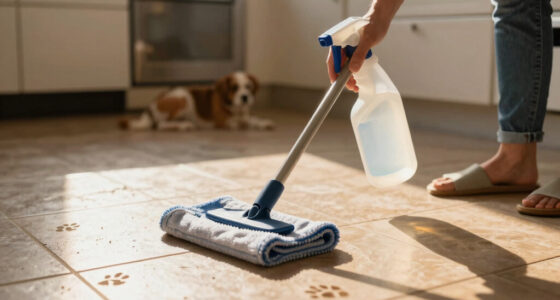
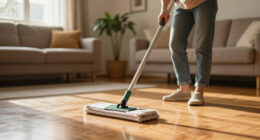
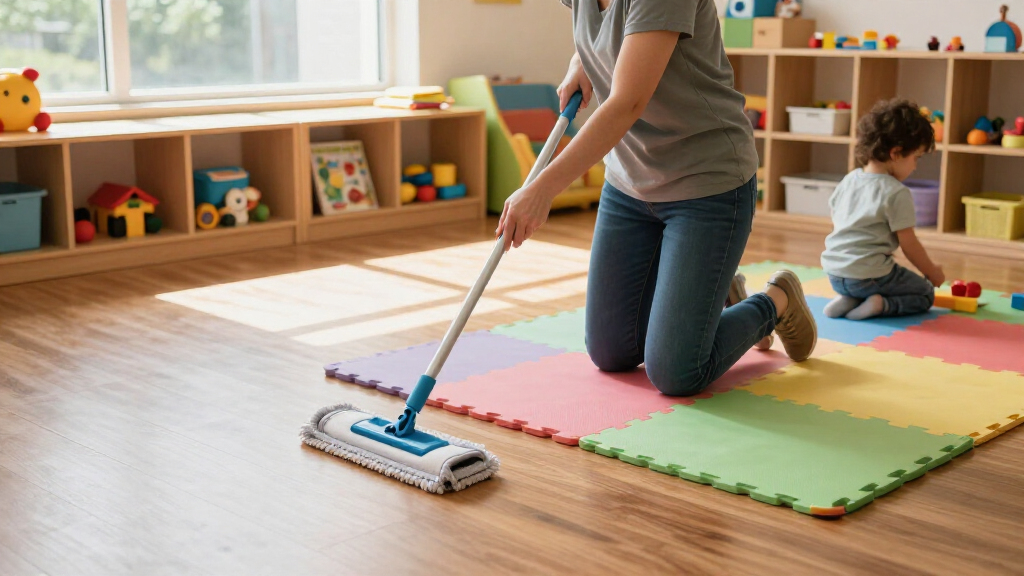
After the children leave, it’s time for a thorough cleaning. Start by removing toys, mats, and furniture that can be moved. Vacuum or sweep from the cleanest to the dirtiest areas, paying special attention to edges and corners. Use a damp mop with a neutral cleaner suited for your flooring type.
Change your mop water often to avoid spreading dirt. Use a separate mop pad or cloth for bathrooms and other high-risk zones. After mopping, disinfect only where needed, like spots with bodily fluids. Ventilate the room and keep children out until the floor dries completely.
This routine prevents buildup and keeps your space safe and fresh for the next day.
Weekly and Monthly Maintenance — Keep Floors in Top Shape
Once a week, do a more detailed clean. Move furniture, wash washable rugs, and vacuum edges thoroughly. Check for damage like loose tiles or splinters. Review your cleaning supplies and replace worn mop pads or filters.
Monthly, consider deep-cleaning carpets and inspecting grout lines. Wash or replace entrance mats, and check safety hazards like exposed seams or damaged tiles. Keeping a schedule prevents surprises and prolongs your flooring’s lifespan.
For example, a provider noticed that regularly cleaning under furniture prevented hidden mold growth and extended the life of their vinyl floors.
Specific Tips for Different Floor Types
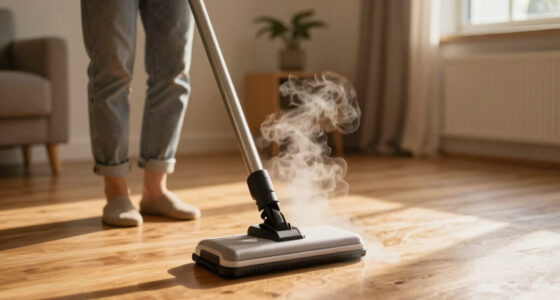
Each flooring material needs its own care. For sealed hard floors, vacuum or sweep first, then damp-mop with minimal water. Avoid excess moisture on wood or laminate, which can cause warping or damage seams. For vinyl and tile, pay extra attention to grout lines where dirt hides.
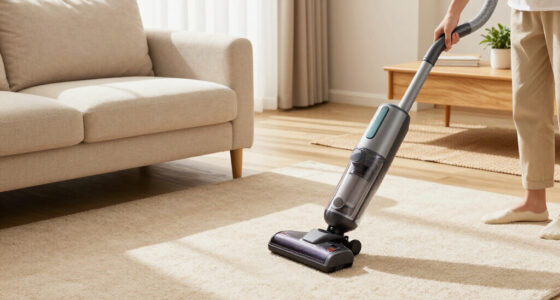
Carpets benefit from slow, thorough vacuuming with HEPA filters. Address spills immediately and ensure complete drying to prevent odors. Foam mats or interlocking tiles must be checked for manufacturer-approved disinfectants, and seams should be lifted regularly for inspection.
Low-pile washable rugs are best for high-traffic zones. Regular laundering keeps them odor-free and safe for children.
Cleaning Up Bodily Fluids — The Quick Response Plan
Spills of vomit, blood, or feces require swift action. First, keep children away, then don disposable gloves and protective gear. Remove the material using absorbent supplies, then thoroughly clean the surface with soap and water.
Apply an appropriate disinfectant, following label instructions for wet contact time. Dispose of contaminated materials safely. Remove gloves, wash hands, ventilate, and keep the area closed until completely dry. Document the incident if required by licensing.
For example, a daycare with a clear protocol was able to contain and disinfect a vomiting incident quickly, preventing spread and keeping children safe.
Safety First — Avoiding Common Hazards During Cleaning
Wet floors are a slip hazard — always mop carefully and put up warning signs. Keep cords, cleaning buckets, and chemical containers out of reach. Never leave buckets accessible — drowning risk for small children. Ventilate thoroughly during and after cleaning to clear fumes and airborne chemicals.
Avoid spraying aerosols near children, and don’t vacuum or steam-clean while kids are present unless specified safe. Regularly inspect equipment for damage, and train staff on safe chemical handling. Remember, your goal is a clean environment — safety should never be an afterthought.
New Trends and Better Practices in Daycare Floor Care
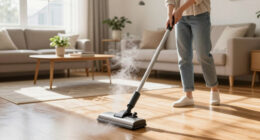
Recent shifts emphasize cleaning dirt before disinfecting, reducing chemical use and improving indoor air quality. Use HEPA-filter vacuums and microfiber pads to cut chemical reliance and water waste. Some providers are switching to seamless, washable flooring options that are easier to clean and maintain.
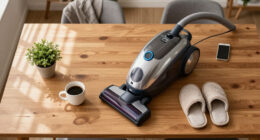
Technology like cordless vacuums and simple robotic cleaners can assist, but they don’t replace routine inspection or spill response. The focus is now on safer, smarter cleaning that minimizes chemical exposure and maximizes hygiene.
For instance, a provider upgraded to low-emission products and seamless flooring, noticing a clearer indoor air quality and easier maintenance.
Your Routine in Action — Keep It Simple and Safe
The best routine balances dirt removal, targeted disinfection, and safety. Prevent soil entry, respond quickly to spills, clean thoroughly daily, and disinfect only when necessary. Use safe products, ventilate, and keep children away from wet or chemical-treated floors.
Stick to this plan consistently. Over time, it becomes second nature — a simple way to keep your little ones safe and your space inviting. Remember, a clean floor isn’t just about looks — it’s a foundation for health and happiness.
Frequently Asked Questions
How often should daycare floors be mopped?
Hard floors should be mopped at least once daily, especially in eating zones, entrances, and bathrooms. More frequent mopping may be needed after meals or spills to maintain hygiene and safety.
Do daycare floors need to be disinfected every day?
No, routine cleaning suffices for most days. Disinfection is essential after bodily-fluid spills or during illness outbreaks, but not as a daily habit.
What is the safest floor cleaner around babies and toddlers?
Choose products labeled for use around children, follow the instructions exactly, and ventilate well. Often, plain soap and water or approved low-odor cleaners are safest for everyday use.
Is vinegar a disinfectant?
No, vinegar is not a reliable disinfectant. It can remove mineral deposits and soil but doesn’t kill germs effectively enough for infection control, especially during outbreaks.
Can bleach be used in a home daycare?
Yes, but only if diluted properly and used according to the label. Always ventilate the area, avoid mixing with other chemicals, and store bleach securely. Use it primarily for spot disinfection after contamination.
Conclusion
Consistent, thoughtful cleaning is your best tool. It’s not about overdoing disinfectants but about removing dirt, responding swiftly to spills, and keeping the environment safe for children’s curious hands and mouths. When you keep safety and simplicity at the core, your floors become a foundation for a healthy, happy day.
Remember: a clean floor is a clear path to peace of mind. Step confidently — your little ones will thank you for it.
Evergreen bestsellers Picks
bestsellers
As an affiliate, we earn on qualifying purchases.