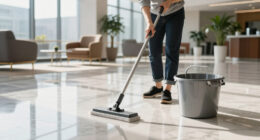

TL;DR

Get cleaning gear delivered free — and shop member deals
- Fast, free delivery on millions of items
- Access to Prime Big Deal Days deals on October 6–7
- Prime Video, Amazon Music and more included
White tile floors look dirty not because they are hard to clean, but because they show every crumb and stain. The best approach combines regular dry soil removal, gentle damp cleaning, targeted grout care, and prevention at entry points.
White tile floors are stunning when pristine, but they tend to look grimy fast. Every hair, crumb, footprint, or smudge becomes glaringly obvious. It’s like trying to keep a snowfield spotless in a busy park.
But don’t let that discourage you. The secret isn’t chasing blotches with harsh chemicals — it’s about a consistent routine that keeps soil from settling in and highlights the natural beauty of your floors. In this guide, you’ll learn how to maintain that bright, fresh look with simple, practical steps. No hype, no heavy-duty scrubbing — just smart habits and targeted care.
White tile’s brightness highlights every speck of dirt, making preventive care vital.
Vacuum or sweep daily before mopping to avoid muddy residues and grout staining.
Use minimal, properly diluted cleaners and rinse thoroughly to prevent streaks and films.
Treat grout regularly with gentle cleaners to keep it white and stain-free.
Control dirt sources proactively with mats, shoe policies, and spill management.
How to Keep White Tile Floors Actually Looking Clean
White tile doesn’t get dirtier than other floors — it just shows every crumb, hair, and smudge. The fix isn’t harsh chemicals or constant scrubbing. It’s a consistent routine: dry soil removal first, minimal-residue damp cleaning, targeted grout care, and stopping dirt at the door.
Not All White Tile Is Created Equal
The Easy One
Tolerates neutral floor cleaners and occasional mild alkaline degreasers. The most forgiving surface — but the grout between it usually isn’t.
The Sensitive One
Requires a stone-safe, pH-neutral product. Vinegar, lemon juice, and many bathroom cleaners can permanently etch the surface. Test first, always.
The Porous One
Often porous and dependent on a sound sealer. Needs gentle cleaners and periodic resealing to resist stains in the first place.
TIP → Unknown material? Start with the gentlest method and test in a hidden corner before committing.
Never Mop a Dirty Floor Dry-First
Vacuum / Sweep
Loose grit + water = gray slurry that settles into grout lines. Skip a beater bar on glazed tile.
Damp Mop, Small Sections
Diluted neutral cleaner, warm (not hot) water, microfiber flat mop — never a saturated string mop.
Rinse & Refresh
Change dirty water and pads promptly. Reusing a soiled pad just redistributes grime.
Dry Microfiber Finish
Wipe away streaks before they dry — the secret to that bright, showroom look.
What Works, What Wrecks
| Method / Product | Verdict | Why |
|---|---|---|
| Microfiber flat mop | ✓ Best | Traps dirt and controls water better than string mops; pads are washable and replaceable. |
| Neutral, low-residue cleaner | ✓ Safe | The routine choice for glazed tile and stone alike — minimal film, minimal streaking. |
| Diluted hydrogen peroxide / oxygen cleaner | ~ Use with care | Good for light-colored cement grout; still requires spot testing and thorough rinsing. |
| Steam mop | ~ Conditional | OK on intact glazed tile; heat and moisture can harm grout, sealers, and natural stone. |
| Chlorine bleach on grout | ✗ Avoid overuse | Weakens cement grout, may discolor stone, and creates dangerous fumes mixed with acids or ammonia. |
| Vinegar on natural stone | ✗ Never | Acid etches marble, limestone, and travertine — permanent dull marks, not stains. |
| Metal brushes / abrasive powders | ✗ Never | Damage grout, leave rust fragments, and scratch glossy glaze beyond repair. |
Cleaned It and It Still Looks Dirty?
If a mark survives proper cleaning, it’s probably damage or absorbed staining — not dirt. These are the usual culprits on white floors, ranked by how often they’re mistaken for “grime”:
Relative frequency of “looks dirty but isn’t dirt” misdiagnoses · repair or professional help may be needed
A Realistic Cleaning Schedule
Spot & Sweep
Wipe spills immediately, remove pet hair, quick-sweep high-traffic paths.
Vacuum Zones
Focus on edges, corners, beneath cabinets, and around entryways.
Damp Mop
Gentle neutral cleaner, diluted properly, finished with a dry microfiber pad.
Detail Work
Grout lines with a nylon brush, edges, and under furniture.
Inspect
Check grout condition and sealer; reseal porous tile as recommended.
Control Dirt Before It Takes Over
Stopping soil at the door saves hours of scrubbing: mats outside and inside every entrance, a shoes-off policy where possible, washable runners in kitchens and hallways, regular pet grooming, and immediate leak repair to prevent mold and moisture stains.
- Mopping before vacuuming — loose dirt turns to mud fast
- Overusing soap — more cleaner means more residue, not more clean
- Letting dirty mop water dry on the surface
- Mixing bleach with acids or ammonia — dangerous fumes
- Abrasive powders on glossy glazed tile
- Wax or polish unless the manufacturer recommends it
- Assuming every homemade cleaner is safe — always test first
- Flooding grout lines with liquid during cleaning
Frequently Asked Questions
Why does my white tile still look dirty after mopping?
Most often it’s leftover cleaner residue, dirt trapped in textured surfaces, or worn grout. Vacuum first, use less product, change mop pads often, and rinse thoroughly.
Why does the floor look clean when wet but dull when dry?
Residue, mineral deposits, or soil are drying on the surface and dulling the shine. A proper rinse, a microfiber dry finish, and a low-residue cleaner keep it streak-free.
What is the best cleaner for white tile?
A low-residue, pH-neutral cleaner, properly diluted and rinsed. For natural stone, choose a product explicitly labeled stone-safe.
Do robotic mops replace manual cleaning?
They handle daily light maintenance well, but they can’t replace detailed cleaning — especially grout scrubbing and edge work.
Start by Knowing Your Tile and Grout — The Foundation of Clean
White tile floors aren’t all the same. Recognizing your surface type helps you pick the right cleaning method. For glazed ceramic or porcelain, neutral cleaners are safe and effective. Natural stone, like marble or travertine, needs pH-neutral products to avoid etching or damage. Cement or encaustic tiles, often porous, require sealing and gentle cleaners.
If you’re unsure about your material, test in a hidden corner first. Use the gentlest method possible and observe for any discoloration or damage before proceeding. This step saves you from costly mistakes and keeps your floors looking their best.
As an affiliate, we earn on qualifying purchases.
Always Remove Loose Dirt Before Mopping — Stop the Gray Slurry
Before you reach for your mop, grab a vacuum or broom. Loose dirt, crumbs, and pet hair can turn into a gray slurry when wet, settling into grout lines and making the floor look dull. Vacuuming or sweeping daily keeps soil at bay, especially around edges, beneath cabinets, and in corners.
For floors that need to stay bright, don’t skip this step. It’s like brushing your teeth before a deep clean — essential for a fresh finish. Use a vacuum without a beater bar to avoid scratching glazed surfaces.
As an affiliate, we earn on qualifying purchases.
Master the Art of Rinsing — Avoid Streaks and Films
White tile floors show streaks and dullness when leftover cleaner residue dries. To keep them gleaming, follow dilution instructions carefully and work in small sections. Use warm, not hot, water to prevent damage and to help the cleaner work more effectively.
Change your rinse water frequently. Rinsing the mop often prevents dirt from redepositing on your floor. Finish with a dry microfiber cloth or pad to wipe away any streaks, especially in high-traffic areas where residue tends to build up.
Choosing a low-residue, neutral cleaner minimizes dullness and keeps your floors looking bright longer.
grout stain remover for white tiles
As an affiliate, we earn on qualifying purchases.
As an affiliate, we earn on qualifying purchases.
Pick the Perfect Mop — Microfiber Over String for a Sparkling Finish
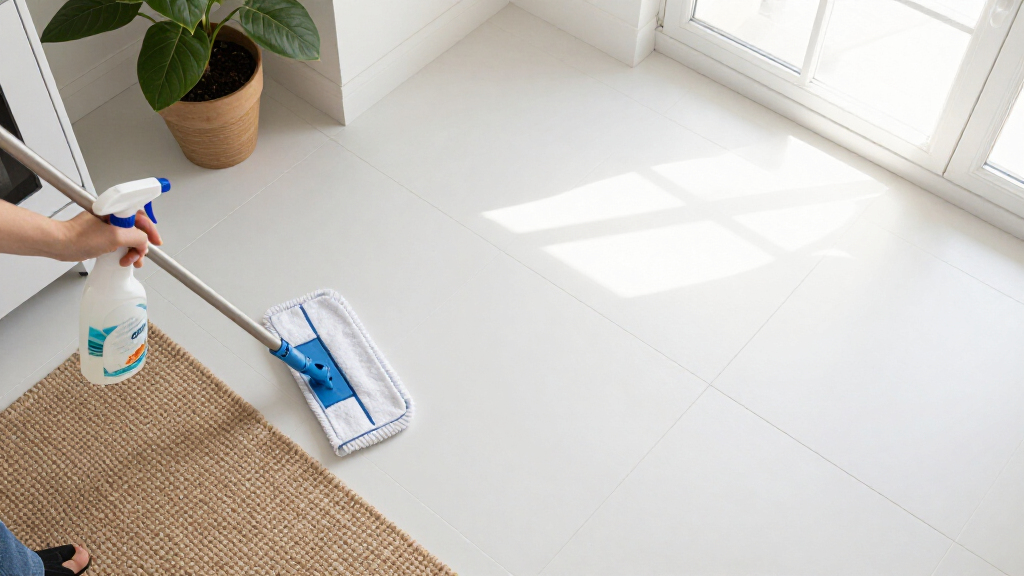
A microfiber flat mop is your best friend for white tile floors. Its thin, washable pads trap dirt and excess water better than traditional string mops. When the pad looks dirty, rinse or replace it immediately—reusing a soiled pad just redistributes grime.
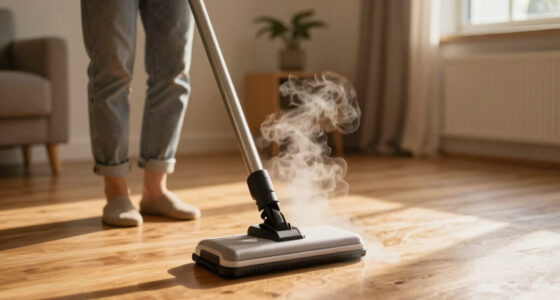
Steam mops sound tempting, but use caution. Heat and moisture can harm grout, sealers, or natural stone. Always check the manufacturer’s advice before steaming your tiles. On glazed surfaces in good condition, steam can be a quick, chemical-free way to boost cleanliness—but only if it’s safe for your specific floor.
As an affiliate, we earn on qualifying purchases.
Treat Grout Like a VIP — Keep It Bright and Stain-Free
Grout can make a spotless floor look neglected. Start with a gentle, grout-safe cleaner. Apply it, let it sit, then scrub with a nylon brush. Rinse well and dry thoroughly. Avoid metal brushes—they can damage grout and leave rust fragments.
For stubborn stains, a diluted hydrogen peroxide solution or oxygen-based cleaner works well—test first. Be cautious with bleach: it can weaken cement grout or discolor natural stone if overused.
If discoloration persists, consider professional cleaning, regrouting, or even sealing with a colorant to restore that crisp white look.
Spot the Difference — Dirt, Damage, or Discoloration?
White floors can look dirty even when clean. Scratched glaze, worn finishes, mineral deposits, or damaged grout can cause persistent marks. Sometimes, what looks like dirt is actually surface damage or staining that cleaning alone won’t fix.
Inspect carefully. If a stain or mark stays after proper cleaning, it might be damage or deep discoloration. In those cases, cleaning isn’t enough—repair or professional help might be needed to restore your floor’s brightness.
Control Dirt Before It Takes Over — Prevention Is Key
Stopping dirt at the door saves hours of scrubbing. Use mats both outside and inside entrances. Enforce a shoes-off policy if possible. Place washable runners in busy spots like kitchens or hallways.
Wipe spills immediately, groom pets regularly, and keep humidity in check with exhaust fans. Repair leaks and fix condensation issues to prevent mold and stains. These habits cut down on soil buildup and protect your investment.
Create a Realistic Cleaning Schedule — Keep Bright Days Coming
Consistency makes the difference. Daily: spot-clean spills, remove pet hair. Several times weekly: vacuum or sweep high-traffic zones. Weekly: damp-mop with a gentle, neutral cleaner. Monthly: detail edges, grout, and underneath furniture. Periodically: inspect grout and sealer.
Adjust frequency based on household activity—more for pets, kids, or outdoor shoes. This routine prevents dirt from settling in and keeps your white floors looking fresh without constant deep cleaning.
Avoid Common Pitfalls — Keep Your Floors Flawless
Steer clear of mopping before vacuuming—loose dirt turns muddy fast. Don’t overuse soap or cleaner—less is more. Change mop pads often, and never let dirty water dry on the surface. Natural stone floors dislike vinegar—test first.
Mixing bleach with acids or ammonia creates dangerous fumes. Avoid abrasive powders on glossy tiles, and never apply wax unless recommended. Flood grout lines or assume every homemade cleaner is safe—test first.
Latest Trends in Floor Care — What’s New and What Works
Today’s cleaning tools focus on reducing residue and waste, with reusable microfiber systems and cordless wet-dry vacuums gaining popularity. Robotic mops help with daily light maintenance but aren’t replacements for detailed cleaning, especially grout scrubbing.
New grout formulations and sealers resist stains better, while grout colorants restore uniformity. Enzyme cleaners help organic stains, and eco-friendly, fragrance-free products are on the rise. These trends aim for smarter, safer, and more sustainable floor care.
Frequently Asked Questions
Why does my white tile still look dirty after mopping?
Most often, it’s leftover cleaner residue, dirt trapped in textured surfaces, or worn grout that causes the dull appearance. Vacuum first, use less cleaner, change your mop pad frequently, and rinse thoroughly to keep the floors shining.
Why does the floor look clean when wet but dull when dry?
This happens because residue, mineral deposits, or soil are drying on the surface, dulling the shine. Using a proper rinse, a microfiber dry finish, and a low-residue cleaner helps maintain that bright, streak-free look.
What is the best cleaner for white tile?
A low-residue, pH-neutral cleaner approved for your specific tile type is safest. Avoid harsh acids or alkalis, especially on natural stone or unglazed surfaces. Always follow manufacturer instructions and test in a hidden spot first.
Can I use vinegar on white tile?
Vinegar can be safe on glazed ceramic or porcelain but risks damaging natural stone and cement grout. For universal safety, stick to neutral, manufacturer-approved cleaners that won’t etch or discolor your floors.
How often should grout be sealed?
It varies, but generally, porous grout benefits from resealing every 1-2 years, especially in high-moisture areas. Check your grout and sealer manufacturer’s recommendations, and inspect for stains or deterioration regularly.
Conclusion
Bright white tile floors don’t have to be a constant battle. Focus on preventing dirt from settling, use gentle, consistent cleaning routines, and pay attention to grout care. With these habits, your floors will stay strikingly clean and welcoming.
Remember, a little daily effort goes a long way. Every time you wipe a spill or vacuum a corner, you’re preserving that crisp, fresh look that makes your home feel brighter and more inviting.
Fall Picks
fall essentials
As an affiliate, we earn on qualifying purchases.