TL;DR

Get cleaning gear delivered free with Prime
- Fast, free delivery on millions of items
- Prime Video, Amazon Music and more included
- Member-only deals all year
Generic steam mop pads can perform nearly as well as OEM pads, but quality varies. Fit, construction, and washability matter most for consistent cleaning and long-term value.
Think all steam mop pads are the same? Think again. The truth is, a generic pad can often clean just as well as an OEM, but only if it’s made with care and fits your mop properly. When you’re shopping, it’s tempting to go for the cheapest option, but a poorly fitting or low-quality pad can turn cleaning into a frustrating game of tug-of-war on your floors.
This guide breaks down what really makes a pad good or bad, so you can choose smartly. Whether you want to save money or prioritize longevity, knowing the differences helps you get the best bang for your buck — and cleaner floors, too.
Fit and construction quality matter more than brand reputation for consistent cleaning.
A dense microfiber weave and reinforced edges extend pad lifespan and cleaning power.
Thicker isn’t always better; consider your floor type and cleaning needs.
Regular washing reduces microfiber effectiveness—air drying and gentle detergents help prolong life.
Choosing compatible pads that match your model minimizes damage risk and maintains warranty protections.
Generic vs OEM Steam Mop Pads
Is there a real difference? Yes—but the label matters less than precise fit, microfiber construction, durability, and condition. A carefully made generic pad can rival an original; a poorly built one can restrict steam and make cleaning harder.
What actually separates a good pad from a bad one?
Brand reputation can signal consistency, but it cannot replace inspection. Precise dimensions, dense microfiber, secure fasteners, and reinforced edges have the greatest influence on day-to-day performance.
Shape before savings
A pad that is too large may bunch and drag. One that is too small may expose the mop head, detach, or distribute steam unevenly.
Density beats the label
Look for a tight microfiber weave, dense stitching, strong elastic, and cleanly reinforced edges that resist fraying and shrinkage.
Fresh pads clean better
A saturated OEM pad may spread residue, while a fresh generic pad can keep collecting dirt. Change pads on large or heavily soiled floors.
Predictability versus potential value
OEM pads usually deliver dependable compatibility across purchases. Generic pads offer a wider price and quality range, so product details and seller consistency deserve closer attention.
| Factor | OEM pads | Generic pads | What to verify |
|---|---|---|---|
| Fit | ✓Designed for a specific model | ~Sizing accuracy can vary | Exact model number and head dimensions |
| Cleaning | ✓Usually consistent | ~Can be comparable | Fiber density, weave, and absorbency |
| Steam flow | ✓Thickness and openings match | ~May restrict or misdirect steam | Opening alignment and fabric thickness |
| Attachment | ✓Reliable tabs, pockets, or elastic | ~Fastener strength differs | Seam quality and attachment placement |
| Durability | ✓More predictable between batches | ~Shrinkage and stitching vary | Reinforced edges and care instructions |
| Features | ✓Model-specific scrub zones | ~Features may be simplified | Floor type and intended cleaning task |
| Price | ~Usually more expensive | ✓Often cheaper in multipacks | Cost per usable wash, not unit price |
| Availability | ~Official or authorized sellers | ✓Widely available | Seller history and recent reviews |
Reading rule · A comparable generic pad is a strong value only when fit, steam flow, and wash durability remain reliable.
One sizing error can travel through the entire cleaning system
Compatibility is more than convenience. A mismatch changes how steam reaches the floor, how fibers maintain contact, and how easily the mop moves.
Pad fit
Correct dimensions keep edges flat and attachment points aligned.
Steam path
Openings and fabric weight allow heat and moisture to spread as designed.
Floor contact
Stable fibers collect debris without bunching, dragging, or exposing the head.
Clean result
Even movement and controlled moisture reduce streaks and repeated passes.
Thicker is not automatically better
The ideal profile depends on mop design, floor type, soil level, and how quickly you want heat to reach the surface. Balance capacity with maneuverability.
Fast and agile
A slimmer pad heats and dries quickly, making it useful for light maintenance and smaller spaces.
More capacity
A denser pad may hold more debris and add cushioning, but excess bulk can slow heat and increase drag.
Care can matter as much as construction
Repeated washing can flatten fibers, weaken elastic, and reduce absorbency. Gentle care protects microfiber performance and makes cost-per-use more meaningful.
Care method impact
Inspect before you commit
Do not rely only on the mop brand or product family.
Steam outlets, tabs, pockets, and elastic must align correctly.
Dense fibers and reinforced seams resist lint, fraying, and deformation.
Consider steam transfer, moisture, dirt capacity, and ease of movement.
A cheap pad is poor value if it shrinks or detaches after a few cycles.
The value chain
Brand is only the starting signal. Real value emerges from a connected sequence of compatibility, construction, care, and consistent performance.
What’s the real scoop on fit and construction?
OEM pads are designed specifically for your mop model. That means they match the shape, attachment points, and steam outlet positions perfectly. A generic pad might fit several models, but the fit can be off—either too tight, too loose, or misaligned.
Imagine trying to put on a pair of shoes that are just a little off in size. They might look fine, but after a few miles, discomfort kicks in. The same applies to pads: poor fit reduces steam flow, causes bunching, or even detachment mid-cleaning.
Construction quality also varies. Dense stitching, strong elastic, and quality microfiber weave all contribute to durability and cleaning ability. A generic pad with loose threads or flimsy fasteners might unravel after just a few washes, leaving fibers on your floor or causing attachment issues.
For example, a well-made OEM pad will have reinforced edges that resist fraying, while a cheap generic might fall apart after a handful of washes. The difference in build quality directly impacts how long your pad lasts and how well it performs. This means that investing in a pad with robust construction can save money over time by reducing replacements and ensuring consistent cleaning power, especially if you clean frequently or have tough stains.
microfiber steam mop pads compatible with [mop brand/model]
As an affiliate, we earn on qualifying purchases.
As an affiliate, we earn on qualifying purchases.
Can generic pads match OEM cleaning power?
Yes — but with caveats. A high-quality generic microfiber pad can clean just as effectively during routine mopping. The microfiber density, weave, and stitching all matter, not just the brand label.
For instance, a dense, tightly woven generic pad may trap dirt and absorb moisture better than a thinner OEM version that’s been poorly manufactured. Conversely, a cheaply made generic with loose fibers may shed lint or fail to pick up debris properly.
Research from cleaning experts shows that the microfiber’s quality—how densely packed and securely stitched—has a greater impact on cleaning than whether it’s OEM or generic. So, a well-crafted generic can perform nearly identically to the original, provided it’s made with care. This means that the choice of microfiber quality directly influences how well your floors get cleaned, regardless of the brand. A poorly manufactured pad, even if labeled OEM, might underperform if the fibers are loose or unevenly distributed.
Keep in mind, though, that as pads get dirty or worn, performance depends more on their condition than the label. Regularly replacing a saturated or frayed pad is more effective than sticking with a worn OEM one. This highlights that ongoing maintenance and choosing quality over branding are key to achieving optimal cleaning results.
durable steam mop replacement pads
As an affiliate, we earn on qualifying purchases.
As an affiliate, we earn on qualifying purchases.
Is fit and durability more than just convenience?
Absolutely. A pad that fits poorly or wears out fast can turn your cleaning session into a hassle. If it bunches up, falls off, or leaves streaks, you’re fighting your mop instead of working with it.
Imagine trying to clean a hardwood floor with a pad that’s slightly too big—bunching and dragging. Or a pad that’s too small, exposing parts of the mop head and risking uneven steam distribution. The right fit ensures that steam flows efficiently, fibers stay in place, and the pad maintains contact with the floor, maximizing cleaning effectiveness.
Durability plays a key role too. A cheap generic with weak stitching and thin fabric might only last a few washes, forcing you to buy more frequently. In contrast, a sturdy OEM pad with reinforced seams can handle multiple wash cycles without losing its shape or adhesion. This means that investing in a durable pad can save money and effort over time, especially if you clean often or have demanding floors.
Remember, the best pad is one that maintains its fit and integrity over time, ensuring consistent cleaning power and easier handling. A pad that deteriorates quickly may seem cost-effective initially but could cost more in the long run due to frequent replacements and inconsistent results.
As an affiliate, we earn on qualifying purchases.
Thick or thin? Which pad design wins?
Thicker isn’t always better. A bulky pad might absorb more dirt and cushion floors, but it can also slow heat transfer, hold excess moisture, and make the mop harder to maneuver. Meanwhile, a thin pad heats quickly and dries fast but might lack dirt capacity.
For example, a thick pad with dense fibers can trap more debris, but if it’s too thick, it might impede steam flow and make your mop sluggish. On the other hand, a slim pad heats up fast, giving quick results on light cleaning tasks but may need more frequent changing for dirtier floors.
The choice of thickness involves a tradeoff: thicker pads may improve cleaning on heavily soiled surfaces but can hinder maneuverability and heat transfer. Conversely, thinner pads excel in quick, light cleaning but may require more frequent replacements. Understanding these tradeoffs helps you select the right pad based on your typical cleaning needs and floor types, ensuring efficiency without sacrificing performance.
Ultimately, the best pad thickness balances dirt capacity with ease of use, considering the specific surfaces you clean regularly.
best fit steam mop pads for hardwood floors
As an affiliate, we earn on qualifying purchases.
As an affiliate, we earn on qualifying purchases.
How does washing and reusing affect pad performance?
Reusability is a big advantage with microfiber pads. However, repeated washing can weaken fibers, cause shrinkage, or reduce absorbency—regardless of brand. A high-quality OEM pad might hold up through many cycles, but a cheap generic may fall apart after just a few washes.
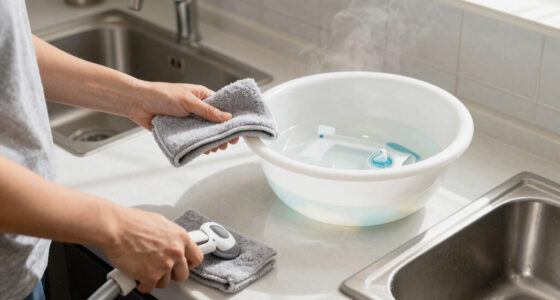
For example, harsh detergents, bleach, or high heat can damage fibers, diminishing their ability to trap dirt and moisture. Air drying instead of machine drying preserves fiber integrity, maintaining cleaning effectiveness over time. Proper care extends the lifespan of your pad, making it a more economical choice in the long run.
In terms of value, a durable, well-made pad that lasts through 50+ washes costs less over time than multiple cheap replacements. Keeping an eye on signs of wear—such as frayed edges, loss of elasticity, or persistent odors—helps determine when it’s time for a new pad. Investing in proper maintenance and choosing high-quality pads can significantly improve your cleaning efficiency and save money over the long term.
Will using generic pads void my warranty?
Using a compatible third-party pad doesn’t automatically void your steam mop’s warranty. But, if damage occurs because of an incompatible or poorly fitting pad, the manufacturer might refuse coverage. Always check your warranty’s fine print.
For example, some brands explicitly state that using non-original accessories may void certain warranty protections, especially if damage results from improper fit or moisture retention. Others are more lenient, especially if the generic pad is well-made and matches specifications.
To stay safe, choose pads that clearly list compatibility with your model, and keep receipts and product details. This helps if warranty questions ever come up, and ensures you’re using a pad that won’t risk voiding your coverage.
What about cleaning floors without damaging them?
Pad choice doesn’t override your floors’ needs. Some surfaces—like unsealed hardwood, laminate, or waxed floors—can suffer damage from excessive steam, regardless of the pad used.
For example, even the best microfiber pad can’t protect a delicate finish from high heat or water penetration. Always check your flooring manufacturer’s recommendations before steaming. Using the wrong pad or too much steam can cause warping, swelling, or finish degradation, which may be costly to repair.
And remember, some pads are gentler, with softer fibers or lower steam flow, making them better suited for sensitive surfaces. When in doubt, test in a hidden spot first to see how your floors react, avoiding costly damage and ensuring longevity of your flooring surface.
Should I spend more on OEM or save with generic pads?
The answer depends on your priorities. OEM pads generally fit perfectly, perform consistently, and support warranties—great for delicate or expensive floors. But they cost more per pad, often $10–$15 each.
Generic pads, especially in multipacks, can cut costs and provide enough for regular cleanings. If you choose carefully—checking fit, reviews, and construction—they can serve well for everyday chores.
For heavy-duty cleaning, tricky floors, or recent purchases, OEM might be safer. For routine maintenance on sealed, durable floors, reliable generics offer excellent value.
The key is balancing cost, fit, and performance to match your cleaning style, ensuring you don’t compromise on results or damage your floors.
Frequently Asked Questions
Do generic steam-mop pads clean as well as OEM pads?
Many high-quality generic microfiber pads clean just as effectively as OEM versions during everyday use. Differences become noticeable mainly when fit, durability, or microfiber density suffer due to poor manufacturing. Regular replacement and choosing reputable sellers help maintain performance.
Can a generic pad damage my steam mop?
Yes—if it doesn’t fit properly or has weak fasteners, it could block steam outlets, slip during use, or hold excess moisture. Always verify measurements and attachment style before buying to reduce the risk of damage.
Will using generic pads void my warranty?
Not automatically. Most warranties specify that damage caused by incompatible accessories isn’t covered, but using well-made, compatible third-party pads usually won’t void your coverage. Keep documentation and check your warranty terms for specifics.
How can I tell if a pad will fit my mop?
Check the exact model number, dimensions, attachment method, and placement of steam openings. Review product images and customer feedback for clues on fit and compatibility—brand names alone aren’t enough.
Are thicker pads better for cleaning?
Not necessarily. Thicker pads can absorb more dirt and cushion floors, but may slow heat transfer and steam flow, making maneuvering tougher. Choose thickness based on your cleaning needs and floor type.
Conclusion
Picking between generic and OEM steam mop pads isn’t just about price. It’s about understanding how fit, quality, and durability influence cleaning results and long-term costs. A well-chosen pad that fits properly and lasts through many washes keeps your floors spotless and your mop working smoothly.
Remember, a good pad isn’t just a replacement—it’s part of your cleaning routine. Keep an eye on fit, condition, and compatibility, and your floors will thank you for it.
Columbus Day / Indigenous Peoples' Day Picks
long weekend sales
As an affiliate, we earn on qualifying purchases.