TL;DR

Get cleaning gear delivered free with Prime
- Fast, free delivery on millions of items
- Prime Video, Amazon Music and more included
- Member-only deals all year
Washing your steam mop pads properly—using gentle methods, avoiding harsh chemicals, and air drying—can double their lifespan. Regular cleaning prevents dirt buildup and keeps your floors spotless.
Wash microfiber steam mop pads every 3-5 uses to maintain their cleaning power.
Always use mild detergent and avoid fabric softeners or bleach—these damage fibers.
Air drying is best; if using a dryer, pick low heat to avoid shrinking or melting.
Pre-treat stubborn stains with vinegar or baking soda before washing.
Look for signs of wear like fraying or reduced absorbency to know when to replace your pads.
Why Proper Washing Protects Your Investment
Steam mop pads are mostly made of microfiber—tiny fibers that trap dirt, moisture, and bacteria. When washed properly, these fibers stay intact and functional longer. Improper washing, like using bleach or fabric softeners, damages the fibers and shortens their lifespan.
Imagine a pad that’s been washed with harsh chemicals. Its fibers become frayed, less absorbent, and less effective at cleaning. Proper care keeps the microfiber’s integrity, so your floors stay shiny and clean with less waste.
This matters because microfiber is delicate; damaging it reduces the pad’s ability to pick up dirt efficiently, leading to more frequent replacements and higher costs. Additionally, overly aggressive cleaning methods can cause fibers to break down faster, diminishing the pad’s absorbency and cleaning power over time. Therefore, understanding how to wash your pads gently preserves their functional lifespan, ensuring you get the most value from your purchase and maintain optimal cleaning performance.
As an affiliate, we earn on qualifying purchases.
How Often Should You Wash Your Steam Mop Pads?
Washing frequency depends on use. Typically, after 3-5 cleaning sessions, or when you notice visible dirt or odors. For households with pets or heavy foot traffic, more frequent washing—every 2-3 uses—works better.
For example, if you mop the kitchen every other day, washing after every 3rd or 4th session keeps the pads fresh and effective. Consistent cleaning prevents dirt buildup that can embed into fibers, making future washes less effective.
Neglecting to wash your pads regularly allows dirt and bacteria to settle deeper into the fibers, which can lead to lingering odors and reduced cleaning efficacy. Conversely, washing too frequently with harsh methods can wear out the fibers prematurely. Finding a balance—based on your usage—is key to prolonging pad life and maintaining hygiene. Regular, moderate cleaning prevents the accumulation of grime that can hinder the microfiber’s ability to trap dirt, ensuring your floors stay spotless and your pads last longer.
best steam mop pads for microfiber
As an affiliate, we earn on qualifying purchases.
As an affiliate, we earn on qualifying purchases.
Step-by-Step: How to Wash Your Steam Mop Pads Properly
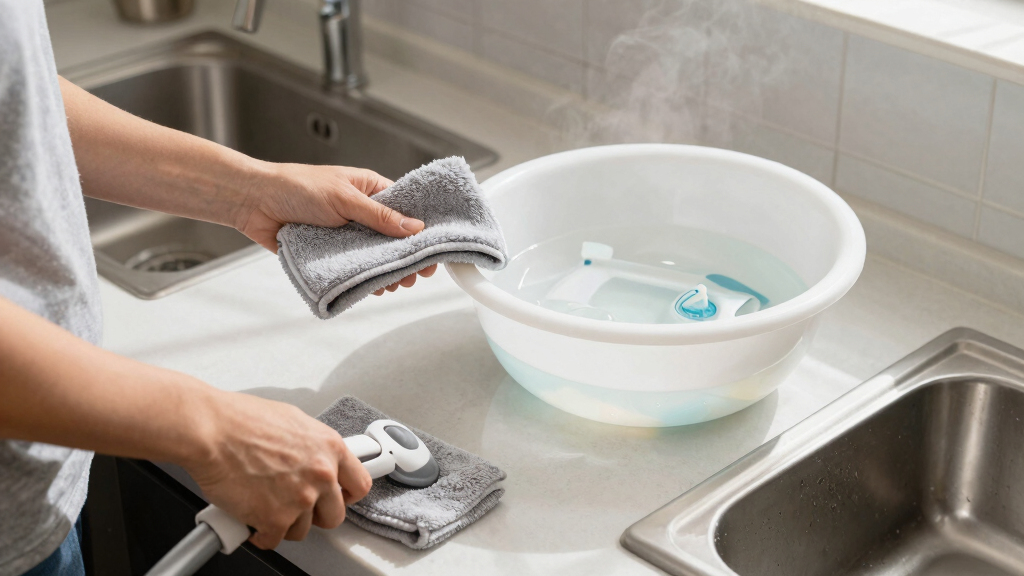
- Pre-treat stains with a mixture of water and vinegar or baking soda. Soak for 10-15 minutes.
- Place the microfiber pads in a mesh laundry bag. Use a mild detergent—no fabric softeners or bleach.
- Set your machine to a gentle cycle with cold or warm water. Hot water can damage microfiber fibers.
- After washing, gently squeeze out excess water. Do not wring tightly.
- Air dry the pads flat or hang them. If you use a dryer, select low heat—high heat can melt or shrink microfiber.
Pre-treating stains helps loosen embedded dirt and oils, making cleaning more effective. Using a mesh laundry bag prevents the fibers from snagging or tearing during the wash cycle, which can happen if the pads are loose or washed with rough items. Choosing a gentle cycle with cold or warm water minimizes microfiber damage; hot water can cause fibers to shrink or become brittle, reducing their ability to trap dirt. Properly squeezing out excess water prevents stretching or deforming the fibers before drying. Air drying preserves microfiber structure and prevents heat damage, but if using a dryer, low heat is essential to avoid shrinking or melting fibers. Overall, these steps ensure your pads are cleaned thoroughly without compromising their longevity or cleaning ability.
As an affiliate, we earn on qualifying purchases.
Why Air Drying Is Better Than Using the Dryer
Air drying keeps microfiber fibers intact. High heat from a dryer can cause fibers to melt or shrink, reducing absorbency. Plus, air drying is gentler and better for the environment.
Imagine a microfiber pad laid flat on a towel, drying in a breezy corner. It stays fluffy and effective longer. Using low-heat tumble drying can be safe if you’re careful, but air drying remains the safest choice.
Extended heat exposure can weaken the delicate microfiber structure, leading to a loss of softness and absorbency. Air drying allows fibers to retain their original shape and texture, which is crucial for maintaining cleaning efficiency. Additionally, air drying reduces energy consumption and minimizes the risk of heat-related damage, ensuring your pads last as long as possible while performing at their best. For optimal longevity, lay your pads flat or hang them in a well-ventilated area, avoiding direct sunlight which can degrade fibers over time.
As an affiliate, we earn on qualifying purchases.
Common Mistakes That Shorten Your Mop Pads’ Lifespan
- Using bleach or fabric softeners—damages fibers and reduces effectiveness over time.
- Washing with rough items like towels or jeans—causes tears and fraying, compromising the microfiber’s structure.
- Drying on high heat—shrinks or melts microfiber fibers, leading to loss of absorbency and durability.
- Over-washing—accelerates fiber wear, especially if harsh chemicals are used repeatedly.
- Skipping pre-treatment of stains—allows dirt and oils to embed deeper, making cleaning less effective and increasing fiber stress during washing.
For example, tossing a microfiber pad with a load of towels stained with bleach can weaken the fibers and make the pad less effective after just a few washes. This not only shortens the lifespan but also diminishes the cleaning performance, leading to more frequent replacements and higher costs. Understanding these mistakes helps you balance cleaning frequency and methods, maximizing the lifespan and efficiency of your pads while protecting your investment.
How Recent Innovations Are Making Pads Last Longer
New microfiber blends and hybrid materials resist wear and tear better. Some brands now design pads with reinforced edges or special coatings that protect fibers during washing.
Eco-friendly, reusable pads are also gaining popularity. They’re built to withstand many wash cycles—sometimes over 100—reducing waste and saving money over time. According to an anonymous researcher, these advancements can extend microfiber lifespan by up to 30%.
These innovations matter because they directly impact the longevity of your cleaning tools. Reinforced edges prevent fraying, while advanced coatings shield fibers from damage during washing and drying. Reusable pads made with durable materials mean fewer replacements and less environmental impact. Collectively, these developments mean you get more cleaning cycles per pad, saving money and reducing waste—beneficial for your budget and the planet. While some may cost more upfront, the extended lifespan and improved performance justify the investment, making your cleaning routine more sustainable and cost-effective.
Quick Comparison: Wash & Dry Tips for Best Results
| Tip | Why It Matters |
|---|---|
| Use mild detergent | Preserves microfiber fibers and cleaning power by preventing chemical damage that can weaken fibers over time. |
| Avoid fabric softeners & bleach | Prevents chemical coatings and fiber degradation, maintaining absorbency and durability for longer use. |
| Wash in cold/warm water | Protects fibers from shrinking, warping, or melting, which can compromise cleaning effectiveness. |
| Air dry or low heat | Maintains microfiber integrity, preventing heat-induced damage and prolonging the lifespan of the pads. |
Signs It’s Time to Replace Your Steam Mop Pads
If your pads no longer absorb water well, or if stains and dirt don’t come out after washing, it’s time for a new one. Frayed edges, thinning fibers, or persistent odors also indicate wear.
For example, after 50 washes, some microfiber pads start to lose their fluffiness and effectiveness. Replacing them ensures you’re not just spreading dirt around.
Ignoring signs of wear can lead to reduced cleaning efficiency and potential bacterial buildup, which can affect indoor air quality and hygiene. Worn pads also tend to trap less dirt, making your cleaning less effective and potentially causing more frequent replacements. Regularly inspecting your pads and replacing them when they show signs of deterioration helps sustain optimal cleaning performance and protects your investment in your cleaning tools.
Frequently Asked Questions
How often should I wash my steam mop pads?
Typically after 3-5 cleaning sessions, or when they look dirty or smell. Heavier use or pet hair may require more frequent washing, around every 2-3 uses.
Can I put my microfiber pads in the washing machine?
Yes. Most microfiber pads are safe to machine wash, but always check the manufacturer’s instructions. Use a gentle cycle with cold or warm water, and avoid fabric softeners.
Should I use bleach or fabric softener?
No. Bleach weakens microfiber fibers, and fabric softeners coat fibers, reducing their ability to trap dirt and moisture. Stick to mild detergent for best results.
Can I dry my pads in a dryer?
Yes, but only on low heat. High heat can damage or shrink microfiber fibers. Air drying remains the safest option to prolong pad life.
What’s the best way to remove stubborn stains?
Pre-soak your pads in a solution of water and vinegar or baking soda for 10-15 minutes. Then wash as usual. This helps lift dirt without harsh chemicals.
Conclusion
Caring for your steam mop pads isn’t complicated, but it makes a real difference. Gentle washing, avoiding harsh chemicals, and air drying keep microfiber fibers working their best. Think of it as giving your cleaning tools a spa day—so they stay effective longer and help your floors shine brighter.Halloween Picks
halloween
As an affiliate, we earn on qualifying purchases.