TL;DR

Get cleaning gear delivered free with Prime
- Fast, free delivery on millions of items
- Prime Video, Amazon Music and more included
- Member-only deals all year
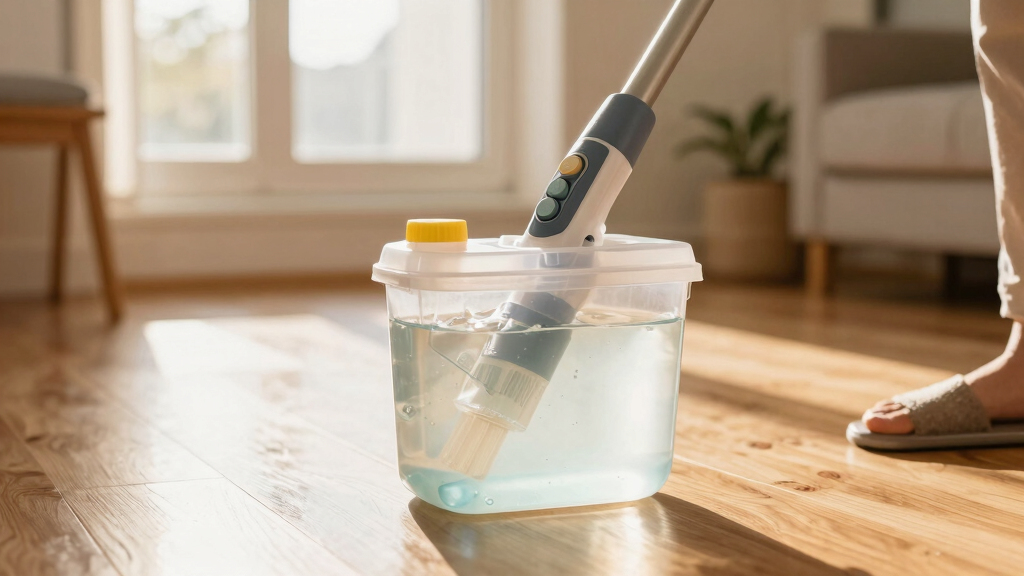
Vinegar should generally not go in a steam mop because it can damage internal parts. Steam mops work best with plain water, but natural alternatives like essential oils can be safe if approved by the manufacturer.
Vinegar is a kitchen staple for cleaning—cheap, natural, effective. But when it comes to steam mops, things get tricky. Many wonder if mixing vinegar with the water inside can boost cleaning power or sanitize better.
The truth is, most manufacturers strongly advise against it. Understanding why can save you from costly repairs, and knowing safe alternatives helps you keep your floors spotless and damage-free.
Most steam mops explicitly warn against adding vinegar due to corrosion risks.
Using vinegar in a steam mop can damage internal seals, leading to leaks and costly repairs.
For natural cleaning, opt for distilled water plus approved essential oils or cleaning solutions.
Always follow your device’s manual—testing solutions in hidden spots prevents damage.
Plain water remains the safest, most effective way to sanitize floors with a steam mop.
Can You Put Vinegar in a Steam Mop?
Usually, no. Vinegar is useful for many cleaning jobs, but inside a steam mop it can corrode rubber seals, plastic parts, and heating components. Plain water is still the safest route for strong steam cleaning.
Vinegar belongs on the cloth, not in the tank.
Key insightBrands advise against vinegar or cleaning solutions in the reservoir.
Water creates the steam that loosens grime and sanitizes surfaces.
Hours of use is a common descaling interval range.
Unapproved additives can damage parts and void coverage.
Why Vinegar Creates Trouble
White vinegar’s cleaning power comes from acetic acid. That same acidity can slowly attack the parts a steam mop depends on: seals, small outlets, plastic fittings, and the heating pathway.
Rubber can degrade
Repeated acidic exposure may weaken gaskets and seals, causing dripping, leaks, or pressure loss during steaming.
Outlets can clog
Vinegar can react with mineral deposits and residue, creating buildup that blocks tiny steam ports.
Repairs can cost more
Once internal components fail, replacing seals or tanks may cost more than a basic steam mop.
The Risk Curve
One use may not ruin a steam mop instantly, but repeated exposure increases the odds of corrosion, leaks, reduced steam, and warranty problems.
TL;DR: Diluting vinegar does not remove the core problem. Steam mop tanks are designed around water, and most personal-use models are not built for acidic cleaning agents.
What to Use Instead
The safest routine is simple: use distilled water in the tank, pre-clean sticky grime separately, and only use additives that your exact model’s manual approves.
| Option | Tank safe? | Cleaning role | Best use | Verdict |
|---|---|---|---|---|
| Distilled water | ✓ Yes | Steam production and sanitizing | Everyday floor cleaning | Safest default |
| Tap water | ~ Depends | Steam production | Only if manual allows it | May need more descaling |
| Approved steam mop solution | ✓ If listed | Added scent or cleaning support | Compatible models only | Follow label exactly |
| Essential oils | ~ Manual first | Fresh scent, possible antimicrobial boost | A few drops only if permitted | Optional, not universal |
| Vinegar | ✗ Usually no | Traditional cleaning and mineral removal | External spray or cloth pre-clean | Avoid in the tank |
If Vinegar Is Already Involved
Do not panic over one exposure, but do switch back to water and protect the machine from repeated acidic cycles.
Empty
Pour out any vinegar mix from the water tank immediately.
Rinse
Flush the reservoir with clean water to reduce remaining acidity.
Steam
Run a short plain-water cycle if your manual permits it.
Watch
Check for dripping, odd odors, low steam, or unusual noises.
Manual
Use only the approved descaling or maintenance method next time.
Safe Cleaning Formula
You can still use vinegar’s cleaning power without sending it through the machine’s internal parts.
The smart compromise
For stubborn grime, apply a diluted vinegar spray to the floor with a cloth first. Then steam mop with plain water only. You get spot-cleaning help without exposing the tank, seals, or heating system to acid.
Check the manual
Model-specific instructions beat general cleaning advice every time.
Test hidden spots
Floor finishes vary, especially sealed wood, laminate, stone, and vinyl.
Descale on schedule
Mineral buildup reduces steam power, even when you never use vinegar.
Fast Answers
Reader questions usually come down to the same tradeoff: vinegar cleans well outside the machine, but it is a bad bet inside the reservoir.
Can I heavily dilute vinegar?
No. Dilution lowers acidity but does not remove the corrosion risk most manufacturers warn about.
Will it break immediately?
Usually not instantly. Damage often builds over repeated use as seals weaken and outlets clog.
Do any models allow additives?
Some newer or industrial models tolerate specific solutions, but vinegar still requires manual approval.
What disinfects best?
Plain steam from water is the recommended sanitizing method for most household steam mops.
Why Most Steam Mops Say ‘No’ to Vinegar
Most brands recommend sticking to plain water in your steam mop. Why? Because vinegar’s acidity can eat away at the internal parts. Rubber seals, plastic components, and the heating element can all suffer damage.
Imagine pouring vinegar into a device designed for pure water—over time, that acidity can cause corrosion, leaks, and even complete breakdown. An example: a popular model’s user manual explicitly warns that vinegar could void the warranty and harm the machine.
Research from cleaning device manufacturers confirms that vinegar can cause wear in the long run, especially if used repeatedly or in high concentrations. The chemical nature of vinegar, primarily acetic acid, can break down rubber and plastic materials that are not designed to withstand such acidity. This degradation not only shortens the lifespan of your device but can also compromise its safety, leading to leaks or malfunction during operation. The tradeoff here is clear: while vinegar is a natural cleaning agent, its corrosive properties make it incompatible with delicate internal components, and the risk of damage outweighs any perceived cleaning benefit.
As an affiliate, we earn on qualifying purchases.
What Happens When You Add Vinegar to a Steam Mop
If you add vinegar to your steam mop, several issues can crop up. The most common is corrosion of rubber and plastic parts. You might notice leaks, strange odors, or reduced steaming power over time.
For example, a user reported that after using vinegar once, their device started dripping and making odd noises. Repairing or replacing internal seals cost more than the device itself.
Vinegar can also leave residues that clog the tiny steam outlets, reducing effectiveness and making cleaning less efficient. This clogging occurs because the acetic acid reacts with mineral deposits or residual residues inside the device, forming deposits that block steam flow. Over time, this leads to inconsistent steam output, which diminishes cleaning performance. The implications are significant: not only does this reduce the device’s lifespan, but it also compromises its ability to sanitize effectively. The tradeoff is that while vinegar might seem like a natural solution, its corrosive and reactive nature can cause long-term damage that outweighs any short-term cleaning advantages.
natural floor cleaning solutions for steam mops
As an affiliate, we earn on qualifying purchases.
As an affiliate, we earn on qualifying purchases.
Safe Ways to Keep Your Floors Clean Without Risks
If you want a natural boost without risking damage, there are safer options. Consider using distilled water with a few drops of essential oils like lavender or tea tree—these can add a fresh scent and antimicrobial properties.
Always check your device’s manual to see what additives are permitted. Some newer models are built to handle minor natural solutions, but many still recommend just plain water. Using approved natural solutions can provide antimicrobial benefits without the corrosive risks associated with vinegar or harsh chemicals. For instance, essential oils like tea tree have natural antibacterial properties, which can enhance the sanitizing effect of steam without damaging internal components. The tradeoff here is that these natural additives are generally safer but may not be as potent as chemical disinfectants, and their efficacy depends on the quality and concentration used. When in doubt, always prioritize manufacturer guidelines to avoid unintended damage.
For stubborn grime, a quick pre-clean with a vinegar-diluted spray (applied with a cloth) can help, then follow with your steam mop for sanitizing. This method allows you to harness vinegar’s cleaning power externally without risking internal damage, balancing safety and effectiveness.
essential oils safe for steam mops
As an affiliate, we earn on qualifying purchases.
As an affiliate, we earn on qualifying purchases.
Frequently Asked Questions
Can I put vinegar in my steam mop if I dilute it heavily?
No. Diluting vinegar doesn’t eliminate the risk. Most manufacturers still advise against using vinegar at any concentration because it can still corrode internal parts over time.
Will vinegar damage my steam mop immediately?
Damage usually occurs over repeated use. A single exposure might not cause instant harm, but it weakens seals and components, leading to failures later.
Are there any steam mop models that tolerate vinegar?
Some newer or industrial-grade models claim to withstand minor additives, but always check the manual. For most personal-use devices, sticking to water is safest.
What’s the best way to disinfect floors with a steam mop?
Use only plain, distilled water. The heat from the steam kills most germs and bacteria. For added freshness, use approved natural oils if your model permits.
How often should I descale my steam mop?
Follow your manufacturer’s recommendations, usually every 20-50 hours of use. Regular descaling prevents mineral buildup and maintains steam power.
steam mop accessories and attachments
As an affiliate, we earn on qualifying purchases.
As an affiliate, we earn on qualifying purchases.
Conclusion
Vinegar may be a hero in traditional mopping, but in a steam mop, it’s a villain waiting to happen. Playing it safe with plain water and approved natural additives keeps your floors clean without risking damage.
Next time you reach for the vinegar bottle, remember: your steam mop’s health depends on it. Keep it simple, keep it safe, and your floors will thank you.
Halloween Picks
halloween
As an affiliate, we earn on qualifying purchases.