TL;DR

Get cleaning gear delivered free with Prime
- Fast, free delivery on millions of items
- Prime Video, Amazon Music and more included
- Member-only deals all year
Steam mops use high-temperature steam to deep clean and disinfect, making them great for hygienic cleaning. Spin mops rely on manual wringing and are versatile for routine tasks. Your choice depends on cleaning depth, surface type, and budget.
Have you ever stood in your kitchen, staring at a muddy trail of footprints or a sticky spill, wondering which mop will get the job done without making a mess of your floor? The choice isn’t always clear. Some mops promise deep cleaning and sanitation with a press of a button, while others rely on good old manual effort. Understanding the real difference between a steam mop and a spin mop can save you time, money, and frustration in the long run.
In this guide, you’ll learn what sets these two popular cleaning tools apart — from how they work to which surfaces they’re best suited for. Whether you’re a busy parent, a cleaning enthusiast, or just tired of ineffective mops, knowing the ins and outs makes choosing your next cleaning partner much easier.
Steam mops are best for deep cleaning and sanitizing sealed surfaces, killing up to 99.9% of germs with high heat.
Spin mops offer more control over moisture, are budget-friendly, and excel at quick, routine cleaning tasks.
Always test your flooring with a small amount of steam or water to prevent damage—especially on unsealed or porous surfaces.
Invest in a microfiber head that’s washable for long-term savings and eco-friendliness.
New models now combine convenience features like cordless operation and adjustable steam for versatile cleaning.
Steam Mop vs Spin Mop: The Real Difference
Steam mops use high-temperature vapor to loosen grime and sanitize sealed floors. Spin mops rely on washable microfiber, manual wringing, and moisture control for everyday cleaning. The right choice depends on cleaning depth, floor sensitivity, effort, and budget.
Steam mops can kill up to 99.9% of bacteria and germs when used correctly on sealed surfaces.
Spin mops let you wring drier or wetter, which helps protect hardwood, laminate, and delicate floors.
Spin mops usually cost less and use washable heads, while steam mops can reduce chemical use.
Potential germ reduction from high-temperature steam.
Tile, vinyl, laminate, and sealed hardwood only.
Fast touch-ups, textured tile, and controlled damp mopping.
Steam or excess moisture can damage porous floors.
How the cleaning power really works
One mop cleans by heat and vapor; the other cleans by absorption, friction, and wringing control. That difference changes everything from disinfection to floor safety.
Heat loosens grime
Water is heated into steam, which softens sticky residue, lifts grease, and reaches shallow surface pores without added chemicals.
Fiber traps dirt
Microfiber or cotton heads absorb liquid and grab debris while the bucket or handle mechanism controls how damp the head stays.
Depth vs control
Steam wins for deep cleaning and sanitation. Spin wins for routine cleaning, surface flexibility, and gentler moisture management.
Side-by-side decision table
Use this comparison when the question is not just which mop is stronger, but which one is safer and easier for your actual floors.
| Feature | Steam Mop | Spin Mop | Practical winner |
|---|---|---|---|
| Deep cleaning | ✓ High heat breaks down grime | ~ Needs scrubbing and solution | Steam mop |
| Disinfection | ✓ Can sanitize without chemicals | ~ Depends on disinfectant | Steam mop |
| Moisture control | ~ Adjustable on newer models | ✓ Easy to wring drier | Spin mop |
| Delicate floors | ✗ Risky on unsealed wood or cork | ✓ Safer with a barely damp head | Spin mop |
| Upfront cost | ~ Usually higher | ✓ Usually more affordable | Spin mop |
| Maintenance | ~ Descaling and tank care | ~ Wash heads, maintain spinner | Tie |
Cleaning intensity spectrum
Think of these tools as different positions on the same cleaning scale: spin mops are excellent for frequent maintenance, while steam mops move into hygienic deep-clean territory.
Best-use flow for real homes
Before choosing, match the mop to the spill, the surface, and the amount of moisture your floor can safely tolerate.
Sealed?
Steam is for sealed surfaces. Unsealed, porous, or damaged floors need extra caution.
Sticky or germy?
Choose steam for grease, illness cleanup, pet zones, and hygienic resets.
Quick touch-up?
Choose spin for muddy footprints, daily dust, and lightly damp maintenance.
Cost matters
Spin mops cost less upfront; steam mops may save on cleaning chemicals.
Maintain it
Wash microfiber heads often. Descale steam tanks to keep performance steady.
The practical verdict
Steam is the stronger hygienic cleaner. Spin is the more flexible everyday cleaner. Many homes benefit from both, but one usually deserves priority.
Choose a steam mop if…
You have sealed hard floors, want chemical-free sanitizing, clean after pets or illness, and value deep cleaning more than low upfront cost.
Choose a spin mop if…
You want an affordable, washable, versatile mop for routine messes, textured floors, delicate surfaces, and precise dampness control.
Traceability chain
The real difference is not one magic feature. It is a chain from mechanism to outcome, with floor safety sitting in the middle.
How Each Mop Works: The Secret Behind Their Cleaning Power
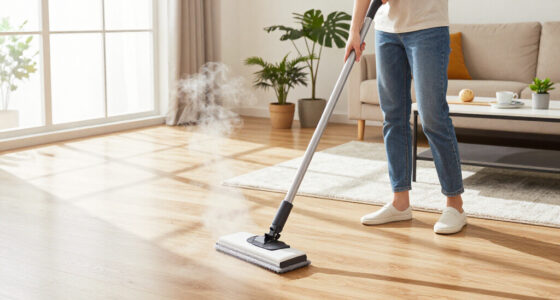
Steam mops heat water to produce hot steam that loosens dirt, grease, and germs. When you glide one over your floor, the steam penetrates surface pores, killing bacteria and lifting grime without any chemicals. Think of it like a mini steam-cleaning machine in your hand. This high heat not only cleans but also sterilizes, which is particularly important for households with children or pets. However, the effectiveness depends heavily on proper usage; too much steam or prolonged exposure can damage delicate surfaces, making understanding the correct operation crucial.
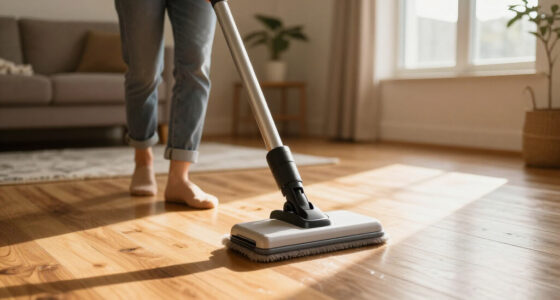
Spin mops, on the other hand, rely on microfiber or cotton heads that trap dirt and absorb water. You wring out excess moisture by spinning the mop head either manually or with a foot pedal, controlling how damp the mop stays. This physical scrubbing and absorption process is effective for removing surface dirt and light stains, but it doesn’t inherently disinfect. The tradeoff is that spin mops are gentler on surfaces and less likely to cause damage if used correctly, but they require the addition of cleaning solutions for disinfection, which adds another layer of decision-making regarding what chemicals to use and how often to replace or wash the microfiber heads.
Real-world example: When my friend spilled red wine on her sealed tile floor, a steam mop cut through the stain and disinfected in minutes, ensuring the spill was not just cleaned but also sanitized. Conversely, a spin mop managed to remove the surface stain but required extra cleaning solution and multiple passes to fully lift the stubborn red wine, illustrating how each tool’s strengths and limitations play out in everyday situations.
As an affiliate, we earn on qualifying purchases.
Which One Is Easier to Use? Real-Life Tips for Comfort & Control
Steam mops are typically straightforward: fill the water tank, turn it on, and glide. Some models are lightweight and cordless, making them easy to maneuver around furniture and tight spaces. They’re perfect if you want quick, chemical-free cleaning with minimal effort. For example, after a busy day, I can quickly steam the kitchen floor while cooking dinner, appreciating how effortless it feels to get a sanitized surface without hauling out multiple cleaning supplies.
Spin mops require manual wringing—either by twisting the mop handle or stepping on a pedal. This can be physically demanding if your floors are large or heavily soiled, but it offers precise control over moisture levels, which is critical for delicate surfaces or when you want to avoid excess water damage. Microfiber heads are washable, which means you can reuse them multiple times, saving money and reducing waste. For instance, I often use a spin mop to clean my hardwood floors because I can control the dampness precisely, preventing warping or swelling caused by excess moisture.
Practical tip: If your back or wrists aren’t as strong, a cordless steam mop might be less tiring, especially for quick spot cleans. On the other hand, if you prefer tactile control over dampness and don’t mind a bit of manual effort, a spin mop with a foot pedal provides a satisfying sense of mastery over your cleaning process, with the added benefit of being more environmentally friendly due to washable heads.
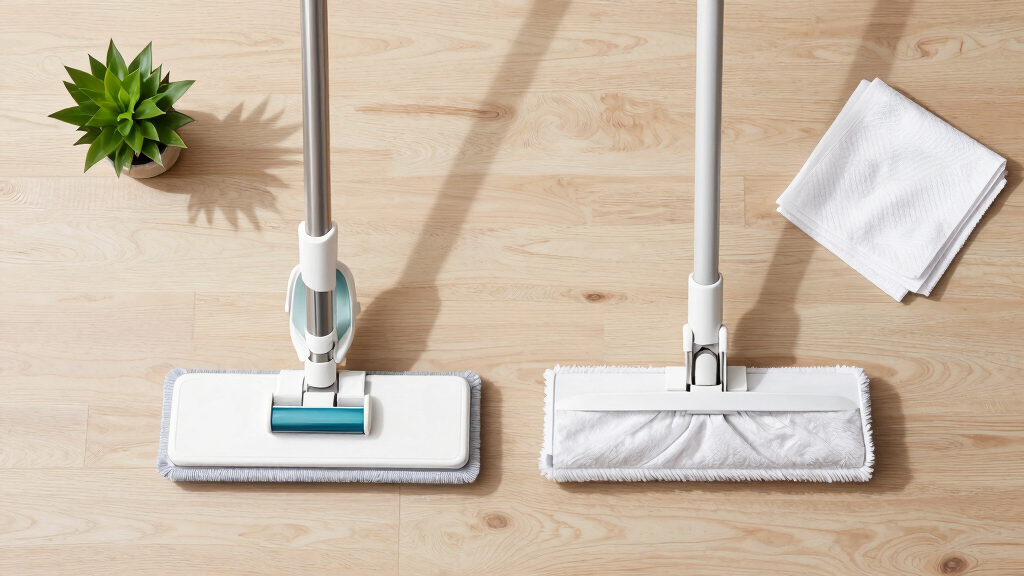
microfiber spin mop with washable head
As an affiliate, we earn on qualifying purchases.
As an affiliate, we earn on qualifying purchases.
Deep Cleaning & Disinfection: Which Mop Wins?
Steam mops excel at deep cleaning and sanitizing because they use heat to kill germs. They’re especially useful after illness or for households with kids and pets, where hygiene is paramount. The high temperature of the steam can eliminate up to 99.9% of bacteria and viruses, which is a significant advantage over traditional mops that only physically remove dirt. For example, during flu season, I use my steam mop on sealed hardwood and tile floors to disinfect without relying on chemical disinfectants, making it safer for my family and pets. However, improper use—such as excessive steaming in one spot—can cause damage or warping, especially on unsealed or sensitive surfaces. This highlights the importance of following manufacturer instructions and understanding your floor type.
Spin mops are effective for routine cleaning and quick touch-ups. They depend on cleaning solutions and physical scrubbing. While they don’t naturally disinfect, they’re versatile for daily maintenance, especially when used with disinfectant solutions. For example, I keep a bottle of disinfectant in my spin mop bucket, which I add for quick sanitization of bathroom tiles or kitchen counters, demonstrating how spin mops can be adapted for hygiene when paired with appropriate cleaning agents. The tradeoff is that they require regular replacement of microfiber heads and don’t provide the same sterilization level as heat-based methods, so for deep sanitation, additional steps are necessary.
Real-world example: During flu season, I used my steam mop on my sealed hardwood floors to sanitize without chemicals, feeling reassured by the high temperature killing germs. My neighbor, relying on her spin mop, added disinfectant to her water for similar results, showing how each tool can be part of a hygiene strategy but with different levels of effort and assurance.
As an affiliate, we earn on qualifying purchases.
Floor Compatibility: Which Mop Is Safer for Your Surfaces?
Steam mops are best for sealed surfaces like tile, vinyl, laminate, and sealed hardwood. The high heat can effectively sanitize and clean these surfaces without chemicals. However, unsealed wood, cork, or porous materials can absorb moisture or warp if exposed to excessive steam, which can lead to long-term damage. For example, I once used a steam mop on my unsealed oak floor, which caused swelling and discoloration—an experience that taught me to always check manufacturer guidelines and test in hidden areas first. Proper use and understanding surface types are critical to prevent costly damage.
Spin mops are more forgiving and versatile. They work well on textured tiles, uneven floors, and even sealed hardwoods if used carefully. The microfiber heads are gentle and adaptable, making them suitable for delicate surfaces. For instance, I use my microfiber spin mop on my hardwood floors because it effectively cleans without scratching or warping, provided I control the moisture level. This flexibility makes spin mops a safer choice for mixed surface types, but always ensure the microfiber heads are clean and used appropriately to avoid scratching or dulling surfaces.
Example: I once ruined a sealed hardwood floor by using excessive steam, which caused warping. Now, I stick to a microfiber spin mop for delicate surfaces, understanding that less aggressive cleaning methods safeguard my investment and prolong the life of my floors.
manual spin mop for quick cleaning
As an affiliate, we earn on qualifying purchases.
As an affiliate, we earn on qualifying purchases.
Maintenance & Cost: What Will You Be Paying For?
Steam mops tend to be pricier upfront—sometimes over $100—especially with advanced features like adjustable steam levels or cordless operation. They require regular descaling and water tank cleaning to prevent mineral buildup, which can impair performance over time. For example, I’ve had to descale my steam mop every few months to keep it functioning optimally, especially in hard water areas. This ongoing maintenance adds to the overall cost and effort but ensures consistent cleaning power and hygiene.
Spin mops are more budget-friendly, often under $50, making them accessible for most households. The microfiber heads are washable and replaceable, which extends their lifespan and reduces waste. The spinning mechanism is usually low-maintenance but should be cleaned regularly to prevent mold or odor buildup. For example, I replace microfiber heads every 6-12 months depending on usage, which is economical and environmentally friendly. The main expense is the initial purchase, with minimal ongoing costs, making spin mops a practical choice for those on a budget or who prefer low-maintenance tools.
Pro tip: For long-term savings, choose a spin mop with durable microfiber heads that withstand multiple washes. If you prioritize deep cleaning and sterilization, investing in a quality steam mop might be more cost-effective over time due to its superior sanitation capabilities, reducing the need for chemical disinfectants and repeated cleaning efforts.
Market Trends & New Features: What’s Changing?
Recent innovations include cordless, rechargeable steam mops with adjustable steam settings—great for quick, versatile cleaning in tight spaces or when mobility is limited. These models often feature improved filtration systems to prevent mineral buildup and extend device lifespan, reflecting a focus on convenience and durability. For example, my latest steam mop has a removable water filter that’s easy to replace, ensuring consistent steam quality and reducing maintenance worries.
Spin mops also saw upgrades: microfiber heads with higher absorbency, ergonomic handles, and improved spin mechanisms like centrifugal force for faster wringing. Eco-friendly designs emphasize washable, reusable heads to cut waste and promote sustainability. Some models now include adjustable handles and lightweight frames that reduce fatigue during longer cleaning sessions. According to Steam Mop List, these updates reflect a shift toward convenience, efficiency, and environmental consciousness in cleaning tools, making them more appealing to modern consumers.
Frequently Asked Questions
Is a steam mop safe for hardwood floors?
It depends on your floor’s finish. Sealed hardwood can handle steam, but unsealed or unfinished hardwood may warp or swell. Always check your manufacturer’s guidelines and do a patch test first.
Can I use a spin mop for disinfecting?
Not inherently. Spin mops rely on physical cleaning. To disinfect, add a suitable cleaning solution or disinfectant to the water. They’re great for routine cleaning but won’t sanitize on their own.
Which mop should I pick for pet hair and dander?
A microfiber spin mop is excellent for trapping pet hair and dander. The microfiber material picks up fine particles easily. For deep cleaning, a steam mop can disinfect pet areas without extra chemicals.
Are cordless models as powerful as corded ones?
Many cordless steam mops now offer comparable performance with rechargeable batteries, but they might have shorter run times. Check battery life and steam output before buying.
How often should I replace microfiber heads?
Depending on usage, wash microfiber heads after every few cleanings. Replace them when they show signs of wear, fraying, or loss of absorbency—typically every 6-12 months for regular use.
Conclusion
Choosing between a steam mop and a spin mop boils down to your cleaning priorities: deep, hygienic sanitation or quick, everyday routines. Both can keep your floors looking great—just in different ways.
Think about your surfaces, how often you clean, and your budget. That small decision can make your cleaning simpler, safer, and more effective—and maybe even turn it into a less burdensome chore.
Halloween Picks
halloween
As an affiliate, we earn on qualifying purchases.