TL;DR

Get cleaning gear delivered free with Prime
- Fast, free delivery on millions of items
- Prime Video, Amazon Music and more included
- Member-only deals all year
Steam mops excel at sanitizing and cleaning with hot steam, reducing chemicals. Regular mops are versatile and often more budget-friendly. Your choice depends on surface type and cleaning needs.
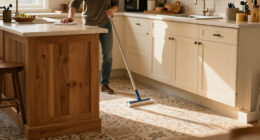
Imagine walking into a kitchen after a messy dinner. You want your floors spotless, germ-free, and fresh but don’t want to drown your space in chemicals. That’s the core debate: steam mop vs regular mop. Each tool promises a cleaner home, but which one actually delivers better results for your specific floors?
In this guide, we’ll cut through the hype. You’ll learn how these mops work, their strengths and weaknesses, and real-world scenarios that show which option fits your cleaning style. Whether you’re battling stubborn stains or just want a quick, hygienic wipe-down, understanding the differences helps you make smarter choices.
Steam mops disinfect and loosen dirt with hot steam, reducing reliance on chemicals.
Regular mops offer more flexibility on different surfaces, especially unsealed or delicate floors.
Test your floor with a small patch before using a steam mop to avoid damage.
Replacing microfiber pads regularly keeps your steam mop performing at its best.
Balance convenience, cost, and surface type when choosing your cleaning tool.
What Makes a Steam Mop Actually Better at Cleaning?
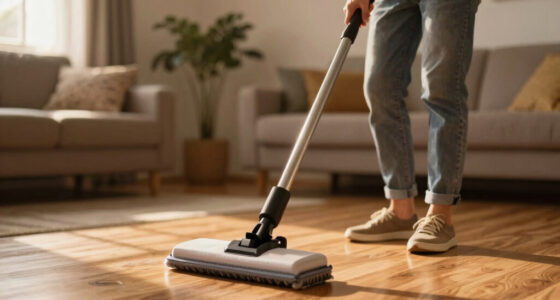
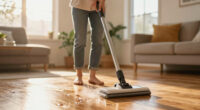
Steam mops use superheated water vapor to loosen dirt, grime, and bacteria. This means fewer scrubbing efforts and a more hygienic clean—perfect for households with kids or pets.
Take a look around your kitchen. When you spill juice or sauce, a quick pass with a steam mop melts away sticky messes and kills germs at the same time. The heat penetrates deep into crevices and grout lines, breaking down stubborn buildup.
While regular mops rely on water and cleaning solutions, steam mops deliver a hot, powerful blast. It’s like having a mini steam-cleaning system in your hand that transforms your cleaning routine.
The significance of this is that hot steam not only cleans but also sanitizes surfaces without the need for harsh chemicals, which is especially valuable for allergy sufferers or eco-conscious households. However, this power comes with tradeoffs: steam mops may struggle on unsealed or delicate surfaces, risking damage if used improperly. Therefore, understanding the material and sealing of your floors is crucial to harnessing their full potential without unintended harm.
Deepening this, the heat and moisture work synergistically to break down oils, grease, and bacteria. The high temperature denatures proteins in bacteria, effectively killing germs on contact, which traditional mops can only achieve through chemical disinfectants. This means a safer, chemical-free environment, especially important for households with children or pets. But this also implies a need for caution: not all surfaces are suitable for such heat and moisture. Using a steam mop on unsealed wood or delicate tiles could cause warping, swelling, or discoloration, highlighting the importance of knowing your surface materials. The environmental benefit is significant—less reliance on chemical cleaners reduces chemical runoff and exposure, contributing to healthier indoor air quality and eco-friendly cleaning practices.
As an affiliate, we earn on qualifying purchases.
How Do Regular Mops Still Hold Their Ground?
Regular mops rely on water combined with cleaning solutions to physically lift dirt from your floors. They’re versatile and work on many surfaces—wood, tile, vinyl, or laminate—if you choose the right cleaning agent.
Imagine mopping your hardwood floor with a microfiber head soaked in a gentle cleaner. It’s straightforward, familiar, and effective for daily upkeep.
Plus, regular mops can handle more delicate surfaces that steam mops might damage. A poorly applied steam session on unsealed wood could cause warping or swelling, so knowing your floor type matters.
Beyond surface compatibility, traditional mops offer the advantage of control. You can adjust the amount of moisture and cleaning solution based on the stain or dirt level, which is critical for sensitive or aged floors. This flexibility allows you to tailor your cleaning approach, ensuring effective stain removal without risking damage. For example, on unsealed wood, excessive moisture can seep into pores and cause swelling or warping, which is irreversible. The physical action of scrubbing with a regular mop also allows for targeted removal of stubborn stains—something that steaming alone might not achieve without risking surface damage. This control over moisture and cleaning agents means you can prevent over-wetting, a common cause of long-term floor damage, especially on porous or delicate surfaces. However, they often require more effort and may not sanitize as effectively without added disinfectants, which can be a downside for those prioritizing hygiene. The ability to customize cleaning solutions and moisture levels makes traditional mops a safer, more adaptable choice for delicate or older floors, but it also underscores the importance of understanding your flooring material to avoid unintended harm.
As an affiliate, we earn on qualifying purchases.
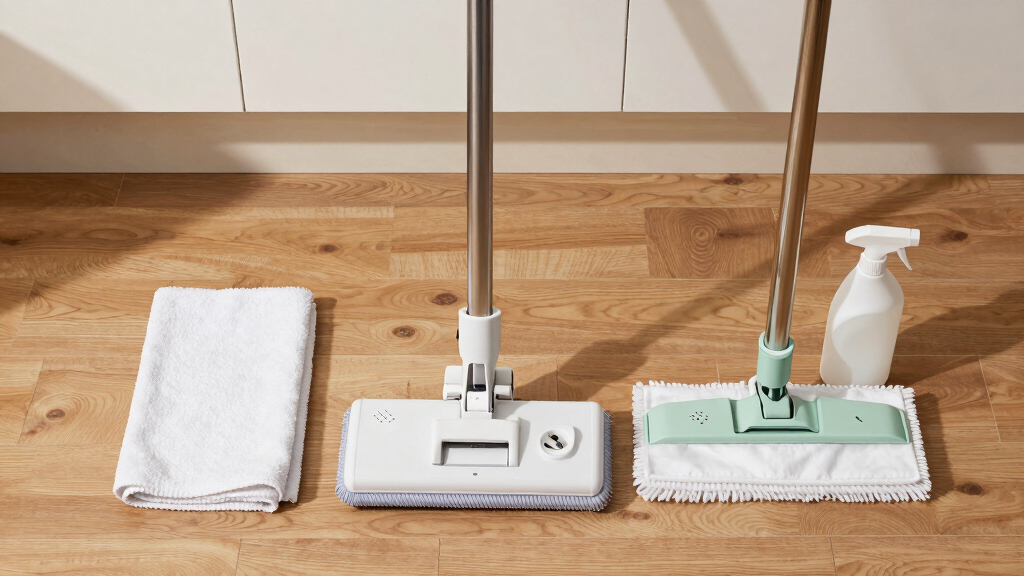
Compare These Two Cleaning Powerhouses Side-by-Side
| Feature | Steam Mop | Regular Mop |
|---|---|---|
| Cleaning Effectiveness | Loosens dirt with hot steam, kills bacteria, excellent on sealed surfaces | Physically lifts dirt with water and cleaning solutions, depends on scrub power |
| Sanitization | Kills up to 99.9% of germs without chemicals | Requires disinfectants, effectiveness varies based on solution and scrubbing |
| Ease of Use | Lightweight, no mixing, quick setup, minimal effort | Wringing, changing water, may be messier and more labor-intensive |
| Surface Compatibility | Best on sealed floors; avoid unsealed or delicate surfaces to prevent damage | Suitable for most surfaces with appropriate cleaning solutions, including unsealed or delicate floors |
| Cost | Higher upfront investment but lower ongoing costs due to no need for chemicals | Lower initial cost but ongoing expenses for cleaning solutions and replacement pads |
| Environmental Impact | Uses only water, no chemicals, making it eco-friendly | Relies on chemical cleaners, which may have environmental considerations |
Providing a clear comparison, this table helps you understand not just the surface-level features but also the broader implications—cost, environmental impact, and safety. For instance, choosing a steam mop might mean investing more initially but saving on chemicals and reducing environmental footprint over time. Conversely, traditional mops are more budget-friendly upfront but can contribute to chemical buildup and waste. These factors influence long-term health, safety, and ecological considerations, making this comparison crucial for informed decision-making.
As an affiliate, we earn on qualifying purchases.
3 Practical Tips for Getting the Most Out of Your Steam Mop
- Test a hidden spot: Always try on a small, inconspicuous area first to check for damage or discoloration. This step prevents costly mistakes and ensures your floors can handle the heat without adverse effects.
- Use distilled water: Prevent mineral buildup and prolong your steam mop’s lifespan by avoiding tap water, especially in areas with hard water. Mineral deposits can clog the steam vents and reduce efficiency, leading to more frequent maintenance or replacement.
- Keep the pads clean: Regularly wash microfiber pads or replace them to maintain optimal dirt pickup and hygiene. Dirty pads can harbor bacteria and diminish cleaning effectiveness, negating some hygienic benefits of steam cleaning.
For example, after a week of diligent use and proper maintenance, my steam mop continued to perform flawlessly, ensuring a hygienic, streak-free shine without introducing new problems like odors or residue.
As an affiliate, we earn on qualifying purchases.
When Does a Regular Mop Still Outshine a Steam Mop?
Regular mops shine when dealing with textured or unsealed surfaces, like certain hardwoods or vintage tiles. The porous or delicate nature of these surfaces makes the intense heat and moisture of steam mops risky, potentially causing warping, swelling, or discoloration. In such cases, traditional mopping with a damp cloth and suitable cleaning solutions provides a gentler, more controlled approach.
For instance, a stubborn coffee spill on unsealed wood benefits from a gentle blot and mild cleaner rather than steam, which might seep into unsealed pores and cause long-term damage. The physical action of scrubbing with a regular mop allows for targeted stain removal without risking structural harm.
Additionally, in areas where water damage or moisture retention could be problematic, traditional mopping offers better control over the amount of water used. This precision prevents unintended harm, making regular mops a safer choice for delicate or porous surfaces. Recognizing these nuances helps you preserve your floors’ integrity while maintaining cleanliness, ensuring you choose the right cleaning method for each specific surface and stain type.
Frequently Asked Questions
Can I use a steam mop on hardwood floors?
Steam mops are best on sealed, hard surfaces. Using one on unsealed or unfinished hardwood can cause warping or swelling. Always check your manufacturer’s guidelines and test a small area first.
Do steam mops kill germs better than regular mops?
Yes, steam mops can kill up to 99.9% of bacteria and germs without chemicals, thanks to high-temperature steam. Regular mops need disinfectants to achieve similar sanitization.
How often should I replace the microfiber pads?
Replace or wash microfiber pads every 3-5 uses or when they show signs of dirt or odor. Clean pads ensure maximum dirt pickup and hygiene.
Are steam mops more expensive upfront?
Yes, but they can save money over time by reducing the need for chemical cleaners. Consider the long-term savings and hygiene benefits when choosing.
Which is safer for delicate floors: steam or regular mopping?
Regular mops are generally safer for delicate floors like unsealed wood, as they allow better control over moisture and heat. Steam mops should be used cautiously and only on sealed surfaces.
Conclusion
Choosing between a steam mop and a regular mop hinges on your floor type and cleaning priorities. If hygiene and chemical-free cleaning matter most, a steam mop can be a game-changer. But for versatility and delicate surfaces, regular mops still hold their ground.
Remember: always test first, and know your floors. The best clean isn’t just about tools—it’s about using them wisely and safely. Your floors will thank you with every sparkle and fresh scent.
Fall Picks
fall essentials
As an affiliate, we earn on qualifying purchases.