TL;DR

Get cleaning gear delivered free — and shop member deals
- Fast, free delivery on millions of items
- Access to Prime Big Deal Days deals on October 6–7
- Prime Video, Amazon Music and more included
Steam mops smell bad mainly due to bacterial growth, mold, or mineral buildup in the water tank. Regular cleaning, drying, and using the right water can prevent odors and extend your device’s lifespan.
Always rinse and dry your steam mop after each use to prevent mold and bacteria.
Run a vinegar cleaning cycle weekly to descale and disinfect the internal parts, preventing odors and prolonging your device’s lifespan.
Use distilled or filtered water to reduce mineral buildup that promotes odors and scale formation.
Replace or wash mop pads regularly to remove trapped grime and microbial colonies that cause odors.
Modern features like antimicrobial coatings and self-cleaning cycles help keep your device odor-free, but routine maintenance remains essential for optimal per…
What Makes Your Steam Mop Smell Like Old Socks?
Steam mops are basically tiny, humid environments. When moisture lingers, bacteria and mold love to set up camp. If you’ve ever left your mop standing with wet pads or stagnant water, you’ve given germs a perfect home. Residual dirt, debris, or mineral deposits from hard water can also produce unpleasant smells. Imagine a sponge left damp for days — that’s what’s happening inside your mop if you don’t clean it regularly.
For example, after a week of use without rinsing the water tank or drying the mop head, you might notice a sour, musty odor. That’s bacteria fermenting inside, especially if you use tap water high in minerals. The implications are significant: these microbial colonies don’t just cause smells; they can also compromise the hygienic quality of your cleaning routine, potentially spreading bacteria onto your floors. The tradeoff is between convenience and hygiene—neglecting regular cleaning saves time but can lead to persistent odors and health concerns over time. Regular maintenance prevents these issues, ensuring your device remains safe and effective.
As an affiliate, we earn on qualifying purchases.
How to Eliminate Odor: 5 Easy Fixes You Can Do Today
- Empty and rinse the water tank after every use. Leaving water inside encourages bacterial growth, which is the primary cause of odors. Rinsing with hot water helps remove mineral residues and reduces microbial presence, directly impacting odor formation and extending the lifespan of your device.
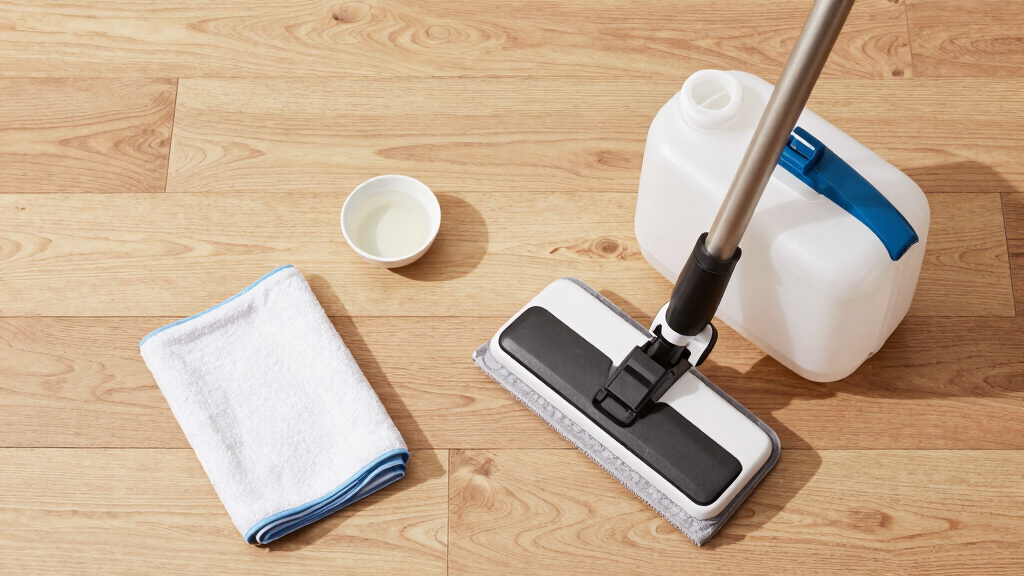
- Run a vinegar cycle weekly. Filling the tank with equal parts distilled water and white vinegar creates an environment hostile to bacteria and dissolves mineral deposits. This process is crucial because mineral buildup can act as a breeding ground for microbes, and if neglected, can lead to persistent, difficult-to-remove odors. Regularly performing this cycle ensures your mop remains hygienic and efficient, reducing the need for harsher chemicals and preventing long-term damage.
- Dry all components thoroughly. After cleaning, wipe down the mop head and air dry all parts. Moisture trapped inside not only fosters mold and bacteria growth but can also cause corrosion of internal components over time. Ensuring complete dryness is a simple yet effective way to break the microbial cycle, preserve your device’s integrity, and maintain a fresh smell.
- Replace or wash mop pads regularly. Dirty pads trap grime, bacteria, and odors. Washing them in hot water with detergent or replacing them prevents these microbial colonies from establishing themselves. This step is especially important because pads are in direct contact with surfaces and can reintroduce odors if not properly maintained, affecting overall hygiene and smell.
- Use distilled or filtered water. Hard tap water contains minerals that settle inside your device, creating a scale that provides a breeding ground for bacteria. Switching to softer, distilled water reduces mineral deposits, which in turn minimizes bacterial growth and odor development. This preventative measure extends the lifespan of your mop and keeps smells at bay, saving you time and effort in the long run.
As an affiliate, we earn on qualifying purchases.
Frequently Asked Questions
Why does my steam mop smell even after I clean it?
Persistent odors often come from hidden mold, bacteria, or mineral deposits inside the tank or mop head. Regular deep cleaning and drying help eliminate these sources, but understanding why they persist can help you target the root cause and prevent future issues.How often should I clean my steam mop to prevent odors?
It’s best to rinse and dry the mop after each use. Conduct a thorough vinegar cycle weekly and replace mop pads as needed. These practices not only prevent odors but also maintain the efficiency and lifespan of your device.Can I use bleach or harsh chemicals to clean my steam mop?
Most manufacturers advise against bleach, as it can damage internal parts and void warranties. While bleach is a strong disinfectant, it can corrode sensitive components and leave harmful residues. Instead, use vinegar or manufacturer-approved solutions, which effectively disinfect without risking damage or safety hazards.What’s the best way to prevent my steam mop from smelling?
Keeping water fresh with distilled or filtered water minimizes mineral deposits. Dry all components thoroughly after each use to prevent mold and bacterial growth. Regularly replacing or washing mop pads removes grime and microbial colonies that cause odors. These combined practices create a multi-layered approach that effectively prevents persistent smells.Are newer steam mop models less prone to odors?
Models equipped with antimicrobial coatings or self-cleaning features are designed to resist microbial buildup, reducing odor formation. However, these features are supplementary; routine cleaning and maintenance are still necessary. Relying solely on advanced features without proper upkeep can lead to odors over time, so consistent care remains essential regardless of technology.As an affiliate, we earn on qualifying purchases.
Conclusion
A clean, odor-free steam mop isn’t magic — it’s routine. Simple habits like drying thoroughly and running vinegar cycles keep smells away and your device working at its best. Think of your mop as a trusted partner: a little upkeep makes all the difference in keeping your home fresh and your floors spotless.As an affiliate, we earn on qualifying purchases.
Halloween Picks
halloween
As an affiliate, we earn on qualifying purchases.