TL;DR

Get cleaning gear delivered free with Prime
- Fast, free delivery on millions of items
- Prime Video, Amazon Music and more included
- Member-only deals all year
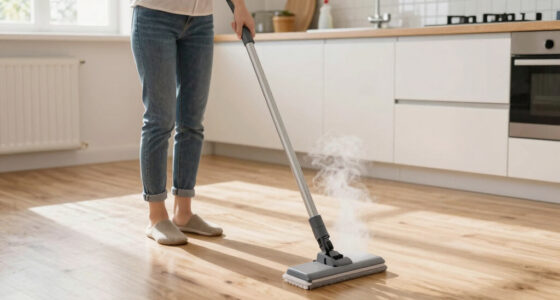
Storing your steam mop correctly involves thorough drying, cleaning the water tank, organizing accessories, and choosing a suitable location. Proper storage prevents mold, damage, and performance loss.
Always dry your steam mop thoroughly after each use to prevent mold and odors.
Empty and clean the water tank regularly, especially if mineral buildup occurs.
Store the device upright in a cool, dry place away from humidity and extreme temperatures.
Organize accessories properly, keeping pads and tools clean and dry.
Wrap the power cord loosely and store it safely to prevent damage.
Why Drying Your Steam Mop Properly Matters More Than You Think
Drying your steam mop thoroughly is the most critical step before storage. A damp pad or residual water inside creates a breeding ground for mold, mildew, and unpleasant odors. Imagine your mop sitting in a closet, slowly developing a musty smell that spreads every time you pull it out. To prevent this, empty the water tank after each use and wipe down all surfaces with a dry cloth. Let it sit in a well-ventilated area for at least a few hours — some owners leave it overnight to ensure all moisture evaporates.
Why does this matter? Because residual moisture can lead to hidden microbial growth that not only causes odors but can also compromise internal components over time. Mold spores can settle into internal crevices, making the device harder to clean later and potentially causing health concerns if inhaled. Additionally, moisture trapped inside can accelerate corrosion of metal parts, shortening the device’s overall lifespan. Proper drying is a simple, yet essential, tradeoff: sacrificing a few hours for peace of mind and extended device longevity.
As an affiliate, we earn on qualifying purchases.
Step-by-Step: How to Empty and Clean Your Water Tank Correctly
- Turn off and unplug your steam mop. Safety first.
- Open the water tank lid and carefully pour out any remaining water into the sink. This prevents residual water from stagnating, which can lead to bacterial growth and mineral deposits that impair performance.
- Use a soft cloth or sponge to wipe inside the tank, removing mineral deposits or residue. This step is crucial because mineral buildup can clog internal channels, reducing steam output and efficiency. Regular cleaning ensures consistent performance and prevents costly repairs.
- If mineral buildup is visible or you notice reduced steam, fill the tank halfway with a mixture of equal parts water and white vinegar. Let it sit for 15 minutes to dissolve deposits. Rinse thoroughly afterward to remove vinegar residue. This descaling process helps maintain optimal heating and steam production, avoiding the need for expensive repairs and ensuring your device remains hygienic.
Consistently maintaining a clean water tank not only prolongs your steam mop’s lifespan but also ensures that every cleaning session delivers the same high-quality results. Neglecting this step can lead to clogging, reduced steam output, and increased risk of bacterial contamination, which can compromise your health and the device’s longevity.
As an affiliate, we earn on qualifying purchases.
Organize and Store Accessories So They Stay Clean and Ready
Cleaning pads, brushes, and attachments shouldn’t be tossed in a drawer dirty or damp. Instead, wash them with mild soap and warm water after each use. Let them dry completely before storing. This prevents mold and bacterial growth, which thrive in damp environments and can cause unpleasant odors or damage to the tools. Keeping accessories in a dedicated container or a labeled bag not only maintains hygiene but also makes it easier to find what you need quickly, saving you time and frustration.
Imagine reaching for a clean, dry pad every time — it not only improves cleaning efficiency but also reduces the risk of spreading dirt or mold onto your floors. Proper organization ensures that your tools stay in good condition, avoiding the need for frequent replacements or deep cleaning. It’s a small investment of effort that pays off by extending the lifespan of your accessories and maintaining a hygienic cleaning routine.
As an affiliate, we earn on qualifying purchases.
Where and How to Store Your Steam Mop for Maximum Safety and Longevity
| Location | Why It Matters |
|---|---|
| Cool, dry closet | Prevents rust, mold, and damage from humidity or heat. Excess moisture accelerates corrosion of metal parts and fosters mold growth, both of which can impair functionality and pose health risks. Keeping the device in a dry environment minimizes these risks, ensuring the internal components and exterior remain in good condition over time. |
| Upright position | Maintains structural integrity and prevents leaks or falls. Storing upright helps keep internal seals tight and prevents water from settling in areas that could cause leaks or internal damage. It also reduces the risk of accidental tipping that could damage delicate components or cause safety hazards. |
| Avoid damp basements or garages | Excess moisture accelerates wear and invites mold growth. Damp environments expose your device to humidity that can corrode metal parts, promote mold on external surfaces, and deteriorate plastic components. Choosing a dry, ventilated space extends the life of your steam mop and keeps it ready for use when needed. |
Many users prefer storing their steam mop upright in a closet, ensuring stability and reducing accidental damage. For cordless models, keep the battery in a cool, dry place away from direct sunlight, and avoid storing the device with a hot or humid environment nearby. Proper storage conditions are essential to prevent internal deterioration and maintain peak performance for years to come.
As an affiliate, we earn on qualifying purchases.
How to Secure the Power Cord and Storing It Safely
Wrapping the cord loosely prevents damage and tripping hazards. Use built-in cord hooks or clips on your storage area to keep the cable tidy. Avoid wrapping it tightly around the mop, which can strain the cord and cause internal wire damage over time. A tightly wound cord can develop kinks or cracks, leading to electrical failures or exposed wires that pose safety risks. Using gentle loops and securing them loosely ensures the cord remains flexible and intact.
For example, a homeowner who used Velcro straps found that their cord stayed longer and was easier to manage, reducing the risk of internal wire damage. Proper cord management not only prolongs the lifespan of your appliance but also minimizes safety hazards like tripping or electrical shorts, especially in cluttered storage areas.
Upright vs. Horizontal Storage — Which Is Better, and Why?
| Upright Storage | Horizontal Storage |
|---|---|
| Recommended by most manufacturers. | Can be used if space is limited, but risks damage to delicate parts. |
| Prevents leaks, maintains shape, and reduces dust accumulation. | Allows easy access to water tank and accessories, but can cause pressure on internal components. |
Think of it like storing a fine wine — upright keeps everything in balance. If you have limited space, store horizontally but check your manufacturer’s guidance to avoid damaging internal seals or components. Horizontal storage can sometimes put pressure on internal parts or seals, especially if not designed for it, leading to leaks or breakage over time. Consider your device’s construction and your storage space carefully to choose the best orientation that preserves functionality and avoids costly repairs.
Common Mistakes That Shorten Your Steam Mop’s Life
Leaving water in the tank overnight or ignoring buildup can cause mineral deposits and bacterial growth. Storing the mop in damp areas invites rust and mold, which can damage internal components and degrade performance. Using non-compatible cleaning pads or ignoring manufacturer instructions can damage surfaces or internal parts. For example, a user stored their mop in a humid garage, which led to corrosion on the metal parts after just six months. These mistakes accelerate wear, reduce efficiency, and can lead to costly repairs or replacements.
Always follow the guidelines, and if in doubt, test a small area or consult the manual. Proper storage habits, like thorough drying, cleaning, and choosing the right environment, are simple but effective ways to extend your device’s lifespan and ensure it performs well for years to come.
Frequently Asked Questions
How long should I let my steam mop dry before storing it?
Aim for at least 2-4 hours in a well-ventilated space. If possible, leave it overnight to ensure every part is completely dry, especially in humid conditions.Can I store my steam mop lying flat?
Most manufacturers recommend storing it upright to prevent internal damage and leaks. Check your manual, but upright is generally safest.What should I do if my steam mop has mineral deposits?
Use a mixture of equal parts water and white vinegar to descale the tank. Fill, let sit for 15 minutes, then rinse thoroughly before storing.Is it okay to leave water in the tank overnight?
No. Always empty the tank after use. Residual water can lead to bacterial growth and mineral buildup, reducing efficiency.How do I store accessories and pads?
Wash and dry them thoroughly, then keep them in a clean, dry container or bag. This prevents mold and keeps them ready for next time.Conclusion
Think of your steam mop as a delicate tool that rewards careful storage with longer life and better performance. A few simple habits — drying, cleaning, organizing — turn maintenance into an easy, automatic routine. Next time you put it away, imagine it smiling back at you, ready to tackle messes the moment you need it again.Fall Picks
fall essentials
As an affiliate, we earn on qualifying purchases.