
TL;DR

Get cleaning gear delivered free — and shop member deals
- Fast, free delivery on millions of items
- Access to Prime Big Deal Days deals on October 6–7
- Prime Video, Amazon Music and more included
Most steam mops should be descaled every 1–3 months, but it varies. Watch for reduced steam output or uneven spraying. Use manufacturer-approved methods, and consider water hardness for best results.
When was the last time you thought about your steam mop’s inside? If you’re relying on it weekly, mineral buildup from tap water can quietly choke its steaming power. Descaling isn’t just maintenance — it’s the secret to keeping your floors clean and your machine running smoothly. Understanding when and how often to descale saves money, extends your appliance’s life, and keeps your home sparkling.
There’s no magic number for everyone. It depends on your water type, how often you use it, and what your manual recommends. But knowing the warning signs and basic rules makes all the difference. Let’s break down exactly how to keep your steam mop in top shape without unnecessary guesswork.
Most steam mops need descaling every 1–3 months, but water hardness and use frequency matter more than the clock.
Watch for signs like reduced steam, white residue, or sputtering — these indicate it’s time to descale.
Always follow your manufacturer’s instructions for descaling, and never use unapproved chemicals like vinegar unless explicitly permitted.
Using distilled or low-mineral water can drastically slow scale buildup, especially in hard-water areas.
Regular maintenance extends your steam mop’s life and keeps your floors spotless.
How Often Should You Descale a Steam Mop?
Most steam mops need descaling every 1–3 months—but water hardness, usage, machine design, and warning signs matter more than the calendar. Timely maintenance protects steam power, heating efficiency, and appliance life.
Inspect performance first. Reduced steam, sputtering, longer heat-up times, or white residue mean maintenance may be due now.
Match the schedule to your water and routine
Scale forms when calcium and magnesium compounds settle in the tank, boiler, channels, and steam outlets. More minerals and more heating cycles produce buildup faster.
Best suited to occasional use with low-mineral water—provided the appliance manufacturer permits that water type.
The standard range for a steam mop used about once a week under average household conditions.
Frequent use and mineral-rich water justify closer inspection and a substantially shorter maintenance cycle.
The owner’s manual overrides every general schedule
Models with anti-scale cartridges may need filter replacement rather than liquid descaling. Follow the specified interval and method.
Warning signs beat the calendar
Steam loss is often the earliest clue. As deposits narrow internal channels and insulate heating components, the mop must work harder to produce less consistent steam.
Signals that call for an early check
Respond before restricted flow becomes overheating, component stress, or a premature replacement.
Important diagnostic: weak steam can also come from an incorrectly fitted tank, insufficient heat-up time, a clogged nozzle, or a failed pump. Descaling cannot repair a mechanical or electrical fault.
Water hardness sets the pace
Check your local water supplier’s report or use a test strip. White deposits around faucets and kettles are another practical clue that scale may develop quickly.
Scale-formation pressure
As mineral concentration rises, the recommended inspection and maintenance interval contracts.
Key insight: visible or performance-affecting mineral deposits can begin developing in as little as two weeks in hard-water areas with regular use.
Water types are not interchangeable
| Condition | Scale pressure | Suggested interval | Best response |
|---|---|---|---|
| Occasional use + low-mineral water | ✓Lower | Every 3–6 months | Inspect before descaling |
| Weekly use + moderate hardness | ~Moderate | Every 1–3 months | Use the normal maintenance cycle |
| Frequent use + hard tap water | !High | Every 2–4 weeks | Test water and inspect often |
| Anti-scale cartridge model | ~Managed | As specified | Replace or maintain the cartridge |
A six-step, manual-first workflow
Maintenance procedures vary. Some machines use a rinse cycle, some need an approved descaler, and others rely on a replaceable filter. Never improvise inside a hot or pressurized appliance.
Can you use vinegar?
Only when the manufacturer explicitly approves it. Acids may damage seals, tubing, coatings, adhesives, heating components, or tank materials—and could affect warranty coverage.
Never improvise
“Natural” does not automatically mean compatible.
- Never mix vinegar with bleach or chlorine products.
- Never open a hot, pressurized boiler.
- Never probe steam holes with sharp objects.
- Never add unapproved detergent, acid, or descaler.
The maintenance chain
Why Descaling Is a Must for Your Steam Mop’s Health
Descaling isn’t just about avoiding white powder or mineral spots. It’s vital for your mop’s efficiency because mineral buildup inside the boiler and steam outlets can significantly compromise performance. Calcium and magnesium from tap water form scale that insulates heating elements, making them work harder and longer to produce steam. This not only wastes energy but can cause the motor to overheat or fail prematurely.
Imagine trying to blow through a clogged straw — that’s what a scale-packed steam outlet feels like. Over time, these blockages can cause sputtering, uneven steam distribution, or complete failure of the steaming mechanism. Regular descaling acts as preventive medicine, ensuring your appliance remains responsive and effective. Ignoring this can lead to costly repairs or the need to replace your mop sooner than expected. So, by understanding the importance of descaling, you’re investing in the longevity of your device and the quality of your cleaning routine.
As an affiliate, we earn on qualifying purchases.
How Often Should You Descale a Steam Mop? The Real Rule of Thumb
The truth? It varies based on several factors. Most steam mops should be descaled every 1 to 3 months. But this is a general guideline; the actual frequency depends on your water hardness and how often you use the device. Hard water contains more minerals, which accelerate scale formation, while frequent use increases mineral accumulation inside the machine. If you neglect regular descaling, mineral deposits can clog internal channels, reduce steam output, and cause uneven cleaning performance.
For example, in areas with hard water, waiting 3-4 months could lead to significant buildup, reducing efficiency and risking damage. Conversely, in soft-water regions, a 6-month interval might be sufficient. Regularly inspecting your mop and paying attention to signs like reduced steam or sputtering can help you decide when to descale, preventing damage and maintaining optimal cleaning power. Striking the right balance is key: too frequent descaling can be unnecessary, but waiting too long can cause performance issues and costly repairs. Ultimately, understanding your water quality and usage pattern helps you develop a maintenance schedule that preserves your investment and keeps your floors spotless.
As an affiliate, we earn on qualifying purchases.
Signs Your Steam Mop Needs Descaling — Don’t Ignore These Clues
Notice your steam suddenly weak or sputtering? That’s a red flag signaling mineral buildup. Reduced steam output means the internal channels are likely clogged or the heating element is struggling to reach optimal temperatures. White flakes or residue on your floors indicate mineral deposits escaping through the steam vents. A burning smell or longer heating times can also suggest scale is insulating the heating element, causing it to overwork and potentially overheat.
Imagine trying to steam-clean with a clogged straw — your floors won’t get shiny, and your frustration will grow. Recognizing these signs early is crucial because it allows you to address the problem before internal components suffer irreversible damage. If ignored, mineral buildup can lead to costly repairs or the need for a replacement. Regularly inspecting your mop and responding promptly to these symptoms can extend its lifespan and ensure your cleaning remains effective. Remember, a loss of steam is often the earliest warning — acting quickly can save you money and hassle down the line.
As an affiliate, we earn on qualifying purchases.
Water Hardness: The Hidden Enemy That Accelerates Scale
Hard water is packed with calcium and magnesium, which settle inside your steam mop much faster than soft water. If you live in an area with high mineral content — like many parts of Texas or California — mineral deposits can begin forming within just 2 weeks of regular use. This rapid buildup can severely impair your mop’s function, reducing steam output and increasing energy consumption.
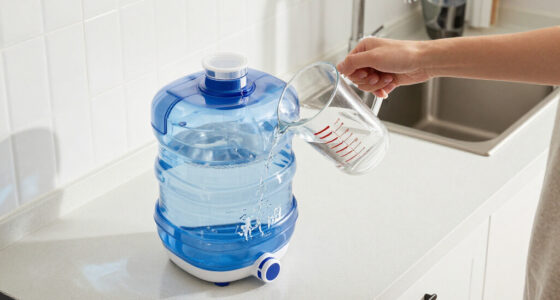
Use a simple test strip or check your faucet for white deposits—these are clear indicators of hard water. If your water tests hard, consider switching to distilled or demineralized water, if your model permits. Using the right type of water is a tradeoff: distilled water minimizes scale but may be more costly and less convenient, while tap water is more accessible but accelerates mineral buildup. The key is to weigh these factors and choose the best approach for your situation. Think of it like trying to clean a greasy pan with soap versus baking soda — the right water makes cleaning easier, more efficient, and less damaging to your appliance over time.
manufacturer approved steam mop cleaner
As an affiliate, we earn on qualifying purchases.
As an affiliate, we earn on qualifying purchases.
The Best Way to Safely Descale Your Steam Mop
Follow your manufacturer’s instructions first. Most safe descaling steps include:
- Unplug the mop and let it cool completely to avoid burns or damage.
- Empty the water tank to prevent mixing chemicals with residual water.
- Clean or unblock steam outlets with the provided tool or a soft brush to ensure unobstructed steam flow.
- Run an approved descaling or rinse cycle, if your model offers this feature, to dissolve mineral deposits.
- Replace or clean any anti-scale filters or cartridges according to the manual’s recommendations.
- Flush the system with clean water as directed, ensuring all descaling residues are removed.
Never open a hot boiler or probe steam holes with sharp objects, as this can cause damage or leaks. Always use manufacturer-approved chemicals or methods—using incompatible substances can void your warranty and compromise safety. Properly following these steps ensures thorough cleaning while protecting your device’s integrity and longevity.
Can You Use Vinegar or Other DIY Solutions? Here’s When It’s Safe
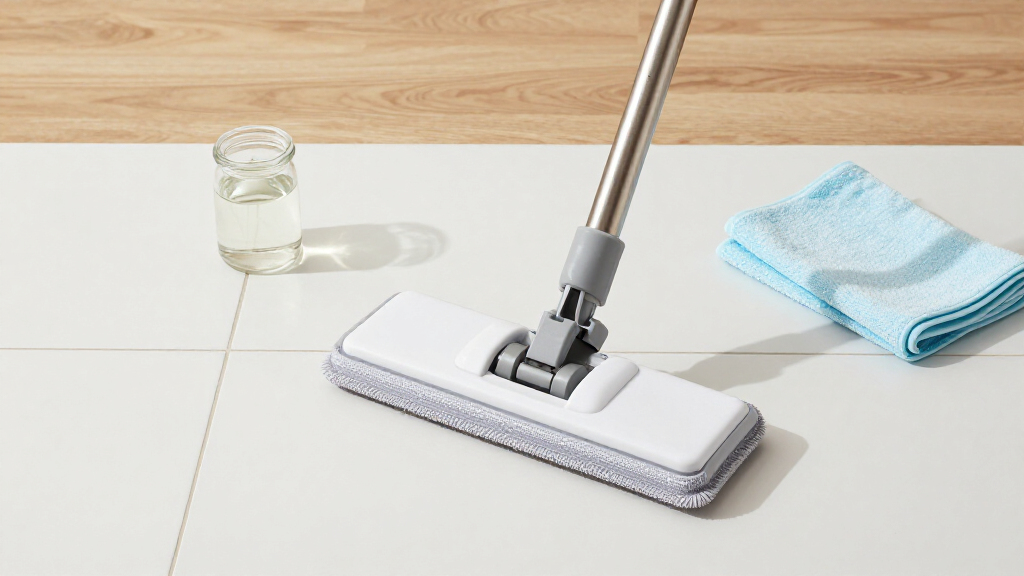
Vinegar can be an effective natural descaler because it dissolves mineral deposits, but only if your manual explicitly approves its use. Many manufacturers warn against acids like vinegar because they can damage seals, tubing, or coatings over time, especially if used frequently or in high concentrations. Using unapproved solutions risks voiding your warranty and causing costly repairs.
If your manual permits vinegar, dilute it 1:1 with water—this weak solution minimizes potential damage while still breaking down mineral deposits. Run it through the system, then rinse thoroughly with clean water to remove any residual acidity. Never mix vinegar with bleach or other harsh chemicals, as dangerous gases can form, posing health risks and damaging your machine. Think of it like using vinegar on delicate plants—effective but only under the right conditions and with proper knowledge. When in doubt, stick to manufacturer-approved methods to ensure safety, performance, and warranty coverage.
New Tech Features That Reduce Descaling Hassle
Many new steam mops come equipped with features like replaceable mineral filters, electronic indicators, or automatic self-cleaning cycles. These innovations aim to make maintenance easier and more effective, but they don’t eliminate the need for regular descaling. For instance, a model with a mineral cartridge can significantly slow mineral buildup, but over time, deposits will still accumulate and require attention. Self-cleaning cycles can help flush out deposits but depend on proper use and regular manual checks to be truly effective.
Understanding these features helps you leverage their benefits and recognize their limits. Even the most advanced models need periodic manual intervention to ensure optimal performance. Regularly inspecting your device and following recommended maintenance routines remains essential to prevent scale buildup, prolong your machine’s lifespan, and keep your floors shining.
Practical Tips to Keep Your Steam Mop Running Smoothly
- Always empty the water tank after use unless the manual says otherwise. Storing with water inside can promote mineral deposits and mold growth.
- Use the recommended water type — usually tap, filtered, or distilled — to minimize mineral buildup and optimize performance.
- Replace filters and cartridges on schedule to maintain the efficacy of anti-scale features and prevent clogging.
- Run a descaling cycle periodically, especially in hard-water areas, to dissolve accumulated deposits before they cause issues.
- Inspect steam outlets regularly for clogs and clean with approved tools to ensure consistent steam flow and cleaning power.
Think of your steam mop as a car engine — regular maintenance, including descaling, keeps it running smoothly longer and prevents costly breakdowns.
Frequently Asked Questions
How do I know whether my water is hard?
You can check your local water supplier’s hardness report or use an inexpensive test strip. If your faucets or kettle develop white deposits quickly, that’s a sign of hard water, which accelerates scale buildup inside your steam mop.
Should I descale even if the mop still works?
Yes, regular preventive descaling helps avoid heavy buildup that can reduce steam output or damage internal parts. Follow your manual’s guidance and adjust the interval based on your water hardness and usage frequency.
Can I prevent scale completely?
While no method guarantees total prevention, using distilled or filtered water, emptying the tank after each use, and replacing filters on schedule can significantly cut down on mineral buildup. It’s about consistent maintenance.
Is distilled water safe for every steam mop?
Most models tolerate distilled water, but always check your manual. Some appliances are designed specifically for tap water or recommend certain water types. Using the wrong water could void your warranty or damage your machine.
Can I put descaler directly into the tank?
Only if the manufacturer explicitly instructs you to do so. Using incompatible chemicals risks damaging internal parts or causing leaks. Always follow the recommended descaling method for your model.
Conclusion
Keeping your steam mop free of scale isn’t just about maintenance — it’s about protecting your investment. Regular descaling, based on your water type and usage, ensures your floors stay gleaming and your appliance lasts longer. Think of it as giving your cleaning partner a daily tune-up.
Next time you notice less steam or white flakes, remember: a simple descaling routine can save you time and money. Stay vigilant, follow your manual, and your floors will thank you for it.
Fall Picks
fall essentials
As an affiliate, we earn on qualifying purchases.