
TL;DR

Get cleaning gear delivered free — and shop member deals
- Fast, free delivery on millions of items
- Access to Prime Big Deal Days deals on October 6–7
- Prime Video, Amazon Music and more included
Cleaning your Shark steam mop water tank regularly prevents mineral buildup and bacteria. Use vinegar or distilled water, and follow manufacturer guidelines for safe, effective maintenance.
Imagine pulling out your Shark steam mop, eager to freshen your floors, only to find it sputtering or barely steaming. That’s often a sign your water tank needs some TLC. Cleaning the tank isn’t just about hygiene — it’s about keeping your device performing at its best and avoiding costly repairs down the line.
In this guide, you’ll learn exactly how to clean your steam mop water tank, what solutions work best, and how often you should do it. Think of it as giving your trusty cleaning tool a spa day — simple, quick, effective, and essential for long-term use.
Clean your water tank every 1-3 months to prevent mineral buildup and maintain steady steam.
Use a vinegar solution or distilled water to descale and avoid damage from hard water deposits.
Always unplug and let your steam mop cool before cleaning the tank to stay safe.
Avoid harsh chemicals or abrasive tools that can damage the plastic tank.
Regular rinsing and proper storage help keep your steam mop in top shape longer.
Shark steam mop maintenance guide
How to Clean a Shark Steam Mop Water Tank
TL;DR: Regular rinsing and descaling help prevent mineral buildup, bacteria, sputtering and weak steam. Unplug the mop, let it cool, empty the tank, then use the cleaning method approved for your specific model.
Why maintenance matters
The buildup chain
Hard-water minerals settle inside the tank and internal channels. The result is a familiar sequence: restricted water flow, uneven steam and extra strain on the appliance.
Minerals settle
Calcium and other dissolved minerals remain behind as water is heated, gradually forming a crusty residue.
Channels narrow
Deposits interfere with the steady movement of water and steam through small internal pathways.
Steam sputters
Reduced output, unusual noises and inconsistent cleaning are common signs that maintenance is overdue.
Mineral-buildup potential by water choice
This qualitative scale shows the relative maintenance burden. Water hardness varies by location, but distilled or demineralized water generally introduces the fewest deposit-forming minerals.
Step-by-step
A safe tank-cleaning routine
Move slowly around hoses, fittings and seals. The goal is to loosen deposits without scratching plastic or introducing a solution your model cannot tolerate.
Unplug and cool
Disconnect the mop and wait until every part is completely cool before handling it.
Remove the tank
Follow the model instructions and carefully release any fittings without twisting or forcing them.
Empty and rinse
Discard remaining water, then rinse the tank with clean, cold water to remove loose residue.
Mix the descaler
If approved for your model, combine equal parts white vinegar and water.
Loosen deposits
Fill the tank and allow the solution to contact mineral buildup. Use only a soft cloth or brush.
Circulate only if approved
Run solution through the appliance only when the manufacturer explicitly allows it.
Empty and rinse well
Remove the solution and rinse repeatedly until no vinegar odor or visible residue remains.
Dry completely
Air-dry the tank before refilling or storing to discourage odor, mold and bacterial growth.
Check the owner’s manual before using vinegar inside the system. Some models permit tank descaling but do not permit cleaning solutions to circulate through internal components.
Descaling formula
Simple ingredients. Careful application.
White vinegar is inexpensive and naturally acidic, making it useful for dissolving mineral deposits. Thorough rinsing is essential.
Use only when compatible with your model. Never combine vinegar with bleach or other chemicals.
Materials guide
Choose what touches the tank
Plastic tanks, seals and internal channels can be damaged by aggressive chemicals or abrasive tools. Gentle maintenance is the safer long-term strategy.
| Material or method | Primary use | Tank safe? | Important condition |
|---|---|---|---|
| Distilled water | Daily operation and final rinse | ✓ Preferred | Introduces very few deposit-forming minerals |
| White vinegar + water | Dissolving mineral scale | ~ Conditional | Use a 1:1 mix only if approved for the model |
| Soft cloth or brush | Gentle removal of visible residue | ✓ Suitable | Apply light pressure to avoid damaging plastic |
| Bleach or harsh chemicals | Not recommended | ✗ Avoid | May damage plastic, seals or internal parts |
| Steel wool or metal brush | Not recommended | ✗ Avoid | Scratches create places for residue to collect |
No bleach
Harsh chemicals may degrade plastic, seals and internal components.
No abrasives
Steel wool and metal brushes can permanently scratch tank surfaces.
No hot handling
Opening or cleaning a hot appliance creates a burn and pressure risk.
No damp storage
Trapped moisture can encourage odor, mold and bacterial growth.
Cleaning cadence
Let water hardness set the schedule
Clean sooner when the mop is used frequently, filled with hard tap water or showing reduced steam output.
Clean now if you notice
Five warning signs
The maintenance-to-performance chain
Quick answers
Water tank FAQ
Small maintenance choices have an outsized effect on steam consistency and the amount of scale that accumulates over time.
Can I use vinegar?
Often, yes. A 1:1 vinegar-and-water solution can dissolve mineral deposits, but verify compatibility with your exact model first and rinse thoroughly.
How often should I descale?
Aim for monthly maintenance with hard water or frequent use. With softer water, every two to three months may be sufficient.
What water is best?
Distilled or demineralized water generally minimizes scale and helps keep the tank and internal pathways cleaner for longer.
What if steam is still weak?
Check that the tank is seated and sealed correctly. Review the manual for filter or clog checks, then contact support if performance does not improve.
Can I use another cleaner?
Only if the manufacturer specifically approves it. Unapproved chemicals may damage seals, internal parts or warranty coverage.
What is the best storage habit?
Empty, rinse and fully air-dry the tank. Store the appliance cool and dry rather than leaving unused water sealed inside.
Why a Dirty Water Tank Sabotages Your Cleaning Power
Your Shark steam mop relies on a steady flow of clean, mineral-free water. When minerals from tap water settle inside the tank, they form crusty deposits that clog the system. These deposits can cause the steam to sputter or weaken, leading to uneven cleaning performance. Over time, mineral buildup can also strain internal components, potentially leading to costly repairs or reduced lifespan of your device. Recognizing and addressing these deposits is crucial because they directly impact efficiency and longevity. Using hard water without regular descaling means your device works harder for less output, increasing energy consumption and decreasing overall effectiveness.
For example, if you notice your steam mop suddenly produces less steam or sputters during use, it’s often due to mineral deposits blocking the internal channels. Think of it like a clogged artery — the flow of steam is obstructed, reducing performance and putting extra strain on the system. Regular cleaning and descaling act like routine health check-ups, preventing these blockages before they cause serious problems. Neglecting this maintenance can lead to parts wearing out faster or even internal damage that requires costly repairs, similar to how ignoring regular car maintenance can lead to engine failure. Regularly cleaning and descaling your water tank ensures consistent steam output, prolongs the life of your device, and keeps your floors spotless without the frustration of sputtering or weak steam.
Shark steam mop water tank cleaning kit
As an affiliate, we earn on qualifying purchases.
As an affiliate, we earn on qualifying purchases.
Step-by-Step: How to Clean Your Shark Steam Mop Water Tank
- Unplug the steam mop and let it cool completely. Handling a hot device can cause burns, and allowing it to cool ensures safety during cleaning.
- Remove the water tank from the device, following your model’s instructions. Carefully disconnect any hoses or fittings to prevent damage.
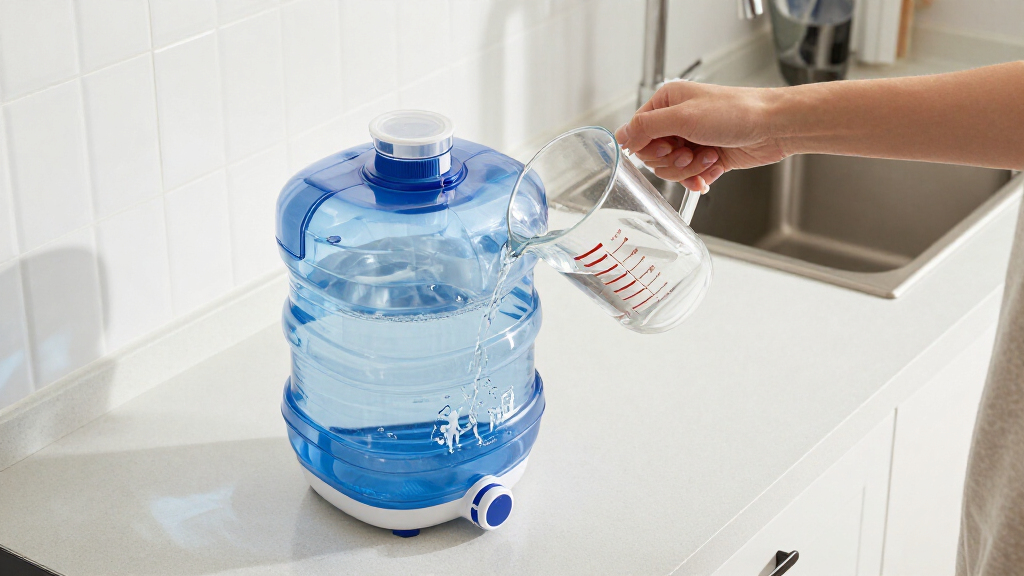
- Empty any remaining water. Rinse the tank with clean, cold water to flush out loose deposits. This initial rinse removes superficial mineral residues that could interfere with deeper cleaning.
- Mix a solution of equal parts white vinegar and water. Pour it into the tank until full. Vinegar’s acidity dissolves mineral deposits effectively, but it’s important to use it properly to avoid damage or lingering odor.
- Reattach the tank and run the steam mop for a few minutes to circulate the vinegar solution. This process helps break down stubborn mineral buildup inside the system, reaching areas that are hard to clean manually.
- Turn off the device, unplug it, and let it cool again. This pause allows the vinegar to work without risking damage from heat or pressure.
- Detach the tank, empty the vinegar solution, and rinse thoroughly with clean water. Repeat this process if you notice persistent deposits or odors. Proper rinsing ensures no vinegar residue remains, which could impact future cleaning or cause damage.
- Dry the tank completely before refilling with fresh water or storing. Moisture left inside can promote mold growth or corrosion, so ensure the tank is fully dry for optimal maintenance.
As an affiliate, we earn on qualifying purchases.
What Not to Do When Cleaning Your Water Tank
- Avoid harsh chemicals like bleach or abrasive scrubbers, which can damage the tank’s plastic or seals. Such damage can lead to leaks or reduced effectiveness over time, compromising the integrity of your device.
- Don’t use metal brushes or steel wool — these scratch surfaces and create tiny crevices where bacteria and mold can develop, making sanitation harder and risking long-term deterioration.
- Never run vinegar or cleaning solutions through the system without following manufacturer instructions; some models may not tolerate vinegar or specific chemicals, which could void warranties or cause internal damage.
- Skip using tap water if your area has very hard water — opt for distilled or demineralized water instead. Hard water accelerates mineral deposits, so reducing mineral content helps maintain cleaner internal components and keeps your device functioning smoothly for longer.
vinegar cleaning solution for steam mop
As an affiliate, we earn on qualifying purchases.
As an affiliate, we earn on qualifying purchases.
Frequently Asked Questions
Can I use vinegar to clean the water tank of my Shark steam mop?
Yes, vinegar is a safe, natural descaler that effectively breaks down mineral deposits. Mix equal parts vinegar and water, run it through the system, then rinse thoroughly with clean water. Always check your model’s instructions first.
How often should I descale my Shark steam mop?
If you have hard water, aim for every month. In softer water areas, every 2-3 months is usually enough. Monitor your steam output — if it slows down, it’s time to clean. Regular descaling prevents mineral buildup that can clog internal channels, ensuring consistent performance and extending the lifespan of your device.
What’s the best water to use in my steam mop?
Distilled or demineralized water is best. It reduces mineral buildup, keeps your tank cleaner longer, and prevents clogging. Using hard tap water introduces minerals that can accelerate deposits and potentially damage internal parts, so choosing the right water is a key part of maintenance.
Can I run cleaning solutions other than vinegar through my steam mop?
It depends on your model. Always check the manufacturer’s guidelines. Many recommend sticking to water and vinegar because other chemicals might damage seals or internal components, leading to costly repairs and voided warranties.
What’s the main sign my water tank needs cleaning?
Reduced steam, unusual noises, or visible mineral crusts are clear signs. If your floors aren’t as clean or the device sputters, it’s time for a cleaning routine. Ignoring these signs can lead to decreased efficiency and potential damage, so regular inspection and cleaning are essential.
Shark steam mop replacement water tank
As an affiliate, we earn on qualifying purchases.
As an affiliate, we earn on qualifying purchases.
Conclusion
Keeping your Shark steam mop water tank clean isn’t complicated — it’s about small, regular habits that protect your device. Think of it as giving your cleaning partner a quick tune-up so it’s always ready to tackle grime.
Remember: a little vinegar goes a long way, and using the right water can extend your mop’s life for years. When your floors sparkle and your device stays healthy, you’ll wonder why you didn’t do this sooner.
Evergreen bestsellers Picks
bestsellers
As an affiliate, we earn on qualifying purchases.