
TL;DR
Open a free Amazon Business account
Business pricing, bulk buying and tax-exempt orders.
Create a free accountAs an affiliate, we earn on qualifying purchases.
A steam mop can effectively remove many types of sticky residue from sealed hard floors by loosening the substance with high-temperature steam. Proper preparation, technique, and surface testing are key to safe, successful cleaning—especially on laminate, vinyl, or hardwood surfaces prone to moisture damage.
Test a small, hidden area first to avoid damage when using a steam mop.
Use the lowest effective steam setting for delicate surfaces like laminate or hardwood.
Loosen stubborn residue with gentle pressure and, if needed, a mild cleaning solution before steaming.
Always wipe the surface dry after steaming to prevent water damage or warping.
Regularly maintain your steam mop by descaling and using distilled water for best results.
Why a Steam Mop Is Your Best Friend for Sticky Residue
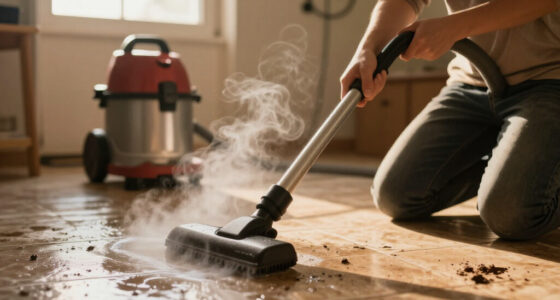
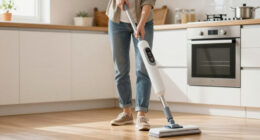
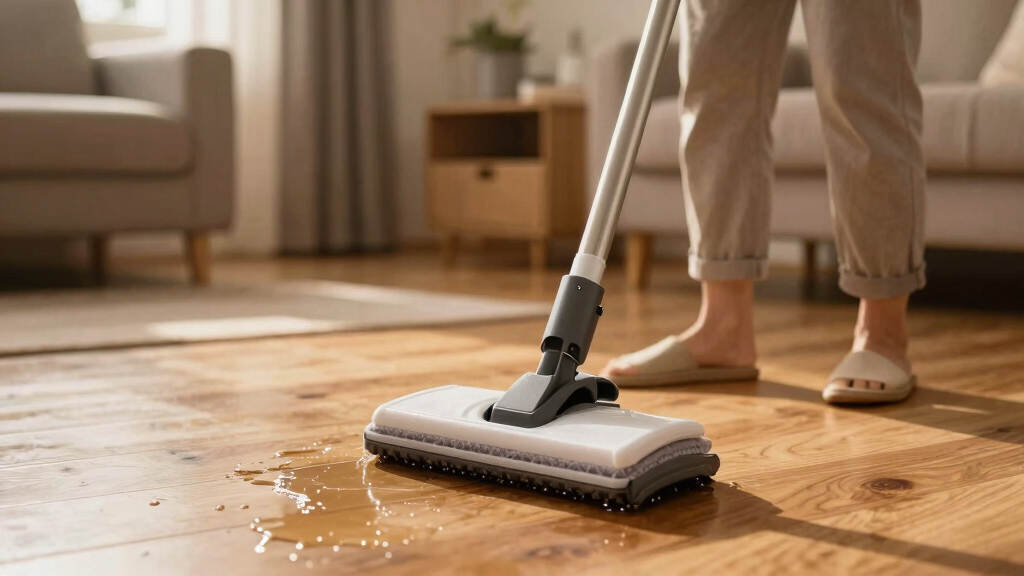
Steam mops use high-temperature steam to loosen dirt, grime, and sticky substances from surfaces. Unlike harsh chemicals, they rely on heat and moisture to do the heavy lifting. Imagine a gentle but persistent hand rubbing away glue or sugary goo—steam does that without scratching or damaging your floor.
For example, if you spilled a bit of caramel on your vinyl floor, a quick pass with a steam mop can soften the sticky mess, making it easy to wipe away. Just remember, steam is most effective on sealed surfaces like tile, vinyl, or laminate—always test first if you’re unsure.

Shark Steam Mop for Sealed Hard Floors with 2 Dirt Grip Pads, White, S1000
- Chemical-Free Sanitization: Removes grease with steam only
- Removable Water Tank: Easy to refill for continuous cleaning
- Lightweight Design: Under 5 lbs for easy handling
As an affiliate, we earn on qualifying purchases.
As an affiliate, we earn on qualifying purchases.
Step-by-Step: How to Use Your Steam Mop on Sticky Residue
- Clear the area of loose debris and dust. This helps the steam work directly on the residue.
- Test a hidden spot first—spray a small section and wait a minute to check for damage or discoloration.
- Fill your steam mop with distilled water to prevent mineral buildup and turn it on. Wait until it heats up fully.
- Hold the mop slightly above the residue, about 1-2 inches. Use slow, deliberate passes to allow steam to penetrate.
- If the residue is stubborn, press gently with a soft cloth or scrubber attached to your mop for extra friction.
- Wipe away the loosened residue with a clean cloth or paper towel. Repeat as needed.
- Allow the surface to dry completely before walking on it again.
Shark Steam Mop for Sealed Hard Floors with 2 Dirt Grip Pads, White, S1000
- Chemical-Free Sanitization: Removes grease with steam only
- Removable Water Tank: Easy to refill for continuous cleaning
- Lightweight Design: Under 5 lbs for easy handling
As an affiliate, we earn on qualifying purchases.
As an affiliate, we earn on qualifying purchases.
Which Surfaces Love (or Hate) Steam for Sticky Residue?
| Surface Type | Steam-Friendly? | Tips |
|---|---|---|
| Tile & Vinyl | Yes | Safe, effective, just test first. |
| Laminate & Hardwood | Use with caution | Test first, keep steam minimal, avoid soaking. |
| Unsealed Wood | No | Moisture can cause swelling or warping. |
Shark Steam Mop for Sealed Hard Floors with 2 Dirt Grip Pads, White, S1000
- Chemical-Free Sanitization: Removes grease with steam only
- Removable Water Tank: Easy to refill for continuous cleaning
- Lightweight Design: Under 5 lbs for easy handling
As an affiliate, we earn on qualifying purchases.
As an affiliate, we earn on qualifying purchases.
How to Tackle Stubborn Sticky Residue Without Damage
If a sticky spot refuses to budge, don’t push too hard or soak the surface. Instead, try these tips:
- Use a lower steam setting to prevent excess moisture, which can be particularly damaging to delicate surfaces by causing warping or swelling. This cautious approach helps you control the amount of heat and moisture delivered, reducing the risk of unintended damage.
- Apply gentle pressure with a soft cloth or sponge in combination with steam. This method leverages the heat to soften the residue while the cloth provides friction, making removal more effective without scratching or gouging the surface.
- For really stubborn spots, lightly spray a mild cleaning solution (like a mix of water and a few drops of dish soap) first, then follow with steam. This combination can break down residues more effectively, but always test first to ensure the solution doesn’t harm the surface or cause discoloration.
- Always test the solution and technique on a hidden area to gauge how the surface reacts, preventing costly damage or discoloration.
This approach minimizes risk while boosting effectiveness.
steam mop attachments for stubborn stains
As an affiliate, we earn on qualifying purchases.
As an affiliate, we earn on qualifying purchases.
Maintaining Your Steam Mop for Best Results on Sticky Residue
Proper care keeps your steam mop working at peak. Regularly descale it using vinegar or manufacturer-approved solutions. Always empty the water tank after use to prevent mineral buildup. Using distilled water reduces mineral deposits that can clog your device and diminish steam power.
And don’t forget: clean the mop pad frequently. A dirty pad won’t effectively transfer steam or lift residues. Keep your equipment in good shape, and it’ll keep your floors spotless.
Quick Comparison: Steam Mop vs. Other Cleaning Methods for Sticky Residue
| Method | Effectiveness | Surface Safety | Ease of Use |
|---|---|---|---|
| Steam Mop | High for sealed surfaces | Safe if used properly | Very easy, quick |
| Warm Water & Cloth | Moderate | Very safe | Simple, manual effort |
| Chemical Cleaners | High, but risk of damage | Depends on product | Requires caution & PPE |
Frequently Asked Questions
Can a steam mop remove all types of sticky residues?
Most sticky residues like glue, sugar spills, or adhesive tape residue respond well to steam. However, some stubborn glues or chemical-based residues may need additional cleaning methods or solvents. Always test first.Is it safe to use a steam mop on hardwood floors?
It depends. Sealed hardwood floors generally tolerate steam if you use a low setting and test first. Unsealed or unfinished wood can absorb moisture and warp, so avoid steaming those surfaces.How do I remove really stubborn sticky spots?
Apply a small amount of a mild cleaning solution like water mixed with dish soap, then gently scrub with a soft cloth or sponge. Follow with steaming to loosen residue further. Always test first to prevent damage.Can I use a steam mop on walls or vertical surfaces?
Yes, but with caution. Test a small, inconspicuous area first and avoid excessive steam exposure. Keep the mop moving to prevent water from pooling or causing damage.What precautions should I take when using a steam mop?
Always keep the mop moving to prevent excess moisture. Test surfaces first, and avoid steaming unsealed or delicate materials. Use distilled water to prevent mineral buildup and always dry the area afterward.Conclusion
A steam mop is a smart, eco-friendly tool for tackling sticky residues—if used carefully. Remember, patience and surface testing are your best friends here. When used properly, your floors will look cleaner without risking damage or chemical exposure. Your floors will thank you for this gentle, effective approach to stubborn spots.Summer Picks
summer essentials
As an affiliate, we earn on qualifying purchases.