TL;DR
Listen free for 30 days with Audible
Thousands of audiobooks and originals — cancel anytime.
Start your free trialAs an affiliate, we earn on qualifying purchases.
Hard water stains are mineral deposits that dull tile floors. Using vinegar, lemon juice, or commercial cleaners—along with preventive tips—can restore your tiles and keep them clean longer.
Imagine stepping onto your tile floor, only to be greeted by dull, chalky white patches. These are hard water stains—minerals like calcium and magnesium settling on your tiles from water exposure. They’re stubborn, but with the right approach, they’re removable. You’ll learn how to identify these stains, the best safe methods to clean them, and simple tips to prevent future buildup.
Whether you’re dealing with a recent spill or years of mineral deposits, this guide will walk you through practical steps. No hype, just straightforward advice that respects your surfaces and your home’s safety.
Identify your tile type before choosing a cleaning method—natural stone needs gentler solutions.
A mix of vinegar and water is effective for most ceramic and porcelain tiles—test first and avoid on delicate surfaces.
Regularly drying and wiping tiles prevents mineral buildup, saving you from heavy scrubbing later.
Steam cleaners can remove mineral deposits safely and efficiently—check your tile’s compatibility first.
Installing water softeners or applying sealants can significantly reduce future hard water stains.
What Are Hard Water Stains and Why Do They Show Up?
Hard water stains are mineral deposits—mainly calcium and magnesium—that leave behind a chalky, white film on tile surfaces. These minerals are dissolved in water and get left behind as water evaporates. Think of it like the crust forming on a pot of boiling water—except on your floor.
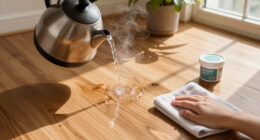
Imagine you water your plants and forget to wipe up splashes. Over time, those tiny water droplets evaporate, leaving behind a stubborn deposit. On tiles, especially in bathrooms and kitchens, these deposits build up, dulling the shine and making floors look cloudy.
According to an anonymous researcher, these mineral deposits are not dirt or grime—they’re just the remains of water’s mineral content crystallizing on surfaces. Recognizing that these stains are mineral-based helps you choose the right cleaning approach.
Understanding why these deposits form emphasizes the importance of addressing the root cause—hard water—rather than just the stains themselves. This knowledge guides you toward preventive measures like water softening or sealing, which can significantly reduce future mineral buildup. Ignoring these deposits can lead to a cycle of constant cleaning, and in some cases, damage to the surface if abrasive methods are used improperly.
hard water stain remover for tile floors
As an affiliate, we earn on qualifying purchases.
As an affiliate, we earn on qualifying purchases.
How to Safely Remove Hard Water Stains Step-by-Step
- Identify your tile type: Check if your tiles are ceramic, porcelain, or natural stone. Natural stone needs gentler cleaning because acidic solutions like vinegar can etch or dull the surface, leading to permanent damage. Knowing your tile type prevents accidental harm and ensures you select the most appropriate cleaning method.
- Pick your cleaning solution: Use a mixture of equal parts white vinegar and water for ceramic and porcelain tiles, which are generally resistant to mild acids. For natural stone, opt for pH-neutral cleaners that won’t react with mineral deposits or etch the surface. This step is crucial because using the wrong solution can weaken or damage your tiles, leading to costly repairs.
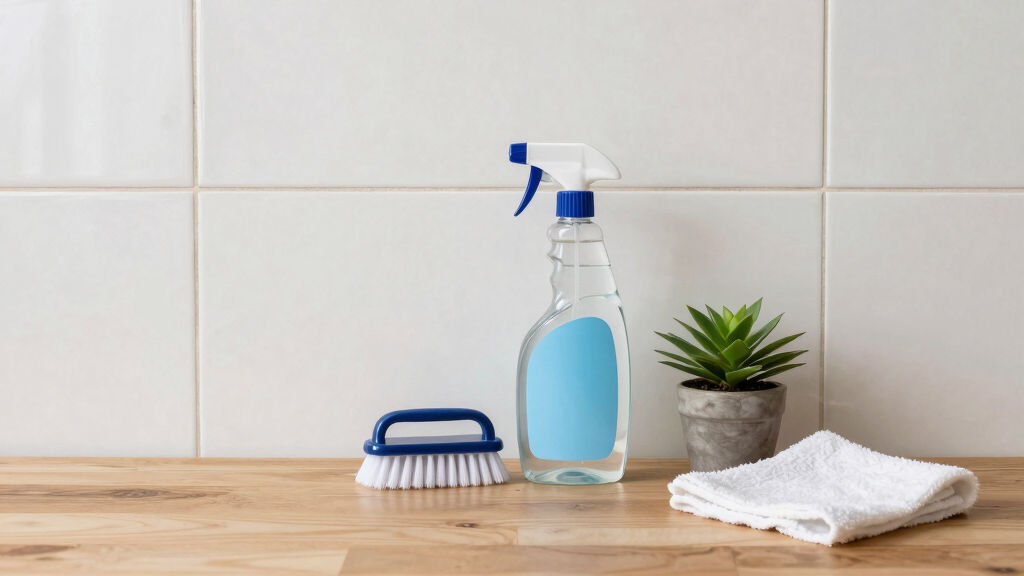
- Apply and let sit: Spray the solution onto the stained areas and allow it to sit for 5-10 minutes. This dwell time gives the solution a chance to break down mineral deposits effectively. Rushing this step may result in incomplete removal, requiring more vigorous scrubbing that could scratch or damage the surface.
- Scrub gently: Use a soft brush or sponge to loosen deposits. Avoid steel wool or abrasive pads, especially on delicate surfaces, as they can scratch or dull the finish. Gentle scrubbing ensures the deposits are loosened without compromising the tile’s integrity.
- Rinse thoroughly: Use clean water to wash away all residues. Proper rinsing prevents leftover acids or cleaning agents from continuing to react with the surface, which could cause etching or discoloration. Dry with a microfiber cloth to prevent new mineral deposits from forming due to residual moisture.
- Repeat if necessary: For stubborn stains, repeat the process or consider a commercial descaler formulated for mineral deposits. Persistent stains may indicate deep-seated mineral buildup, requiring multiple treatments or stronger solutions. However, always weigh the risks of harsher chemicals on your specific tile type.
Example: In a bathroom with cloudy tiles, a quick spray of vinegar, followed by gentle scrubbing, often restores clarity within minutes. This approach saves time and preserves tile integrity compared to abrasive methods.
Always test your chosen cleaner on a small, hidden area first to avoid surface damage. Understanding your tile’s material and carefully selecting your cleaning method ensures effective stain removal while maintaining the surface’s longevity.
natural tile cleaner vinegar lemon
As an affiliate, we earn on qualifying purchases.
As an affiliate, we earn on qualifying purchases.
Natural vs. Commercial Cleaners: Which Works Best?
| Feature | Natural Solutions | Commercial Cleaners |
|---|---|---|
| Effectiveness | Great for light to moderate stains, especially on ceramic or porcelain. They work by dissolving mineral deposits with acids or natural chelators, but their strength can be limited for stubborn stains. Understanding this helps you decide whether a gentle approach suffices or if stronger solutions are needed. | Stronger formulas for stubborn deposits; often contain acids or chelating agents designed to break down mineral buildup quickly. They can be more effective but may carry a higher risk of surface damage if not used carefully. Knowing the tradeoff helps you balance safety and effectiveness. |
| Safety | Generally safe if used correctly; avoid on natural stone due to acidity. Proper application prevents etching or dulling of the surface, but misuse can cause damage. Recognizing the importance of correct usage ensures your tiles remain pristine. | Follow instructions carefully; some may be harsh on delicate surfaces. Overuse or incorrect application can cause discoloration or surface etching, so understanding the product’s limitations is crucial for maintaining tile integrity. |
| Cost | Usually inexpensive—vinegar and lemon are cheap and readily available. Cost-effective solutions make regular maintenance feasible without sacrificing quality. | Varies; some are pricier but effective for tough stains. Investing in quality cleaners can save time and effort, but it’s important to weigh the expense against the potential risk of surface damage. |
| Environmental Impact | Biodegradable and non-toxic, making them safer for your home and the environment. Using eco-friendly solutions supports sustainable cleaning practices. | Depends on product; some contain harsh chemicals that may harm aquatic life or contribute to indoor pollution. Choosing environmentally conscious options helps protect your family and the planet. |
For most homeowners, a vinegar solution is a safe, eco-friendly first step. If stains persist, a commercial descaler might save time—just read labels and test first. Weighing the environmental impact and safety considerations ensures responsible cleaning that preserves your home’s health and your tiles’ longevity.
Pro tip: Always test cleaning solutions on a small, hidden tile before full application. This step helps you avoid unintended damage and ensures the selected method is suitable for your specific tile type.
steam cleaner for mineral deposits
As an affiliate, we earn on qualifying purchases.
As an affiliate, we earn on qualifying purchases.
Preventing Hard Water Stains Before They Take Hold
- Squeegee or wipe down tiles after water exposure to remove residual droplets. This simple habit prevents mineral deposits from settling and crystallizing, which would otherwise require more intensive cleaning later. Consistency in this practice reduces the frequency of deep cleaning sessions and prolongs the life of your tiles.
- Dry your floors with a towel or microfiber cloth after cleaning or spillages. Removing moisture prevents water from evaporating on the surface, reducing mineral deposit formation. This small step can significantly delay or prevent stain development, saving you effort and preserving the tile’s appearance.
- Use water softeners or filtration systems if your water is hard. These treatments reduce the mineral content in water, directly addressing the root cause of stains. While they involve an upfront investment, they can dramatically cut down on cleaning time and chemical use, making ongoing maintenance easier and more effective.
- Seal your tiles: Applying a sealant creates a protective barrier that minimizes water penetration and mineral adherence. This barrier makes wiping away deposits easier and slows down the buildup process. Choosing the right sealant and applying it correctly can extend the period between deep cleans, especially in high-moisture areas.
- Regular cleaning: Sweep or mop weekly to prevent buildup and keep tiles shiny. Consistent maintenance prevents the accumulation of mineral deposits that can become stubborn stains over time. This proactive approach ensures your floors remain attractive and reduces the need for aggressive cleaning methods that could damage surfaces.
Imagine wiping down your shower tiles after every use. Over time, this routine prevents the chalky film from forming, saving you hours of scrubbing later. Installing a whole-home water softener can drastically cut mineral deposits, especially in areas with high mineral content in water, making routine maintenance more effective and less labor-intensive.
Implementing these preventive steps not only preserves your tiles but also promotes a healthier, more sustainable home environment by reducing chemical usage and prolonging the lifespan of your flooring investments.
water softener for hard water stains
As an affiliate, we earn on qualifying purchases.
As an affiliate, we earn on qualifying purchases.
Why Steam Cleaners Are a Safe, Chemical-Free Solution
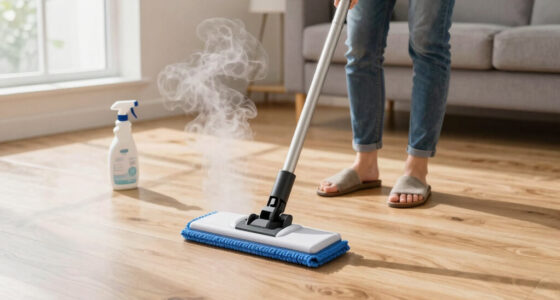
Steam cleaners are effective at loosening and removing mineral deposits without harsh chemicals. The hot vapor penetrates cracks and crevices, lifting stains gently but thoroughly. For tile floors, they’re a smart choice—especially if you’re cautious about chemical exposure.
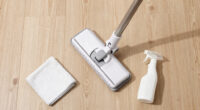
For example, a steam mop can break down mineral buildup on ceramic tiles in just a few passes, restoring shine without risking etching or damage. Just ensure your tiles are compatible with steam cleaning—check manufacturer guidelines first.
Remember: Always test a small area with the steam cleaner first, and avoid using it on natural stone unless approved by the manufacturer.
Steam cleaning is a quick, eco-friendly way to maintain your floors and prevent future mineral deposits. The high temperature kills bacteria and mold spores, contributing to a healthier home environment. Regular use of steam cleaners can reduce reliance on chemical cleaners, decreasing indoor pollution and making your cleaning routine safer for children and pets.
According to research, regular steam cleaning can extend the time between deep scrubs, saving effort and chemicals over the long run. While not suitable for all surfaces, when used appropriately, steam cleaning offers a deep, eco-friendly clean that preserves your flooring’s appearance and integrity.
Frequently Asked Questions
What is the safest way to remove hard water stains from ceramic tiles?
A mixture of equal parts white vinegar and water works well for ceramic tiles. Spray it on, let sit for a few minutes, then scrub gently with a soft brush before rinsing thoroughly. Always test first to avoid any surface damage.
Can I use vinegar on natural stone tiles?
No, vinegar is too acidic and can etch natural stone like marble or travertine. Instead, use a pH-neutral cleaner or a stone-safe descaler, and always test on a small hidden area first.
How often should I clean my tiles to prevent stains?
In high-moisture areas like bathrooms or kitchens, aim for weekly cleaning. Wipe down and dry tiles after water exposure to prevent mineral deposits from settling in.
Are natural remedies effective for stubborn stains?
Yes, lemon juice or baking soda pastes can help dissolve mineral deposits. Use them with care, and always test first to make sure they won’t harm your tiles.
What’s the best way to prevent hard water stains?
Use water softeners, squeegee or wipe tiles after water exposure, and regularly clean and dry your floors. Seal tiles if possible to create an extra barrier against mineral buildup.
Conclusion
Keeping tile floors free of hard water stains boils down to understanding what causes them and using the right tools and habits. A simple vinegar spray, combined with regular wiping and smart prevention, can keep your floors gleaming for years.
Think of it like giving your tiles a gentle, regular bath—so they stay spotless without harsh scrubbing or chemical fuss. Your floors will thank you with a lasting shine and fewer stains to battle.
Flea & tick season Picks
flea and tick prevention
As an affiliate, we earn on qualifying purchases.