TL;DR

Get cleaning gear delivered free with Prime
- Fast, free delivery on millions of items
- Prime Video, Amazon Music and more included
- Member-only deals all year
Steam can effectively loosen gum and stickers from floors, but success depends on proper technique and surface compatibility. Always test first and follow safety tips for best results.
There’s nothing more frustrating than stepping on a chewed gum or finding a stubborn sticker stuck on your beautiful floor. You want it gone, fast, and without risking damage to your surface. That’s where steam comes in—an often overlooked, chemical-free hero for tackling sticky messes.
In this guide, you’ll learn how to safely use steam to loosen and lift gum or stickers. We’ll walk through the step-by-step process, share tips on surface safety, and answer common questions. Think of it as your quick, practical manual for turning a sticky situation into a clean, smooth floor.
Always test a small, hidden area before steaming a visible spot.
Use adjustable steam levels and attachments designed for delicate surfaces.
Softening gum or stickers with steam makes manual removal easier and safer.
Combine steaming with gentle scraping or wiping for best results.
Patience and proper technique prevent damage and ensure cleaner floors.
Why Steam Is a Gentle Powerhouse for Sticky Messes
Steam is a soft but effective tool because it heats up to about 212°F (100°C), melting or softening adhesives and gum without harsh chemicals. This temperature is enough to weaken the molecular bonds holding sticky residues in place, which makes removal easier. The heat causes the adhesive or gum to soften and become pliable, reducing the need for aggressive scraping that can damage delicate surfaces.
By applying steam, you effectively ‘loosen’ the glue’s grip, allowing you to lift residues with minimal force. This approach is especially important on surfaces like laminate, tile, and vinyl, which can be sensitive to scratches or chemical damage. However, the effectiveness hinges on understanding the nature of the residue—some adhesives are more resistant and may require multiple treatments or supplementary methods. Using steam also reduces chemical exposure, making it safer for households with children or pets. Still, it’s crucial to balance heat and moisture to prevent warping or water damage, which can occur if not used carefully.
steam cleaner for sticky residue removal
As an affiliate, we earn on qualifying purchases.
As an affiliate, we earn on qualifying purchases.
Pick the Right Steam Cleaner and Attachments for Sticky Tasks
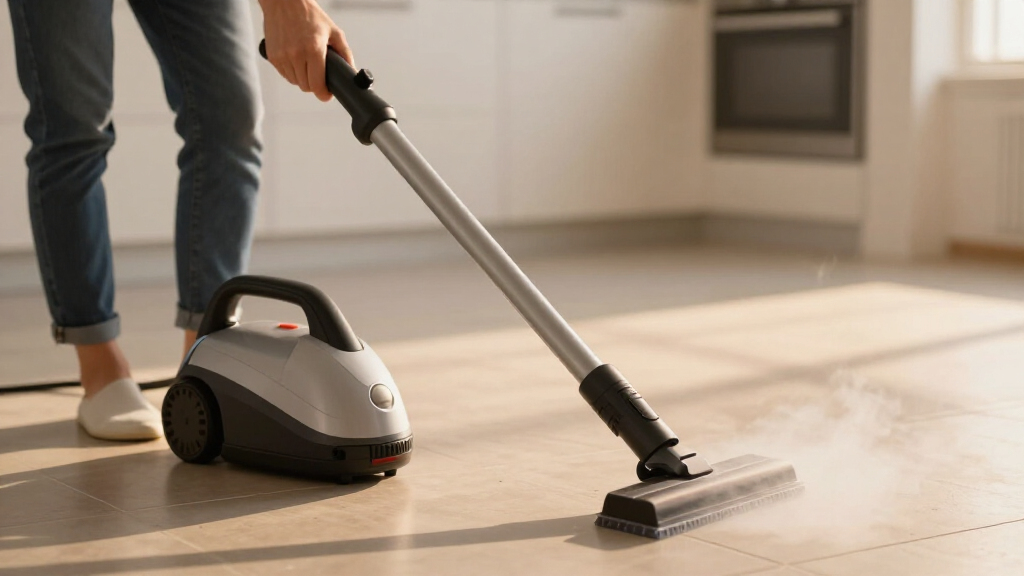
Not all steam cleaners are created equal when it comes to sticky messes. Choosing the right equipment means considering the specific nature of the task and the surface you’re working on. Look for models with adjustable steam output, as high settings might damage delicate surfaces, while lower settings provide gentle heat suitable for softening adhesives without excessive moisture. Narrow nozzles or precision attachments are essential—they focus heat directly on small areas like stickers or gum spots, preventing unnecessary exposure of the entire floor to moisture or heat.
For instance, a handheld steam cleaner with a precision tip allows you to target stubborn residues precisely, which is crucial for avoiding water seepage into seams or cracks. Soft brushes or small scrubbing tools attached to the steamer can help lift residues without scratching the surface. These attachments also help distribute heat more evenly, reducing the risk of localized damage. Always consult your steam cleaner’s manual to confirm compatibility with your floor type and to understand optimal settings, ensuring you don’t inadvertently cause warping or discoloration.
As an affiliate, we earn on qualifying purchases.
Step-by-Step: How to Use Steam to Remove Gum or Stickers
- Prep and test: Clear the area of furniture and rugs to avoid accidental damage. Select a small, hidden spot on the floor to test the steam setting—this helps determine if the surface can handle the heat and moisture without warping or discoloration. Testing first prevents costly mistakes, especially on delicate surfaces.
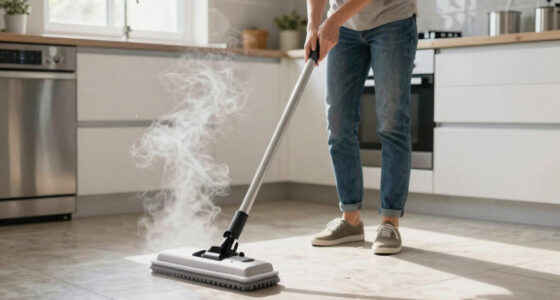
- Heat the residue: Hold the steam nozzle a few inches above the gum or sticker, applying gentle circular motions for about 30 seconds to 1 minute. This duration allows the heat to penetrate the adhesive or rubber, softening it enough for easier removal. Moving the nozzle prevents concentrated heat buildup, which could cause localized damage or warping.
- Loosen the sticky stuff: Once softened, gently lift the gum or sticker with a plastic scraper or your fingers. The softened residue should peel away more easily, reducing the need for force that might scratch or gouge the floor. Be patient; forcing removal can damage the surface or leave adhesive remnants.
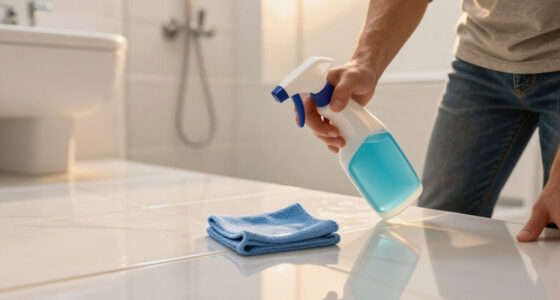
- Clean remaining residue: Use a microfiber cloth dampened with warm water or a mild cleaner to wipe away leftover adhesive. This step ensures a clean, smooth surface and prevents sticky residues from attracting dirt or causing slips.
- Dry thoroughly: Wipe with a dry cloth to remove any residual moisture, which could seep into seams or cracks and cause long-term damage. Proper drying also ensures your floor remains slip-resistant and free from water spots.
For example, a homeowner removing a 2-week-old sticker on laminate found that steaming for just 40 seconds made peeling it off effortless, with no damage afterward. This demonstrates how a careful, measured approach can be highly effective, saving time and preserving your floor’s integrity.
adjustable steam cleaner attachments
As an affiliate, we earn on qualifying purchases.
As an affiliate, we earn on qualifying purchases.
Safety Tips to Protect Your Floors and Yourself
- Always test first: Use a small, hidden area to check for reactions before treating visible spots. This step is critical because some surfaces or finishes may react adversely to heat or moisture, leading to warping, discoloration, or surface damage.
- Adjust steam levels: Use the lowest effective setting to minimize the risk of damage. High steam output can cause warping or bubbling, especially on hardwood or veneer floors. Starting low and increasing gradually allows you to find the optimal balance between effectiveness and safety.
- Keep a safe distance: Hold the nozzle a few inches above the residue, not directly on it, to prevent burns or surface damage. Close contact concentrates heat and moisture, increasing the risk of warping or discoloration.
- Avoid excessive moisture: Wipe dry immediately after steaming to prevent water from seeping into seams or cracks, which can cause swelling or warping over time. Proper drying extends the life of your flooring and maintains its appearance.
- Follow manufacturer guidelines: Always consult your floor’s and steam cleaner’s manuals for specific instructions. Using incompatible settings or attachments can void warranties or cause irreversible damage.
For instance, a homeowner with hardwood floors learned that using too much steam at high settings caused minimal swelling, so they now keep the steam at medium and test frequently. This cautious approach preserves their flooring’s beauty and longevity.
best steam cleaner for stickers and gum
As an affiliate, we earn on qualifying purchases.
As an affiliate, we earn on qualifying purchases.
Troubleshooting: When Steam Isn’t Enough
If steaming alone doesn’t remove stubborn gum or stickers, don’t force it. Sometimes, a second treatment or a different approach is necessary, especially on older or more resilient residues. Repeated applications allow the heat to penetrate deeper or soften the adhesive further, making manual removal easier.
For particularly stubborn residues, try freezing the gum with an ice cube for 5-10 minutes; this hardens it, making peeling easier without risking surface damage. Applying gentle pressure with a plastic scraper after freezing often yields better results than forceful pulling.
Additionally, a tiny dab of rubbing alcohol or a commercial adhesive remover can help dissolve residual adhesive after steaming. These solvents weaken the chemical bonds in adhesives, but they also carry risks—test first and use sparingly. Combining cold treatment with steaming and mild solvents offers a multi-pronged approach that increases your chances of complete removal without harming the floor.
Comparison Table: Steam vs. Chemical Methods for Sticky Residues
| Method | Effectiveness | Surface Safety | Eco-Friendly | Ease of Use |
|---|---|---|---|---|
| Steam Cleaning | High for softening; moderate for stubborn residues | Very safe if used properly | Excellent; no chemicals needed | High with right tools |
| Chemical Solvents | Very high; dissolves adhesives quickly | Risk of damage if not used carefully | Low; chemical impact | Moderate; requires handling and ventilation |
Frequently Asked Questions
Is steam cleaning safe for hardwood floors?
It depends on your floor’s finish and manufacturer instructions. Usually, with controlled steam levels and testing, it’s safe. Always check your flooring guidelines first and keep the steam at a moderate distance to prevent warping or damage.
Will steam damage tile or vinyl floors?
Generally, no. Tile and vinyl often tolerate steam well, but excessive heat or prolonged exposure can cause issues. Use a lower setting, avoid holding the nozzle in one spot too long, and always test first.
Can I remove really old, stubborn stickers with steam?
Yes, but it may take multiple applications. For stubborn stickers, steaming helps loosen the adhesive, but you might also need to scrape gently or apply a mild adhesive remover afterward for complete removal.
What if the gum doesn’t soften with steam?
Try freezing it with an ice cube for 5-10 minutes, then gently scrape. Combining cold with steam often yields better results on tough gum stuck on floors.
Are there eco-friendly alternatives if I don’t have a steam cleaner?
Yes. Hot water with a little vinegar or natural cleaning solutions can sometimes do the trick, but steam offers a quick, chemical-free boost that’s often more effective on sticky residues.
Conclusion
Steam offers a safe, chemical-free way to lift stubborn gum and stickers—if you respect your floor’s limits and use the right tools. Think of it as a gentle heat hug for your sticky problems.
Next time you face that mess, remember: a little patience with steam can turn a stubborn stuck-on nuisance into a quick fix. Your floor will thank you—and so will your cleaning supplies budget.
Fall Picks
fall essentials
As an affiliate, we earn on qualifying purchases.