TL;DR
Open a free Amazon Business account
Business pricing, bulk buying and tax-exempt orders.
Create a free accountAs an affiliate, we earn on qualifying purchases.
Your floor may be suffering from steam damage if you notice warping, buckling, discoloration, or a soft feeling underfoot. Not all floors tolerate steam equally, so recognizing these signs helps prevent long-term harm and costly repairs.
Not all floors tolerate steam; check your manufacturer’s guidance first.
Early signs of damage include warping, buckling, discoloration, and a soft feel underfoot.
Hardwood and laminate floors are especially vulnerable to moisture from steam.
Testing a small, hidden patch before full cleaning helps avoid costly mistakes.
Maintaining indoor humidity below 60% and using gentle cleaning methods extends your floor’s life.
The Warning Signs Your Floor Can’t Handle Steam
Steam promises a fast, germ-free clean—but hot vapor can slip into seams, weaken adhesives, and swell vulnerable fibers. Spot the signals early, match the method to the material, and stop a small surface change from becoming a costly replacement.
These changes suggest moisture has moved below the wear layer.
Fibers, seams, and adhesive layers can react quickly to vapor.
Use a lightly dampened microfiber mop when compatibility is uncertain.
Target indoor relative humidity to limit moisture stress.
Observe a test patch before cleaning the full floor.
Traditional hardwood and laminate need the most caution.
Discontinue steam as soon as a warning sign appears.
Six signals hiding in plain sight
Visible distortion is often the final expression of moisture already trapped beneath the surface. Inspect seams, edges, color, texture, and firmness immediately after cleaning and again once the floor has dried.
Warping or buckling
Boards rise, bow, or pull away from the subfloor as absorbed moisture changes their dimensions.
Soft underfoot
A spongy or yielding area can indicate a weakened core, trapped moisture, or compromised adhesive.
Cupping and curling
Raised plank edges show uneven moisture absorption between the upper and lower surfaces.
Discoloration
Dark patches, cloudy areas, or staining may reveal water intrusion below the protective finish.
Bubbling or peeling
Surface layers separate when heat and moisture weaken laminated materials or bonded finishes.
Persistent dampness
Musty odor, moisture that will not clear, or mold warrants immediate drying and inspection.
Steam resistance is not equal
New waterproof planks, treated engineered woods, moisture barriers, and adjustable steam tools may improve resistance—but product-specific manufacturer guidance remains the deciding factor.
| Floor type | Steam? | Common damage | Safer cleaning method |
|---|---|---|---|
| Hardwood | ✗ No | Warping, swelling, dark patches | Dry or lightly damp microfiber |
| Laminate | ✗ No | Delamination, bubbles, lifted edges | Spot-clean with a damp cloth |
| Vinyl / linoleum | ~ Limited | Peeling edges, clouding, weak bonds | Water, gentle cleaner, microfiber |
| Tile / stone | ✓ Mostly | Grout staining, adhesive stress | Controlled steam; dry grout joints |
How a clean becomes damage
Heat is only part of the problem. Vapor penetrates tiny openings, condenses inside cooler layers, and triggers a chain reaction that may continue after the mop is stored away.
Hot vapor lands
Steam reaches joints, scratches, grout, and unsealed edges.
ExposureMoisture penetrates
Vapor moves below the finish and into seams or porous fibers.
IntrusionVapor condenses
Cooling turns vapor into water trapped between floor layers.
RetentionFibers swell
Wood expands while laminated bonds and adhesives weaken.
DeformationDamage surfaces
Warping, bubbles, peeling, softness, or mold become visible.
FailureFive ways to protect the floor
The safest routine combines material-specific instructions, controlled moisture, regular inspection, and fast drying. When compatibility is uncertain, choose the gentler method.
Read the manufacturer’s instructions
Confirm steam compatibility and warranty conditions for the exact flooring product—not only the material category.
Test a hidden patch
Use a small inconspicuous area, then inspect for swelling, color change, or distortion over the next 24 hours.
Reduce steam output
If steam is approved, use the lowest effective setting, keep the tool moving, and avoid repeated passes over seams.
Choose controlled moisture
For sensitive floors, use a dry mop or a well-wrung microfiber pad with a gentle compatible cleaner.
Keep humidity below 60%
Ventilation and dehumidification reduce condensation, trapped moisture, and seasonal expansion stress.
See a warning sign? Move quickly.
Early drying can limit further deterioration. Severe buckling, soaked cores, widespread delamination, or suspected mold requires professional assessment.
How to Spot Damage Before It Gets Worse
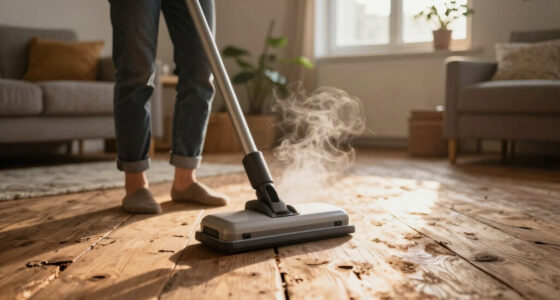
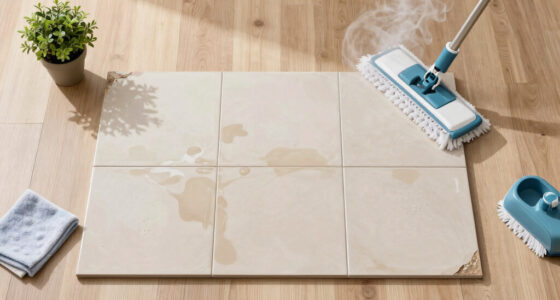
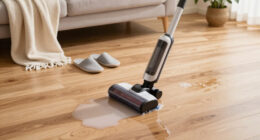
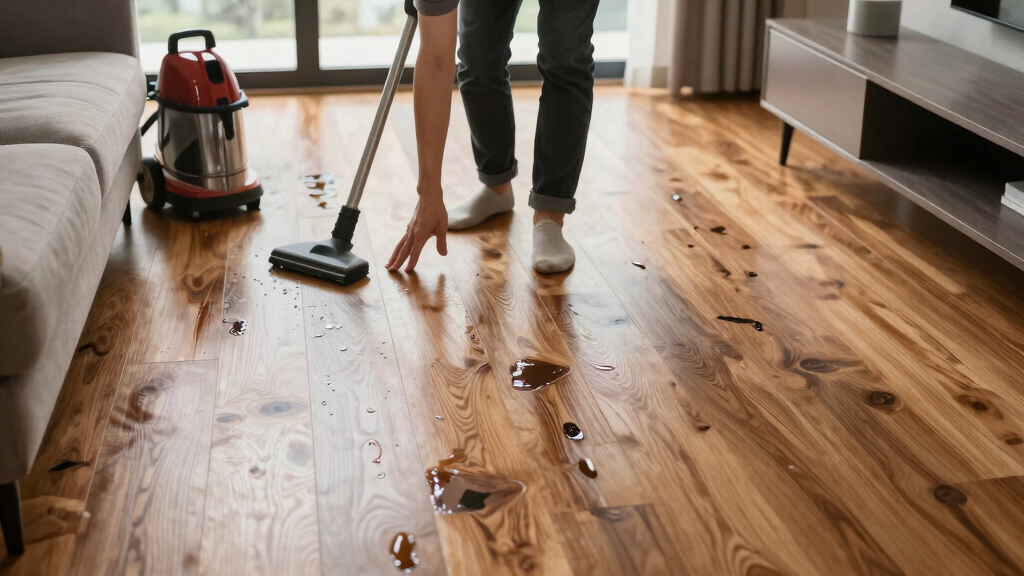
If your floor is struggling with steam, you’ll notice it through visible warping, discoloration, or a soft, spongy feel under your feet. These signs show moisture has seeped where it shouldn’t, weakening the material’s structure. For example, a hardwood floor in a high-humidity kitchen may start to buckle or develop dark patches after a few steam mops.
Key indicators include warped edges, planks that lift or curl, and a sticky or uneven surface. Catching these early can save you from costly repairs or total floor replacement.

Shark Steam Mop for Sealed Hard Floors with 2 Dirt Grip Pads, White, S1000
- Chemical-Free Sanitization: Removes grease with steam only
- Removable Water Tank: Easy to refill for continuous cleaning
- Lightweight Design: Under 5 lbs for easy handling
As an affiliate, we earn on qualifying purchases.
As an affiliate, we earn on qualifying purchases.
The Surprising Truth About Floors That Can’t Handle Steam
Not every surface is designed to withstand steam cleaning. Hardwood and laminate floors are especially vulnerable because their structural integrity depends on the fibers and adhesives that can be compromised by moisture. Excessive exposure causes these fibers to swell, weakening the bond and leading to buckling, delamination, or surface bubbling. Vinyl and linoleum, although more resistant, still have limitations; repeated steam exposure can weaken their surface layers or cause edges to lift, compromising both appearance and durability. Understanding these vulnerabilities is crucial because it highlights that some damage isn’t immediately visible—by the time you see warping, significant internal damage may have already occurred. This means that continuous or careless steam use can cause long-term deterioration, reducing your floor’s lifespan and increasing repair costs. Recognizing these risks allows you to weigh the tradeoff between convenience and potential damage, making more informed decisions about your cleaning routine.
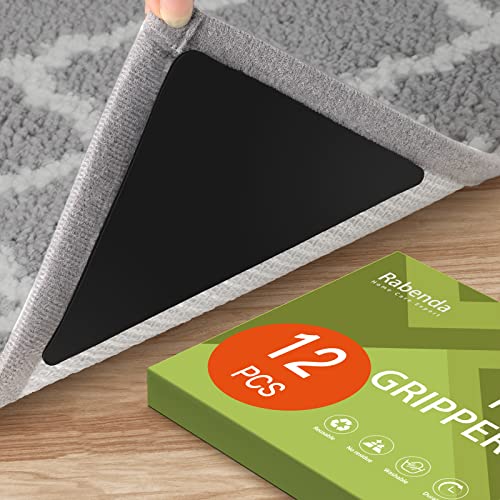
Rabenda Rug Tape Gripper for Hardwood Floors No Damage, 12 Pcs Carpet Tape
- Triangle Design for Better Grip: Maximizes contact and adhesion
- Invisible and Thin: Maintains rug appearance without visible tape
- Reusable and Easy to Clean: No residue, washable with water or alcohol
As an affiliate, we earn on qualifying purchases.
As an affiliate, we earn on qualifying purchases.
Compare Your Flooring Options & Their Steam Resistance
| Floor Type | Resistant to Steam? | Common Damage Signs | Best Cleaning Tips |
|---|---|---|---|
| Hardwood | No | Warps, swelling, discoloration | Use dry or damp microfiber mops. Avoid steam. |
| Laminate | No | Delamination, bubbling, edge lifting | Spot clean with a damp cloth. No steam. |
| Vinyl/Linoleum | Partial | Peeling edges, clouding | Use water and gentle cleaners. Limit steam use. |
| Tile & Stone | Yes (mostly) | Grout staining, adhesive damage | Steam is usually safe; avoid excessive moisture in grout joints. |
This table shows that while tile and stone tend to handle steam better due to their non-porous nature, wood and laminate floors are inherently more vulnerable because moisture can penetrate and weaken their layered or adhesive-based structures. Always check your manufacturer’s guidelines before steaming, as improper use can void warranties or cause irreversible damage. Recognizing these differences helps you choose the right cleaning method and avoid costly mistakes.
Shark Steam Mop for Sealed Hard Floors with 2 Dirt Grip Pads, White, S1000
- Chemical-Free Sanitization: Removes grease with steam only
- Removable Water Tank: Easy to refill for continuous cleaning
- Lightweight Design: Under 5 lbs for easy handling
As an affiliate, we earn on qualifying purchases.
As an affiliate, we earn on qualifying purchases.
Five Easy Ways to Protect Your Floors from Steam Damage
- Read the Manufacturer’s Instructions: Always check if your flooring material is steam-safe. Ignoring these guidelines can lead to voided warranties and hidden damage that worsens over time. When in doubt, skip steam cleaning to prevent accidental harm.
- Test in a Hidden Spot: Before cleaning a visible area, try steam on a small, inconspicuous section. Observe it over 24 hours for signs of swelling, discoloration, or warping. This step can reveal whether your floor can tolerate steam without risking long-term damage, helping you avoid costly mistakes.
- Use Low Steam Settings: If your cleaner allows, dial down the steam output. Lower settings produce less moisture, reducing the risk of penetrating the flooring layers and causing swelling or delamination. This tradeoff might mean slightly less effective cleaning but significantly extends your floor’s lifespan.
- Opt for Dry Mops or Damp Cloths: For sensitive surfaces, stick to microfiber mops lightly dampened with water. This method provides effective cleaning without the risks associated with high heat and moisture, preserving your floor’s integrity over time.
- Maintain Indoor Humidity: Keeping humidity levels below 60% with dehumidifiers and good ventilation reduces excess moisture in the air, decreasing the likelihood of condensation and moisture buildup that can damage floors. Proper humidity control is a proactive step in prolonging your flooring’s life.

General Tools MMD4E Moisture Meter for Wood, Walls & Water Leak Detection
- Humidity Sensor: Detects moisture levels for mold prevention
- Water Leak Detection: Identifies moisture in wood and drywall
- Moisture Reader: Backlit LCD with large digits for easy reading
As an affiliate, we earn on qualifying purchases.
As an affiliate, we earn on qualifying purchases.
What To Do When Your Floor Shows Signs of Damage
If you notice warping, bubbling, or discoloration after steam cleaning, act quickly. Remove excess moisture with fans or dehumidifiers, and ensure proper ventilation. For minor warping or surface damage, gentle sanding or refinishing might restore the appearance, but only if the internal structure remains intact. If the damage is extensive—such as large warps, delamination, or mold growth—professional repair or full replacement is often the safest course. Addressing damage early can prevent it from worsening, saving you money and preserving the floor’s lifespan. Remember, ongoing moisture exposure can accelerate deterioration, so timely intervention is key to maintaining your flooring’s condition.
For example, a laminate plank bubbling up might be temporarily glued back down, but if the core is soaked or the damage is widespread, a full replacement is necessary to prevent further issues like mold or structural failure.
Frequently Asked Questions
How can I tell if my hardwood floor is damaged by steam?
Look for warping, buckling, discoloration, or a soft, spongy feeling underfoot. These signs indicate moisture has penetrated the surface and weakened the wood.
Is steam cleaning safe for laminate floors?
No, most laminate floors are sensitive to moisture. Excessive steam can cause delamination and bubbling. Use dry or damp cloths instead.
What’s the best way to clean vinyl or linoleum floors?
Use water and a gentle cleaner with a microfiber mop. Limit use of steam to prevent long-term damage or peeling edges.
How do I prevent steam damage while cleaning?
Always check your flooring’s guidelines, test a hidden spot first, and use low steam settings. When in doubt, avoid steam altogether.
What should I do if I notice damage from steam?
Remove excess moisture, dry the area thoroughly, and consider professional repairs if necessary. Early action can prevent worse damage.
Conclusion
Steam cleaning can be a quick way to disinfect, but it’s a double-edged sword for many floors. Your best bet? Know your surface—if it’s sensitive, skip the steam and stick to dry or damp mops. A tiny sign of damage today can become a costly repair tomorrow.
Protect your floors by understanding their limits. When in doubt, trust your manufacturer’s advice and err on the side of caution. Your floors—and your wallet—will thank you for it.
Baby shower & registry season Picks
baby registry must-haves
As an affiliate, we earn on qualifying purchases.