TL;DR

Get cleaning gear delivered free with Prime
- Fast, free delivery on millions of items
- Prime Video, Amazon Music and more included
- Member-only deals all year
You should wait until the sealant fully cures—often 24 to 72 hours—before steam mopping. Using low steam settings and following manufacturer advice minimizes risks and keeps your floors protected.
Imagine steaming your floors, expecting a quick, hygienic clean—only to discover you’ve damaged the very surface you wanted to protect. Sealed floors are designed to repel stains and moisture, but they still require careful treatment, especially right after sealing. If you’re wondering whether you can safely use a steam mop on a new seal, the answer depends on timing, your floor type, and the product used. This guide walks you through the essentials to keep your floors safe and shiny, without risking costly repairs.
Whether you’re tackling a sealed hardwood, vinyl, or laminate, knowing when and how to use a steam mop makes all the difference. We’ll explore recent advances, manufacturer tips, and practical steps to help you clean confidently—without damaging your investment.
Always check the sealant’s curing time before using a steam mop—most require 24 to 72 hours.
Using a steam mop too early can weaken or damage the sealing layer, especially if the floor isn’t fully cured.
Modern sealants and steam mops with adjustable settings are more compatible, but manufacturer guidance remains key.
Start with the lowest steam setting and test in a hidden area before full cleaning.
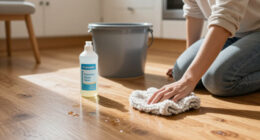
During curing, stick to dry or damp microfiber mopping and avoid excessive moisture or heat.
Can You Steam Mop a Newly Sealed Floor?
Yes—but only after the sealant has fully cured. Most products need 24 to 72 hours before they can safely face steam, heat and moisture. Timing, floor type and manufacturer guidance determine whether steam cleaning protects your shine or damages it.
The curing window is the safety window
Sealant may feel dry before its protective film is fully bonded. Cool or humid conditions can extend the process, so elapsed time alone is not permission to steam.
Hands off the heat
The new coating is most vulnerable to softening, cracking and trapped moisture.
Avoid steamCheck, don’t assume
Some products may be ready; others still need time. Read both floor and sealant guidance.
Verify cure timeTest with low steam
Use a clean pad, keep moving and inspect a hidden area before cleaning the whole floor.
Proceed cautiouslyDullness or peeling
Heat can soften a coating that has not finished bonding, leaving cloudy patches or a weakened finish.
Seepage at seams
Steam may enter edges and joins, increasing the chance of staining, swelling or warping below the seal.
Shorter seal life
Premature heat and moisture can weaken chemical bonds and reduce resistance to wear, water and stains.
Floor type changes the decision
Modern coatings and adjustable steam mops improve compatibility, but they do not erase material-specific limits or warranty conditions.
| Floor type | Before cure | After cure | Primary concern |
|---|---|---|---|
| Sealed hardwood | ✗Avoid | ~Check first | Finish damage, seams and warping |
| Laminate | ✗Avoid | ~Often limited | Moisture entering click joints |
| Vinyl | ✗Avoid | ~Brand specific | Heat effects on adhesive or layers |
| Sealed tile | ✗Avoid | ✓Often suitable | Grout, edges and sealer compatibility |
✓ generally suitable ✗ avoid ~ conditional on manufacturer approval
From product label to protected floor
Use this five-step chain every time the sealant, flooring material or cleaning equipment changes.
Read the label
Find the stated cure time and steam-cleaning restriction.
Wait in full
Allow extra time when the room is cool or humid.
Clean gently
Vacuum or use a lightly damp microfiber pad during curing.
Test a corner
Try low steam in a hidden spot and inspect the finish.
Keep moving
Use a clean pad and never hold steam over one area.
Five rules worth remembering
The safest cleaning method is the one that respects both the curing chemistry and the construction of the floor beneath it.
Confirm the cure
Most sealants need 24 to 72 hours, but the product label is the authority.
Never rush steam
Early exposure can soften, crack or weaken the new protective layer.
Match the products
Check guidance for the flooring, sealant and steam mop—not just one of them.
Start at minimum
Use the lowest steam setting, a clean pad and a hidden test area.
Choose microfiber
Dry or lightly damp microfiber is the safer option during initial curing.
Can I steam sealed hardwood after 24 hours?
Only if the sealant and flooring guidance allow it. Some finishes require the full 72 hours or longer before exposure to heat and moisture.
What happens if I steam too soon?
The coating may develop dull patches, tackiness, cracking or peeling. Moisture can also reach seams and contribute to staining or warping.
How do I know the seal is fully cured?
Use the manufacturer’s stated cure time rather than touch alone. Add time in cool or humid conditions and test an inconspicuous area before steaming.
Does “heat resistant” mean immediately safe?
No. Heat resistance usually describes performance after full curing. The initial bonding phase can still be vulnerable.
What should I use during the first few days?
Sweep, vacuum with a floor-safe attachment, or use a dry to lightly damp microfiber cloth. Avoid pooled water, strong chemicals and unnecessary heat while the finish develops its full protection.
Patience protects the finish.
Wait for the full cure, verify compatibility and begin with minimal steam. Modern products may be more forgiving, but no feature replaces the instructions tested for your exact floor and sealant.
Why Immediate Steam Mopping Risks Your Newly Sealed Floor
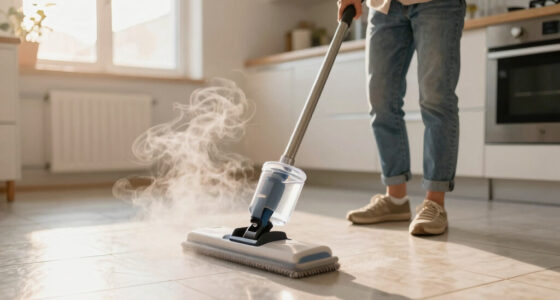
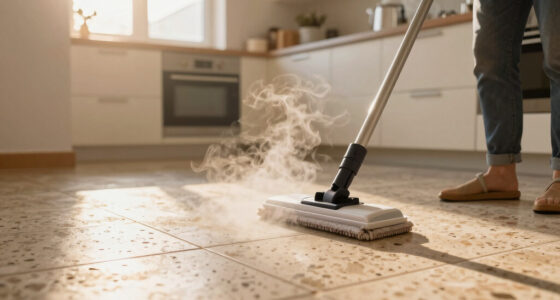
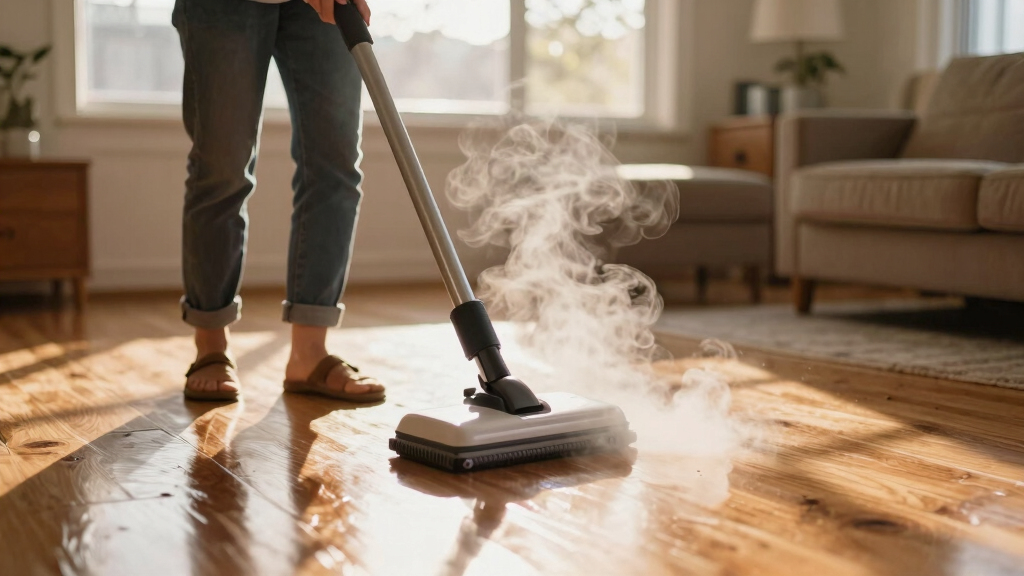
Steam mops use high-temperature steam to sanitize and loosen dirt. But for a freshly sealed floor, that heat and moisture can be a double-edged sword. The sealant, still setting, may soften or crack if exposed to too much heat too soon.
For example, if you steam a hardwood floor just 12 hours after sealing, you might notice dull patches or peeling. That’s because the sealant hasn’t fully bonded yet. According to manufacturers, most sealants need 24 to 72 hours to cure completely, meaning the protective film is vulnerable during this window.
Using a steam mop prematurely can cause tiny cracks or allow moisture to seep into seams or edges, leading to warping or staining. Think of it as trying to bake a cake before the batter has set—risking collapse and uneven texture.
Beyond immediate damage, early steam cleaning can also compromise the longevity of the sealant. When exposed to heat and moisture before full curing, the chemical bonds that form the protective layer can weaken, reducing its effectiveness over time. This tradeoff means your floors might become more susceptible to stains, water damage, and wear, defeating the purpose of sealing in the first place. Therefore, patience during this critical curing phase is essential to ensure your investment remains durable and effective.
steam mop for sealed hardwood floors
As an affiliate, we earn on qualifying purchases.
As an affiliate, we earn on qualifying purchases.
How Long to Wait Before Steam Mopping a Sealed Floor
The general rule: wait at least 24 to 72 hours after sealing your floor before using a steam mop. This curing period allows the sealant to fully bond, creating a moisture and heat-resistant barrier. For example, if you sealed your hardwood floor on a Friday afternoon, plan to wait until at least Sunday or Monday before steaming.
Always check the sealant’s label or your flooring manufacturer’s instructions. Some high-quality sealants specify a shorter curing time, while others recommend longer periods, especially in humid or cool environments where drying takes longer. Understanding the exact curing window is crucial because rushing the process can lead to incomplete bonding, leaving the surface vulnerable to damage. The longer you wait, the more assured you can be that the sealant has formed a robust, chemically bonded layer capable of resisting the heat and moisture from steam cleaning. This patience helps prevent premature wear and extends the lifespan of your sealed surface.
In the meantime, stick with gentle cleaning methods—like a damp microfiber mop or vacuum—to keep your floor clean without risking damage. These methods are less invasive and allow the sealant to cure fully without unnecessary stress, ultimately preserving your floor’s appearance and integrity.
adjustable steam mop for delicate surfaces
As an affiliate, we earn on qualifying purchases.
As an affiliate, we earn on qualifying purchases.
Modern Sealants & Steam Mops: Are They Compatible?
| Feature | Traditional Sealants |
|---|---|
| Heat Resistance | Variable, often limited during curing, with potential for damage if exposed too early |
| Moisture Resistance | Generally high once fully cured, but early exposure can cause swelling or weakening |
| Best Practice | Avoid steam cleaning until fully cured to ensure integrity of the sealant |
Today’s sealants are more heat and moisture resistant, thanks to advances in formulations. Some manufacturers now explicitly state whether their products can be cleaned with steam, even shortly after sealing. This progress reflects a better understanding of chemical bonds and material resilience, making modern sealants more forgiving if used correctly.
Similarly, newer steam mops feature adjustable steam levels and temperature controls, making them safer for sealed floors. For example, a steam mop with a low, gentle setting can clean effectively without risking damage—perfect for floors that are just past their curing window. However, even with these improvements, understanding the specific compatibility of your products is vital. Manufacturers’ guidelines are based on testing and research, so following them reduces guesswork and risk.
Always cross-reference your flooring and sealant brands’ guidelines, since compatibility varies widely. When in doubt, testing in a small, hidden area is a smart move before full cleaning, helping you gauge how your specific floor reacts to steam cleaning without risking the entire surface.
As an affiliate, we earn on qualifying purchases.
Frequently Asked Questions
Can I use a steam mop on a sealed hardwood floor right after sealing?
It’s best to wait at least 24 hours before steam mopping a sealed hardwood floor. Always check the sealant’s instructions, as some require up to 72 hours to cure fully and resist heat and moisture.
What happens if I steam a floor too soon after sealing?
Steam cleaning too early can soften or crack the sealant, leading to dull patches, peeling, or moisture damage. It may also void any warranties from the sealant or flooring manufacturer. Additionally, premature exposure to heat and moisture can compromise the chemical bonds that create the protective layer, reducing its effectiveness and potentially leading to quicker deterioration of your floor’s finish.
How can I tell if my sealant is fully cured?
Check the manufacturer’s recommended curing time—usually 24 to 72 hours. During this period, avoid exposing the floor to moisture or heat. If uncertain, perform a small test with low steam on a hidden corner first. Remember, patience pays off; rushing the process can result in costly repairs or re-sealing down the line.
Is it safe to use a steam mop if the sealant claims to be heat resistant?
If the manufacturer states the sealant can withstand steam cleaning, and it’s been at least the minimum curing time, then it should be safe. Always use the lowest steam setting and test first. Keep in mind that even heat-resistant sealants may have limitations during the initial curing phase, so verifying compatibility and following guidelines is essential.
What are better cleaning options during the first few days after sealing?
Use a damp microfiber cloth or mop with mild cleaning solutions. Regular sweeping or vacuuming keeps your floors tidy without risking damage, unlike early steam cleaning. These gentler methods allow the sealant to cure properly, ensuring maximum durability and protection over time.
As an affiliate, we earn on qualifying purchases.
Conclusion
Patience is your best ally when dealing with freshly sealed floors. Waiting until the sealant is fully cured isn’t just about following rules—it’s about protecting the investment you’ve made in your home’s beauty and durability. When in doubt, gentle cleaning methods will keep your floors shining without risking damage.
Next time you consider steam cleaning, ask yourself: is the sealant fully set? If not, give it a little more time. Your floors will thank you with long-lasting, pristine beauty.
Halloween Picks
halloween
As an affiliate, we earn on qualifying purchases.