TL;DR

Get cleaning gear delivered free — and shop member deals
- Fast, free delivery on millions of items
- Access to Prime Big Deal Days deals on October 6–7
- Prime Video, Amazon Music and more included
Unsealed terracotta tiles are vulnerable to water damage, so steam mopping is generally risky. Sealed tiles can handle gentle steam if you follow safety tips like testing first and using low settings. Regular maintenance with dry or damp mops remains the safest approach.
Imagine the rich, warm glow of terracotta tiles in your home—each one a tiny sculpture of baked clay. Now, imagine risking that beauty with the wrong cleaning method. Many wonder if a steam mop, known for its quick, chemical-free cleaning, can safely handle these porous surfaces.
Understanding the risks and proper techniques can save you from costly repairs or long-term damage. This guide reveals what you need to know before firing up that steam mop on your terracotta floors.
Unsealed terracotta is highly vulnerable to water damage from steam, and testing your surface’s sealing status is essential before cleaning.
Sealed tiles handle gentle steam better, but even then, use the lowest setting and keep movement steady to avoid damage.
Regular maintenance with dry or damp mops and resealing tiles every few years is safer and preserves their natural beauty.
Always test a hidden area first and avoid concentrating steam in one spot, especially on unsealed surfaces.
When in doubt, stick to traditional cleaning methods—steam cleaning is not worth risking long-term damage.
What Makes Terracotta Tiles Sensitive to Steam?
Terracotta is a natural clay material with a porous, earthy texture. This means it easily absorbs moisture, which can cause staining or warping if not managed carefully. Think of a sponge—when it gets too wet, it loses its shape. Similarly, unsealed terracotta can soak up water from steam, leading to damage over time.
For example, if your tiles are unsealed and you run a steam mop for several minutes in one spot, you might see dark stains or even a warped surface after weeks. That’s why knowing whether your tiles are sealed is the first step before considering steam cleaning.
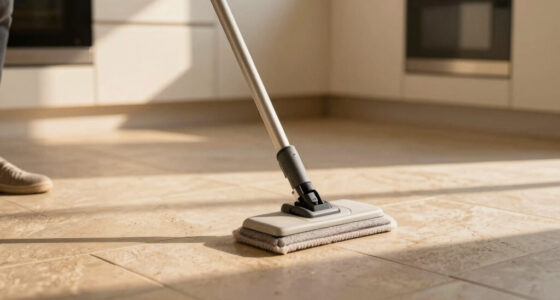
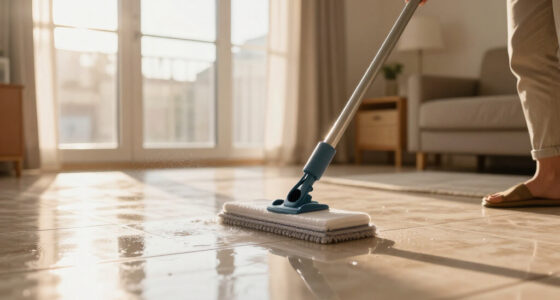
steam mop for sealed terracotta tiles
As an affiliate, we earn on qualifying purchases.
As an affiliate, we earn on qualifying purchases.
How to Know If Your Terracotta Tiles Can Handle Steam
- Perform a water test: sprinkle a few drops of water on a hidden corner of your tile. If the drops bead up, the surface is sealed. If the water soaks in quickly, it’s unsealed.
- Check with the manufacturer or installer if possible. They can tell you whether the tiles are sealed or glazed.
- Look for signs of sealing—glossy finish, smooth surface, or a visible sealant layer.
This simple test can save you a lot of trouble. Remember, even sealed tiles need gentle handling with steam, and always test a small area first.
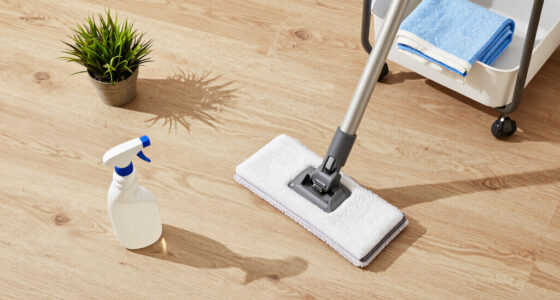
best dry mop for terracotta floors
As an affiliate, we earn on qualifying purchases.
As an affiliate, we earn on qualifying purchases.
Is Steam Mopping Safe for Sealed vs. Unsealed Terracotta?
| Sealed Terracotta | Unsealed Terracotta |
|---|---|
| More resistant to moisture, but seals can wear over time. | Highly vulnerable to water damage, staining, and warping. |
According to recent studies, sealed tiles handle light moisture better, but no surface is completely immune. Overuse or high heat can degrade the seal, exposing the porous material underneath. Unsealed tiles, however, are at high risk of long-term damage from steam.
If your tiles are sealed, use the lowest steam setting, keep the mop moving, and avoid lingering in one spot. For unsealed tiles, it’s safer to skip steam altogether and stick to dry or damp mopping.
As an affiliate, we earn on qualifying purchases.
Best Cleaning Methods for Terracotta Tiles — Without Damage
- Regular sweeping or vacuuming to remove loose dirt.
- Use a damp microfiber mop with a pH-neutral cleaner for regular cleaning.
- Avoid soaking the tiles or using harsh chemicals that can strip seals or damage the clay.
- Seal or reseal your tiles every few years to maintain a moisture barrier.
Imagine wiping away dirt with a soft cloth, feeling the gentle glide and hearing the faint squeak of cleaning. This is often enough to keep terracotta looking vibrant and warm without risking damage.
For stubborn spots, a soft-bristled brush and a gentle cleaner are your friends. Save steam for sealed tiles and always test first.
gentle steam cleaner for porous tiles
As an affiliate, we earn on qualifying purchases.
As an affiliate, we earn on qualifying purchases.
What Are the Risks of Using Steam Mops on Terracotta?
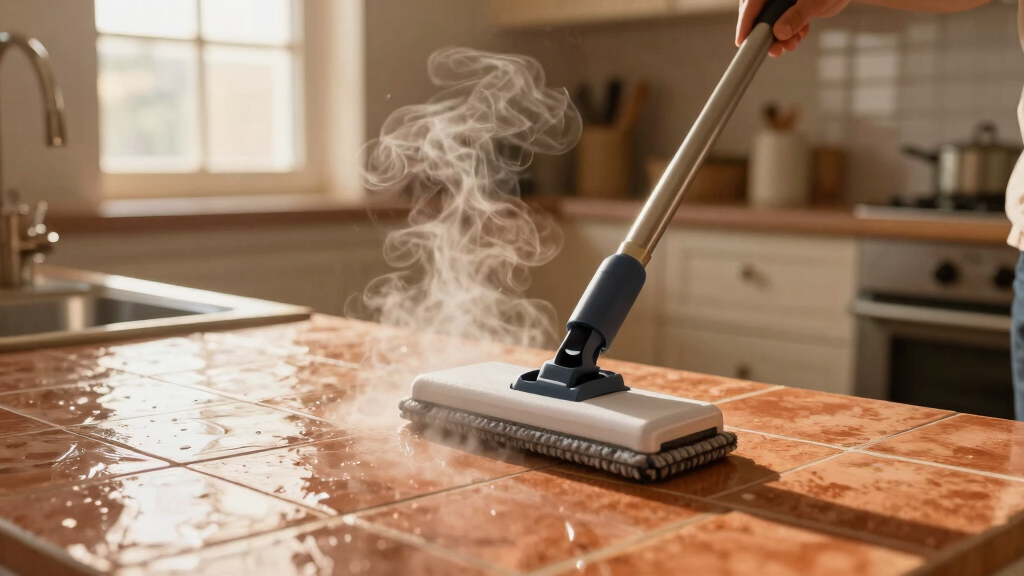
Using a steam mop on unsealed terracotta can lead to staining, efflorescence (white mineral deposits), and warping. The intense heat and moisture penetrate the porous surface, causing long-term deterioration. Even sealed tiles can suffer if the seal degrades or if too much steam is applied.
For example, a homeowner who steam-cleaned unsealed terracotta for the first time might notice cloudy patches or discoloration weeks later. That’s because moisture gets trapped underneath the surface, breaking down the clay’s integrity.
Always proceed with caution, and remember: if in doubt, dry or damp mopping is safer and just as effective for regular cleaning.
Practical Tips for Safe Steam Cleaning on Terracotta
- Set your steam mop to the lowest or gentle steam setting.
- Keep the mop moving—don’t stay in one spot for more than a second.
- Test a small, hidden area first to check for any adverse effects.
- Limit steam cleaning to sealed tiles or consult with a professional if unsure.
- Follow up with a dry microfiber cloth to remove residual moisture.
Imagine a gentle wave over your tiles, barely touching the surface but clearing away dirt. That’s the approach that minimizes risk while maintaining cleanliness.
Remember, the goal is to clean without pushing moisture into the clay. When in doubt, opt for traditional damp mopping.
Frequently Asked Questions
Can I safely use a steam mop on sealed terracotta tiles?
Yes, sealed terracotta tiles can usually handle gentle steam if you set the mop to the lowest heat and keep it moving. Always test first and avoid lingering in one spot.How do I tell if my terracotta tiles are sealed?
Sprinkle a few drops of water on an inconspicuous area. If it beads up and stays on the surface, they’re sealed. If it soaks in quickly, they’re likely unsealed and more vulnerable.What’s the safest way to clean terracotta floors?
Sweep or vacuum regularly, then damp-mop with a pH-neutral cleaner. Avoid excessive water, harsh chemicals, or high heat from steam cleaners unless your tiles are confirmed sealed.Can sealing protect my terracotta from steam damage?
Sealing creates a barrier that helps prevent moisture penetration, making steam cleaning safer. Still, always use low settings and test first.Should I hire a professional for deep cleaning or sealing?
If you’re unsure about your tiles’ condition or how to maintain them, consulting a flooring professional can ensure you avoid damage and keep your floors in top shape.Conclusion
Choosing how to clean terracotta tiles is about respecting their natural porosity and beauty. A gentle touch—whether with a damp cloth or a sealed surface and low steam—can keep your floors looking warm and inviting for years.
Remember, if your tiles aren’t sealed, steering clear of steam might save you from costly repairs later. Think of your tiles as baked clay—delicate yet resilient with proper care.
Halloween Picks
halloween
As an affiliate, we earn on qualifying purchases.