TL;DR

Get cleaning gear delivered free with Prime
- Fast, free delivery on millions of items
- Prime Video, Amazon Music and more included
- Member-only deals all year
Steam mops can damage laminate seams if used improperly. To avoid water damage, use low steam settings, keep the mop moving, and consider safer alternatives like dry or minimal-moisture cleaning methods.
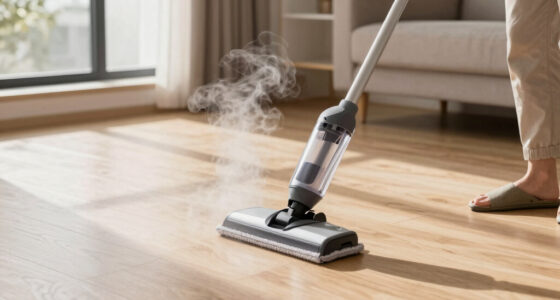
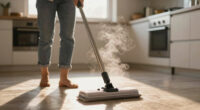
Imagine steam rising softly from your mop, promising a quick, deep clean. But for laminate floors, especially at the seams, that steam can become a threat, causing swelling or warping. If you’re wondering whether you can safely use a steam mop without risking water damage, you’re not alone. Many homeowners want the convenience of steam cleaning but worry about the delicate nature of laminate surfaces. This guide will clarify what works, what doesn’t, and how to keep your floors looking their best without risking costly damage.
By the end, you’ll know how to use steam mops carefully, when to avoid them altogether, and what alternatives might serve you better. Protect your investment, enjoy a spotless floor, and keep those seams sealed tight—safely.
Use only steam mops with adjustable, low-heat settings if you plan to clean laminate floors.
Always test a small, hidden area first to prevent unseen damage.
Keep the mop moving and avoid holding it over seams or joints for too long.
Safer cleaning options include dry sweeping and microfiber damp cloths with laminate-specific cleaners.
Stay alert for signs of water damage, like warping or swelling, and act quickly if they appear.
What Makes Laminate Floors Sensitive to Water and Steam?
Laminate flooring consists of multiple layers—think of it as a sandwich of durable materials topped with a photograph of wood or stone. While tough, these layers are sensitive to moisture. When water seeps into the seams or gaps, it can cause swelling, warping, or delamination—the layers peeling apart like soggy cardboard. For example, if you spill a glass of water or use too much liquid during cleaning, you might notice your floor warping within days.
Seams are especially vulnerable because they’re tiny entry points for moisture. Even a small amount of steam, if held over a seam too long, can penetrate and cause damage. That’s why understanding your laminate’s characteristics—like it being made of multiple layers with a waterproof topcoat—is key to choosing the right cleaning method.
Furthermore, the implications of water damage extend beyond just appearance. Once moisture infiltrates, it can lead to mold growth beneath the surface and compromise the structural integrity of your flooring. The tradeoff is clear: while steam cleaning offers convenience and sanitation, it risks pushing moisture into vulnerable points. Recognizing these vulnerabilities helps you weigh the benefits against potential long-term damage, guiding you toward safer cleaning practices.
adjustable steam mop for laminate floors
As an affiliate, we earn on qualifying purchases.
As an affiliate, we earn on qualifying purchases.
Can You Safely Use a Steam Mop on Laminate Floors? Here’s When It’s Okay (And When It’s Not)
The short answer: not all steam mops are created equal, and using one on laminate floors requires caution. If your steam mop has adjustable settings or a low-heat, low-steam mode, you might be able to use it carefully. But many models produce high-temperature steam that can seep into seams and cause damage. The key is understanding that the risk isn’t just about immediate damage—it can also weaken the laminate’s core over time, leading to costly repairs or replacement.
For example, a homeowner trying to clean a kitchen laminate floor with a standard steam mop noticed soft spots forming at the seams after a few sessions. That’s a sign that moisture was penetrating and weakening the integrity of the floor. The implications are significant: repeated exposure to high heat and moisture can cause the layers to delaminate, resulting in bubbling, lifting, or permanent warping. Always check your mop’s manual—if it advises against steam cleaning laminate, follow that advice, as ignoring it might void warranties or cause irreversible damage.
In general, avoid traditional steam mops unless they explicitly mention compatibility with laminate or have adjustable steam controls. When in doubt, it’s safer to choose cleaning methods that control moisture exposure more precisely, thus preserving your floors’ lifespan and appearance.
microfiber cleaning cloths for laminate floors
As an affiliate, we earn on qualifying purchases.
As an affiliate, we earn on qualifying purchases.
How to Use a Steam Mop on Laminate Floors Without Causing Water Damage
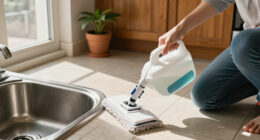
- Choose the right steam mop: Look for models with adjustable, low-heat steam settings or controlled release features. This allows you to tailor the moisture output to minimize risk, which is crucial for delicate laminate surfaces.
- Test first: Always try a small, inconspicuous area to observe any changes over 24 hours. This step helps prevent widespread damage, especially since some laminates may react differently depending on their finish or age.
- Keep moving: Don’t hold the mop stationary over seams or joints. Moving it steadily ensures the heat and moisture are dispersed evenly, reducing the likelihood of moisture seeping into gaps and causing damage.
- Use minimal steam: Set your mop to the lowest steam setting, and avoid using the steam function directly over seams or edges where moisture can accumulate. This delicate balance is key to preventing water infiltration.
- Short, controlled passes: Limit the duration of each pass, especially over joints and seams. Quick passes prevent excess moisture buildup, giving you cleaner floors without risking warping or swelling.
- Follow manufacturer instructions: Always adhere to your floor and mop manufacturer’s cleaning guidelines. Proper usage ensures you’re not inadvertently voiding warranties or causing damage due to misuse.
For example, a homeowner found success by using a steam mop with adjustable settings on the lowest level, moving quickly across the floor, and avoiding seams altogether. The result? Clean, shiny floors with no warping or swelling after months of careful use. This approach emphasizes the importance of understanding your equipment and respecting the sensitivities of laminate surfaces, ultimately extending their lifespan.
As an affiliate, we earn on qualifying purchases.
Safer Alternatives to Steam Mopping for Laminate Floors
If you’re hesitant about steam, there are plenty of other ways to keep your laminate floors spotless without risking water damage. Consider these options:
- Dry sweeping or dust mopping: Use a microfiber dust mop to remove debris and dust, preventing scratches and buildup. This method is gentle yet effective, and it avoids introducing moisture altogether.
- Microfiber damp cloths: Lightly dampen a microfiber cloth or mop with plain water or laminate-specific cleaner. Wring it out thoroughly so it’s just barely moist. This controlled dampness ensures you clean without saturating the floor, reducing the risk of moisture seeping into seams.
- Laminate-approved cleaners: Use cleaning solutions formulated for laminate, applied with a microfiber cloth, not sprayed directly onto the floor. These cleaners are designed to lift dirt without leaving excess moisture that could damage the layers.
- Spot cleaning: Tackle spills immediately with a dry or slightly damp cloth to prevent moisture from penetrating the surface. Addressing spills promptly minimizes the need for wet cleaning and preserves the integrity of your laminate.
For instance, a busy parent swears by sweeping daily and spot-cleaning with a damp microfiber cloth. This routine not only maintains cleanliness but also preserves the laminate’s structure and appearance over time. The key is understanding that minimizing moisture exposure is essential for longevity, and these methods strike a balance between cleanliness and preservation.
As an affiliate, we earn on qualifying purchases.
Latest Innovations Making Steam Cleaning Safer for Laminate Floors
Recent technological advancements are significantly improving the safety profile of steam cleaning. Some modern steam mops now feature adjustable steam controls, allowing you to dial down the heat and moisture output to levels suitable for sensitive surfaces like laminate. Additionally, new models incorporate sealed steam chambers or targeted steam jets that deliver moisture precisely where needed, minimizing excess exposure.
For example, a recent model from a leading brand offers an eco-friendly, low-moisture setting specifically designed for delicate surfaces. These innovations mean that, with proper usage, you can achieve the sanitation benefits of steam cleaning without the associated risks. Manufacturers are also developing laminate-specific steam cleaners or recommending alternative cleaning tools that incorporate micro-fiber technology or low-moisture steam options. Industry guidelines now lean toward cautious use—highlighting that, if used with care and correct settings, some newer models can significantly reduce the risk of damage. Always read product specs and reviews before investing to ensure compatibility and safety for your specific flooring type.
What Signs Show Your Laminate Floor Has Water Damage?
Water damage on laminate floors manifests through visible and tactile signs that indicate moisture has penetrated beyond the surface. Warping or buckling at the seams occurs because the layers beneath the surface swell as they absorb water, compromising the floor’s structural integrity. Discoloration or dark spots may appear where moisture has seeped in, indicating ongoing damage. A soft, spongy feel when walking on certain areas suggests the core layers are compromised and absorbing water. For example, after a heavy spill that wasn’t dried promptly, a homeowner noticed the planks near the sink starting to lift and warp within days, illustrating how quickly damage can progress.
Early detection is vital. If you suspect water damage, stop using water or steam immediately to prevent further deterioration. Consult a flooring professional for an assessment and possible repairs. Addressing damage early can often prevent total replacement, saving costs and preserving the aesthetic and functionality of your flooring. Recognizing these signs enables you to act swiftly and avoid long-term consequences, emphasizing the importance of cautious cleaning and immediate action upon noticing issues.
Frequently Asked Questions
Can I use a steam mop on laminate flooring safely?
It depends on your mop’s features and your flooring manufacturer’s advice. If your steam mop has adjustable, low-heat settings and you follow safety tips, it can be used carefully. Always check your floor’s guidance first.How can I clean laminate seams without water damage?
Use a microfiber cloth dampened with minimal water or laminate-specific cleaning solutions. Avoid soaking the cloth, and never hold a wet mop over seams for long periods.What are the signs my laminate floor has water damage?
Look for warping, swelling, buckling, or discoloration. Soft or spongy spots also indicate moisture has penetrated. Catching these early can prevent costly repairs.Are there safe alternatives to steam mopping for laminate floors?
Yes, regular dry sweeping, dust mopping, and spot cleaning with damp microfiber cloths are safer options to keep your floors clean without risking water damage.What precautions should I take if I want to use a steam mop?
Always choose a model with adjustable steam, test a hidden area first, keep the mop moving, and avoid holding it over seams. Follow your manufacturer’s instructions closely.Conclusion
When it comes to laminate floors, caution beats convenience. A careful approach—using low steam, quick passes, and safer alternatives—protects your floors from costly damage. Remember, sometimes a simple dry sweep works just as well as steam for everyday cleaning.
Imagine gliding across your pristine laminate surface, knowing you’ve kept it safe and beautiful. Keep your seams sealed, your moisture minimal, and your floors happy for years to come.
Fall Picks
fall essentials
As an affiliate, we earn on qualifying purchases.