TL;DR

Get cleaning gear delivered free with Prime
- Fast, free delivery on millions of items
- Prime Video, Amazon Music and more included
- Member-only deals all year
Steam mops are generally unsafe for antique or reclaimed wood floors because of moisture and heat damage risks. Stick to dry dusting or gentle cleaning methods, and always check your floor’s finish before using any cleaning tools.
Imagine a beautifully worn antique floor—rich in character, but fragile. You want it spotless, but the question lingers: can you steam mop such delicate surfaces without causing harm? The truth is, most flooring experts warn against using steam cleaners on antique or reclaimed wood. The high heat and moisture can turn a treasured surface into a warped, cracked mess. Yet, knowing what safe cleaning looks like can save you from costly repairs and preserve the beauty of your floors.
In this guide, you’ll learn why steam mops are often too harsh for these vintage surfaces, what safer cleaning methods exist, and how to spot damage early. Whether you own a historic home or reclaimed wood flooring, understanding your options is key to keeping your floors both clean and intact.
Most antique and reclaimed wood floors are too delicate for steam mops due to moisture and heat risks.
Regular dusting with a microfiber cloth is the safest way to keep vintage floors clean.
Use barely damp cloths and gentle cleaners for deeper cleaning—never soak the surface.
Always test cleaning methods in a hidden area before tackling the entire floor.
Early signs of damage include warping, cracking, and discoloration—spot these quickly to prevent costly repairs.
Can You Steam Mop Antique or Reclaimed Wood Floors?
Usually, no. Steam forces high heat and moisture into vulnerable boards, joints, and historic finishes. Dry dusting and carefully controlled, low-moisture cleaning are the safer ways to preserve character without inviting warping, cracks, or delamination.
Heat and water exploit every weakness.
Antique and reclaimed boards often have open seams, dry fibers, uneven repairs, and finishes that were never designed for pressurized vapor. Damage may begin beneath the visible surface.
Swelling & warping
Vapor can enter seams and porous areas. Wood fibers absorb it, swell unevenly, and may leave boards cupped, crowned, or distorted.
Cracks & stress
Rapid heating and cooling drives uneven expansion and contraction, creating stress points that can lead to splits and brittle edges.
Clouding & lift
Wax, shellac, oil, and aging sealants may soften, haze, separate, or delaminate—exposing raw wood to further damage.
Use the least moisture that gets the job done.
Begin gently and escalate only when needed. The floor’s finish, condition, and manufacturer or restoration guidance should determine the final method.
Dry dust
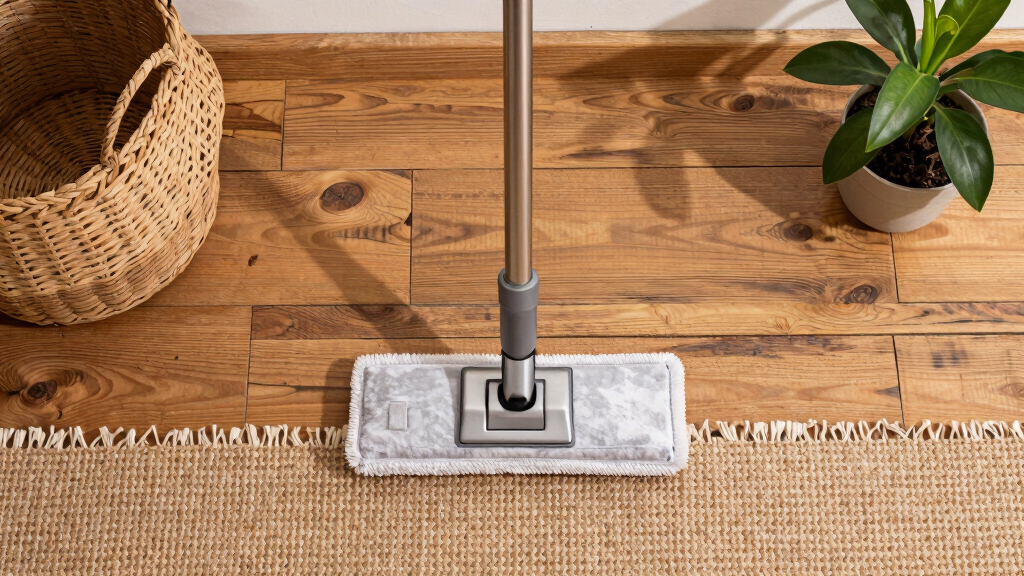
Lift grit with a soft microfiber mop. Removing abrasive particles prevents fine scratches.
Inspect
Check for open joints, loose finish, wax, cracks, discoloration, and existing moisture damage.
Patch test
Try the cleaner in a hidden area and allow enough drying time to reveal haze or color change.
Wipe gently
Use a barely damp microfiber cloth and a compatible wood cleaner. Never soak or scrub hard.
Convenience versus preservation.
Steam may feel quicker, but gentle cleaning offers far more control. For irreplaceable boards, the slower method protects both the finish and the floor beneath it.
| Feature | Steam mop | Gentle cleaning |
|---|---|---|
| Moisture level | ✗ High and difficult to contain | ✓ Low with a barely damp cloth |
| Heat impact | ✗ Can stress fibers and finishes | ✓ Minimal thermal stress |
| Vintage finish compatibility | ✗ Generally not recommended | ✓ Best when matched to the finish |
| Control around seams | ✗ Vapor can enter gaps | ✓ Targeted and controlled |
| Ease of use | ~ Quick, but risky | ~ Slower, but safer |
Possible exception: a fully sealed reclaimed floor with explicit manufacturer approval. Confirm the finish, seek professional guidance, and test first.
Watch for damage before it spreads.
Cleaning damage can develop gradually. Inspect after every unfamiliar treatment and pay special attention to seams, high-traffic zones, repaired boards, and areas with worn finish.
Warping
Raised edges, cupping, crowning, or boards that no longer sit flat.
Cracking
New splits, widened seams, brittle finish, or lifting surface layers.
Discoloration
Dark patches, pale areas, cloudy finish, rings, or uneven color.
Dullness
A hazy, sticky, rough, or uneven sheen after cleaning.
Preserve the patina, not just the shine.
Vintage floors tell their story through age, texture, and wear. A conservative cleaning routine protects that history while reducing the likelihood of costly restoration.
Steam mops are generally too risky for antique and reclaimed wood.
Soft, dry microfiber is the safest regular cleaning method.
For deeper cleaning, use a barely damp cloth—never a soaked one.
Identify the finish and test every new method in a hidden spot.
Respond early to warping, cracking, clouding, or discoloration.
When the floor is old, rare, or uncertain, choose dry and gentle care—and let a flooring professional handle restoration-level cleaning.
Why Steam Mops Usually Damage Antique or Reclaimed Wood Floors
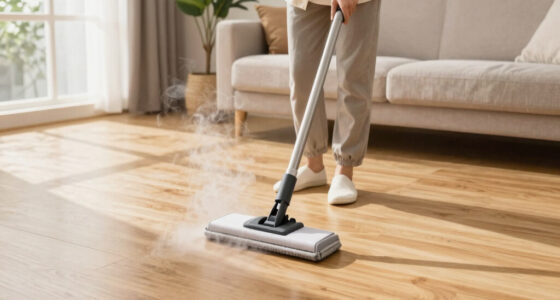
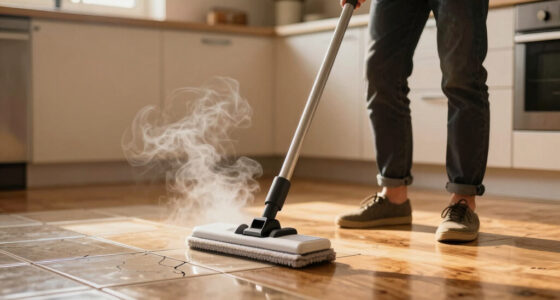
Steam mops use high-temperature steam to loosen dirt, but that heat and moisture are a double-edged sword for antique or reclaimed wood. The porous, often older finishes on these floors can’t handle the sudden influx of moisture. Think of it like pouring water on a fragile, dried-out sponge—damage happens fast.
For example, a historic maple floor with a wax finish might develop cracks, warping, or even delamination if exposed to steam. The heat causes wood fibers to expand and contract unevenly, which can weaken the structural integrity of the wood over time. This uneven expansion creates stress points that lead to cracking or delamination of the finish, ultimately exposing raw wood to further damage. The moisture can penetrate into the wood, causing swelling or warping that might not be immediately visible but will worsen with time. These effects compromise both the aesthetic and structural aspects of your floors, making repairs costly or impossible. Most experts agree that the small convenience of a steam mop is not worth risking irreversible damage, especially since traditional cleaning methods effectively preserve vintage finishes.
While some newer steam cleaners claim to have adjustable steam levels, the inherent risks remain. The delicate balance of moisture and heat control necessary to protect antique floors is difficult to achieve, and manufacturers generally advise against steam cleaning older, unsealed, or waxed surfaces. Understanding these tradeoffs underscores why cautious, dry cleaning methods are the gold standard for preserving such precious flooring.
microfiber dusting cloths for wood floors
As an affiliate, we earn on qualifying purchases.
As an affiliate, we earn on qualifying purchases.
How to Safely Clean Antique or Reclaimed Wood Floors
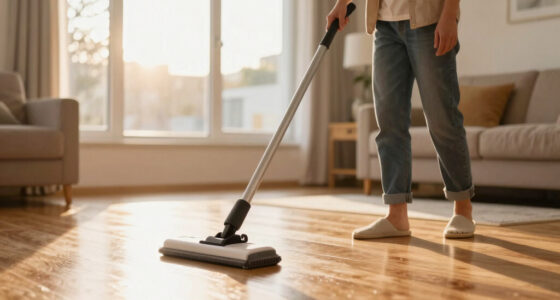
- Start with a soft, dry microfiber mop. Dust and debris are the main enemies—not dirt, as long as you avoid moisture. This simple step prevents scratching and keeps the finish intact by removing abrasive particles that could cause micro-scratches over time.
- If deeper cleaning is needed, dampen a microfiber cloth lightly with water or a gentle wood cleaner. Never soak the cloth; just a barely damp touch. This minimizes moisture exposure, which is critical because excess water can seep into the wood or finish, leading to swelling, warping, or finish deterioration.
- Gently wipe the surface, paying attention to high-traffic spots or stains. Avoid pressing hard, which can damage the finish or remove delicate surface layers. Gentle motions help preserve the original luster and prevent unnecessary wear.
- For stubborn dirt, consider specialized wood cleaners made for antique finishes. Always test in a small, hidden area first. This step ensures compatibility, preventing accidental stripping or discoloration that could compromise the floor’s appearance and integrity.
- Regular dusting keeps dirt from building up, reducing the need for wet cleaning. This simple step preserves the integrity of your floors over time, maintaining their beauty without risking moisture-related damage.
For example, a homeowner in an old Victorian house might use a microfiber duster weekly, then a damp cloth monthly for a gentle refresh. This routine effectively maintains the vintage charm while safeguarding the delicate finishes, avoiding the risks associated with steam cleaning. Consistency in gentle cleaning practices helps prolong the life and appearance of reclaimed wood floors, ensuring they continue to tell their story for generations.
As an affiliate, we earn on qualifying purchases.
Comparing Steam Mops and Safe Cleaning Methods for Vintage Floors
| Feature | Steam Mop | Gentle Cleaning |
|---|---|---|
| Moisture Level | High, unless specially designed | Low, using barely damp cloths |
| Heat Impact | High, can cause cracks and warping | Minimal, safe for delicate finishes |
| Surface Compatibility | Generally not recommended | Highly recommended, especially for antique/reclaimed |
| Ease of Use | Quick, but risky | Slower, but safe and effective |
When comparing cleaning options, the table highlights that gentle, dry methods are far safer than steam mops for vintage floors. The tradeoff is that these methods may require a little more time and effort but ultimately protect your investment and preserve the historic or reclaimed finish. If a deep clean is necessary, opting for low-moisture, gentle techniques—such as light damp wiping or using specialized cleaning products—offers a safer alternative that minimizes long-term damage.
dry dusting tools for antique floors
As an affiliate, we earn on qualifying purchases.
As an affiliate, we earn on qualifying purchases.
Signs Your Floor Is Getting Damaged by Cleaning Mistakes
Spotting trouble early can save you a lot of headaches. Warping, cracking, discoloration, or a dull, uneven finish signal that your cleaning method is too harsh. For example, if you notice a section of your reclaimed oak floor looking cloudy after cleaning, that might indicate moisture seeping into the finish and affecting the underlying wood. These signs often appear gradually, making regular inspections crucial. The longer damage is left unchecked, the more extensive and costly the repairs become. Damage from improper cleaning can compromise the structural integrity of the floor, leading to costly refinishing or replacement. Recognizing early signs allows you to stop using harmful cleaning methods immediately and seek professional advice to assess the damage. Remember, antique and reclaimed woods often have sensitive finishes that don’t recover easily once compromised. Being vigilant and cautious helps preserve the original beauty and value of your floors for decades to come.
As an affiliate, we earn on qualifying purchases.
What to Do if You Accidentally Use a Steam Mop on Antique or Reclaimed Floors
If you’ve already used a steam mop, don’t panic. First, gently wipe the area with a dry cloth to absorb excess moisture and prevent immediate further penetration into the wood or finish. Next, closely monitor the affected area over the following days for signs of damage such as warping, cracking, or discoloration. If you observe any of these symptoms, consult a flooring professional promptly. They can assess the extent of damage and recommend appropriate repairs, which might include refinishing or other restorative procedures. To prevent future issues, switch to dry cleaning methods—such as dusting and light damp wiping—and consider professional refinishing if the damage appears significant. Remember, patience and gentle care are your best allies. Acting quickly and carefully can help minimize long-term harm, but the key is to avoid further moisture exposure and seek expert advice if needed. Long-term preservation depends on cautious handling after accidental misuse.
Frequently Asked Questions
Can I use a steam mop on reclaimed wood floors if I adjust the steam level?
Even with adjustable steam levels, most experts advise against using steam mops on reclaimed wood floors. The risk of moisture and heat damage remains high, especially if you’re unsure about the finish’s condition.
What’s the safest way to remove stubborn stains from antique wood floors?
Use a soft, damp microfiber cloth with a gentle, wood-specific cleaner. Test in a hidden spot first. Avoid harsh chemicals or soaking the wood, which can cause more harm than good.
How can I tell if my antique floor can handle mild steam cleaning?
Check with the flooring manufacturer or a professional. Look for signs of a modern, sealed finish—if unsure, stick to dry cleaning to preserve the delicate surface.
What are the long-term effects of using steam on old wood floors?
Repeated exposure can cause warping, cracking, and finish deterioration. Over time, moisture can penetrate the wood, leading to irreversible damage and costly repairs.
Are there any safe steam cleaners designed for antique or reclaimed wood?
Some low-heat, low-moisture steam cleaners with adjustable settings exist, but always test in a small area first and consult flooring experts before use.
Conclusion
When it comes to antique or reclaimed wood floors, gentle cleaning beats quick fixes. Steam mops may seem tempting, but their risks outweigh the convenience. Instead, keep your vintage surfaces looking stunning with simple, cautious techniques—your floors will thank you for it.
Think of your floors as living history. Treat them with respect, and they’ll continue to tell their stories for decades to come.
Halloween Picks
halloween
As an affiliate, we earn on qualifying purchases.