
TL;DR

Get cleaning gear delivered free — and shop member deals
- Fast, free delivery on millions of items
- Access to Prime Big Deal Days deals on October 6–7
- Prime Video, Amazon Music and more included
A Hunker report ranks four common driveway materials using upfront cost, functional lifespan, maintenance needs and customization potential. Gravel is the least expensive but needs frequent attention, while pavers cost the most and offer the longest reported lifespan and greatest design flexibility.
Hunker has compared four common driveway materials—gravel, asphalt, concrete and pavers—ranking them from worst to best across upfront cost, functional lifespan, maintenance and customization. The ordering highlights a trade-off rather than a single best choice: gravel costs the least to install, while pavers have the highest stated price and the longest potential lifespan.
The report places gravel last overall despite estimating its installed price at about $2 to $4 per square foot, including labor. It says a properly installed gravel driveway can last indefinitely with routine care, but recommends grading and adding a fresh top layer every one to three years. Rain, snow and heavy use can bring forward other repairs, such as filling and tamping potholes.
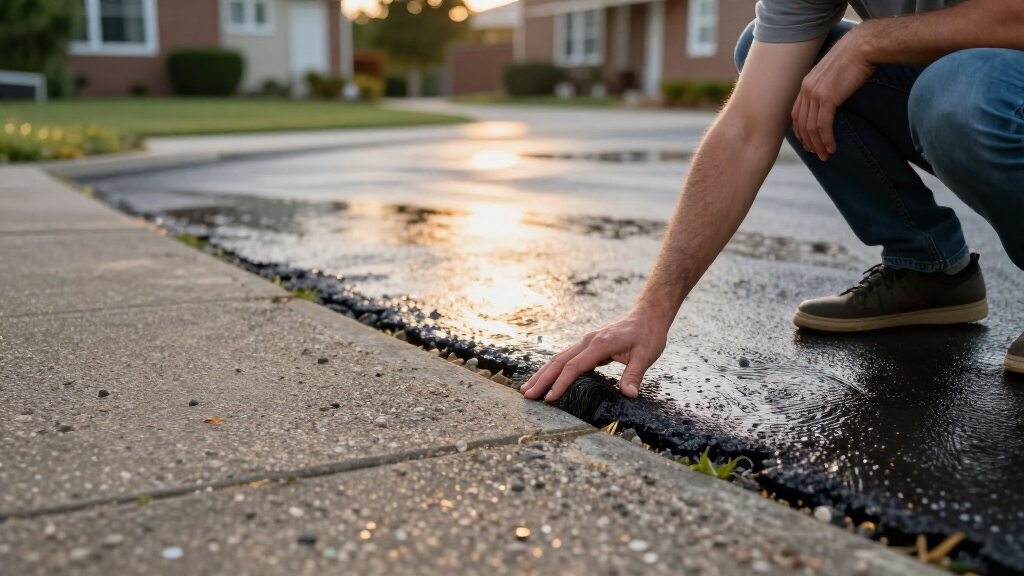
Asphalt ranks ahead of gravel for its lower installation price and more moderate upkeep. The report cites an Angi estimate of $7 to $13 per square foot, including materials and labor, and says most asphalt driveways last about 20 years, possibly longer with timely maintenance. It reports that resealing is recommended every two to three years and that small cracks may appear after about five years.
Concrete and pavers occupy the top two positions. Hunker gives concrete an estimated installation cost of $8 to $20 per square foot and a typical lifespan of around 30 years without major repairs when properly installed. Pavers are estimated at $18 to $24 per square foot, with a functional lifespan of up to 50 years. The report says individual pavers can be replaced separately and offers more choices in colors, shapes and sizes than the other materials.
How Cost Changes the Ranking
The comparison matters to homeowners because the cheapest initial installation is not necessarily the least demanding over time. Gravel can reduce the upfront bill, but its recurring grading and replenishment may require repeated work. Asphalt costs more at installation and needs periodic sealing and patching, while concrete and pavers can offer longer service lives at higher initial prices.
Those figures do not establish which option will be cheapest over a particular homeowner’s full ownership period. Actual expenses depend on local labor and material prices, driveway size, site conditions, weather, traffic and installation quality. The ranking is best read as a decision aid: buyers must weigh budget, maintenance tolerance, expected durability and appearance, rather than treating the order as a universal verdict.
best driveway pavers for longevity
As an affiliate, we earn on qualifying purchases.
As an affiliate, we earn on qualifying purchases.
Four Materials, Four Trade-Offs
Hunker says it ranked the materials on four criteria: upfront cost, functional lifespan, maintenance and customization. It deliberately left out default appearance because preferences differ—for example, some owners prefer gravel while others favor asphalt. The supplied report gives price and lifespan estimates but does not provide a single standardized calculation combining the four criteria into a score.
The reported maintenance schedules also differ. Hunker says concrete generally needs resealing every two to 10 years and pressure washing at least annually. For pavers, it cites annual power washing, professional resealing every three to four years depending on traffic, and deep cleaning with re-sanding every two to three years. These are recommendations in the report, not guarantees that every driveway will follow the same schedule.
““A gravel driveway can last indefinitely if properly installed and routinely maintained.””
— Hunker report
affordable asphalt driveway sealant
As an affiliate, we earn on qualifying purchases.
As an affiliate, we earn on qualifying purchases.
What the Estimates Leave Out
The supplied report does not state a publication date, explain how it weighted each ranking criterion, or provide a full cost-of-ownership calculation. Its per-square-foot prices are estimates attributed in part to Angi and Homewyse; the figures may vary by location, project scope and date. The source also does not set out how driveway base preparation, drainage, permits or regional climate affect installation costs and longevity.
Actual service life is uncertain for an individual property. Hunker’s lifespan figures include conditions such as proper installation and maintenance, and damage can depend on factors such as water intrusion, tree roots and freeze-thaw cycles. The report does not establish that pavers will last 50 years, or that every concrete driveway will reach 30 years.
As an affiliate, we earn on qualifying purchases.
What Homeowners Should Compare
The report offers a starting point, not a project quote. Before choosing a surface, homeowners can seek local estimates that specify materials, preparation, drainage and labor, then compare maintenance schedules and repair options alongside the initial price. For a fair comparison, estimates should cover the same driveway area and work scope.
There is no further development or follow-up announcement in the supplied material. The practical next step for readers is to match the material to their budget and upkeep preferences, while checking local costs and site requirements; the ranking itself does not resolve which option is best for a specific property.
As an affiliate, we earn on qualifying purchases.
Key Questions
Which driveway material has the lowest reported installation cost?
Gravel, estimated by Hunker at about $2 to $4 per square foot, including labor. Local prices and project requirements can differ.
Which material has the longest stated functional lifespan?
Hunker says pavers can last up to 50 years. That is a potential lifespan in the report, not a guarantee for every installation.
How often does an asphalt driveway need resealing?
The report says installers recommend resealing asphalt every two to three years. Maintenance needs can vary with condition, weather and use.
Does the ranking prove pavers are the best choice for every homeowner?
No. The ranking weighs four criteria, but the report does not provide a universal cost calculation or account for every site and budget. The best fit depends on price, maintenance, durability and personal priorities.
Source: rss
Fall Picks
fall essentials
As an affiliate, we earn on qualifying purchases.