TL;DR

Get cleaning gear delivered free — and shop member deals
- Fast, free delivery on millions of items
- Access to Prime Big Deal Days deals on October 6–7
- Prime Video, Amazon Music and more included
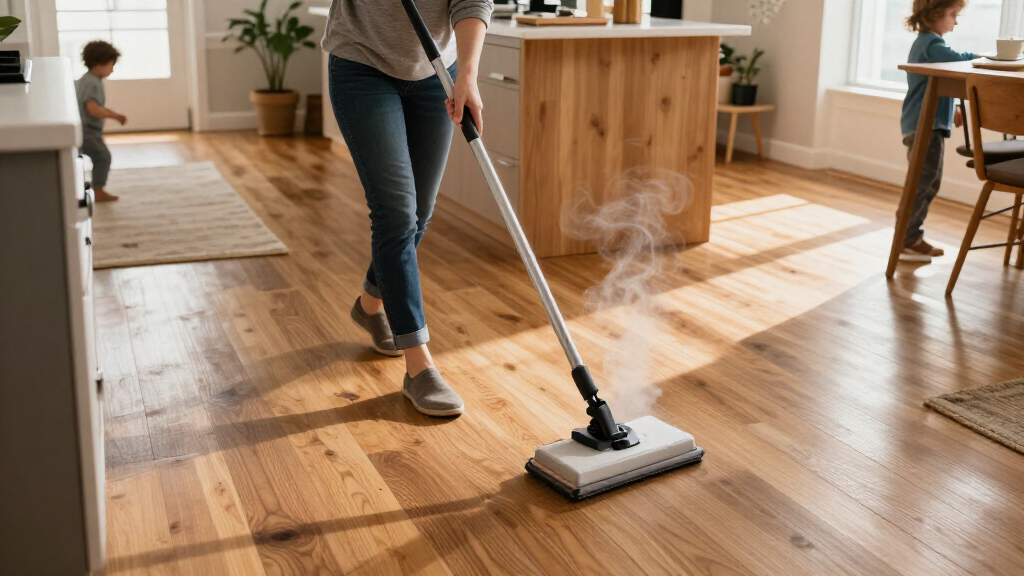
Steam mops are generally not recommended for hardwood floors because heat and moisture can reach the wood through worn finish, scratches, or open seams. Check your flooring maker’s instructions before using steam; unless they explicitly approve it, choose a floor-safe vacuum and a lightly damp microfiber mop with an approved cleaner.
A steam mop can leave a floor looking dry while heat and moisture have already reached vulnerable wood. That mismatch is why a shiny-looking hardwood floor is not proof that steam cleaning was safe.
If you’re weighing steam mops for hardwood floors, the safest default is simple: skip steam unless your flooring manufacturer explicitly approves it. In this guide, you’ll learn why sealed floors can still be at risk, what to check before cleaning, and how to remove everyday dust and spills with less chance of damaging your floor.
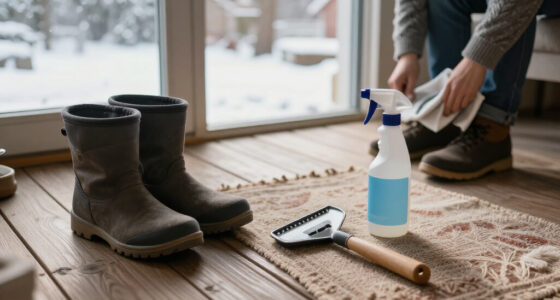
That advice applies to solid and engineered hardwood, though the risks depend on the finish, floor condition, and installation. You’ll also get a practical routine for a Monday-morning coffee splash or a gritty trail of winter salt—without turning floor care into a chemistry project.
Use steam on hardwood only if the flooring manufacturer explicitly approves it for your exact floor and finish.
A sealed finish can still have vulnerable scratches, worn areas, edges, and seams where heat or moisture may reach the wood.
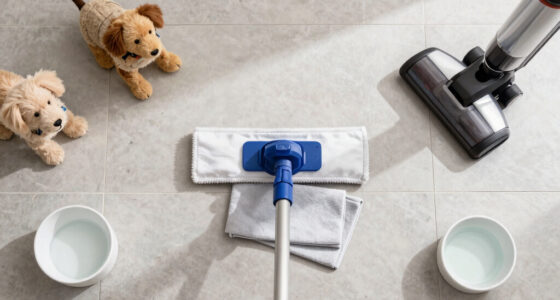
For routine cleaning, remove grit with a soft broom or floor-safe vacuum, then use a well-wrung microfiber mop and approved cleaner.
Avoid assuming that a low steam setting or a nearly dry pad makes steam safe.
Check manufacturer care instructions for laminate and luxury vinyl too; hard-floor marketing does not prove product compatibility.
Why steam can damage hardwood, even when the floor looks sealed
Steam mops for hardwood floors are generally a poor match because they deliver heat and moisture to a material that can swell, warp, or lose its finish when water gets where it shouldn’t. A surface finish can slow water exposure, but “sealed” does not mean steam-proof.
Think of a finished wood floor as a raincoat with tiny weak spots. A scratch near the fridge, a gap between boards, or a worn strip by the doorway can give hot vapor a route beneath the surface. After repeated cleaning, you might notice cloudy patches, dullness, lifted finish, raised edges, or swelling near seams. Damage may develop over time rather than appearing after one pass.
For example, imagine running a steam mop across an older oak kitchen floor every Saturday. The middle of each plank still looks glossy, but the edges near the sink start to look pale and slightly raised. A fast-drying surface doesn’t rule out moisture getting into those vulnerable areas.
Risk depends on the floor’s construction and condition. Solid and engineered hardwood can both be affected; an engineered core does not automatically make a product steam-safe. Older floors, open seams, damaged finishes, and areas with past water damage call for extra caution.
Practical rule: If the flooring maker’s care guide prohibits steam—or doesn’t clearly approve it—don’t use a steam mop on that floor.
floor-safe microfiber mop for hardwood floors
As an affiliate, we earn on qualifying purchases.
As an affiliate, we earn on qualifying purchases.
Check these three things before you use a steam mop
Before using a steam mop on hardwood, get approval for your exact floor and finish from the flooring manufacturer. A mop’s “sealed floors” label is not the same as the floor maker saying steam is suitable for your product. If the guide says “no steam,” treat that as a clear stop sign.
Start with your installation paperwork or product name, then look up the care instructions or contact the manufacturer or installer. Check whether guidance covers your specific construction, finish, and cleaning method. If you can’t identify the floor, don’t use appearance alone to guess whether it is sealed: finishes can wear unevenly, and old coatings may hide weak spots.
Use this quick check before cleaning:
- Identify the floor: Find its brand, product line, finish, and installation documents. An engineered plank and a solid hardwood board may need different care.
- Read the care guide: Look for explicit permission to use steam, not just broad wording such as “sealed floor.” If instructions are unclear, ask the manufacturer.
- Check the surface: Look for scratches, lifted edges, open seams, dull patches, or water damage. Don’t test steam over a hidden spot unless the manufacturer says steam is allowed in the first place.
If the maker explicitly approves steam, follow its specific settings and instructions, then test a hidden area first. For instance, a homeowner who finds “use a damp microfiber mop; do not steam clean” in the care guide has a direct answer, even if a multi-surface mop box suggests it works on sealed floors. Manufacturer guidance takes precedence over marketing.
As an affiliate, we earn on qualifying purchases.
Choose the safer cleaning method for your floor
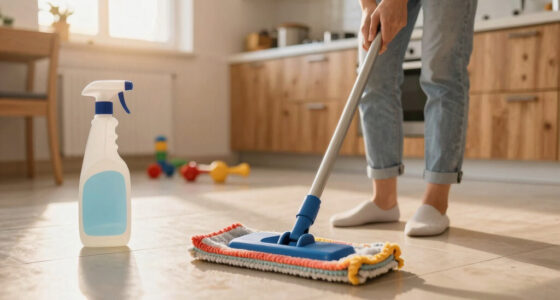
For routine hardwood care, a floor-safe vacuum or soft broom plus a lightly damp microfiber mop is usually a more cautious choice than steam. Dry grit can scratch a finish under your shoes, while a small amount of approved cleaner can lift everyday smudges without soaking the boards. The goal is a clean floor with no standing water left behind.
Here’s how the options compare:
| Cleaning method | What it handles | Hardwood caution |
|---|---|---|
| Soft broom or floor-safe vacuum | Dust, crumbs, grit, and pet hair | Use a soft brush or hardwood setting; avoid a beater bar if the maker advises against it. |
| Lightly damp microfiber mop | Footprints and ordinary surface soil | Use a well-wrung pad and cleaner approved for your finish; dry wet spots promptly. |
| Steam mop | Heat and moisture delivered through a mop pad | Not recommended unless the flooring manufacturer explicitly approves it. |
Say your dog tracks muddy paw prints across the hall. First vacuum the dried grit so it doesn’t drag like sandpaper. Then wipe the marks with a well-wrung microfiber pad and the cleaner named in your floor’s care guide. If the floor still feels wet after a pass, use less liquid next time.
Skip household mixtures unless the flooring maker approves them. Vinegar, abrasive cleaners, oil soaps, and excess water can harm some finishes or leave residue. A product marketed for hardwood is not automatically right for every finish, so check the label and floor instructions together.
As an affiliate, we earn on qualifying purchases.
Spot floor trouble early, without guessing from shine
A glossy surface cannot reliably tell you whether your hardwood finish is intact or whether steam is allowed. Appearance alone is not a dependable safety test, especially on an older floor with worn traffic lanes or small scratches. Use product records and manufacturer guidance instead of a home experiment with hot vapor.
Look at the floor in daylight, especially near sinks, exterior doors, and board joints. You’re checking for changes such as cloudy or dull patches, peeling finish, raised plank edges, swelling, and seams that look more open than usual. A small change can be easy to miss under warm kitchen lights, so compare the area with an unaffected part of the room.
Suppose you steamed the hallway once and later notice a pale, rough-looking patch near a door. Stop steam cleaning and check the care instructions; don’t repeat the pass to see whether the spot disappears. If the area is swollen, peeling, or changing, contact the flooring maker or installer for advice rather than applying polish or another cleaner.
If you already used a steam mop and see no visible change, that doesn’t prove the method is safe for future cleaning. Stop until you verify the floor guidance, then monitor for changes. Repeated exposure can increase the chance of damage, and the mop’s lowest setting does not guarantee that heat and moisture stay out of seams.
Don’t confuse “no damage I can see today” with manufacturer approval. The care guide—not the floor’s shine—should decide whether steam belongs in your routine.
As an affiliate, we earn on qualifying purchases.
Apply the same caution to laminate and luxury vinyl
Don’t assume a steam mop is safe for laminate or luxury vinyl just because the product is described as a hard-floor cleaner. Each flooring material has its own care rules, and heat or moisture may damage some products or reach vulnerable seams. Check the flooring manufacturer’s instructions for the exact product.
This matters in homes with mixed flooring. You might have hardwood in the dining room, laminate in a spare bedroom, and luxury vinyl plank in the basement. A mop that suits one surface may still be unsuitable for the next, even if all three look smooth and sealed. Read the label on the floor—not just the label on the cleaning appliance.
For example, if you take a steam mop from a tile kitchen into a neighboring LVP entryway, stop and check the LVP care guide first. Look for explicit steam-cleaning approval and any limits on temperature or technique. If the guide is silent, choose the product’s recommended alternative rather than treating silence as permission.
The same cautious approach applies to products advertised for “sealed floors.” That phrase describes a broad category, not a promise that every hardwood, laminate, or vinyl finish can handle hot vapor. Floor-maker approval is the deciding guidance, especially if the product has seams, a worn surface, or a history of water exposure.
Build a simple routine that keeps dirt down and water low
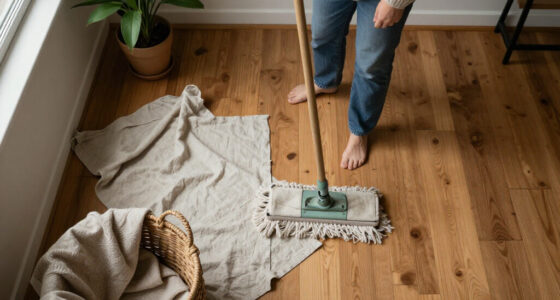
You can keep hardwood looking tidy without a complicated product lineup: remove grit dry, clean marks with little moisture, and wipe up spills promptly. Less water on the floor means less water available to seep into seams. A washable microfiber pad can handle many everyday messes and reduce the need for disposable wipes.
Picture a weekday breakfast: a few crumbs under the table, a sticky orange-juice drop, and dusty paw prints by the back door. Sweep or vacuum the crumbs first. Blot the juice rather than spreading it, then wipe the spot with a lightly damp microfiber cloth and an approved cleaner. The floor should not be left with a wet sheen or puddle.
Use these habits as a practical baseline:
- Pick up grit regularly: Use a soft broom or a floor-safe vacuum, particularly at entries where sand and salt collect.
- Use a well-wrung pad: It should feel damp, not drip when you press it.
- Follow the cleaner label: Use a product approved for your finish; avoid unapproved vinegar, abrasive products, and oil soaps.
- Deal with spills quickly: Blot liquid and dry the spot so it doesn’t sit around board edges.
These steps are often enough for normal household dirt. If a patch stays sticky after one careful wipe, check whether the cleaner leaves residue or whether the floor maker recommends a different product. Don’t reach for steam simply because a smear takes an extra pass.
Frequently Asked Questions
Can I use a steam mop on sealed hardwood?
Only if the flooring manufacturer explicitly approves steam for your specific floor and finish. “Sealed” alone does not mean steam-safe, since vapor may reach the wood through worn finish, scratches, or seams.
Is a steam mop safe for engineered hardwood?
Not automatically. Engineered hardwood can still be affected by heat or moisture, and its finish, seams, installation, and maker’s instructions all matter. Check the care guide for the exact product before using steam.
Will one use of a steam mop damage hardwood immediately?
Not always, and visible damage may not appear right away. Watch for cloudiness, dullness, peeling finish, raised edges, or swelling, and stop using steam while you check the manufacturer’s guidance.
Is the lowest steam setting safe for hardwood?
A lower setting may reduce exposure, but it does not establish that the floor can handle steam. Follow the flooring manufacturer’s instructions rather than relying on a mop setting or a quick-drying surface.
What should I use instead of steam on hardwood?
Remove dust and grit with a soft broom or floor-safe vacuum, then clean marks with a lightly damp microfiber mop and a cleaner approved for your finish. Wipe up spills promptly and avoid leaving standing water.
Are steam mops safe for laminate or luxury vinyl?
Not necessarily. Heat or moisture can harm some products or affect seams, so check the care instructions for your specific laminate or luxury vinyl floor before steaming.
Conclusion
Remember the safest rule: skip steam on hardwood unless the flooring maker clearly approves it. Use a floor-safe vacuum for grit and a lightly damp, well-wrung microfiber mop with an approved cleaner for marks and spills.
Your floor doesn’t need to hiss or fog to get clean. A soft pad, a small amount of moisture, and a quick wipe can leave the wood looking cared for—without gambling on what might be happening beneath the finish.
Halloween Picks
halloween
As an affiliate, we earn on qualifying purchases.