TL;DR

Get cleaning gear delivered free with Prime
- Fast, free delivery on millions of items
- Prime Video, Amazon Music and more included
- Member-only deals all year
Steam cleaning is widely regarded as an effective way to kill dust mites and reduce allergens, especially above 130°F (54°C). When combined with other strategies, it can greatly improve indoor air quality and allergy symptoms. However, it may not eliminate every mite and requires correct application.
Imagine tiny creatures invisible to the naked eye—dust mites—thriving in your cozy bed, plush sofa, or thick carpet. Their presence can turn your home into a sneezing, wheezing battleground. But what if a simple, chemical-free method could wipe out most of them? That’s where steam cleaning comes in.
This guide will explore whether steam cleaning really kills dust mites, how it works, and what you need to do for maximum impact. If you suffer from allergies or asthma, understanding this can help you decide if steam cleaning deserves a spot in your cleaning routine.
Steam cleaning at temperatures above 130°F (54°C) can kill dust mites and their eggs effectively.
Regular steaming, combined with humidity control and bedding hygiene, reduces allergen levels significantly.
Always test fabrics first and follow manufacturer instructions to avoid damage.
Advances in steam technology enhance mite eradication, but it’s best used as part of a comprehensive allergy management routine.
Steam cleaning may not eliminate every mite, but it’s a powerful tool for reducing their presence and allergens.
Does Steam Cleaning Actually Kill Dust Mites? Yes, at High Temperatures
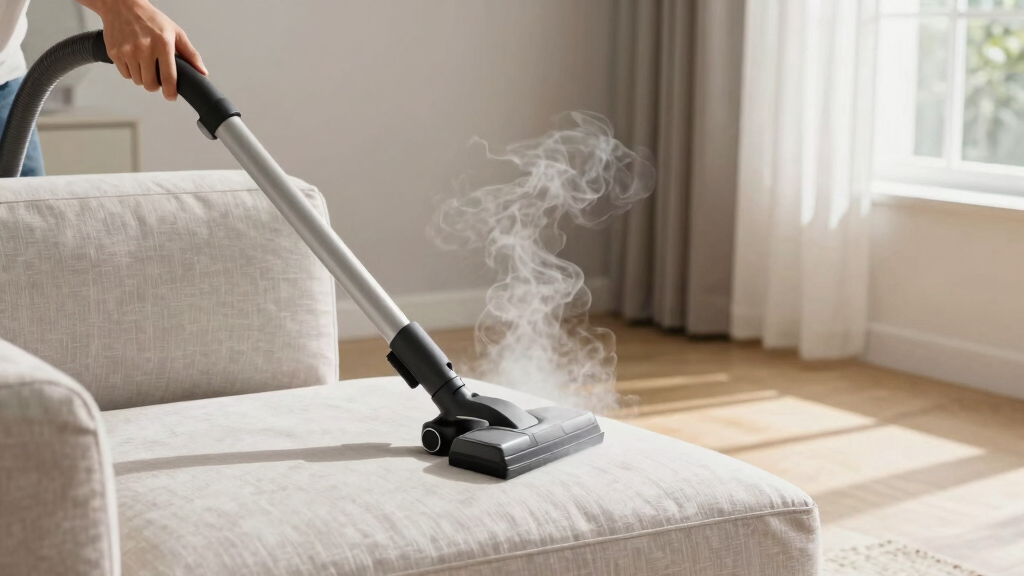
Steam cleaning can kill dust mites when the temperature exceeds 130°F (54°C). The heat penetrates fabrics and surfaces, destroying mites and their eggs. For example, a high-quality steam cleaner used on your mattress or upholstery can raise the surface temperature enough to kill these tiny pests on contact.
Research shows that dust mites are vulnerable to heat above this threshold. An environment at this temperature can instantly kill them, including their resistant eggs. But, consistency and proper technique matter—if the steam isn’t hot enough or applied evenly, some mites might survive.
Understanding why temperature matters helps you appreciate the limitations: not all steam cleaners reach or sustain these temperatures uniformly. This means that relying solely on steam at lower temperatures might give a false sense of security, so choosing a high-quality, adjustable device and following proper methods ensures maximum effectiveness.
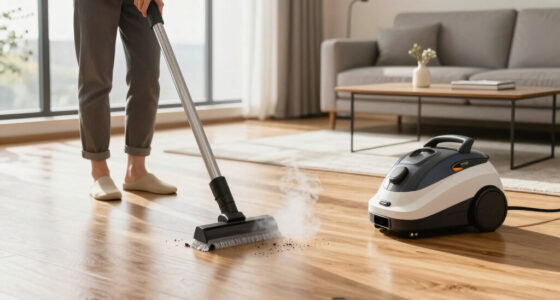
high temperature steam cleaner for dust mites
As an affiliate, we earn on qualifying purchases.
As an affiliate, we earn on qualifying purchases.
How Steam Cleaning Reduces Dust Mite Allergens (And Why It Matters)
Dust mites leave behind allergens—fecal particles, body fragments—that can trigger allergies and asthma. Steam cleaning doesn’t just kill mites; it also helps remove these allergens from surfaces. These allergens are sticky and can cling to fabrics and carpets, remaining even after mites are gone. By applying heat and moisture, steam loosens and lifts these particles, making them easier to wash away or trap in vacuum filters.
Studies indicate that regular steam cleaning can cut allergen levels by up to 90%, which translates into fewer allergy symptoms and less airway inflammation. This reduction is particularly important because allergens can linger in your environment long after mites are dead, prolonging symptoms. Think of steam cleaning as a deep cleaning method that targets the root cause of many allergy triggers, providing relief and improving overall indoor air quality.
This process underscores the importance of consistent maintenance: one session isn’t enough. Regularly removing allergens prevents their buildup, breaking the cycle of exposure and allergic reactions.
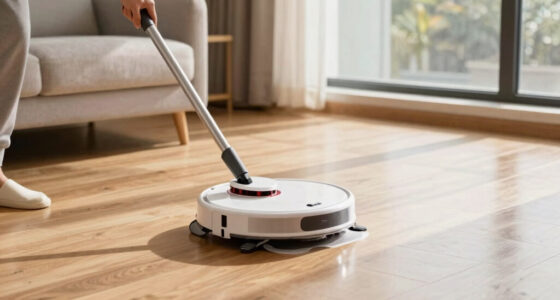
steam cleaner for mattress and upholstery
As an affiliate, we earn on qualifying purchases.
As an affiliate, we earn on qualifying purchases.
Limitations: When Steam Cleaning Isn’t Enough
While steam cleaning is a powerful tool, it’s not a universal solution. Some dust mites are experts at hiding deep within thick carpets, under layers of padding, or in inaccessible corners where the steam’s penetration is limited. These hiding spots serve as reservoirs, allowing mite populations to rebound quickly after cleaning. This means that in environments with persistent warmth and humidity, mites can re-establish themselves despite regular steam treatments.
Additionally, the high heat and moisture involved in steam cleaning can damage delicate fabrics such as silk, certain upholstery, or antique textiles. This potential for damage requires you to weigh the benefits against the risks—testing on a small, inconspicuous area first can prevent costly or irreversible damage. Moreover, over-reliance on steam alone neglects other essential control strategies like reducing indoor humidity, which directly influences mite survival and reproduction.
Therefore, for comprehensive mite control, combine steam cleaning with methods like lowering humidity below 50%, encasing mattresses, and frequent vacuuming with HEPA filters. Recognizing these limitations helps set realistic expectations and encourages a multi-faceted approach to allergy management.
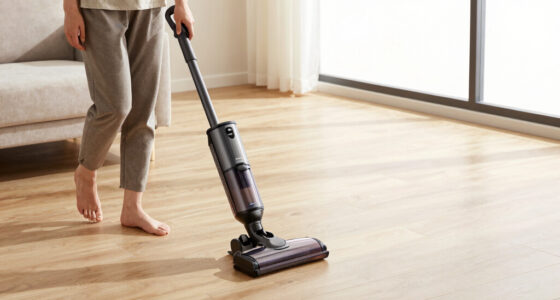
allergen reducing steam cleaning device
As an affiliate, we earn on qualifying purchases.
As an affiliate, we earn on qualifying purchases.
What’s New? Recent Improvements Make Steam More Effective
Newer steam cleaners now offer higher operating temperatures, more consistent steam flow, and adjustable settings tailored for different surfaces. These technological advancements mean you can target dust mites more effectively, especially in challenging environments. Some models feature dual or multi-mode steam functions—gentle modes for delicate fabrics and intense blasts for stubborn spots—giving users greater control and precision.
Recent scientific studies highlight that these innovations have led to measurable improvements in mite eradication efforts. Higher temperatures ensure more reliable killing of mites and their eggs, while enhanced steam delivery penetrates deeper into fibers and crevices. This means fewer missed spots and a more thorough reduction in allergen levels.
However, the effectiveness still depends on correct usage—following manufacturer instructions, pre-treating surfaces, and maintaining equipment. Advances in steam technology are promising, but they need to be paired with good technique and regular maintenance for maximum benefit.
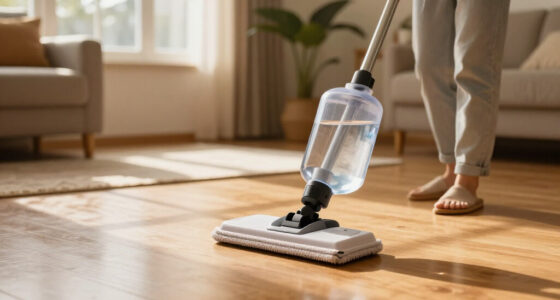
adjustable temperature steam cleaner
As an affiliate, we earn on qualifying purchases.
As an affiliate, we earn on qualifying purchases.
Step-by-Step: How to Use Steam Cleaning for Dust Mite Control
- Choose a high-quality steam cleaner with adjustable temperature controls to ensure you reach at least 130°F (54°C).
- Test on a hidden spot—wait 24 hours to check for any damage or discoloration, especially on delicate fabrics.
- Set your device to a temperature of at least 130°F (54°C)—this is crucial for effective mite killing.
- Slowly pass the steam head over mattresses, upholstery, and carpets, paying special attention to seams, folds, and edges where mites tend to hide.
- Repeat this process every 1-2 weeks to maintain low mite populations and allergen levels.
- Complement steam cleaning with other allergen reduction strategies like lowering indoor humidity below 50% using a dehumidifier and washing bedding in hot water weekly.
Comparison: Steam Cleaning vs. Other Dust Mite Control Methods
| Method | Effectiveness | Ease of Use | Cost | Best For |
|---|---|---|---|---|
| Steam Cleaning | High—kills mites & reduces allergens | Moderate—requires proper technique and equipment | Moderate—investment in a good steam cleaner | Mattresses, upholstery, carpets |
| Encasing Mattress | Very high—prevents mites from entering or exiting | Easy—just covers | Low—initial cost for covers | Bedding |
| Reducing Humidity | Moderate—limits mite growth and reproduction | Easy—use dehumidifiers or fans to maintain below 50% humidity | Low to moderate | Whole home environment |
| Hot Water Wash | High—kills mites in bedding and linens | Easy—requires washing machine | Low—soap and water | Bedding & linens |
Practical Tips for Maximum Dust Mite Reduction
- Use a steam cleaner with adjustable heat—aim for 130°F (54°C) or higher to ensure mite killing temperature.
- Test fabrics first—check a small, hidden area and wait 24 hours to prevent damage, especially on delicate materials.
- Steam slowly and methodically—cover seams, folds, and edges thoroughly to reach hidden mites.
- Repeat sessions every week or two—consistent application prevents mite populations from rebounding.
- Combine with lowering indoor humidity below 50% using a dehumidifier—mites thrive in humid conditions, so controlling moisture is essential.
- Wash bedding in hot water (>130°F) weekly—this helps eliminate mites and their eggs from your linens.
Frequently Asked Questions
Does steam cleaning completely eliminate dust mites?
While steam cleaning at high temperatures can kill most dust mites and their eggs, it may not eliminate every single one, especially if they hide deep in carpets or upholstery. Consistent, combined efforts yield the best results.How often should I steam clean to control dust mites?
For effective control, aim to steam clean mattresses, upholstery, and carpets every 1-2 weeks. Regular sessions help keep mite populations down and allergens at bay.Can steam cleaning damage delicate fabrics or materials?
Yes, some fabrics like silk or certain upholstery can be sensitive. Always test a small hidden area first and follow manufacturer recommendations to prevent damage.Is steam cleaning safe for allergy sufferers?
Generally yes, since it reduces allergen levels significantly. However, severe allergies or asthma may require additional measures—consult your healthcare provider for personalized advice.What equipment should I look for to control dust mites effectively?
Choose a high-quality steam cleaner with adjustable temperature controls and appropriate attachments. Proper technique and settings are key to maximizing mite-killing power.Conclusion
Steam cleaning offers a scientifically backed way to target dust mites and cut down on allergy triggers. When used correctly—at the right temperature and frequency—it can be a key part of your allergen control toolkit.
Remember: it’s not a silver bullet. Combining it with humidity reduction, bedding hygiene, and regular vacuuming creates a healthier, more comfortable home environment. Think of it as a gentle but relentless frontline defender against tiny invaders—and your allergies.
Columbus Day / Indigenous Peoples' Day Picks
long weekend sales
As an affiliate, we earn on qualifying purchases.