TL;DR

Get cleaning gear delivered free with Prime
- Fast, free delivery on millions of items
- Prime Video, Amazon Music and more included
- Member-only deals all year
Steam mops can disinfect without chemicals by using high heat to kill germs. However, for certain surfaces or germs, adding disinfectants might be necessary. Always follow manufacturer guidance for safe and effective cleaning.
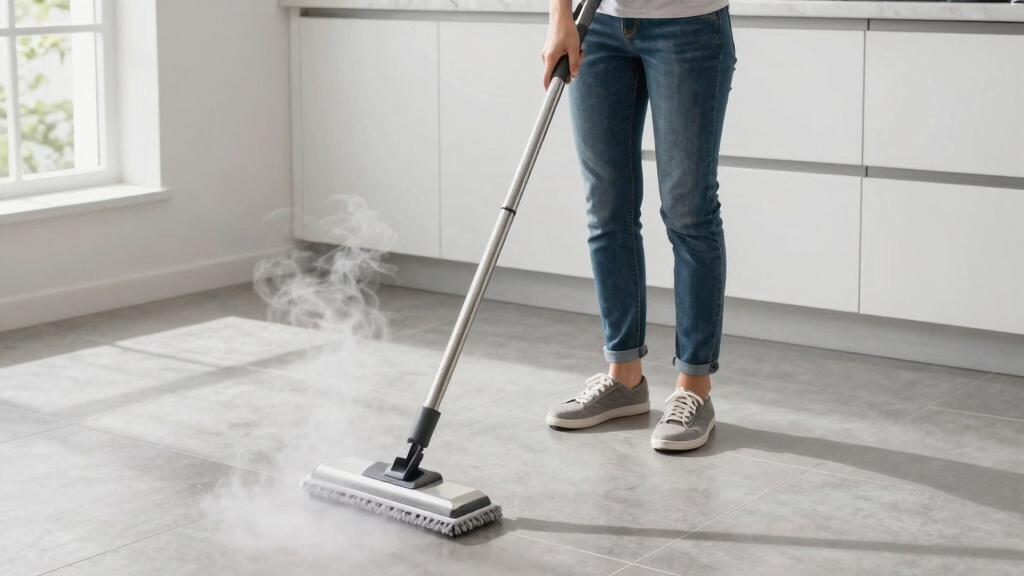
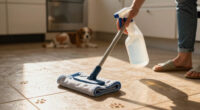
Imagine gliding your steam mop across your kitchen floor. The warm, almost humming sensation of steam feels satisfying, but does it really kill every germ lurking there? Many assume disinfecting means chemicals, but steam itself might do plenty of the heavy lifting.
If you’ve ever wondered whether you need to splash out on disinfectant sprays or if your trusty steam mop can handle the job alone, you’re not alone. Today, we’ll clear up the myth and show you what steam can—and can’t—do to keep your home safe and sparkly clean.
Can Steam Mops Kill Germs Without Chemicals?
The simple answer: yes. Steam mops generate heat that can reach 212°F (100°C), the boiling point of water. At this temperature, most bacteria, viruses, and fungi can’t survive. Think of it like a fiery blast that sweeps away germs without any added chemicals.
For example, a study found that steam at this temperature kills 99.9% of common household germs, including E. coli and Salmonella. So, if your main concern is bacteria and viruses, a well-used steam mop can often do the trick on its own.
However, understanding why this matters helps clarify its limitations. High heat denatures proteins and destroys cell membranes of many microorganisms, rendering them inactive or dead. But this process is instantaneous for some germs and less effective for others, especially if they’re embedded within dirt or residues. Additionally, the effectiveness depends on maintaining consistent, high temperatures over the entire surface, which can be challenging if your mop isn’t used correctly. That’s why, while heat alone can be powerful, it’s not a one-size-fits-all solution for every pathogen or situation.
But here’s the catch: heat kills germs on contact, but it doesn’t clean away dirt, oils, or residues that can harbor bacteria. That means steam alone might not be enough if your floor is heavily soiled or stained.
As an affiliate, we earn on qualifying purchases.
When Do You Still Need Disinfectant Chemicals?
Steam alone works well for routine cleaning, but its efficacy diminishes when dealing with certain stubborn or resistant pathogens. For example, viruses like Norovirus or emerging threats such as COVID-19 have specific survival mechanisms that can sometimes withstand high temperatures if not applied thoroughly or if the pathogen is embedded within organic material. In these cases, using an EPA-registered disinfectant in addition to steam enhances safety because chemical disinfectants are formulated to target specific proteins and structures within these pathogens, often providing a more reliable kill rate.
Furthermore, some residues like pet urine, raw meat juices, or stubborn stains may contain bacteria or fungi that are resistant or shielded by organic matter. Steam alone might not penetrate these layers effectively. Disinfectants contain active ingredients designed to break down complex organic compounds, ensuring a deeper sanitation level. The tradeoff is that chemical disinfectants can leave residues or cause surface damage if not used properly, especially on sensitive materials. That’s why their use should be judicious, guided by surface compatibility and specific contamination risks. Recognizing when to combine methods can significantly improve sanitation outcomes, especially in high-risk areas like kitchens or bathrooms where pathogen load is higher.
Remember: always follow manufacturer directions. Some surfaces—like hardwood or laminate—may be sensitive to moisture or chemicals, so test an inconspicuous spot first.
best steam mop with high temperature
As an affiliate, we earn on qualifying purchases.
As an affiliate, we earn on qualifying purchases.
How to Maximize Disinfection With Your Steam Mop
- Pre-clean visible dirt with a dry mop or vacuum. Dirt can shield germs from heat, reducing the effectiveness of steam disinfection. Removing debris ensures the heat can directly contact germs, leading to more thorough sanitization.
- Use the mop on the highest heat setting, following the manufacturer’s instructions. Consistent, high temperatures are critical; lower settings may not reach germ-killing levels, especially on stubborn pathogens.
- Move slowly over surfaces to allow the steam to penetrate deeply. This deliberate motion ensures uniform coverage, crucial for effective microbial kill, particularly in textured or porous surfaces.
- For tough germs or surfaces exposed to pathogens, consider applying a disinfectant spray afterward, if safe for your flooring. Combining methods can ensure stubborn germs are thoroughly eliminated, especially in high-risk areas.
- Always test a hidden area first to avoid damage, especially on delicate surfaces like hardwood or vinyl. This step prevents unintended damage and helps you gauge the surface’s response to heat and moisture.
This approach ensures you’re killing germs effectively while protecting your floors. Think of steam as the frontline cleaner—disinfectant acts as reinforcement when needed.
As an affiliate, we earn on qualifying purchases.
Surface Safety Tips for Using Steam Mops
Not all floors love steam equally. For example, sealed hardwood and vinyl generally handle steam well, but unsealed wood or soft laminate may swell or warp if exposed to excessive moisture. Always check your flooring’s manufacturer guidelines before starting. Understanding the material’s tolerance helps prevent costly damage.
Test a small, hidden patch first. Wait 24 hours to see if there’s any discoloration or warping. If in doubt, use a lower heat setting or opt for chemical disinfectants on sensitive surfaces. This proactive approach minimizes the risk of surface damage while maintaining sanitation.
Keep the steam mop moving smoothly. Holding it in one spot too long can cause moisture buildup, leading to damage or warping over time. Think of it like lightly brushing a delicate piece of fabric—gentle but thorough. Proper technique preserves both the integrity of your flooring and the effectiveness of cleaning.
disinfectant spray for stubborn stains
As an affiliate, we earn on qualifying purchases.
As an affiliate, we earn on qualifying purchases.
Comparison Table: Steam Only vs. Steam + Chemicals
| Feature | Steam Only | Steam + Disinfectant |
|---|---|---|
| Germ Kill Rate | Up to 99.9% of common germs at 212°F | Likely higher, especially for tough or resistant pathogens |
| Surface Compatibility | Best on sealed, durable surfaces | Use with caution on delicate surfaces; always test first |
| Residue | Leaves no chemical residues | May leave chemical residues if not rinsed or wiped |
| Ease of Use | Simple, quick, no mixing | Requires mixing or application of disinfectant after steaming |
| Cost | Lower ongoing cost, no buying chemicals | Higher, due to purchasing disinfectants |
Key Takeaways for Safe, Effective Disinfection
- Heat kills germs effectively at 212°F, often eliminating 99.9% of bacteria and viruses. This makes steam a quick and chemical-free method for routine sanitation.
- For tougher or specific pathogens, adding a disinfectant can give extra peace of mind because chemicals are designed to target resistant structures and organic matter that heat alone may not fully eliminate.
- Always test surfaces first to prevent damage, especially delicate flooring. This step ensures you avoid costly repairs and maintain the longevity of your surfaces.
- Routine cleaning with steam is usually enough for everyday sanitation, but understanding the limitations helps you decide when additional measures are necessary.
- Follow manufacturer instructions carefully for both your mop and any disinfectants used. Proper usage maximizes safety and effectiveness, preventing damage and ensuring thorough cleaning.
Frequently Asked Questions
Can I rely on my steam mop to kill all germs and viruses?
While steam at 212°F kills most bacteria and viruses, some resistant pathogens may require additional disinfectants. Check your specific surface and pathogen concerns for best results.Is it safe to use steam on hardwood floors?
Yes, if your hardwood is sealed and designed to handle moisture. Always test a small area first, and avoid holding the mop in one spot too long to prevent warping.Do I need to add disinfectant if I use a steam mop daily?
Not usually. Regular steaming kills most germs on contact. Use disinfectant only if there’s a specific infection risk or if mandated by health guidelines.Can I use any disinfectant with my steam mop?
No. Always check your mop’s manufacturer instructions. Many steam mops are not designed to handle chemical solutions, and some disinfectants can damage the unit or your floors.What’s the best way to disinfect my kitchen floor after a pet mess?
First, pick up solids and wipe away residues. Then steam to kill germs, and consider applying a pet-safe disinfectant if needed, following surface guidelines.Conclusion
Steam mops can disinfect floors effectively without chemicals, thanks to high temperatures that kill germs on contact. But for certain pathogens or surfaces, a bit of chemical backup can make a difference.
Think of steam as your quick, chemical-free frontline cleaner—powerful yet gentle when used correctly. The key is knowing when to trust heat alone and when to bring in reinforcements. Keep surfaces tested, and your floors will stay safe, sparkling, and healthy.
Halloween Picks
halloween
As an affiliate, we earn on qualifying purchases.