
TL;DR
Listen free for 30 days with Audible
Thousands of audiobooks and originals — cancel anytime.
Start your free trialAs an affiliate, we earn on qualifying purchases.
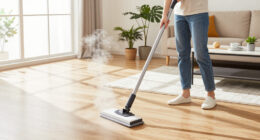
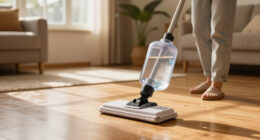
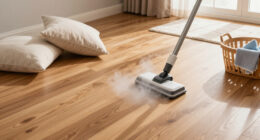
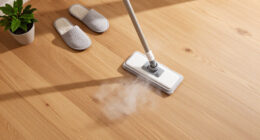
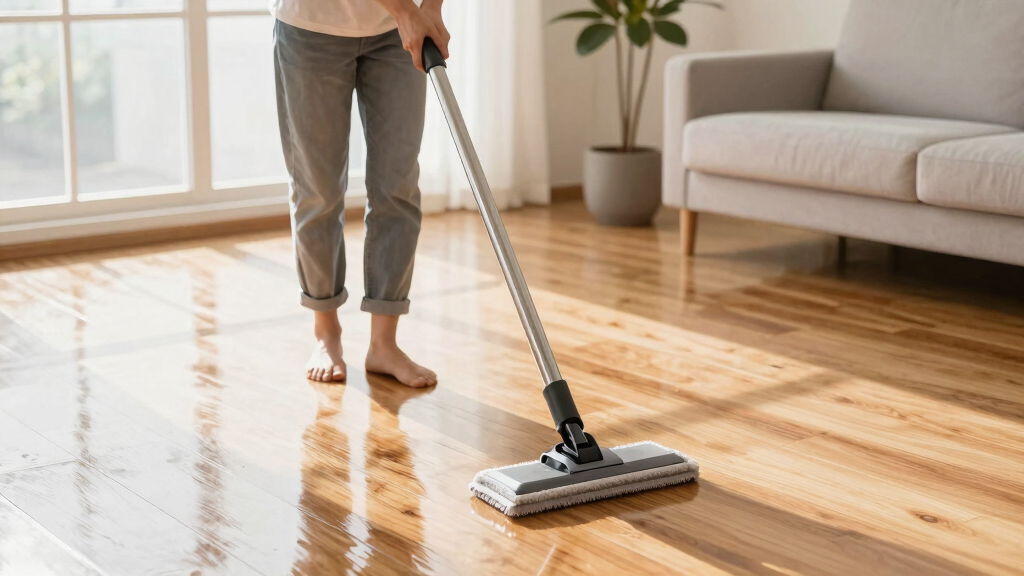
You can’t always steam mop a newly sealed floor safely. Wait until the sealant is fully cured, use the lowest steam setting, and check manufacturer guidance to avoid damage. Safer options include microfiber mops and damp cloths.
Wait at least 48-72 hours after sealing before using a steam mop, following manufacturer instructions.
Identify your floor type—laminate, hardwood, tile—to determine moisture sensitivity.
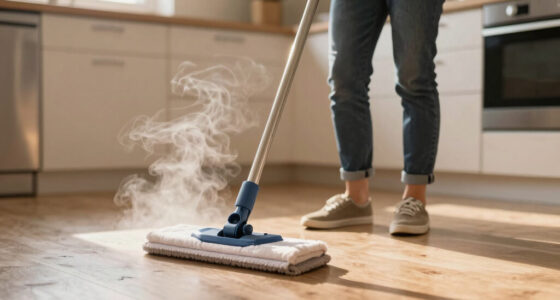
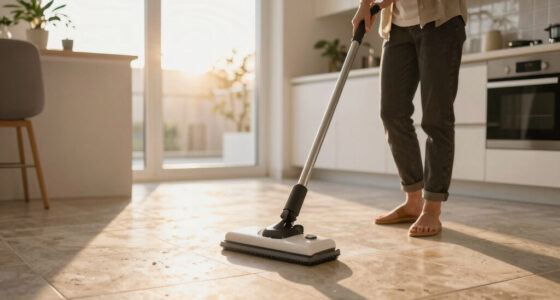
Use the lowest steam setting if you decide to steam mop; keep the mop moving to prevent localized damage.
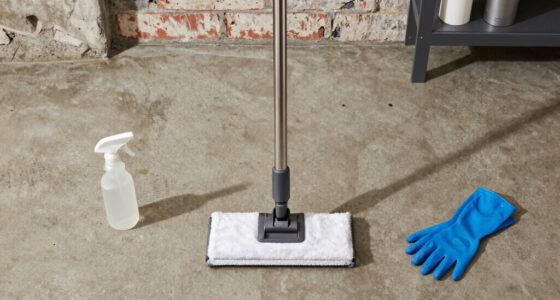
Opt for microfiber dry or damp mops during the initial curing period to protect the sealant.
Always check the sealant manufacturer’s curing time and recommendations before cleaning.
Why the type of floor matters more than you think
Different floors react differently to moisture. For instance, sealed hardwood can handle some moisture, but excessive steam can cause warping or swelling over time. Tile and stone are generally more resistant, but a weak sealant can still be compromised. Laminate floors, however, are very sensitive. Applying steam on laminate can cause swelling or bubbling.
Imagine you just sealed your laminate kitchen floor. Using a steam mop immediately might seem harmless, but the heat and moisture can seep into the edges, leading to warping within weeks. Always identify your flooring material first—it’s the key to safe cleaning.
Understanding these differences is crucial because each material has unique susceptibilities. For example, hardwood can expand and contract with moisture, which over time may loosen the adhesive bonds or damage the finish if exposed too early. Tile and stone are more resilient, but the integrity of the sealant is vital; a compromised sealant can allow water ingress, leading to cracks or staining. Laminate floors are particularly vulnerable because their core layers are sensitive to moisture. Mistakes here can mean costly repairs or replacement, emphasizing why knowing your floor type guides your cleaning approach.

BPAWA Microfiber Mops for Floor Cleaning: Flat Mop for Hardwood Tile Wood
- Adjustable Long Handle: Extendable from 32 to 59 inches
- Lightweight and Sturdy: Flexible design suitable for all users
- Reusable Washable Pads: Includes 4 durable, absorbent pads
As an affiliate, we earn on qualifying purchases.
As an affiliate, we earn on qualifying purchases.
How to tell if your sealant is fully cured (and why it matters)
- Check the manufacturer’s instructions: Most sealants specify a curing time of 24-72 hours. This period allows the chemical reactions that form a durable, protective layer to complete. Rushing this process can leave the sealant vulnerable, creating weak spots that are easily damaged by moisture or heat.
- Touch test: When the surface feels dry and no longer tacky, it might seem ready. However, surface dryness doesn’t guarantee the interior has fully cured. The chemical bonds may still be forming beneath the surface, and exposure to steam can interrupt or weaken these bonds.
- Visual inspection: An even, matte appearance without sticky or glossy patches suggests initial curing is complete. Still, visual cues are not foolproof; the real indicator is adherence to the recommended curing time.
- Additional caution: Humid environments or recent sealing can extend curing times beyond the standard 48 hours. If your environment is damp or cold, waiting longer ensures the sealant’s chemical processes are fully complete, reducing the risk of damage.
Understanding the implications of premature cleaning is critical because early exposure to moisture can compromise the entire sealing process. The sealant acts as a barrier against spills, stains, and moisture; if it’s not fully cured, these threats become more dangerous. Properly timing your cleaning not only preserves the finish but also prevents costly repairs down the line.

CODOHI 4 Pcs Extra Large Microfiber Cleaning Cloth, 30"x20" Washable Reusable Floor Cloth for Squeegee Mop House Floor Kitchen Car Window Highly Absorbent, Lint and Streak Free (Grey)
- Highly Absorbent Microfiber: Soft, ultra-fine microfiber fabric
- Gentle Surface Cleaning: Scratch-free cleaning with invisible edges
- Efficient and Fast Cleaning: Cleans better and quicker
As an affiliate, we earn on qualifying purchases.
As an affiliate, we earn on qualifying purchases.
What happens if you steam mop a just-sealed floor?
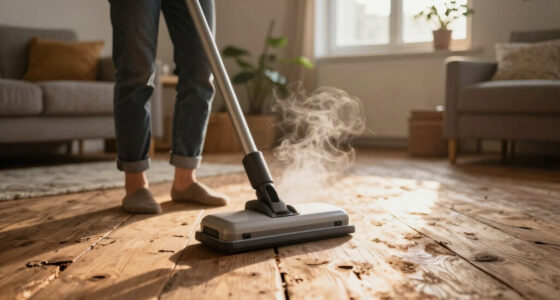
Using a steam mop too soon can cause lasting damage. Excess heat and moisture can break down the sealant’s chemical bonds, leading to areas that are sticky, cloudy, or uneven. This degradation reduces the protective qualities of the sealant, making your floor more susceptible to stains, water damage, and warping. Additionally, uneven deterioration can result in visual imperfections that are difficult or costly to repair.
Think of it like trying to iron a fresh painting—pressing too soon can smudge or distort it. Similarly, prematurely steaming a sealed floor can cause micro-damage that isn’t immediately visible but accumulates over months, compromising both appearance and durability. Once the sealant’s integrity is compromised, it may require reapplication or professional refinishing, which can be costly and time-consuming. The long-term implication is that rushing the process undermines the very purpose of sealing: protecting your floor for years to come.
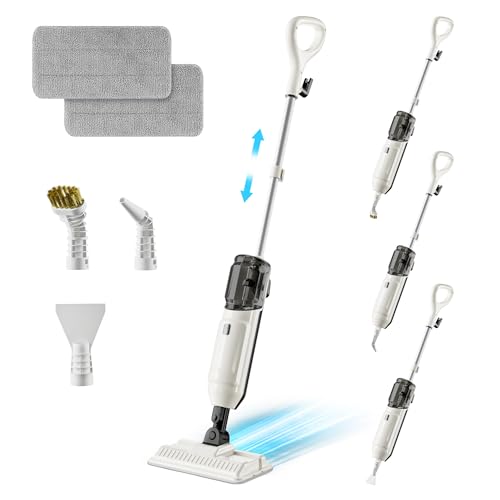
Steam Mop for Floor Cleaning, Multi-Purpose Steam Cleaner with Handheld Steamer & Accessories, Deep Cleaning Floor Steamer for Hardwood and Tile, Pet-Friendly Steam Mop for Home
- Rapid High-Temperature Steam: Releases 260°F steam in 15 seconds
- Effective Stain Removal: Dissolves grease and dirt without chemicals
- Eco-Friendly Deep Cleaning: Kills 99.9% of common germs and stains
As an affiliate, we earn on qualifying purchases.
As an affiliate, we earn on qualifying purchases.
Compare safe cleaning options for new sealants
| Method | Suitability for Newly Sealed Floors | Pros | Cons |
|---|---|---|---|
| Microfiber dry mop | Yes | Gentle, effective at lifting dust and dirt without introducing moisture, reducing the risk of sealant damage during curing | Requires frequent cleaning to maintain effectiveness |
| Damp microfiber cloth | Yes | Safe for most surfaces, removes stains gently, and introduces minimal moisture, making it ideal during curing | Less effective on sticky or stubborn spots; may need more elbow grease |
| Traditional mop (wet) | Limited | Good for deep cleaning once the sealant has fully cured, providing thorough dirt removal | Potential moisture risk if not well-wrung; could damage the sealant if used too early |
| Steam mop | Generally not recommended | Effective disinfectant and quick cleaning | Can weaken or damage sealant if used before full curing; risks micro-damage and long-term deterioration |

1 Gallon Concrete Sealer, Water-Based Silane Siloxane Penetrating Sealer
- Water Resistance: Forms protective barrier against moisture
- Invisible Surface Protection: Resists stains from oils and chemicals
- Increases Longevity: Extends concrete surface lifespan
As an affiliate, we earn on qualifying purchases.
As an affiliate, we earn on qualifying purchases.
Expert advice: When in doubt, wait it out
Most flooring experts recommend delaying steam cleaning for at least 48-72 hours after sealing. This period allows the chemical reactions within the sealant to fully complete, forming a resilient barrier. Rushing this process can introduce moisture prematurely, disrupting the sealant’s bonding and leading to compromised protection. Following manufacturer instructions ensures you’re respecting the product’s curing timeline, which is essential for optimal durability and appearance.
Picture sealing your floor on a humid summer day. The excess moisture in the air can extend curing times beyond the standard 48 hours. If you attempt to steam clean too early, you risk undoing your sealing effort, leaving your floor vulnerable to water ingress, stains, and damage. Patience here isn’t just about politeness—it’s about safeguarding your investment and ensuring the longevity of your beautiful, glossy finish.
What you really need to remember before steaming
Never rush the curing process. Waiting until your sealant is fully dry and cured—usually at least 48 hours—is vital for maintaining its protective properties. Using gentle cleaning methods like microfiber mops during this period minimizes risk and preserves the integrity of the sealant. When in doubt, always consult your floor’s manufacturer or a flooring professional to avoid costly mistakes that could compromise your floor’s appearance and longevity.
Think of your floor as a delicate painting—rushing to clean or apply heat can cause irreparable damage. Taking your time and choosing appropriate cleaning methods ensures your floors stay beautiful and protected for years, saving you money and effort in the long run.
Frequently Asked Questions
How long should I wait before steam mopping my sealed hardwood floor?
Most experts recommend waiting at least 48-72 hours after sealing, but check your sealant’s instructions for specific curing times. Patience helps preserve the finish.Can I use a steam mop on a newly sealed tile floor?
Usually yes, if the sealant is fully cured and your tile surface is resistant to moisture. Always verify manufacturer guidance and use the lowest steam setting.What are safer cleaning options during the curing period?
Microfiber dry or damp mops are safest. They lift dirt without introducing excess moisture, protecting your sealant during its critical curing phase.Will steam cleaning damage sealed laminate floors?
Yes, most laminate floors are sensitive to moisture. It’s best to avoid steam mops until the sealant is fully cured to prevent warping or swelling.What happens if I accidentally steam mop too early?
You might weaken or ruin the sealant, leading to sticky patches, cloudiness, or warping. Long-term, this can reduce your floor’s lifespan and appearance.Conclusion
Your newly sealed floor deserves gentle treatment until the sealant fully cures. Rushing with steam might seem quick, but it risks undoing your sealing effort. Patience and proper cleaning methods keep your floors looking fresh and protected for the long haul.Grilling season Picks
grills
As an affiliate, we earn on qualifying purchases.