TL;DR

Get cleaning gear delivered free with Prime
- Fast, free delivery on millions of items
- Prime Video, Amazon Music and more included
- Member-only deals all year
Steam temperature directly affects cleaning power and sanitation. Higher temps loosen dirt faster and kill germs better, but they also pose safety risks and can harm delicate surfaces. Knowing the right temperature for each job makes your cleaning safer and more effective.
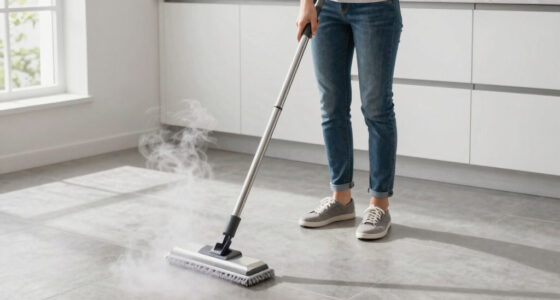
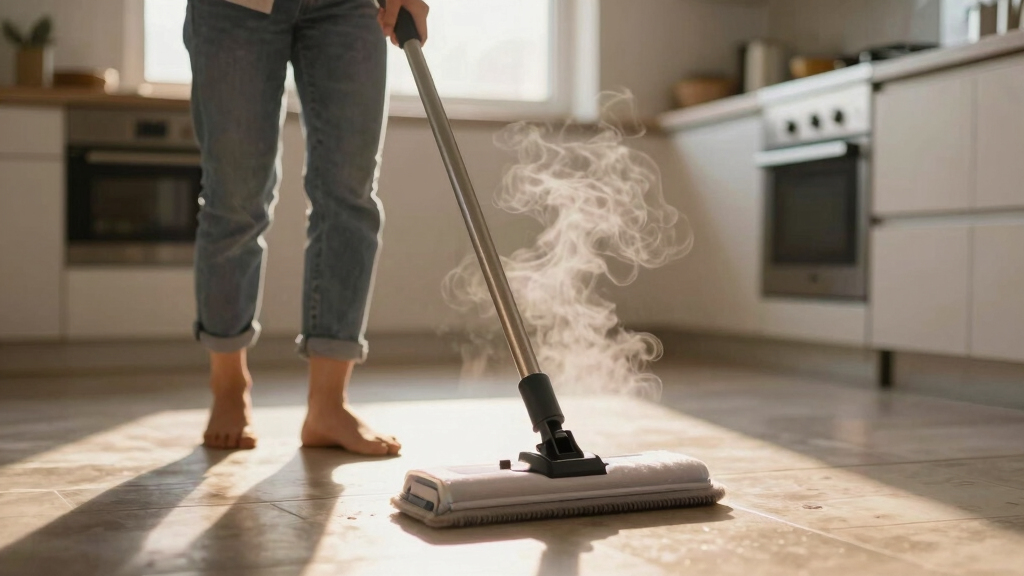
Imagine the rich, almost sizzling sound of steam blasting away grime from your kitchen tiles or bathroom grout. That heat isn’t just about making you feel like a pro; it directly impacts how well your steam cleaner works.
Understanding how steam temperature influences cleaning power helps you get the most from your device—whether you’re sanitizing a nursery or freshening up hardwood floors. Let’s explore what makes some steam hotter, and why that matters for your home.
Higher steam temperatures up to 300°F significantly improve dirt loosening and germ-killing power.
Always match steam temp to the surface—avoid high heat on delicate materials like hardwood or plastic.
Modern steam cleaners often feature precise temperature controls for safer, more effective cleaning.
Safety gear and safety features are essential when working with high-temperature steam to prevent burns.
Test a hidden area before using high heat to prevent surface damage.
How Steam Temperature Affects Cleaning Power
Heat is the engine behind steam cleaning. Higher temperatures deliver more energy to loosen grease, penetrate porous grime, and deactivate microbes—but every extra degree increases the need for surface testing and careful handling.
Why hotter steam cleans faster
As temperature rises, steam carries more usable energy. That energy weakens the bond between soil and surface, softens grease, reaches into pores, and denatures proteins inside many bacteria, viruses, and fungi.
Dirt releases
Fast-moving steam molecules penetrate fibers, grout, and textured surfaces, loosening grime with less scrubbing.
Microbes weaken
Heat disrupts microbial proteins. Temperature and contact time work together, so a quick pass may not equal full sanitation.
Risk climbs too
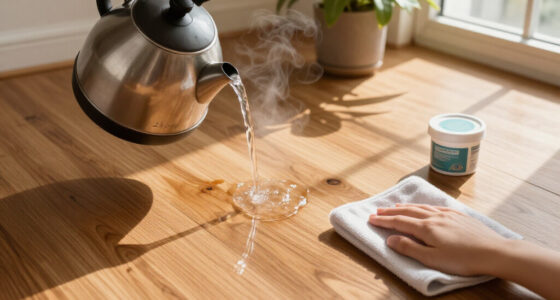
Extra heat can swell wood, warp vinyl, melt plastics, discolor fabrics, or stress fragile tile and finishes.
The right heat for the job
Temperature is not a universal “more is better” control. Surface construction, finish, moisture tolerance, and manufacturer guidance determine the safe range.
| Surface | Recommended steam | Dirt removal | Heat tolerance | Primary caution |
|---|---|---|---|---|
| Tile & ceramic | Up to 300°F / 149°C | ✓ Strong | ✓ Usually high | Fragile, cracked, or specialty tiles may crack or discolor. |
| Hardwood & laminate | Below 212°F / 100°C | ~ Moderate | ✗ Low | Moisture and heat may cause swelling, finish damage, or warping. |
| Vinyl & LVP | Below 212°F / 100°C | ~ Moderate | ✗ Low | Excess heat can soften, deform, or separate plastic layers. |
| Delicate fabrics | Below 212°F / 100°C | ~ Variable | ✗ Low | Shrinking, color loss, water marking, and fiber distortion. |
| Grout & sealed stone | 212–300°F / 100–149°C | ✓ Strong | ~ Check sealant | Heat may weaken old sealers; verify stone-specific instructions. |
A gentle setting may protect hardwood, while a hotter setting can rapidly lift grime from durable tile. Always follow the cleaner and surface manufacturers’ guidance, then test a hidden area before treating the full surface.
From temperature dial to cleaning result
Cleaning power is a connected system. Temperature matters, but pressure, dwell time, technique, and surface tolerance decide whether that power becomes a safe result.
Set heat
Choose a temperature appropriate for the material and task.
Build energy
Higher temperature and pressure increase steam’s cleaning force.
Apply contact
Controlled dwell time lets heat soften soil and affect microbes.
Release soil
Grease, stains, and embedded grime become easier to remove.
Verify safety
Inspect the finish, wipe residue, and stop if damage appears.
High-heat safety protocol
Smarter cleaner features
Clean hotter—only when it helps
The goal is not maximum temperature. It is maximum useful cleaning power within the safe limits of the surface, the machine, and the person operating it.
Higher temperatures up to 300°F improve dirt loosening and germ-killing potential.
Keep hardwood, vinyl, plastics, and delicate fabrics below high-heat ranges.
Use precise temperature controls instead of treating every surface the same.
Protect hands and eyes, control the nozzle, and respect pressurized steam.
Test a hidden patch before applying heat across a visible or valuable surface.
Use 212°F (100°C) as a strong baseline for compatible surfaces. Move toward 300°F (149°C) only when stubborn grime or a higher sanitation goal justifies it—and only when the material, equipment instructions, and safety controls support the increase.
Why Hotter Steam Means Better Dirt and Germ Removal
The hotter the steam, the more energy it delivers, which translates into more effective cleaning. This isn’t just about temperature for its own sake; it’s about the chemistry of cleaning and microbial destruction. Higher temperatures cause the steam molecules to move faster, increasing their ability to loosen stubborn grime embedded deep in fibers or porous surfaces. This means less scrubbing and less time spent on each task.
Moreover, elevated steam temps can denature proteins in bacteria and viruses, effectively killing them. This microbial kill rate is crucial for sanitation, especially in kitchens and bathrooms where hygiene is paramount. However, this also means that using higher temperature steam requires caution—while it can sanitize surfaces, it can also damage delicate materials or cause burns if mishandled.
Choosing the right temperature involves balancing the need for effective cleaning and sanitation with the risk of surface damage or safety concerns. Higher temps are a tradeoff: they offer superior cleaning and sterilization, but demand more careful handling and surface testing.
For example, while high temperatures can make quick work of stubborn stains and kill germs efficiently, they can also warp plastics or crack tiles if the surfaces are sensitive. Understanding these tradeoffs helps you decide when to push the heat for a deep clean or dial it back to protect your surfaces.
steam cleaner with adjustable temperature
As an affiliate, we earn on qualifying purchases.
As an affiliate, we earn on qualifying purchases.
How Different Temperatures Stack Up for Common Surfaces
| Surface | Recommended Steam Temp | What It Does |
|---|---|---|
| Tile & Ceramic | Up to 300°F (149°C) | Loosens grout, kills mold & bacteria effectively, enabling deep sanitation. Higher temps can help remove stubborn stains but may risk cracking if surfaces are fragile. Using maximum heat on delicate tiles might lead to cracking or discoloration, so understanding the surface’s tolerance is key to avoiding costly repairs. |
| Hardwood & Laminate | Below 212°F (100°C) | Prevents warping or damage. Using lower temperatures minimizes moisture exposure, protecting the integrity of wood surfaces while still providing effective cleaning. Excessively high steam can cause swelling or warping, so sticking to recommended temperatures preserves your flooring’s lifespan. |
| Vinyl & LVP | Below 212°F (100°C) | Prevents melting or warping. Excess heat can warp plastic, so sticking to lower temperatures helps maintain the surface’s appearance and structural integrity. Using too much heat on vinyl can cause permanent deformation, which is why precise temperature control is essential. |
| Delicate fabrics | Below 212°F (100°C) | Reduces risk of damage. Lower temperatures reduce the chance of fabric shrinking or discoloring, but may be less effective at removing deep-seated dirt or germs. Finding the right balance ensures you sanitize without compromising fabric quality. |
Choosing the optimal temperature depends on your cleaning goal and surface sensitivity. For example, while 290°F can effectively eliminate grime and germs from tiles, a gentle 180°F might be safer for hardwood floors, preventing warping and prolonging their lifespan. Understanding these nuances ensures you’re applying the right heat for the right surface, maximizing efficacy without risking damage.
As an affiliate, we earn on qualifying purchases.
Safety First: Handling High-Temperature Steam Without Burns
High-temperature steam at 300°F (149°C) is powerful and effective, but it comes with significant safety risks. The intense heat can cause severe burns, and mishandling can lead to accidents. That’s why safety precautions are non-negotiable. Always wear protective gloves and goggles, and keep the steam head pointed away from your body and other people. Using tools like long-handled wands or extension hoses can help keep your hands and face at a safe distance from the hot steam.
Modern steam cleaners are equipped with safety features—such as automatic shut-offs, cool-touch handles, and pressure release valves—that mitigate some risks. However, these features don’t replace cautious handling. For example, accidentally slipping or misdirecting the steam nozzle can cause burns or scalds, which may require medical attention. It’s essential to be mindful of your surroundings, work slowly, and never rush when operating high-temperature steam devices.
In essence, safety gear and awareness are your best defenses against accidents. Proper training and respect for the steam’s power ensure you get a thorough clean without risking injury.
As an affiliate, we earn on qualifying purchases.
Recent Tech Boosts That Make Steam Cleaning Smarter
Steam cleaner technology is evolving rapidly, bringing smarter features that enhance safety, precision, and convenience. Many new models now include digital controls that allow you to set exact temperatures—such as 212°F, 250°F, or 300°F—tailored to specific cleaning tasks. This precise control helps prevent accidental surface damage and ensures you use the optimal heat for each job. Such control not only improves cleaning efficiency but also reduces the risk of damage by allowing you to adapt the temperature precisely to the surface’s needs.
Innovations like UV sterilization integrated with steam provide a double layer of sanitation, killing germs more effectively and reducing cleaning time. Additionally, lightweight, handheld models with high-temperature capabilities make quick spot cleaning easier and safer, especially in tight spaces or for detailed work.
For example, a recent portable model can reach 280°F within seconds, enabling you to tackle kitchen spills or bathroom mold without hauling heavy equipment. These advancements mean more effective cleaning, less risk, and greater convenience—making steam cleaning accessible and safer for everyday use.
Understanding these technological improvements helps consumers choose devices that suit their needs, ensuring they get the benefits of smarter, safer steam cleaning.
portable steam cleaner for delicate surfaces
As an affiliate, we earn on qualifying purchases.
As an affiliate, we earn on qualifying purchases.
Key Facts You Need to Know About Steam Temperature
- 212°F (100°C) kills most germs and is sufficient for basic cleaning. It provides a reliable baseline for sanitation without risking surface damage.
- Up to 300°F (149°C) boosts cleaning power and germicidal effectiveness, but requires caution to prevent burns or damage. Higher temps are best used with surfaces known to tolerate heat.
- High-temperature steam can damage delicate surfaces if used improperly. Always test before extensive use, especially on plastics and soft materials.
- Steam at higher temps penetrates deeper into porous materials, loosening stubborn dirt and grime more efficiently—saving time and effort.
- Always check manufacturer guidelines before increasing heat, as exceeding recommended temperatures can void warranties or cause damage.
Understanding these facts helps you make informed decisions about when and how to safely use high-temperature steam, optimizing results while minimizing risks.
Your Burning Questions About Steam Temp Answered
Q: How hot should my steam be for sanitizing? Aim for at least 212°F (100°C). This temperature is proven to kill most bacteria and viruses effectively, especially with enough contact time. However, for deep sterilization, higher temps closer to 300°F can be more effective, provided the surface can tolerate it.
Q: Can I damage my surfaces with high-temp steam? Yes. Excessively hot steam can warp plastics, crack tiles, or discolor delicate fabrics. Always test on a hidden area first and adhere to manufacturer recommendations to avoid costly damage.
Q: Is higher always better? Not necessarily. While higher temperatures improve cleaning and sterilization, they also increase safety risks and potential surface damage. Match the temperature to your specific surface and cleaning goal for optimal results.
Q: How does steam pressure relate to temperature? Generally, higher pressure correlates with higher temperature, which enhances cleaning but also amplifies safety concerns. Balance pressure and temperature based on your equipment’s specifications and safety guidelines.
Q: Should my steam cleaner automatically regulate temperature? Many modern models have automatic regulation features, ensuring consistent, safe operation. Always verify your device’s features and use them as intended for best results and safety.
Conclusion
Remember, hotter isn’t always better—unless you’re aiming for a deep clean and thorough sanitation. Knowing the right temperature for each surface and task turns your steam cleaner into a safe, powerful tool.
Next time you steam, think about the heat level. That small adjustment can make all the difference between a quick wipe and a spotless, germ-free shine. Keep your steam hot, your surfaces safe, and your cleaning smart.
Columbus Day / Indigenous Peoples' Day Picks
long weekend sales
As an affiliate, we earn on qualifying purchases.