TL;DR

Get cleaning gear delivered free with Prime
- Fast, free delivery on millions of items
- Prime Video, Amazon Music and more included
- Member-only deals all year
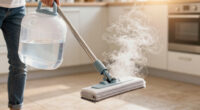
Steam cleaning uses high heat to kill dust mites, mold spores, and pet dander, reducing allergy symptoms temporarily. It’s most effective on non-porous surfaces and should be part of a broader allergy management plan, including vacuuming and ventilation.
If you suffer from allergies, you’ve probably wondered if a steam mop or cleaner could actually make a difference. The idea sounds promising: high-temperature vapor turning dust mites, pet dander, and mold spores into harmless steam. But does it really work? And is it safe for every surface in your home?
This guide breaks down what steam cleaning can do for allergy sufferers, how to use it effectively, and what pitfalls to avoid. Whether you’re battling sneezing fits or itchy eyes, understanding the real power of steam can help you breathe easier without added chemicals or fuss.
Steam cleaning at temperatures above 130°C kills dust mites and mold spores, making it effective for surface allergen reduction.
Always test surfaces first, especially delicate or unsealed materials, to prevent damage.
Use in combination with vacuuming with a HEPA filter and good ventilation for best allergy control.
Regular steaming (once every 1-2 weeks) helps keep allergen levels lower, but isn’t a complete solution.
Proper drying after steaming is essential to prevent moisture buildup and mold growth.
Is Steam Cleaning a Good Idea for Allergy Sufferers?
Yes—when it is used on compatible surfaces and paired with HEPA vacuuming, ventilation, and thorough drying. High heat can neutralize surface allergens without added fragrance or cleaning chemicals, but it cannot reach every deeply embedded particle.
Surface relief, powered by vapor
Superheated vapor disrupts dust mites and mold spores and can reduce pet dander, pollen, and microbes on exposed surfaces. The result can be an immediate—but temporary—reduction in surface allergen load.
Heat neutralizes
At sufficiently high temperatures, steam damages the proteins and cellular structures of accessible mites, mold spores, and other contaminants.
Water only
Steam usually cleans without detergents, fragrances, or sprays—useful for people whose symptoms are aggravated by chemical residues.
Depth matters
Surface heat may not penetrate thick carpet, plush upholstery, unsealed wood, or other porous materials where allergens remain protected.
Where steam works—and where it doesn’t
Manufacturer guidance always comes first. Even a generally compatible material may have a finish, adhesive, seam, or coating that reacts badly to heat and moisture.
| Surface type | Suitability | Allergy value | Best practice |
|---|---|---|---|
| Tile | ✓ Yes | Strong surface-level cleaning | Use controlled steam and dry grout and edges thoroughly. |
| Sealed hardwood | ✓ Cautious | Useful when approved by the manufacturer | Use low steam, keep moving, and prevent water from pooling. |
| Vinyl & linoleum | ✓ Yes | Effective on accessible debris | Avoid prolonged heat near seams or adhesive-sensitive areas. |
| Carpet & upholstery | ~ Limited | Reduces exposed allergens, not deep particles | Spot test; follow with HEPA vacuuming after full drying. |
| Unsealed wood | ✗ No | Moisture may penetrate and cause damage | Choose a dry or manufacturer-approved alternative. |
| Delicate fabrics | ✗ Avoid | Heat and moisture may stain or distort fibers | Seek fabric-specific instructions or professional care. |
Steam is one link in the routine
The strongest approach combines compatible-surface steaming with particle removal and moisture control. Each stage solves a different part of the allergen problem.
Steam can help suppress allergens, but surfaces left damp can encourage mold and mildew. Dry immediately, improve airflow, and never repeatedly saturate porous materials.
What each method contributes
These qualitative bars show the role of each method—not clinical effectiveness scores. Comprehensive allergy control comes from combining their different strengths.
Fill the cleaner with distilled water to limit mineral buildup and maintain performance.
Start at the lowest suitable setting and test an inconspicuous area before wider use.
Move slowly without lingering, concentrating on compatible high-traffic and allergy-prone areas.
Dry fully, ventilate, and use a HEPA-filter vacuum to capture loosened particles.
Repeat weekly or biweekly according to symptoms, household conditions, and surface guidance.
How Steam Cleaning Kills Allergens—And What It Can’t Do
Steam cleaning uses superheated vapor—above 130°C—to kill common indoor allergens like dust mites and mold spores. It’s especially effective on non-porous surfaces such as tiles, sealed hardwood, and vinyl. The high temperature denatures proteins and cellular structures in these allergens, rendering them inactive or killing them outright. This means that on surfaces where the allergen’s structure is exposed and accessible, steam can significantly reduce their presence, leading to immediate relief in surface allergen levels.
But here’s the catch: it doesn’t reach deep into porous materials like unsealed wood, thick carpets, or fabric upholstery. Allergens such as dust mites often embed themselves deep within these materials, protected from surface heat. The heat may temporarily kill surface allergens, but those lurking inside can survive and re-emerge, potentially causing ongoing allergic reactions. This limitation underscores why steam cleaning should be part of a multi-faceted approach rather than a standalone cure.
For example, a homeowner used steam cleaning on their sealed bathroom tiles and noticed a drop in mold smell and visible mold spores. Yet, pet dander embedded inside a plush sofa remained largely untouched. This illustrates that while surface cleaning can provide immediate relief and improve surface hygiene, it does not substitute for more thorough or targeted allergen removal strategies for embedded allergens. Recognizing these tradeoffs helps set realistic expectations and encourages combining methods for comprehensive allergy management.
As an affiliate, we earn on qualifying purchases.
Why Regular Steam Cleaning Is a Game-Changer for Allergies
Using steam regularly can significantly lower the levels of common indoor allergens, which is particularly beneficial for those with persistent allergy symptoms. By routinely releasing high-temperature vapor, you disrupt the lifecycle of dust mites and mold spores, which thrive in warm, humid environments. This ongoing disruption can lead to a noticeable decrease in allergen load over time, reducing the frequency and severity of allergic reactions.
For instance, after a routine weekly steam clean of her bedroom, one allergy sufferer reported fewer nighttime attacks. The heat kills dust mites on mattresses, pillows, and curtains—areas where these tiny creatures often reside and are difficult to remove with dusting alone. The reduction in allergen presence can translate into fewer sneezing fits, less itchy eyes, and better sleep quality.
However, it’s essential to understand that the benefits depend on consistent use and proper technique. Overly frequent steaming, especially without proper drying, can introduce excess moisture, creating a breeding ground for mold and mildew—counterproductive for allergy sufferers. Therefore, integrating steaming into a broader routine that includes thorough drying, vacuuming with HEPA filters, and good ventilation ensures that the benefits are maximized without unintended side effects. This tradeoff highlights why moderation and proper implementation are key to turning steam cleaning into a true ally in allergy control.
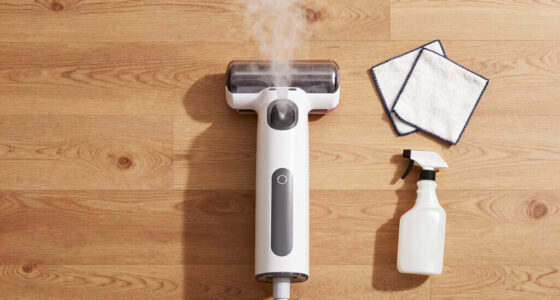
high temperature steam cleaner for dust mites
As an affiliate, we earn on qualifying purchases.
As an affiliate, we earn on qualifying purchases.
Steam Cleaning Surfaces: What Works and What Doesn’t
| Surface Type | Suitability for Steam Cleaning | Best Practices |
|---|---|---|
| Tile & Sealed Hardwood | Yes | Use low to medium steam; dry thoroughly to prevent moisture buildup and potential warping or damage. |
| Unsealed Wood & Delicate Fabrics | No | Avoid or test first; use gentler methods like spot cleaning or professional advice to prevent warping, staining, or damage to sensitive materials. |
| Carpets & Upholstery | Limited | Spot test first; prefer vacuuming with HEPA filters for embedded allergens, and use steam only as a supplementary surface treatment to reduce surface allergens and microbes. |
| Vinyl & Linoleum | Yes | Regular steam cleaning with proper drying to maintain surface hygiene and prevent moisture retention that could lead to mold growth. |
For example, a homeowner cleaned her kitchen tiles with a steam mop and saw a clear reduction in grime and allergens. Meanwhile, she tested a small hidden spot on her hardwood floor—if it reacts poorly, avoid steaming that area to prevent warping or damage. Recognizing the specific needs and limitations of each surface helps prevent accidental damage and ensures effective allergen reduction.
Always check your surface manufacturer’s guidance before steaming. When in doubt, test a small, inconspicuous area first to see how the material reacts. Proper testing and cautious application help preserve your surfaces while maximizing allergen removal.
HEPA vacuum with steam cleaning capability
As an affiliate, we earn on qualifying purchases.
As an affiliate, we earn on qualifying purchases.
The Best Way to Use Steam Cleaning for Allergy Relief
- Check your surfaces—ensure they’re compatible with steam cleaning to prevent damage and ensure effective allergen removal.
- Fill your cleaner with distilled water to prevent mineral buildup, which can impair the cleaning process and damage equipment over time.
- Start with a low steam setting—especially on delicate or porous surfaces—to avoid warping or staining.
- Move slowly across surfaces, allowing heat to penetrate and effectively kill allergens without risking surface damage. Focus on high-traffic and allergy-prone areas for maximum benefit.
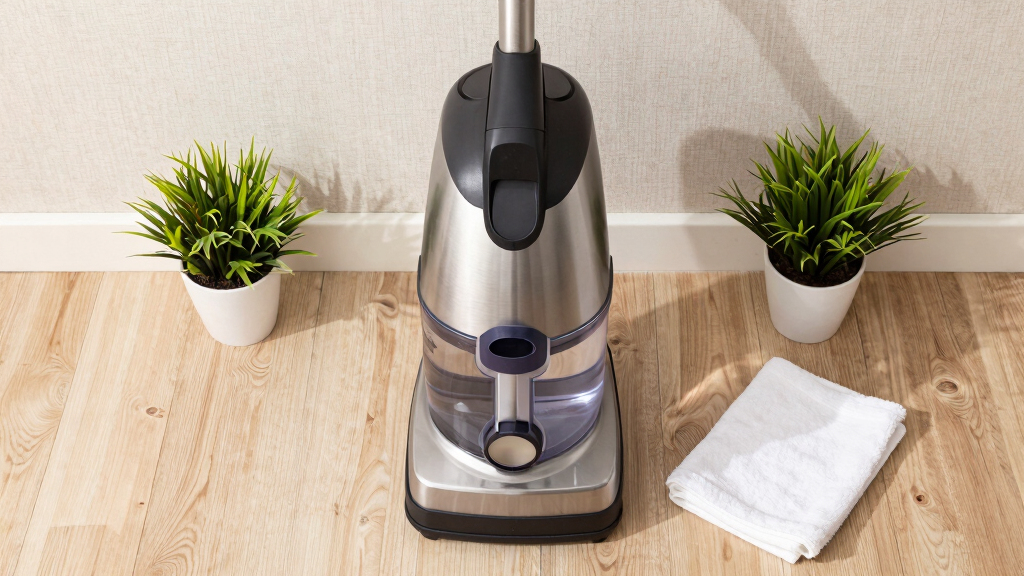
- Dry surfaces thoroughly with a towel or cloth immediately after steaming. Proper drying prevents residual moisture that can promote mold growth and negate allergen reduction efforts.
- Vacuum afterward with a HEPA filter to remove any loosened allergens and dust particles remaining on surfaces or in the air.
- Repeat this process weekly or biweekly, depending on allergy severity and surface condition, to maintain low allergen levels and prevent buildup.
For example, a person with pet allergies steam cleaned her sofa using a fabric-safe attachment, then vacuumed with a HEPA filter. Her allergy flare-ups lessened significantly over time. This routine ensures that allergens are consistently targeted on both surfaces and in the air, providing a more comprehensive approach to allergy relief.
Remember, combining regular steaming with good airflow, proper drying, and other cleaning habits enhances overall effectiveness, helping you breathe easier in your home.
As an affiliate, we earn on qualifying purchases.
What Are the Real Limits of Steam Cleaning for Allergies?
Steam cleaning isn’t a cure-all for indoor allergies. While it effectively kills surface allergens and can temporarily reduce airborne particles, its reach is limited. Deep-seated dust, mold hidden within wall cavities, or pet dander embedded deep within upholstery and porous materials often remain unaffected. These allergens can reactivate or cause symptoms even after surface cleaning, emphasizing the need for comprehensive strategies.
For example, a pet owner steamed her living room floors and noticed fewer pet allergens on the surface. However, pet dander inside her thick curtains and deep within the fabric of her furniture remained a persistent trigger. This highlights the importance of combining steaming with other methods such as frequent vacuuming with HEPA filters, air purifiers, and regular laundering to address embedded allergens effectively.
Understanding these limitations helps prevent false expectations and encourages a layered approach. Relying solely on steam cleaning might provide only temporary relief, but integrating it with other targeted cleaning and air quality strategies maximizes overall effectiveness and improves long-term allergy management.
In essence, think of steam cleaning as a valuable but partial tool—complemented by other methods like HEPA filtration, proper ventilation, and thorough laundering—to create a healthier indoor environment.
How to Maximize Safety and Effectiveness
Always test surfaces before full cleaning—what’s safe for one material might warp or stain another. Use distilled water to avoid mineral deposits, especially with hard tap water, which can clog or damage your equipment over time. Properly maintaining your steamer ensures consistent performance and safety.
Proper drying after steaming is critical. Residual moisture can promote mold growth, especially in humid environments. Use a towel, fan, or open windows to speed up drying, reducing the risk of moisture-related issues that could negate allergen reduction efforts.
Follow manufacturer instructions carefully, including recommended heating times and surface compatibility. Never overheat or leave steam cleaners unattended on delicate surfaces, as this can cause warping, staining, or damage. Regularly inspect your equipment for wear and tear to maintain safety and efficacy.
For instance, a family learned that their unsealed hardwood floors warped after excessive steaming. After adjusting their technique—using gentler steam and ensuring thorough drying—they reduced the risk of damage while still lowering surface allergens. Proper use and caution are essential to balance safety and cleaning effectiveness in allergy-prone environments.
Stay cautious, and remember: safety first. When in doubt, consult your cleaner’s manual or a professional to avoid costly mistakes and ensure your allergy relief strategy is both safe and effective.
Frequently Asked Questions
Does steam cleaning eliminate all allergens?
Not entirely. Steam cleaning can kill surface dust mites, mold spores, and pet dander, but it doesn’t reach deep into porous materials or embedded allergens. It’s best used as part of a comprehensive allergy control plan.
Is steam cleaning safe for all surfaces?
No. Some surfaces like unsealed wood, delicate fabrics, or electronics can be damaged by high heat or moisture. Always check manufacturer guidance and test a small hidden area first.
How often should I steam clean for allergy relief?
Typically once every 1-2 weeks, depending on your household’s allergy triggers and surfaces. More frequent cleaning can help, but overdoing it may cause moisture issues—balance is key.
Can steam cleaning replace vacuuming?
No, it should complement vacuuming, especially with a HEPA-filter vacuum. Vacuuming removes embedded allergens, while steam targets surface allergens and kills some microbes.
Are there health risks with steam cleaning?
If used improperly, you risk burns or moisture damage. Always handle steam cleaners with care, use appropriate settings, and dry surfaces thoroughly afterward.
Conclusion
Steam cleaning offers a safe, chemical-free way to reduce surface allergens—especially on tiles, sealed hardwood, and vinyl. But it’s not a magic fix for every allergen hiding deep in fabrics or porous materials.
Think of it as a helpful tool in a broader allergy management routine—paired with regular vacuuming, good airflow, and cleaning habits. When used wisely, it can make your home a little easier to breathe.
So, if you’re tired of sneezing fits and itchy eyes, give steam cleaning a try—just remember to test first, dry thoroughly, and keep expectations realistic.
Halloween Picks
halloween
As an affiliate, we earn on qualifying purchases.