TL;DR

Get cleaning gear delivered free with Prime
- Fast, free delivery on millions of items
- Prime Video, Amazon Music and more included
- Member-only deals all year
Steam cleaning can kill up to 99.9% of certain bacteria and viruses when used properly, thanks to high temperatures that denature microorganisms. However, its effectiveness varies based on surface, pathogen type, and technique. It’s a powerful tool for reducing microbial load but may need to be combined with chemical disinfectants in some cases.
Imagine a steaming cloth wiping away bacteria on your kitchen counter, leaving behind no visible dirt. But does all that heat really kill germs? Many people assume so, but it’s not quite that simple. You’re about to learn how steam cleaning works on a microbial level, and whether it’s truly a reliable germ killer. This guide strips away the hype and focuses on what matters: safe, effective cleaning for your home and family.
If you’re considering steam cleaning as your go-to for disinfecting, understanding its real power and limits can help you avoid false expectations. We’ll cover how it kills germs, what surfaces it’s safe on, and when you might still want to reach for a disinfectant spray. Ready? Let’s get steaming.
Steam cleaning at temperatures above 212°F can inactivate many common germs and viruses when used properly.
Proper technique, contact time, and surface compatibility are key to effective germ reduction.
Steam is most effective on sealed, heat-tolerant surfaces like tile, vinyl, and sealed hardwood.
It significantly reduces microbial load but shouldn’t replace chemical disinfectants in high-risk areas.
Always test surfaces first and follow manufacturer guidelines for safe, effective use.
How Does Steam Cleaning Kill Germs? The Science Simplified
Steam cleaning kills germs mainly because of the heat — typically between 200°F to 300°F. When steam hits a surface, it denatures the proteins and destroys the cell membranes of bacteria, viruses, and mold spores. Think of it like a hot blast that unfolds the microbe’s tiny, delicate structures, rendering them harmless.
For example, when you steam a bathroom tile or kitchen countertop, the high temperature can inactivate many pathogens lurking there. But the key is maintaining sufficient contact time. A quick pass won’t do the trick; germs need to be exposed to that intense heat for at least a few seconds to be effectively neutralized.
Research from cleaning science shows that, at these temperatures, steam can kill up to 99.9% of certain bacteria and viruses — including common culprits like *Salmonella* and *E. coli.*
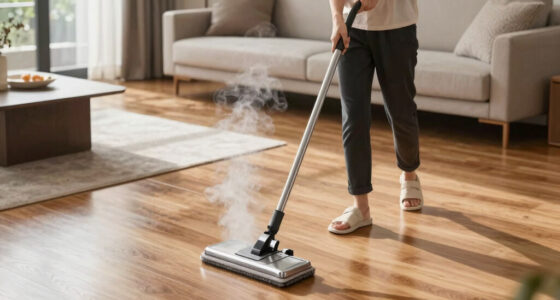
steam cleaner for disinfecting surfaces
As an affiliate, we earn on qualifying purchases.
As an affiliate, we earn on qualifying purchases.
What Surfaces Are Safe to Steam and Which Aren’t?
Steam cleaning is versatile but not universal. It’s great on tile, sealed hardwood, vinyl, and laminate — surfaces that can handle moisture and heat. Imagine a kitchen floor shining after a quick steam session, or grout lines looking fresh and clean.
But be cautious with delicate materials. Unsealed wood, certain unprotected fabrics, and electronics can warp, stain, or get damaged by moisture and heat. For example, steaming a hardwood floor with an unsealed finish might cause swelling or discoloration.
Always check the manufacturer’s guidelines before steaming. When in doubt, test a small hidden area first. Remember, a gentle approach with lower steam settings is safer for fragile surfaces.
As an affiliate, we earn on qualifying purchases.
How Effective Is Steam Against Different Germs and Viruses?
Steam cleaning can kill many germs, including bacteria and some viruses, when used at proper temperatures and contact time. For example, at temperatures above 212°F (100°C), steam can deactivate viruses like *coronaviruses*, according to recent studies.
However, not all germs are the same. Bacterial spores and certain hardy viruses might require chemical disinfectants for complete eradication. Think of it like baking — some germs are like tough bread that needs a hotter oven or longer baking time.
In practice, steam reduces microbial load significantly, often by 99% or more, but it’s not foolproof against all resilient microorganisms. Combining steam with disinfectants boosts your protection, especially in high-risk areas.
portable steam cleaner for kitchen and bathroom
As an affiliate, we earn on qualifying purchases.
As an affiliate, we earn on qualifying purchases.
Can Steam Cleaning Actually Kill Germs? The Evidence
Yes, when used properly, steam cleaning can kill a large percentage of germs. Studies show that at temperatures above 212°F, steam can inactivate up to 99.9% of common bacteria and viruses.
For instance, a 2023 review found that steam cleaning reduces *Salmonella* and *E. coli* on kitchen surfaces, and can deactivate certain coronaviruses, when maintained at high temperature for at least 30 seconds.
But effectiveness hinges on several factors: the accuracy of the temperature, duration of contact, and surface type. It’s not a guarantee for all microbes, especially spores or resilient viruses.
In practical terms, steam is best viewed as a powerful microbial reducer, not a complete sterilizer. When combined with chemical disinfectants, it can be part of a solid cleaning routine.
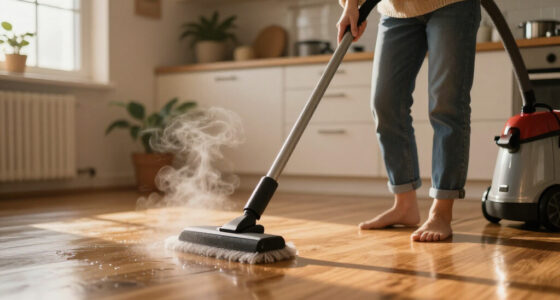
steam cleaning machine for tile and sealed hardwood
As an affiliate, we earn on qualifying purchases.
As an affiliate, we earn on qualifying purchases.
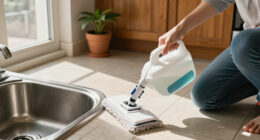
How to Maximize Germ-Killing Power with Your Steam Mop
- Check the manufacturer’s temperature recommendations — aim for at least 212°F for pathogen inactivation.
- Pre-clean surfaces to remove dirt and debris — steam works best on clean surfaces.
- Use the right attachment and technique — slowly move the steam head, ensuring even coverage.
- Hold the steam on each area for at least 30 seconds — longer for stubborn spots.
- Test a small, hidden patch first — especially on delicate surfaces.
For example, in a busy kitchen, steaming grout and counter edges for about a minute can drastically cut microbial presence, making the space safer without chemicals. Just remember: patience and proper technique matter.
When Should You Still Reach for Disinfectants?
Steam is powerful but not always enough. In high-risk environments, like healthcare settings or during illness outbreaks, chemical disinfectants remain the gold standard for complete sterilization. Think of steam as your first line of defense — it reduces germs, but chemical disinfectants finish the job.
For example, after preparing raw chicken, steaming the countertop reduces bacteria, but following up with a disinfectant spray ensures all lingering pathogens are gone.
In your home, combine steaming with disinfectant wipes or sprays in bathrooms and kitchens to maximize safety. When in doubt, follow guidelines from health authorities about disinfection protocols.
How to Use Steam Cleaning Safely and Effectively
- Always follow the manufacturer’s instructions for temperature and duration.
- Test surfaces first to prevent damage — especially on unsealed wood or electronics.
- Use appropriate attachments for different surfaces — brushes for grout, cloths for upholstery.
- Keep the steam mop moving — don’t linger in one spot to avoid heat damage.
- Allow surfaces to cool before touching or using them again.
For example, after steaming your ceramic tile, wait a few minutes for it to cool down before walking on it barefoot. Safety first, even with something as simple as steam cleaning.
Frequently Asked Questions
Does steam cleaning kill COVID-19?
Steam cleaning can deactivate many coronaviruses when used at temperatures above 212°F and with sufficient contact time. However, it might not eliminate all viral particles, especially on porous surfaces. For thorough disinfection, combine steaming with chemical disinfectants recommended by health authorities.
Is steam cleaning enough to disinfect surfaces?
Steam reduces germs significantly but may not eliminate all pathogens, especially spores or hardy viruses. For high-risk areas or during illness outbreaks, use chemical disinfectants after steaming for full reassurance.
Can steam damage my surfaces?
Yes, especially delicate materials like unsealed wood, electronics, or soft fabrics. Always test a hidden area first and follow manufacturer instructions to avoid warping or staining.
How long should I steam to kill germs?
Maintaining steam contact for at least 30 seconds to a minute at high temperature is typically effective. For stubborn spots, hold the steam longer, but always be cautious with sensitive surfaces.
Is steam cleaning safe for children and pets?
Generally, yes, because it avoids harsh chemicals. Just be careful to prevent burns from hot steam and allow surfaces to cool before use.
Conclusion
Steam cleaning can be a powerful ally in your fight against germs — when used correctly. It’s not magic, but it’s a proven method to reduce microbial presence without chemicals. Think of it as a first step in a layered approach to a safer, cleaner home.
Next time you steam your floors or counters, remember: high heat kills many germs, but know its limits. Pair it with good habits, proper technique, and occasional disinfectants for the best protection. Your home’s health is worth it.
Columbus Day / Indigenous Peoples' Day Picks
long weekend sales
As an affiliate, we earn on qualifying purchases.