TL;DR

Get cleaning gear delivered free with Prime
- Fast, free delivery on millions of items
- Prime Video, Amazon Music and more included
- Member-only deals all year
Steam mopping laminate seams can risk water damage, especially if not done carefully. Always check your flooring’s manufacturer guidelines and opt for dry or minimally damp cleaning methods to protect your floors.
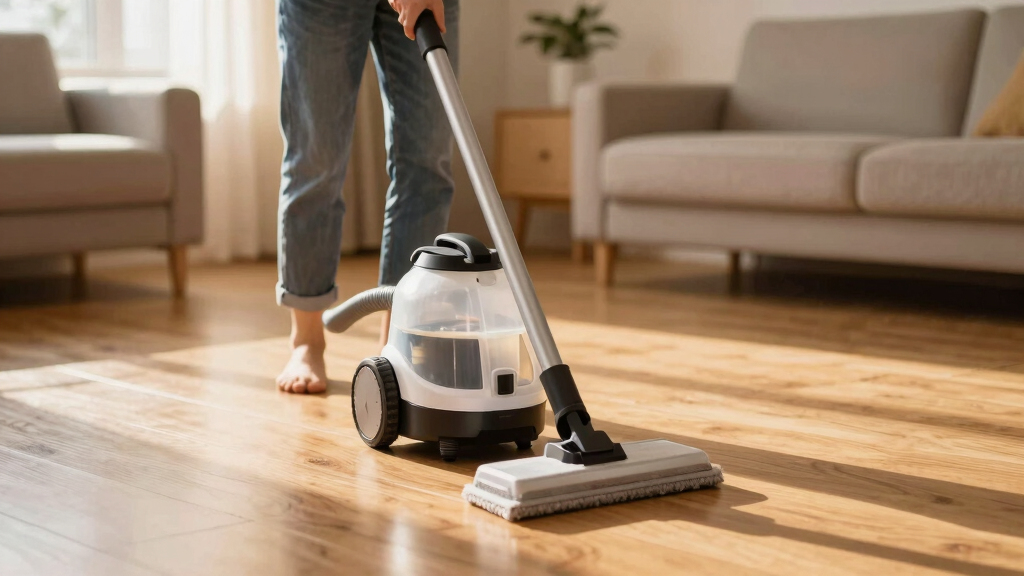
Imagine the rich, warm aroma of a freshly cleaned home. Now, picture the gleam of your laminate floors, the seams perfectly aligned, shiny but safe. You’ve probably seen those steam mops in action—powerful, quick, seemingly effortless. But is it safe to use one on your laminate flooring? That’s what this guide aims to clarify.
We’ll explore whether you can steam mop laminate seams without risking water damage, what the latest innovations say, and the best cleaning methods that keep your floors looking their best without harm. Because protecting your investment means knowing exactly how much moisture your floors can handle.
Most laminate floors advise against using traditional steam mops due to water infiltration risks.
Using a microfiber cloth or laminate-safe cleaner is the safest way to clean seams without damage.
Some newer steam mop models with adjustable settings might be safe, but always check with your flooring manufacturer first.
Early signs of water damage include bubbling, swelling, or seams lifting—inspect regularly.
Sealing seams can provide limited protection but isn’t a substitute for proper cleaning methods.
Can You Steam Mop Laminate Seams Without Water Damage?
The short answer: generally, no. Hot vapor can enter microscopic gaps, reach the moisture-sensitive core, and trigger swelling, warping, or delamination. Unless your flooring manufacturer explicitly approves steam cleaning, choose dry or barely damp methods.
Steam finds the weakest path
Laminate combines a wear layer, decorative image, and fiberboard-based core. The surface may resist a quick spill, but the joints can still admit vapor and condensed water.
Microscopic gaps
Worn locking joints, tiny installation gaps, or weakened sealant give hot vapor a route beneath the protective surface.
Core swelling
Fiberboard absorbs moisture and expands. Raised edges, soft bumps, and distorted seams may remain after the surface dries.
Permanent change
Repeated exposure can produce warping, gaps, buckling, or delamination—damage that ordinary cleaning cannot reverse.
The water-damage chain
Clean the seam, not soak it
The goal is controlled contact: remove grit first, target marks second, and leave no visible moisture sitting along a joint.
Dry dust first
Use a soft microfiber mop or cloth to remove grit that can scratch the finish or lodge inside seams.
Barely dampen
For marks, wring the cloth thoroughly. It should feel faintly damp rather than wet or dripping.
Spot clean
Apply a laminate-safe product sparingly to the cloth, then work only on the affected area.
Dry immediately
Finish with a clean, dry microfiber cloth, especially where liquid could collect along plank edges.
Even a low setting can create repeated vapor exposure. Sealing may offer limited protection, but it does not make a laminate core waterproof.
“Laminate-safe” lowers risk—it does not erase it
Some newer mops offer adjustable output and sealed tanks. Those features matter only after the flooring maker explicitly confirms compatibility.
| Feature | Traditional steam mop | Low-steam / laminate-claimed model | Dry or barely damp microfiber |
|---|---|---|---|
| Steam control | ✗ Limited or high output | ~ Adjustable, low setting | ✓ No steam |
| Leak control | ✗ Often less controlled | ~ Sealed systems may help | ✓ User controls moisture |
| Seam exposure | ✗ High | ~ Reduced, not eliminated | ✓ Minimal |
| Typical maker position | ✗ Commonly discouraged | ~ Verify exact floor model | ✓ Commonly preferred |
✓ preferred ✗ higher risk ~ conditional. Product marketing never overrides the flooring warranty or care instructions.
No approval, no steam.
If the manual does not expressly permit steam cleaning on your exact laminate product, treat that absence as a reason to use a dry or minimally damp method.
Catch moisture damage before it spreads
Inspect high-traffic seams and recently cleaned areas. Changes in shape, texture, or color can signal moisture beneath the wear layer.
Bubbling
Small raised pockets or a blistered surface may indicate moisture trapped beneath the top layer.
Swollen edges
Plank edges feel raised, soft, or uneven underfoot as the moisture-sensitive core expands.
Discoloration
Dark seams, cloudy finish, or uneven patches can reveal water migration below the surface.
Separation
New gaps, lifting joints, or buckled boards suggest that the plank structure has changed.
The floor-safe decision chain
Bottom line: steam mopping laminate seams without water damage cannot be guaranteed. Dry microfiber, targeted spot cleaning, and a barely damp cloth offer the safest balance of cleanliness, shine, and long-term floor protection.
Can You Safely Use a Steam Mop on Laminate Floors? The Truth Revealed
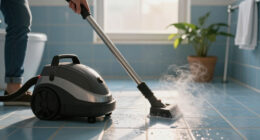
Generally, no. Most laminate flooring manufacturers caution against using traditional steam mops. The high-temperature steam can seep into seams, especially if they’re not perfectly sealed, causing swelling, warping, or even delamination over time.
For example, a homeowner in Ohio found her laminate planks warping after a few months of using a steam mop without checking her manufacturer’s advice. It’s tempting—steam feels like a quick fix—but the risks outweigh the benefits unless your flooring is explicitly labeled as compatible.
laminate floor microfiber cleaning cloth
As an affiliate, we earn on qualifying purchases.
As an affiliate, we earn on qualifying purchases.
How Steam Mops Could Damage Your Laminate Seams — And Why It Matters
Steam mops produce a burst of hot water vapor that can penetrate tiny gaps in your flooring’s surface. Even if your laminate looks sealed, microscopic openings or weak joints can allow moisture to seep in. This infiltration can cause the core layers—often made of fiberboard or similar materials—to swell, warp, or delaminate. The implications are serious: once the structural integrity is compromised, your floors may develop unsightly gaps, buckling, or even require costly replacement.
Understanding why this happens is crucial. Water molecules are small and persistent; they can linger in seams or joints, especially if the floor experiences repeated exposure. The long-term consequence is that what seems like a quick cleaning method can significantly shorten your floor’s lifespan, leading to unexpected expenses and frustration. The tradeoff is clear: sacrificing a bit of time and effort with safer cleaning methods preserves the durability and appearance of your floors.
As an affiliate, we earn on qualifying purchases.
How to Clean Laminate Seams Without Water — 4 Practical Tips
- Dry Microfiber Cloth: Use a soft, dry microfiber cloth to gently remove dust and loose dirt. This simple step prevents abrasive particles from scratching your surface and keeps seams clear of debris that could trap moisture or cause staining over time.
- Light Damp Cloth: If spots or stains appear, lightly dampen a microfiber cloth with water or a laminate-safe cleaner. Wring out excess moisture thoroughly—this is critical. Too much water can seep into seams, so only a faint dampness is necessary. This method minimizes water infiltration while effectively cleaning surface grime, reducing the risk of long-term water damage.
- Avoid Direct Steam: Never point your steam mop directly at seams or joints. Even minimal steam can penetrate unsealed or weak areas, and repeated exposure increases the risk of swelling or warping. Think of steam as a tool that should be used with caution, not as a quick fix for stubborn dirt.
- Use Laminate-Safe Cleaners: Choose cleaning products formulated specifically for laminate floors. Spray lightly and wipe with a microfiber cloth, ensuring you don’t oversaturate the surface. Following manufacturer instructions ensures you’re not introducing excessive moisture or harsh chemicals that could weaken your floor’s finish or structure.
adjustable steam mop for laminate floors
As an affiliate, we earn on qualifying purchases.
As an affiliate, we earn on qualifying purchases.
Are There Any Safe Steam Mops for Laminate Floors? What You Need to Know
Some newer models claim to be safe for laminate, but caution is essential. These mops feature adjustable steam settings and sealed systems designed to minimize water contact. Still, they’re not a guarantee—always check your flooring manufacturer’s advice first. Even with these features, the risk remains that microscopic leaks or improper use can lead to moisture infiltration, especially over time.
For example, a popular brand offers a model with a ‘low steam’ setting and a sealed water tank. However, the effectiveness of these safety features depends heavily on correct operation and consistent testing on hidden areas. Ultimately, they can reduce risk but don’t eliminate it entirely, so understanding your floor’s specific tolerances is key.
As an affiliate, we earn on qualifying purchases.
Comparison Table: Traditional vs. Safe-For-Laminate Steam Mops
| Feature | Traditional Steam Mops | Laminate-Safe Models |
|---|---|---|
| Steam Control | Limited, often high heat | Adjustable, low settings |
| Sealed System | No, usually open | Yes, sealed tanks |
| Manufacturer Advice | Usually warn against use | Often explicitly safe |
What Are the Best Ways to Clean Laminate Seams Without Water?
If you want to keep your laminate looking its best without risking damage, stick to dry or lightly damp methods. Think of your floor as a delicate fabric—gentle touches only. This approach prevents moisture from seeping into seams or under the planks, which can cause swelling or warping over time.
- Use a microfiber dust mop daily to sweep away dirt, preventing grit from scratching or embedding in seams.
- Spot clean with a barely damp cloth, ensuring minimal moisture exposure. This helps remove stubborn stains without risking water infiltration.
- Opt for laminate-specific cleaning products, applied sparingly, to maintain the finish and prevent buildup that could trap moisture.
- Address stubborn stains with a soft brush and a tiny amount of cleaner, taking care not to oversaturate the surface. This targeted cleaning preserves the integrity of the seams and surface.
Signs Your Laminate Floor Has Water Damage — How to Spot It Early
Water damage can be subtle but damaging if left unnoticed. Bubbles, swelling, or discoloration are telltale signs that moisture has infiltrated beneath the surface. Once you notice these symptoms, immediate action is necessary to prevent further deterioration. Early detection can save you from costly repairs or complete floor replacement.
Imagine walking barefoot and feeling a soft bump underfoot—that’s often a swollen seam caused by trapped moisture. Dark patches along seams or areas where the finish appears cloudy or uneven can also indicate water seeping into the core layers. Recognizing these signs early allows you to address the problem before structural damage becomes permanent, preserving both the appearance and value of your flooring.
Regular inspections, especially after spills or cleaning, can help you catch issues early. If you notice any of these signs, consult a flooring professional to assess the damage and recommend appropriate repairs, which can range from seam resealing to full replacement if necessary.
Can Sealing Laminate Seams Protect Against Water Damage from Steam?
Sealing seams might offer a temporary barrier against minor spills, but it’s not a comprehensive solution. Most laminate floors are constructed with layers that are not waterproof, and the core material—often fiberboard—is inherently susceptible to water damage. Sealing can slow infiltration but cannot prevent water molecules, especially from steam, from penetrating over time.
For example, applying waterproof caulk or seam sealant can help contain small splashes or minor spills, but continuous or repeated steam exposure can weaken the seal or find microscopic pathways into the core. Think of it as a band-aid rather than a cure—useful for small accidents but not a substitute for proper cleaning methods. Relying solely on sealing gives false confidence and can lead to overlooked damage that manifests later, often with costly consequences.
Frequently Asked Questions
Can I use a steam mop on laminate flooring safely?
Most laminate floors warn against steam mops because water vapor can seep into seams and cause damage. Only use if your flooring manufacturer explicitly approves and on the lowest steam setting.How do I clean laminate seams without water?
Use a microfiber cloth for dusting, a damp cloth with laminate-specific cleaner for spots, and avoid direct steam. These methods minimize moisture and protect your floor’s integrity.Are there any steam mops safe for laminate floors?
Some models with adjustable steam levels and sealed systems claim safety, but always verify with your flooring’s manufacturer before use.What should I do if I see water damage on my laminate floor?
Look for bubbling, swelling, or lifting seams. If you notice these, act quickly by stopping all moisture exposure and consulting a flooring professional if needed.Can sealing seams help prevent water damage from steam?
Sealing might help temporarily, but most laminate floors aren’t waterproof. It’s best to avoid steam entirely and stick to dry cleaning methods.Conclusion
Protect your floors by sticking to dry or lightly damp cleaning methods. When in doubt, follow your manufacturer’s advice and avoid direct steam contact on laminate seams. Your floors will thank you with their lasting beauty and integrity.
Remember, gentle touches go a long way. Think of your laminate as a delicate artwork—clean it with care, and it will reward you with years of gleaming, seamless beauty.
Halloween Picks
halloween
As an affiliate, we earn on qualifying purchases.