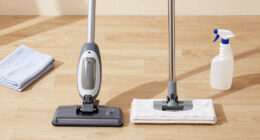
TL;DR
Steam mops sanitize and loosen dirt with high heat, offering chemical-free cleaning, while regular mops rely on water and solutions for versatility. Your choice depends on floor type, hygiene needs, and budget.
Imagine a cleaning tool that not only mops your floors but also blasts away germs with just hot water. That’s what a steam mop promises. But does it truly beat the classic, water-and-scrub method of a regular mop? The answer isn’t simple, and knowing the differences can save you time, money, and headaches.
In this guide, you’ll see how each tool works, what surfaces they’re best for, and how they stack up in cleaning power. Whether you’re aiming for a sparkling, germ-free kitchen or just trying to keep your floors looking fresh, understanding these tools helps you make smarter choices.
Steam Mop vs Regular Mop: Which One Cleans Better?
TL;DR: Steam mops sanitize and loosen dirt with high heat, offering chemical-free cleaning for sealed floors. Regular mops rely on water and cleaning solutions, making them more versatile across surfaces, stains, and budgets.
Steam mops can kill up to 99.9% of bacteria and germs when used properly on compatible sealed floors.
High-temperature vapor helps melt grease, loosen stuck-on dirt, and reduce chemical dependence.
Choose steam for hygiene and speed; choose a regular mop for flexibility and floor-by-floor control.
Cleaning power depends on the mess and the floor.
Steam mops win for sealed kitchens, bathrooms, grease, and germ-prone zones. Regular mops remain the safer all-purpose option when floor finish, chemical choice, or stain type needs more control.
Heat does the heavy lifting.
Hot vapor penetrates dirt, loosens sticky residue, and sanitizes without harsh cleaners. It is especially strong on sealed tile, vinyl, and sealed hardwood.
Solutions add precision.
A regular mop can use disinfectants, degreasers, vinegar blends, or gentle soaps, giving you more control over surface-specific cleaning.
Steam is not universal.
Unsealed hardwood and delicate laminate can absorb moisture, warp, crack, or stain. Manufacturer guidance and a hidden test spot matter.

Shark Steam Mop with 2 Machine Washable Dirt Grip Pads, Removable Water Tank, Lightweight, Steam Cleaner for sealed Hard Floors, Marble, Stone, Hardwood, Tile, Laminate, White/Seafoam, S1000
CHEMICAL-FREE SANITIZATION*: With the power of steam, remove grease and grime using just water — no chemicals needed…
As an affiliate, we earn on qualifying purchases.
As an affiliate, we earn on qualifying purchases.
Which one fits your floor?
The best mop is not just the strongest cleaner. It is the one that matches your floor material, hygiene goals, budget, and tolerance for maintenance.
| Feature | Steam Mop | Regular Mop | Better Pick |
|---|---|---|---|
| Cleaning method | Hot steam, usually no chemicals | Water plus cleaning solution | ✓ Steam for chemical-free grime |
| Best surfaces | Sealed tile, vinyl, sealed hardwood | Most surfaces, including many unsealed floors | ✓ Regular for versatility |
| Sanitization | High; up to 99.9% of germs with proper use | Depends on disinfectant and technique | ✓ Steam for hygiene |
| Damage risk | ~ Risky on unsealed or delicate floors | ✓ Easier to adapt by solution and moisture level | Regular for fragile surfaces |
| Upfront cost | ✗ Higher initial price | ✓ Lower initial price | Regular for tight budgets |
| Environmental impact | ✓ Water only | ~ Depends on cleaner choice | Steam for lower chemical use |
Shark Steam Mop with 2 Machine Washable Dirt Grip Pads, Removable Water Tank, Lightweight, Steam Cleaner for sealed Hard Floors, Marble, Stone, Hardwood, Tile, Laminate, White/Seafoam, S1000
CHEMICAL-FREE SANITIZATION*: With the power of steam, remove grease and grime using just water — no chemicals needed…
As an affiliate, we earn on qualifying purchases.
As an affiliate, we earn on qualifying purchases.
One tool blasts with heat. The other wins through adaptability.
Steam cleaning compresses mopping and sanitizing into one motion. Traditional mopping separates the job into water, solution, agitation, rinsing, and drying.
Water becomes vapor.
A heating chamber turns water into steam, then pushes vapor through a pad. The heat softens grease, loosens residue, and can kill germs on contact when the mop is used slowly enough.
Solution plus scrubbing.
A regular mop removes dirt through moisture, cleaning agents, and friction. Its performance changes dramatically based on the solution, pad type, water cleanliness, and scrubbing effort.
Performance Profile
Floor Damage Risk
Steam is safest on sealed hard floors. Regular mops can be safer on sensitive surfaces because you can reduce moisture, change solution strength, and avoid high heat.
multi-surface regular mop
As an affiliate, we earn on qualifying purchases.
As an affiliate, we earn on qualifying purchases.
Pick the mop by following the surface.
The smartest choice starts with floor compatibility, then hygiene needs, then cost. A powerful mop used on the wrong surface is an expensive mistake.
Check the seal.
Sealed tile, vinyl, and sealed hardwood usually tolerate steam. Unsealed wood and delicate laminate need caution.
Define the goal.
Choose steam for sanitizing, grease, and quick hygienic passes. Choose regular for varied stains and mixed flooring.
Match the method.
Steam uses water and heat. Regular mops use solution chemistry and scrubbing control.
Test first.
Try a hidden spot, watch for dulling or swelling, and adjust moisture before cleaning the full floor.
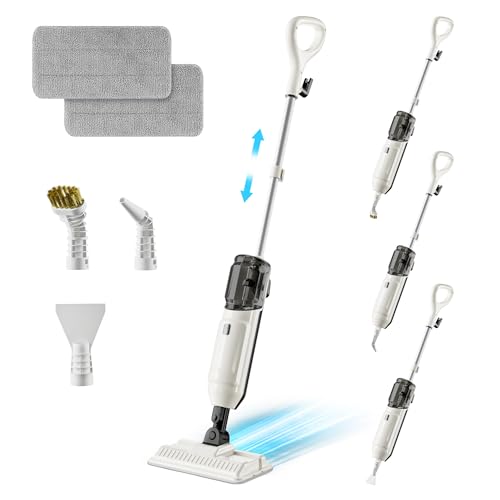
Steam Mop for Floor Cleaning, Multi-Purpose Steam Cleaner with Handheld Steamer & Accessories, Deep Cleaning Floor Steamer for Hardwood and Tile, Pet-Friendly Steam Mop for Home
Powerful Steam Mop for Deep Floor Cleaning: This steam mop cleaner delivers 260°F high-temperature steam in just 15…
As an affiliate, we earn on qualifying purchases.
As an affiliate, we earn on qualifying purchases.
From mess to mop choice.
Use this chain when you are standing in the kitchen with a spill, a stain, and ten minutes before someone walks through it.
Mess Type
Grease, germs, dust, stains, or everyday soil.
Floor Type
Sealed hard floor, hardwood, laminate, or delicate finish.
Cleaning Mode
Heat and vapor, or solution and scrubbing.
Safety Check
Manufacturer guidance plus a small hidden-area test.
Final Pick
Steam for sealed hygiene; regular for maximum adaptability.
Steam cleans deeper, regular cleans wider.
For germ-prone sealed floors, a steam mop is the stronger cleaner. For mixed surfaces, fragile finishes, and stain-specific cleaning, a regular mop is still the more flexible household staple.
- Steam mops sanitize and loosen dirt with heat, making them ideal for kitchens, bathrooms, and sealed hard floors.
- Regular mops handle more floor types and let you choose disinfectants, degreasers, or gentle cleaners.
- Steam reduces chemical use, which helps households with kids, pets, or sensitivity concerns.
- Floor compatibility matters most; unsealed hardwood and delicate laminate can be damaged by heat and moisture.
- Total cost depends on use; steam costs more upfront, while regular mops can add recurring cleaner and replacement costs.
Common cleaning questions.
The short version: sanitize with steam only when your floor can handle it. Use a regular mop when you need gentler chemistry, lower heat, or better surface control.
Can steam damage hardwood?
Yes. Unsealed hardwood can warp, swell, or stain. Use steam only when the manufacturer confirms the floor is sealed and compatible.
Is steam better than disinfectant?
Steam can kill up to 99.9% of germs with proper use, but some stains or pathogens may still require a disinfectant used as directed.
How often should I steam mop?
Use it as needed for sealed high-traffic areas. For delicate floors or low-traffic rooms, regular mopping may be safer and sufficient.
Which Cleans Better: Steam Mops or Regular Mops? The Quick Answer
Steam mops excel at sanitizing and loosening stubborn dirt without harsh chemicals, making them superior for deep cleaning. Regular mops, however, can be just as effective for everyday messes if you use the right solutions and techniques.
For heavy grime, especially in kitchens or bathrooms, a steam mop’s heat can melt away grease and kill bacteria efficiently. But for versatile cleaning, especially on different surfaces, a regular mop with appropriate cleaning agents might be easier and more adaptable.
How Do Steam Mops Actually Work? The Secret Behind the Steam Power
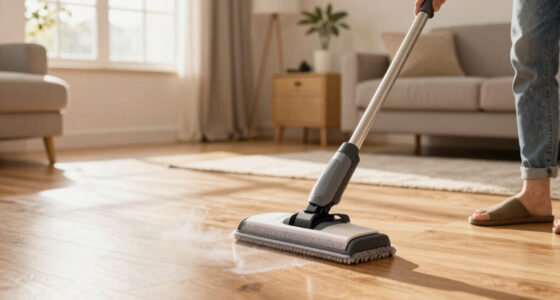
Steam mops heat water to around 200°F or higher, turning it into steam that is released through a mop head. The hot vapor penetrates dirt, grease, and germs, loosening them from the surface and killing bacteria on contact.
Imagine steam as an invisible, heat-driven squeegee that lifts dirt and melts away grime without needing harsh cleaners. For example, a typical steam mop heats water in about 20 seconds, then you glide it over your floor, and the steam does the heavy lifting.
Always check your floor type before using—sealed surfaces like tile or vinyl are ideal, while unsealed hardwood or delicate surfaces might be at risk.
What Are the Real Strengths of Regular Mops? Why They Still Matter
Regular mops shine in their versatility. They work on practically any surface—vinyl, hardwood, tile, even unsealed wood—if you choose the right cleaning solutions.
Think of a classic mop as a Swiss Army knife: adaptable, straightforward, and with a familiar feel. You can add disinfectants, degreasers, or gentle soap depending on your needs. Plus, they tend to be less expensive upfront and easier to repair or replace.
Beyond cost, regular mops allow you to tailor your cleaning process explicitly to each surface’s needs. For instance, using a mild vinegar solution on laminate floors can clean effectively without risking damage, something that might be less predictable with steam due to heat sensitivity. Their simplicity also means fewer parts that can break down over time, making them more durable for frequent use.
Comparison Table: Steam Mop vs Regular Mop — Which One Fits Your Floor?
| Feature | Steam Mop | Regular Mop |
|---|---|---|
| Cleaning method | Hot steam, no chemicals | Water + cleaning solutions |
| Best for | Sealed hard floors like tile, vinyl, sealed hardwood | Most surfaces, including unsealed floors |
| Sanitization | High — kills 99.9% of germs | Depends on cleaning solution used |
| Ease of use | Lightweight, quick, minimal effort | Varies, can be labor-intensive |
| Cost | Higher initial, lower ongoing | Lower initial, ongoing cleaning costs |
| Environmental impact | Water only, eco-friendly | Chemicals may be needed, less eco-friendly |
Which Surface Should You Protect? Floor Types and How They React
Not all floors love steam. Sealed tiles, vinyl, and sealed hardwood typically handle steam well—hot vapor can sanitize without damage. But unsealed hardwood or delicate laminate can warp, crack, or stain if exposed to too much heat or moisture.
Understanding these reactions is crucial because improper use can lead to costly repairs or permanent damage. For example, unsealed hardwood absorbs moisture easily, risking swelling or warping under high heat. Recognizing these risks helps you decide whether steaming is appropriate or if a gentler cleaning method is safer. Always follow manufacturer guidelines and test in a hidden area first to prevent unintended damage.
Cleaning Speed and Effort: Which Saves You Time?
Steam mops can cut cleaning time by combining mopping and sanitizing in one pass. No need for multiple products or scrubbing—just glide and go. They’re especially handy in busy households, where quick, hygienic results matter.
Regular mops might take longer, especially if you need to add solutions, change water, or scrub stubborn spots. But they offer more control over cleaning agents and are better for diverse surfaces.
Choosing between the two depends on your priorities: if you value speed and convenience, steam mops streamline the process. However, if you need tailored cleaning for different surfaces or stubborn stains, traditional mops give you that flexibility, even if it takes a bit more effort.
Eco-Friendly and Safe: Which Is Better for Your Home?
Steam mops are more eco-friendly because they rely solely on water, producing no chemical runoff. This makes them ideal for households with pets, kids, or those with sensitivities, as they reduce exposure to potentially harmful substances. They also lessen the chemical footprint in your home environment, contributing to greener living.
Regular mops require cleaning solutions, which often contain chemicals. While many are formulated to be eco-friendly, they still introduce synthetic substances into your home and wastewater, potentially impacting the environment. The choice to use eco-friendly solutions can mitigate some concerns, but the fundamental difference remains: steam cleaning minimizes chemical use entirely. This makes steam mops a safer and more sustainable option for conscious households.
Cost Over Time: Which Is More Budget-Friendly?
While steam mops cost more upfront—often between $80 and $150—they can be more economical over time due to their durability and reduced need for cleaning chemicals. Proper maintenance ensures they last for years, and the savings on detergents and replacements add up.
On the other hand, regular mops are cheaper initially but incur ongoing expenses for cleaning solutions, replacement pads, and occasional repairs. Over years of use, these recurring costs can surpass the one-time investment in a quality steam mop. Additionally, frequent replacement of worn-out mops and solutions can make regular mopping more expensive in the long run. When considering budget, think about the total cost of ownership, including durability, ongoing supplies, and the frequency of use.
Key Takeaways from This Cleaning Showdown
- Steam mops sanitize and loosen dirt with heat, making them ideal for germ-prone areas.
- Regular mops are more versatile for different surfaces and stains, especially unsealed floors.
- Always test your floor first before using a steam mop to avoid damage.
- Steam mops reduce chemical use and are eco-friendly.
- Budget and cleaning needs will guide whether you pick a high-tech steam cleaner or a simple traditional mop.
Frequently Asked Questions
Can a steam mop damage my hardwood floors?
Yes, if used improperly or on unsealed hardwood, a steam mop can cause warping or staining. Always check your floor’s manufacturer guidelines and test in a hidden spot before full use.
Are steam mops better for killing germs than disinfectants?
Steam mops can kill up to 99.9% of bacteria and germs with proper use, making them very effective. However, for certain viruses or tough stains, chemical disinfectants might be more reliable when used according to instructions.
How often should I use a steam mop?
Frequency depends on household traffic, but weekly steaming can help maintain hygiene, especially in kitchens and bathrooms. For everyday cleaning, a quick pass keeps germs at bay without overexposing floors to heat.
What’s the main drawback of steam mops?
The main downside is they are more expensive upfront and unsuitable for unsealed or delicate surfaces. Always follow safety tips and manufacturer guidelines to prevent damage.
Is a regular mop enough for deep cleaning?
Yes, if you use effective cleaning solutions and scrub stubborn spots. Regular mops are versatile and effective for most household needs, especially when combined with good cleaning habits.
Conclusion
Choosing between a steam mop and a regular mop comes down to what your floors need and what you value—hygiene, versatility, or budget. A steam mop offers a quick, chemical-free way to sanitize sealed surfaces, while a regular mop provides flexibility across various materials.
Remember, a well-maintained floor starts with the right tool and a little care. So, which one will you pick for your next cleaning session? Sometimes, the best choice is the one you can trust to do the job safely and effectively.