TL;DR
Open a free Amazon Business account
Business pricing, bulk buying and tax-exempt orders.
Create a free accountAs an affiliate, we earn on qualifying purchases.
Steam doesn’t instantly loosen tile or grout if installed properly. Over time, frequent steam, especially on unsealed surfaces, can weaken grout and adhesives. Regular sealing and cautious cleaning protect your floors.
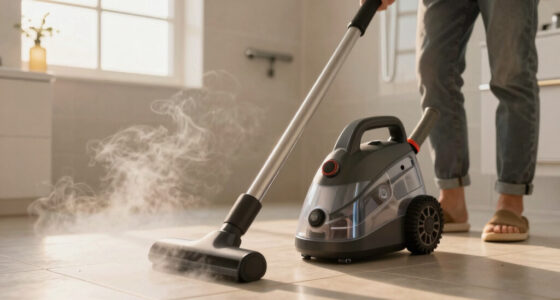
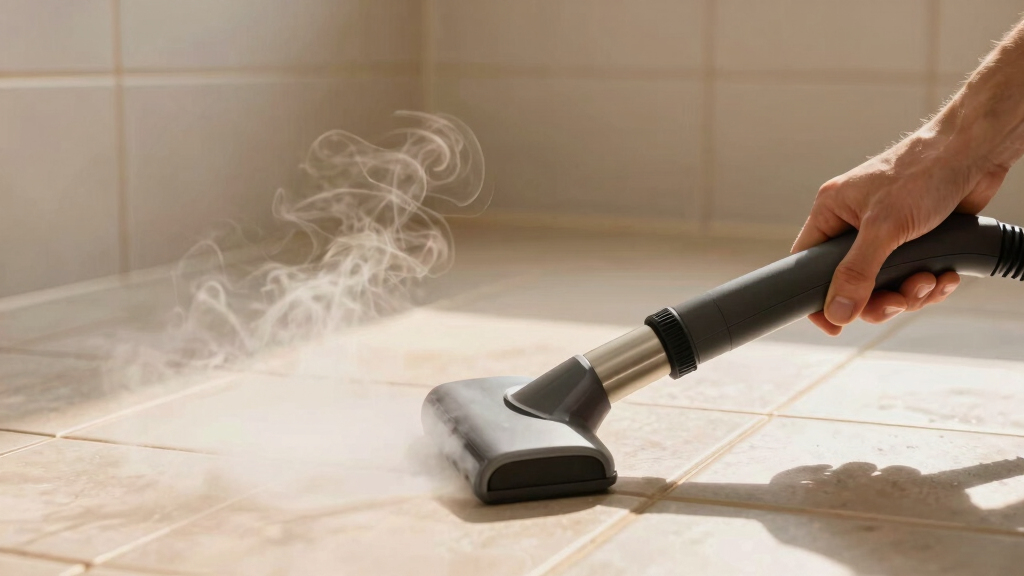
Imagine steam rising from your mop, filling the room with a warm, clean scent. It feels gentle — almost harmless. But does that steam quietly erode the very tile and grout holding your floors together?
If you’re a homeowner who loves steam cleaning, understanding its long-term effects can save you money and stress. This guide reveals whether steam can loosen tiles over time, what factors influence this, and how to keep your floors safe while still getting them sparkling clean.
Properly sealed and installed tiles resist steam-related damage much better than unsealed or poorly installed surfaces.
Regular resealing every 1-2 years is vital to keep grout waterproof and resistant to moisture penetration.
Natural stone tiles are more vulnerable to moisture and heat; extra caution is needed when using steam cleaners on them.
Adjust steam levels and always test small areas first to prevent accidental damage.
Steam alone isn’t an immediate threat, but repeated, aggressive use can weaken grout over time.
What’s Really Happening When Steam Meets Tile and Grout
Steam introduces moisture that can seep into tiny pores and cracks in grout and beneath tiles. If the grout isn’t sealed well or is already damaged, this moisture can accelerate deterioration. This is significant because grout acts as the adhesive that holds tiles in place and prevents water from seeping underneath, which could lead to issues like mold, structural weakening, or tile loosening.
When moisture infiltrates unsealed or compromised grout, it can cause the material to swell, weaken, or crack over time. The heat from steam can also cause expansion and contraction cycles in tiles and grout, stressing their bonds. The implications go beyond just aesthetics; they threaten the structural integrity of your flooring. Proper sealing creates a barrier that reduces moisture penetration, thereby extending the lifespan of your tile installation. Conversely, neglecting sealing or using excessive steam on unprotected surfaces can lead to costly repairs or replacements down the line.

AQUA-X 16 Oz. Grout Sealer, Clear Grout and Tile Sealer, Natural Finish, Professional Grade, Indoor & Outdoor, Fast Dry and Long Lasting Protection
- Natural Appearance: Maintains natural look of grout and tiles
- Enhanced Durability: Improves grout and tile longevity
- Easy to Clean: Rinses off stains and dirt easily
As an affiliate, we earn on qualifying purchases.
As an affiliate, we earn on qualifying purchases.
Will Repeated Steam Cleaning Weaken Your Floors? Here’s What the Science Says
According to scientific studies and industry experts, repeated exposure to high heat and moisture can gradually degrade the bonds that hold grout and adhesives in place. This isn’t an immediate concern but becomes a long-term risk if steam cleaning is overdone or if the materials aren’t designed to withstand such conditions. The significance lies in understanding that every exposure contributes incrementally to deterioration, especially in vulnerable areas.
For example, a homeowner who uses a steam mop weekly on unsealed or poorly sealed grout may not see immediate damage, but over months or years, the cumulative effect can cause grout to crack, crumble, or detach from the substrate. Similarly, natural stones like marble or slate, which are more porous, absorb more moisture and are more susceptible to damage. The tradeoff is that while steam cleaning can be effective and eco-friendly, overuse or improper technique can accelerate wear and tear, leading to expensive repairs and the need for re-sealing or replacing tiles.
Understanding these dynamics helps homeowners weigh the convenience of steam cleaning against the potential long-term costs, encouraging more cautious, informed use of such tools.
| Tile Type | Moisture Resistance | Heat Tolerance |
|---|---|---|
| Ceramic | High | Moderate |
| Porcelain | Very High | High |
| Natural Stone | Lower | Variable |
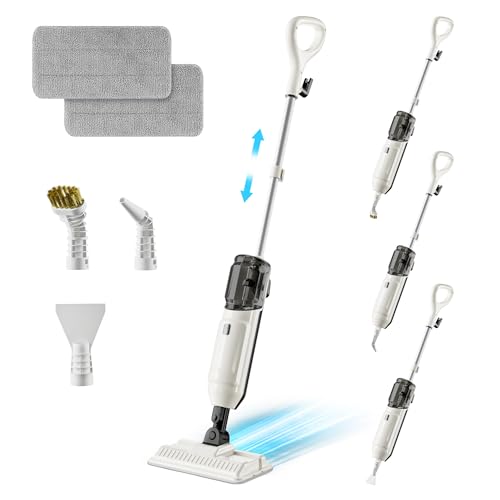
Steam Mop for Floor Cleaning, Multi-Purpose Steam Cleaner with Handheld Steamer & Accessories, Deep Cleaning Floor Steamer for Hardwood and Tile, Pet-Friendly Steam Mop for Home
- Rapid High-Temperature Steam: Releases 260°F steam in 15 seconds
- Effective Stain Removal: Dissolves grease and dirt without chemicals
- Eco-Friendly Deep Cleaning: Kills 99.9% of common germs and stains
As an affiliate, we earn on qualifying purchases.
As an affiliate, we earn on qualifying purchases.
How Proper Sealing Protects Your Floors From Steamy Damage
Sealing is your first line of defense. A good sealant acts like a raincoat for grout, blocking water and steam from penetrating deep. If you haven’t resealed in over a year, moisture can sneak in, weakening the bond over time. This matters because unsealed or poorly sealed grout is vulnerable to water ingress, which can cause the grout to swell, crack, or crumble, ultimately compromising the stability of your tiles.
Imagine a bathroom with unsealed grout — every shower releases steam that slowly erodes the grout’s structure. Resealing every 1-2 years creates a resilient barrier that prevents moisture from seeping in, thereby preserving the integrity of your entire tiled surface. Neglecting this maintenance can lead to gradual deterioration, mold growth, and costly repairs. Therefore, sealing isn’t just about appearance; it’s about maintaining the long-term health of your floors. Practical tips like testing water resistance help ensure your sealing is effective, providing peace of mind and durability.

Zep Home Pro 2-in-1 Natural Stone Cleaner & Protectant. 24 Fl. Oz. (Pack of 1)
- Effective Stone Cleaning and Protection: Cleans and protects delicate stone surfaces
- Refreshing Eucalyptus Scent: Fills your space with citrusy eucalyptus aroma
- Versatile Surface Compatibility: Suitable for showers, floors, porcelain, and tiles
As an affiliate, we earn on qualifying purchases.
As an affiliate, we earn on qualifying purchases.
Real-World Example: When Steam Did Its Job — and When It Didn’t
In a family home, a homeowner used a steam mop weekly on sealed ceramic tiles in the kitchen. Over two years, the tiles remained firmly in place, and grout lines looked fresh. This positive outcome highlights how proper sealing and cautious use allow steam cleaning to be safe and effective, preventing moisture from penetrating the grout and damaging the tiles.
Contrast this with a bathroom where natural stone tiles hadn’t been resealed in five years. The frequent steam from showers, combined with lack of resealing, caused grout to chip and some tiles to shift slightly. The deterioration was a direct result of neglecting maintenance and the porous nature of natural stone, which absorbs moisture more readily. This example illustrates that even with steam cleaning, ongoing maintenance and sealing are crucial for preserving tile integrity and avoiding costly repairs in the future.
This shows how the right precautions and regular upkeep can keep steam from turning into a silent floor destroyer, emphasizing the importance of proactive care.
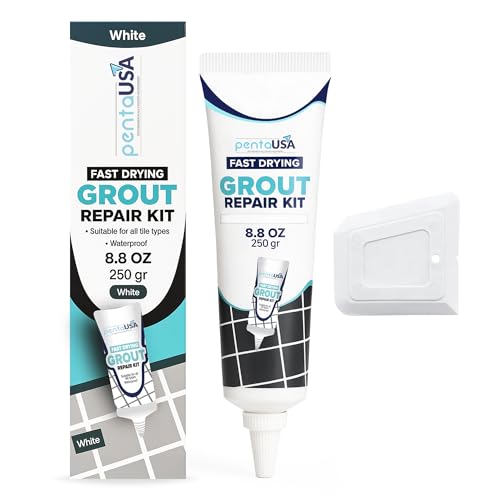
PentaUSA Premixed Tile Grout Repair – White (8.8oz/250g)
- Type: Acrylic sanded grout filler
- Color: White
- Size: 8.8 oz (250g) tube
As an affiliate, we earn on qualifying purchases.
As an affiliate, we earn on qualifying purchases.
Quick Tips for Safe Steam Cleaning and Long-Term Floor Health
- Use a steam cleaner with adjustable steam levels. Less steam means less risk, especially on porous or unsealed surfaces.
- Always test a small, hidden area before full cleaning to assess how your tiles and grout respond to heat and moisture.
- Reseal grout every 1-2 years, particularly in moisture-prone areas like bathrooms and kitchens, to maintain a protective barrier.
- Avoid overly aggressive steam on natural stone or unsealed grout, as the extra heat and moisture can accelerate damage.
- Clean regularly to prevent buildup of debris and moisture, which can trap water against your tiles and promote deterioration.
For example, setting your steam mop to a low or medium setting on a sealed ceramic floor keeps your surface safe and shiny without risking damage. Remember, moderation and proper technique are key to long-term preservation.
Frequently Asked Questions
Can steam cleaning damage my tile and grout?
Generally, no if you follow manufacturer guidelines and avoid excessive steam levels. Proper sealing and maintenance are key to preventing damage over time.
How can I prevent my grout from loosening due to steam?
Use water-resistant grout, reseal it regularly (every 1-2 years), and avoid prolonged steam exposure, especially on unsealed or damaged grout lines.
Is it safe to use steam cleaners on tiled surfaces in bathrooms or kitchens?
Yes, if the tiles and grout are well-sealed and in good condition. Always test a small area first and avoid overly aggressive steam on natural stone or older grout.
How often should I reseal my grout?
Typically every 1-2 years, depending on usage, exposure to moisture, and the type of grout. Regular resealing keeps moisture out and prevents deterioration.
What signs show my grout or tiles are damaged from steam?
Cracks, crumbling grout, loose tiles, or discoloration indicate potential damage. Immediate inspection and resealing or repairs are advisable.
Conclusion
When used thoughtfully, steam cleaning remains a safe, effective way to keep your floors spotless. But remember: moisture and heat are allies and enemies. Respect their power.
Keep your grout sealed, avoid excessive heat, and test before deep cleaning. Your floors will thank you — with years of durability and shine.
Flea & tick season Picks
flea and tick prevention
As an affiliate, we earn on qualifying purchases.