TL;DR

Get cleaning gear delivered free with Prime
- Fast, free delivery on millions of items
- Prime Video, Amazon Music and more included
- Member-only deals all year
Most engineered hardwood floors aren’t designed to handle steam cleaning. Excess moisture from steam mops can cause warping and delamination. Always check manufacturer guidelines and opt for dry cleaning methods instead.
Imagine the rich, warm glow of your engineered hardwood floor, the subtle scent of wood polish lingering in the air. You grab your steam mop, thinking it’s a quick way to sparkle the surface. But before you press that trigger, pause. Not all floors love steam. In fact, many engineered hardwoods can suffer permanent damage from moisture and heat.
This guide walks you through what you need to know before using a steam mop on your engineered hardwood. You’ll learn about the risks, what manufacturers say, and safer ways to keep your floors looking pristine without risking warping or delamination.
Most engineered hardwood floors aren’t designed to withstand steam cleaning and can suffer damage over time.
Always check your flooring’s manufacturer guidelines before using a steam mop—many recommend avoiding it entirely.
Proper cleaning involves dry dusting and damp mopping with gentle, pH-neutral cleaners, not steam.
Even low-heat steam can cause delamination or warping if used improperly or excessively.
Regular maintenance and cautious cleaning extend the life of your engineered hardwood floors more than aggressive steam cleaning.
Can You Steam Mop Engineered Hardwood? Read This First
Most engineered hardwood floors are not built for steam. Hot vapor can push moisture into seams, soften adhesives, swell veneer, and trigger warping or delamination long after the floor looked clean.
Skip the steam unless your flooring manufacturer explicitly says it is safe.
Moisture plus heat can compromise the layered construction of engineered wood.
Use microfiber and a pH-neutral hardwood cleaner with minimal liquid.
Steam is vaporized water that can enter seams and edges.
Many brands warn against steam cleaners in care instructions.
Bubbling, rippling, or lifting can appear weeks later.
Dust, spot clean, then lightly damp mop only as needed.
Engineered hardwood is a layered material, not a steam-safe tile.
Its real-wood veneer is bonded to plywood or HDF layers. When heat and moisture reach those layers, the floor can swell, wave, separate, or lose finish integrity.
Veneer bubbles and surface waves
Steam can slip through tiny gaps, causing the top layer to expand unevenly and create ripples or raised patches.
Layers begin to separate
Heat and moisture can weaken the adhesive bond between veneer, core, and backing layers.
Claims may be denied
If the care guide says no steam, using a steam mop can leave you paying for repair or replacement yourself.
Steam wins on convenience, but loses on floor preservation.
Even adjustable low-steam models still introduce heat and moisture. For engineered hardwood, the safest cleaning method is the one that leaves the least water behind.
Relative cleaning risk
Moisture exposure spectrum
Damp microfiber sits near the low-risk end because moisture is controlled. Steam sits near the high-risk end because vapor can penetrate seams and soften layered bonds.
Steam mop vs. safer hardwood cleaning alternatives.
For engineered hardwood, the best method is gentle, controlled, and quick-drying. The table shows why a basic microfiber routine usually outperforms steam over the life of the floor.
| Feature | Steam Mop | Microfiber & Mild Cleaner | Dry Dust Mop |
|---|---|---|---|
| Moisture level | ✗ High vaporized water | ✓ Very low dampness | ✓ No added moisture |
| Heat exposure | ✗ Direct heat at surface | ✓ Room temperature | ✓ Room temperature |
| Damage risk | ✗ Warping and delamination | ✓ Minimal when used lightly | ✓ Lowest routine risk |
| Warranty fit | ~ Often discouraged | ✓ Commonly recommended | ✓ Commonly recommended |
| Best use case | ✗ Tile or sealed hard surfaces | ✓ Regular hardwood cleaning | ✓ Daily dust and grit removal |
Clean engineered hardwood in five low-moisture steps.
Think of moisture control as the whole strategy. You are removing grit and residue without giving water enough time to enter seams, cracks, or exposed edges.
Dry dust
Start with a clean microfiber mop to lift grit before it scratches the finish.
Check label
Use only cleaners approved for hardwood or engineered wood surfaces.
Spray mop
Apply cleaner to the mop pad, not directly onto the floorboards.
Follow grain
Wipe with the wood direction for a cleaner finish and fewer streaks.
Dry finish
Buff any damp areas with a dry cloth so moisture never lingers.
Three checks that protect the floor and the warranty.
Use this decision filter before trying any new cleaning device, especially one that adds heat, pressure, or liquid.
Pre-clean checklist
- Read the flooring manufacturer’s care guide and look specifically for steam cleaner warnings.
- Test a hidden area first, then wait for warping, discoloration, haze, or raised grain.
- Choose the least aggressive method that removes the mess: dry dusting, spot cleaning, then light damp mopping.
- Never soak the surface, flood seams, or leave standing moisture on engineered hardwood.
Can I use a steam mop if it has a low setting?
Only if your flooring manufacturer explicitly approves it. Low steam still carries heat and moisture into vulnerable seams.
Will one steam cleaning ruin the floor?
It might not show immediately, but even occasional steam can accelerate swelling, finish haze, or layer separation.
What is the safest everyday option?
Regular sweeping, microfiber dusting, and occasional lightly damp mopping with a pH-neutral hardwood cleaner.
The damage chain to avoid
Why Steam Mops Are Usually a Bad Idea for Engineered Hardwood
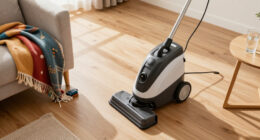
Steam mops emit hot, moist vapor designed to loosen dirt and grime. But engineered hardwood isn’t solid wood; it’s layers of plywood or fiberboard topped with a veneer of real wood. This layered structure is sensitive to moisture and heat.
When steam penetrates, it can cause the veneer to swell or warp. Over time, this can lead to delamination—the layers separating—ruining your flooring. Think of it like a sandwich: too much moisture can make the bread soggy, and the layers lose their grip.
Many flooring manufacturers warn against using steam cleaners, citing potential warranty voids and damage risks. Even newer steam mops with adjustable steam levels aren’t guaranteed safe, as the heat can still harm the delicate layers.
Understanding why steam is problematic is crucial because it highlights the tradeoff between convenience and longevity. While steam mops offer quick cleaning, they compromise the structural integrity of your floors. The moisture and heat can weaken the adhesives holding the layers together, leading to costly repairs or replacement. Therefore, considering the potential long-term damage helps you make informed decisions and avoid unnecessary expenses.
engineered hardwood floor cleaning mop
As an affiliate, we earn on qualifying purchases.
As an affiliate, we earn on qualifying purchases.
What Happens When You Steam Clean Engineered Hardwood? Real Damage Examples
Picture this: after a few weeks of using a steam mop, you notice your floors developing tiny bubbles or a wavy surface. These signs indicate that the veneer has started to swell due to moisture infiltration. In some cases, the veneer peels or lifts, exposing the plywood core underneath, which is much more susceptible to water damage.
In a real-world scenario, a homeowner reported her floors warping in high-traffic areas after accidentally using a steam mop. The damage was subtle at first—just a slight ripple—but over months, it worsened, requiring costly repairs. This example illustrates that even infrequent steam cleaning can accelerate deterioration, especially in areas with heavy foot traffic or imperfect sealing.
Research indicates that even low-temperature steam can seep into the layers, especially if the floors aren’t perfectly sealed or if the veneer is thin. Over time, this moisture causes swelling, warping, and even mold growth beneath the surface, which is a nightmare to fix. The implications are significant: damage may not be immediately visible, but it can compromise the entire floor structure, leading to extensive repairs or replacement. Understanding these real damage examples underscores the importance of avoiding steam cleaning to preserve your investment and avoid unexpected costs.
As an affiliate, we earn on qualifying purchases.
How To Safely Clean Engineered Hardwood Floors Without Steam
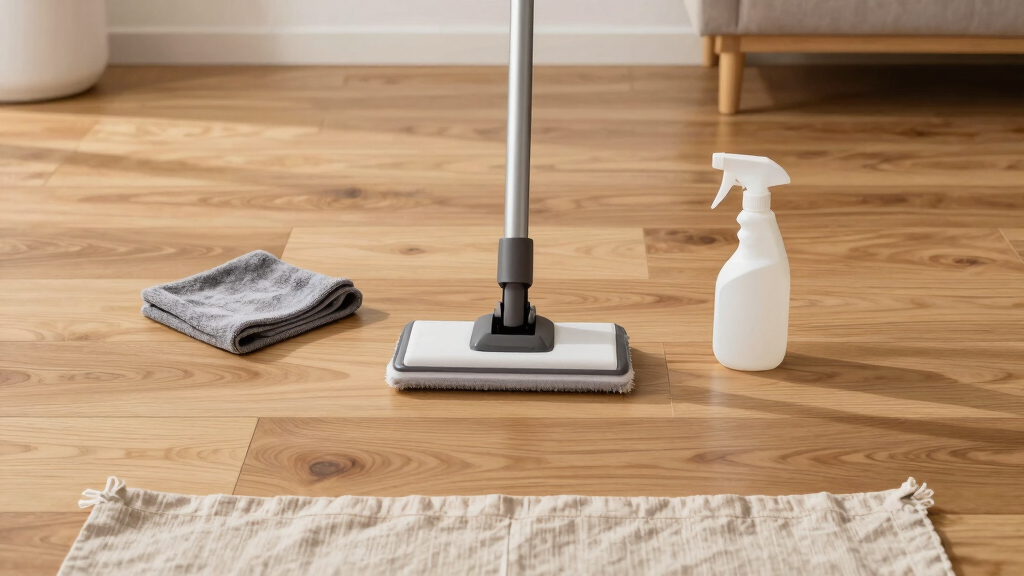
- Start with a dry microfiber mop. It picks up dust and dirt without adding moisture, preventing abrasive buildup that can scratch the surface.
- Use a pH-neutral hardwood floor cleaner diluted as per the manufacturer’s instructions. Spray lightly onto the mop, not directly on the floor, to control the amount of moisture and avoid oversaturation.
- Wipe in the direction of the grain for a polished look and to prevent streaks or damage to the veneer.
- For stubborn spots, dampen a cloth with just water or a gentle cleaner—never soak it. Excess water can seep into cracks or seams, risking damage.
- Finish with a dry cloth or microfiber to remove any residual moisture, ensuring the floor dries quickly and evenly.
This method keeps your floors shiny and safe, avoiding the risks of moisture seeping into the layers. Regular sweeping and quick spot cleaning with minimal water help maintain the structural integrity of your floors over time. The key is moderation: less moisture means less risk of swelling or delamination, which are the main concerns with engineered hardwood.
microfiber dust mop for hardwood floors
As an affiliate, we earn on qualifying purchases.
As an affiliate, we earn on qualifying purchases.
Comparing Steam Mops and Safer Alternatives for Hardwood Floors
| Feature | Steam Mop | Microfiber & Mild Cleaner |
|---|---|---|
| Moisture Level | High, vaporized water | Very low, just dampness |
| Ease of Use | Quick, no physical effort | Requires more manual work but safer |
| Damage Risk | High for engineered hardwood | Minimal, safe for all surfaces |
| Cost | Varies, but generally affordable | Low, since it uses common household products |
Choosing the right cleaning method depends on your floors’ sensitivity. For engineered hardwood, sticking with microfiber mops and gentle cleaners is usually best because it minimizes risk and prolongs the life of your floors. While steam mops might seem convenient, the potential for long-term damage outweighs the short-term benefits, especially considering the costs of repairs and replacements that can arise from improper cleaning.
As an affiliate, we earn on qualifying purchases.
What You Should Always Do Before Using Any Cleaning Tool
Always check your flooring manufacturer’s guidelines. They often specify whether steam cleaning is safe or not. Ignoring these instructions can void warranties and lead to damage that isn’t covered.
Test a small, hidden area first. If you see any warping, discoloration, or other signs of damage within hours, stop immediately to prevent further harm. This quick test helps you assess the floor’s tolerance to cleaning methods.
Use the least aggressive method first—dry dusting or a lightly damp microfiber mop. If your floors are labeled as steam-safe, follow all instructions carefully to avoid overexposure. Remember, less moisture and heat generally mean less risk of damage, so prioritize gentle cleaning techniques to extend your floor’s lifespan.
Ultimately, taking these precautionary steps ensures you maintain the beauty and integrity of your engineered hardwood floors, avoiding costly repairs and preserving their appearance for years to come.
Frequently Asked Questions
Can I use a steam mop on engineered hardwood floors?
Most engineered hardwood floors aren’t designed to handle steam. Always check the manufacturer’s instructions—if they advise against it, stick to dry or damp mopping instead to avoid damage.What’s the safest way to clean engineered hardwood floors?
Use a microfiber mop with a pH-neutral hardwood floor cleaner or a lightly damp cloth. Avoid excessive water and high heat to prevent warping or delamination.Will using a steam mop ruin my engineered hardwood?
Potentially, yes. Moisture from steam can seep into the layers, causing swelling, warping, or delamination, especially if used frequently or improperly.Are there steam cleaners that are safe for engineered hardwood?
Some models with adjustable steam levels and sealed systems may be safer, but always verify with your flooring manufacturer before use.How can I maintain my engineered hardwood floors without risking damage?
Regularly sweep or dust, use a damp microfiber mop with gentle cleaners, and avoid excessive water or heat. These simple steps keep your floors looking great for years.Conclusion
Your floors are a beautiful, valuable part of your home—treat them with care. Steam mops might seem like a quick fix, but they often do more harm than good on engineered hardwood. Stick to gentle, moisture-controlled cleaning methods to keep your floors looking flawless for years.
Next time you reach for that steam mop, pause. A soft microfiber cloth, a mild cleaner, and a quick sweep are all you really need—your floors will thank you.
Fall Picks
fall essentials
As an affiliate, we earn on qualifying purchases.