TL;DR
Open a free Amazon Business account
Business pricing, bulk buying and tax-exempt orders.
Create a free accountAs an affiliate, we earn on qualifying purchases.
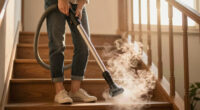
Steam cleaning stairs is an eco-friendly, effective way to remove dirt and germs. Safety depends on choosing the right equipment, surface compatibility, and proper technique.
Imagine the satisfying feel of perfectly clean stairs — streak-free, fresh-smelling, and free of germs. But rushing in without a plan can turn that shine into costly damage or a slip-and-fall accident. Steam cleaning is a powerful tool, yet it demands respect for surfaces and safety. This guide walks you through step-by-step, so your stairs get a deep clean without risking warping, burns, or slips.
Whether you have hardwood, laminate, vinyl, or carpeted stairs, knowing the right approach makes all the difference. Let’s explore how to harness steam safely and effectively—keeping your home spotless and accident-free.
Always identify your stair surface and test a small hidden area before full cleaning.
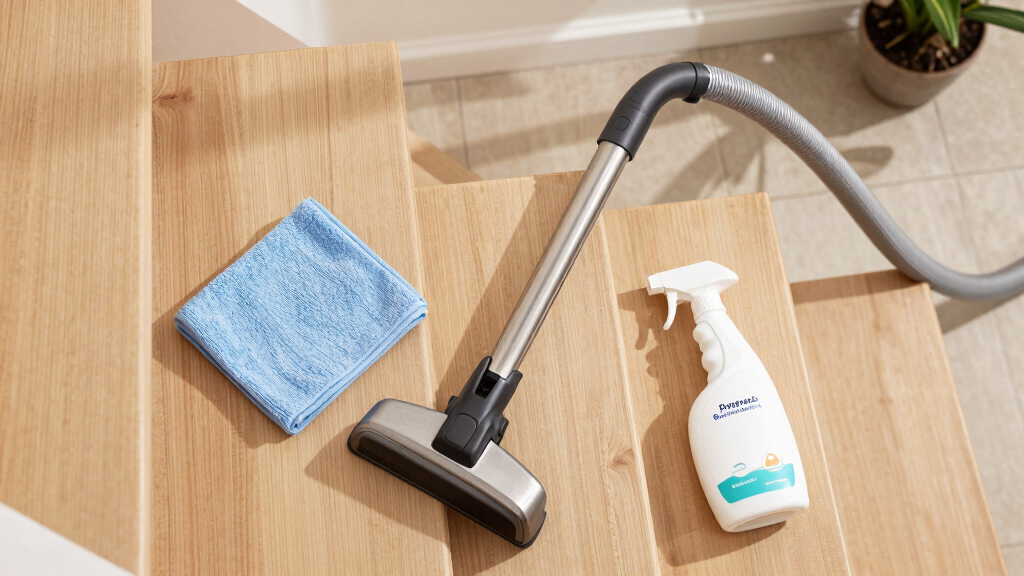
Choose a steam cleaner with adjustable steam levels and stair-specific attachments.
Use low to medium steam, keep moving, and avoid over-saturating to prevent damage.
Dry thoroughly after cleaning and wait at least 30 minutes before walking on the stairs.
Safety gear like slip-resistant shoes and gloves protect you from burns and slips.
Know Your Surface Before You Steam — Why Surface Matters
Before you turn on your steam cleaner, identify what your stairs are made of. Wood, laminate, vinyl, and carpet each react differently to heat and moisture. For example, sealed wood can handle light steam, but unsealed or aged wood risks warping if exposed to too much moisture or heat. This is crucial because improper use can cause irreversible damage, such as swelling, bubbling, or finish peeling. Recognizing the material and its condition helps you choose the correct settings and techniques, preventing costly repairs or replacements later.
Imagine trying to steam clean a set of vintage wooden stairs with peeling finish. Excessive steam could cause swelling or damage the finish, turning your pristine effort into costly repairs. Always check manufacturer instructions or test on a hidden corner first.
Here’s a quick guide:
| Surface | Steam Compatibility | Tips |
|---|---|---|
| Sealed hardwood | Generally safe with caution | Use low to medium heat, test first |
| Laminate | Check manufacturer guidance | Use a damp cloth if unsure |
| Vinyl or LVP | Usually safe, but verify | Avoid excessive heat |
| Carpeted stairs | Yes, but ensure proper drying | Use specific attachments |
Always test a small, hidden area first for any surface and finish reactions.

Starrybot Portable Carpet Cleaner with Steam, 18Kpa Spot Cleaner(Gray)
- High Suction Power: 18000 PA for deep stain removal
- Multiple Cleaning Modes: Cold, Warm, Steam, Sanitization
- Variety of Cleaning Brushes: 3-inch, 5-inch, crevice, steam brush
As an affiliate, we earn on qualifying purchases.
As an affiliate, we earn on qualifying purchases.
Pick the Perfect Steam Cleaner — What Features Make the Difference
Choosing the right steam cleaner is like selecting a trusted friend for a tough job. Look for models with adjustable steam levels, a long hose for reach, and a lightweight design for maneuvering stairs. A handheld or small canister unit works best for tight spaces. The ability to control steam intensity is particularly important because different surfaces require different heat levels. Too much steam can cause damage, especially on delicate finishes, while too little may not disinfect effectively. A long hose allows you to reach all parts of your staircase without overextending or straining, reducing safety risks. Lightweight design minimizes fatigue, helping you maintain control and precision during cleaning.
For example, a recent model from Steam Mop List features a variable steam dial, a 15-foot hose, and a stair-specific nozzle—making it easier to control heat and reach every corner without water pooling or over-saturating. These features collectively enhance safety by preventing accidental over-wetting and making the task less physically demanding, reducing the risk of slips or mishandling.
Here’s what to watch for:
- Adjustable steam control
- Long hose for stair reach
- Ergonomic, lightweight design
- Suitable attachments for stairs
Choosing wisely means safer, more effective cleaning — and fewer surprises.

Steam Cleaner, Portable Steamer for Cleaning with 16pcs Accessories, 6-Level Adjustable and 15s Heat-Up, Handheld Steam Cleaner for Home, Tile, Dirt, Grout, Grease, Car Detailing
- Fast Heat-Up Time: Heats up in 15 seconds
- High-Temperature Steam: Releases 221°F steam at 3 bar
- Powerful Cleaning: 1500W for tough stains
As an affiliate, we earn on qualifying purchases.
As an affiliate, we earn on qualifying purchases.
Step-by-Step: How to Safely Steam Your Stairs in 5 Easy Moves
Steam cleaning stairs might seem tricky, but following these five steps makes it straightforward and safe.
- Clear and vacuum: Remove all objects and vacuum to lift loose dirt. Think of it as preparing a canvas before painting. This step ensures that you aren’t pushing debris around or embedding dirt deeper into the surface during steaming, which can compromise the cleaning results and potentially damage the surface. Proper preparation is essential for effective sanitation and prevents unnecessary wear or scratches caused by grit caught in the steam or attachments.
- Test first: Pick a small hidden spot to test steam intensity and reaction. Wait 5 minutes and check for damage or warping. This allows you to gauge how your surface responds and adjust settings accordingly, avoiding costly mistakes. A proper test helps you identify issues like bubbling, discoloration, or warping early, minimizing the risk of widespread damage.
- Start with low steam: Use the lowest setting, hold the nozzle a few inches away, and move slowly in straight lines along each stair tread and riser. Beginning with low heat reduces the chance of surface damage and excessive moisture buildup. Moving slowly ensures thorough cleaning without over-saturating, which could cause warping or slipping hazards.
- Control your pace: Keep the nozzle moving steadily; don’t linger in one spot to avoid over-saturating. A quick pass is better than a soaked stair. Consistent movement helps prevent moisture pooling, which can lead to warping, mold growth, or slipperiness. It also allows the steam to lift dirt effectively without damaging your surface or risking safety.
- Dry thoroughly: After steam cleaning, open windows or turn on fans. Wait at least 30 minutes before walking on the stairs to prevent slips and damage. Adequate drying prevents residual moisture, which can cause wood to swell, finish peeling, or create slippery conditions. Patience here pays off in maintaining the integrity and safety of your stairs over time.
For instance, on a recent cleaning, a homeowner followed these steps, noticing shiny, germ-free stairs that dried within an hour—no warping or slips. Proper technique and patience significantly extend the life and safety of your staircase.

10-in-1 Steam Mop, Detachable Handheld Steam Cleaner for Multi-Surface
- Quick Heat-Up: Heats in 10 seconds for instant steam
- Multi-Surface Compatibility: Cleans carpets, tiles, windows, and more
- Detachable Mop Head: Easily remove and clean the mop head
As an affiliate, we earn on qualifying purchases.
As an affiliate, we earn on qualifying purchases.
Safety First: How to Avoid Common Steam Cleaning Pitfalls
Steam cleaning stairs is safe if you avoid these common mistakes:
- Over-saturating: Too much moisture can warp wood or loosen glue. Use light steam and keep moving. Excessive moisture can penetrate finishes or underlying materials, leading to swelling, warping, or even structural damage. Over-saturation also prolongs drying time, increasing slip risks and fostering mold growth. Understanding the balance between effective cleaning and surface safety ensures longevity and safety of your stairs.
- Skipping the test: Always test first to prevent surprises like bubbling or discoloration. Skipping this step increases the risk of damage, especially on delicate or untested surfaces. It’s a small step that saves money and hassle in the long run.
- Ignoring drying time: Walking on wet stairs can cause slips or damage finish. Wait at least 30 minutes. Moisture left on surfaces can create a slippery hazard and may damage the finish or underlying materials, causing peeling or warping. Proper drying preserves both safety and surface integrity.
- Using the wrong attachment: Use stair-specific nozzles or brushes to avoid scratching or uneven cleaning. Incorrect attachments can scratch delicate surfaces or fail to reach into corners, reducing cleaning effectiveness and risking surface damage.
- Neglecting safety gear: Wear slip-resistant shoes and gloves to protect yourself from burns and slips. Proper safety gear minimizes the risk of accidents caused by hot steam or slips from wet surfaces, especially on stairs where falls can be severe.
Imagine steaming a staircase on a humid day. Without proper drying, your steps could become slick and dangerous in minutes. Safety means patience and attention. Investing in proper drying and safety precautions preserves your stairs’ appearance and your safety.

BISSELL TurboClean PET, Upright Carpet & Upholstery Cleaner, 3948
- Supports Pet Foundation: Every purchase helps save pets
- Powerful Pet Mess Cleaning: Effective for pet messes and more
- Versatile Cleaning Tools: Includes hose, crevice, and self-cleaning tools
As an affiliate, we earn on qualifying purchases.
As an affiliate, we earn on qualifying purchases.
Frequently Asked Questions
Is steam cleaning safe for all stair surfaces?
Not all. It’s safe for sealed wood, vinyl, and carpeted stairs, but avoid unsealed wood or delicate materials unless verified by the manufacturer. Always do a test patch first.How often should I steam clean my stairs?
Typically every 3 to 6 months, depending on foot traffic and household conditions. More frequent cleaning helps maintain hygiene and appearance.Can steam cleaning remove stains from stairs?
It can lift surface dirt and some stains, especially on carpeted stairs. For stubborn stains, pre-treat with a suitable cleaner before steaming.What safety precautions should I take?
Wear slip-resistant shoes and gloves, keep cords away from water, and ensure thorough drying before walking on the stairs. Test on a small area first.Will steam damage my wooden stairs?
If used on sealed, well-maintained wood with low steam, it’s generally safe. Avoid high heat and over-saturation to prevent warping or finish damage.Conclusion
Steam cleaning stairs is a smart, chemical-free way to keep your home fresh and germ-free — if you respect the process. Proper surface assessment, choosing the right equipment, and cautious technique turn a daunting task into a safe, effective routine. Your stairs will thank you with a long-lasting shine.
Next time you look at your staircase, think of it as a gentle giant — needing patience and care, but offering a deep, healthy clean in return.
Flea & tick season Picks
flea and tick prevention
As an affiliate, we earn on qualifying purchases.