TL;DR

Get cleaning gear delivered free — and shop member deals
- Fast, free delivery on millions of items
- Access to Prime Big Deal Days deals on October 6–7
- Prime Video, Amazon Music and more included
Proper steam mop use starts with prep, correct filling, and technique. Using distilled water, testing surfaces, and regular maintenance ensure safe, effective cleaning without damage.
Imagine gliding a warm, steaming cloth over your floors, banishing dirt and germs effortlessly. That’s the promise of a steam mop. But to get the best results—and protect your floors—you need to know the right way to use it. This guide walks you through every step, so your floors stay pristine and your device lasts longer.
Whether you’re new to steam cleaning or want to sharpen your technique, understanding the essentials makes all the difference. Ready to turn your cleaning routine into a quick, effective process? Let’s dive into how to use a steam mop the right way, step by step.
Always test a small, hidden area before full cleaning.
Use distilled water to prevent mineral deposits.
Keep the mop moving—slow, overlapping strokes are best.
Don’t press down—let steam do the work.
Regularly descale your steam mop to maintain performance.
Prep Your Floors Like a Pro — Clear, Sweep, and Dry
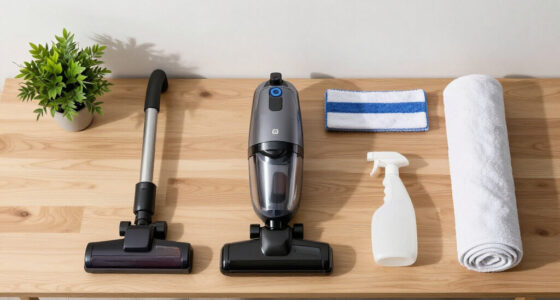
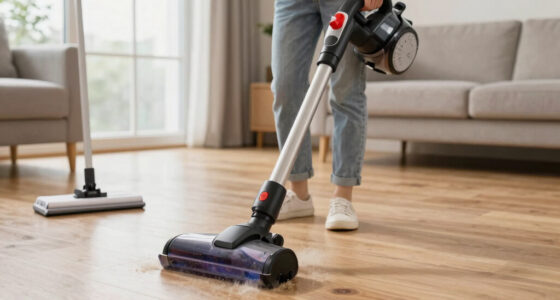
The first step is simple but often overlooked. Before you even plug in your steam mop, clear the area of clutter, dust bunnies, and loose debris. A quick sweep or vacuum ensures dirt doesn’t get pushed around or stuck in your mop pad.
Imagine walking on a dusty, sticky floor with your new steam mop—no matter how good the device, it can’t do its best work if dirt is hiding in corners or under furniture. Make sure your floors are dry and free of liquids or sticky residues. This sets a clean stage for steam to work its magic.
best steam mop for hardwood floors
As an affiliate, we earn on qualifying purchases.
As an affiliate, we earn on qualifying purchases.
Know Your Steam Mop Inside and Out — Read the Manual and Check Compatibility
Every steam mop is a little different. Before you start, read the manufacturer’s instructions. Check the water tank capacity—some hold just 200 ml, others over 350 ml—and learn how to refill safely.
Most importantly, verify if your floor type is compatible. Sealed hardwood, tile, vinyl, and laminate usually handle steam well. But unsealed wood or porous surfaces can absorb moisture and get damaged. When in doubt, test a small, hidden spot first—better safe than sorry.
As an affiliate, we earn on qualifying purchases.
Fill Your Steam Mop Correctly — Use the Right Water and Avoid Mistakes
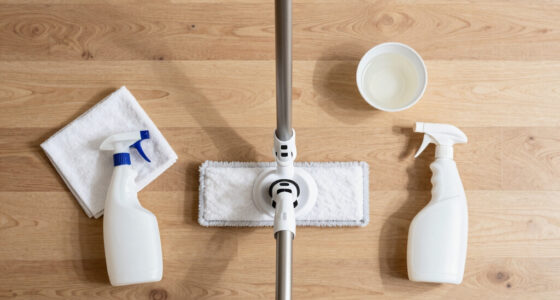
Use distilled or demineralized water whenever possible. Tap water contains minerals that can clog your device or cause white spots on floors. Fill the water tank only to the recommended level—overfilling can cause leaks or damage.
Unplug the mop before refilling. When you do, listen for the device to cool slightly to avoid burns. Remember, safety first—never try to refill while it’s still hot or plugged in.
As an affiliate, we earn on qualifying purchases.
Wait for Your Mop to Heat Up — Don’t Rush the Process
Most steam mops have indicator lights or sounds that tell you when they’re ready to use. It typically takes 30 seconds to 2 minutes for the device to heat up fully, depending on the model.
Patience matters. Using it too early means weak steam, which reduces cleaning effectiveness. Better to wait for that satisfying glow or beep that signals readiness.
As an affiliate, we earn on qualifying purchases.
Master the Mopping Technique — Slow, Overlapping Strokes Win
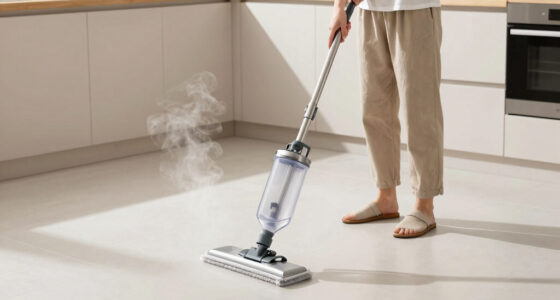
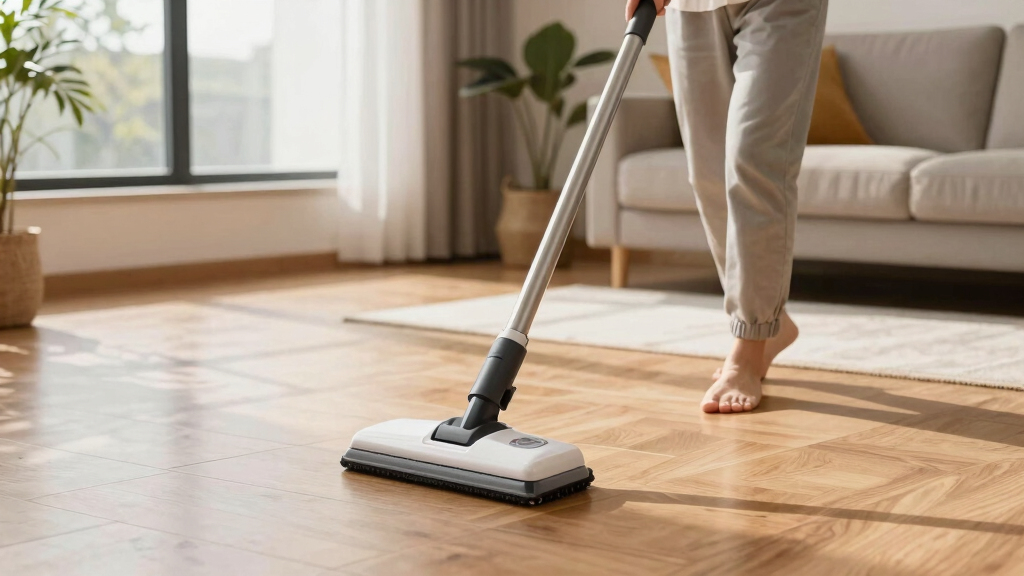
Start in a corner and work your way outward. Use slow, steady strokes—about 1-2 seconds per pass—overlapping slightly to cover every inch. Keep the mop moving—don’t linger too long in one spot, which can cause excess moisture.
For example, imagine sweeping a paintbrush across a canvas. You want even coverage without dripping or puddles. Let the steam do the cleaning—pressing down doesn’t help and might damage your floors.
Avoid Common Mistakes — Keep Your Floors Safe and Dry
Never use a steam mop on unsealed or porous floors. Excess moisture can swell or stain wood, warp laminate, or cause mold. Always test first in a hidden spot.
Don’t press hard or scrub aggressively. The steam loosens dirt, but your arm strength isn’t needed. Also, avoid leaving the mop stationary in one spot for too long—move it smoothly to prevent puddles.
Pressing too hard can damage delicate surfaces or push water into seams and cracks, leading to long-term damage or mold growth. Moving the mop steadily ensures even cleaning and prevents excess moisture buildup that could harm your floors or promote mold.
Post-Cleaning Care — Keep Your Steam Mop in Top Shape
After each use, empty the water tank to prevent mineral buildup. Rinse or wipe the mop head and removable parts. Store your device in a dry, cool place, away from dust and moisture.
Every few months, descale the system with a mixture of water and vinegar—check your manual for specifics. This prevents clogs and keeps the steam running at full power.
Compare Settings and Features for Better Results
| Feature | High Steam Mode | Low Steam Mode |
|---|---|---|
| Best for | Deep cleaning, stubborn dirt | Routine cleaning, delicate floors |
| Advantages | More power, faster results | Less moisture, safer on surfaces |
| Tradeoff | Uses more water, may over-wet | Less effective on tough stains |
Frequently Asked Questions
Is a steam mop safe for hardwood floors?
Yes, if your hardwood is sealed. Use the lowest steam setting and test in a hidden spot. Avoid excessive moisture, and always follow the manufacturer’s guidelines for your specific floor type.
How often should I use a steam mop?
For most homes, once a week is enough to keep floors clean without overexposing them to moisture. Adjust frequency based on foot traffic and household needs.
Can I add cleaning solutions to my steam mop?
Most models recommend only water. Using chemicals can damage the device and damage your floors. Stick with plain water unless the manufacturer says otherwise.
What if my steam mop isn’t producing steam?
Check the water level, ensure it’s fully heated, and clean any mineral deposits or filters. Regular descaling helps prevent clogs and maintains steam output.
How do I prevent mineral buildup?
Use distilled water and descale your steam mop regularly. This simple step keeps your device working efficiently, extending its lifespan.
Conclusion
Using a steam mop well isn’t about complicated steps—it’s about patience and attention. When you prepare properly, use the right technique, and care for your device, you get sparkling floors without the fuss of harsh chemicals.
Next time you reach for your steam mop, remember: a gentle, consistent touch does more than you think. Your floors—and your device—will thank you for it.
Fall Picks
fall essentials
As an affiliate, we earn on qualifying purchases.