TL;DR

Get cleaning gear delivered free with Prime
- Fast, free delivery on millions of items
- Prime Video, Amazon Music and more included
- Member-only deals all year
Adding bleach to a steam mop releases toxic fumes, damages the device, and risks your health. Stick to plain water or approved cleaners for safe, effective floor cleaning.
Imagine the rich, sharp smell of bleach filling your home—then think about what happens when you run that through a steam mop. It’s tempting to boost cleaning power with chemicals, but adding bleach to a steam mop is a dangerous mistake. Not only can it damage your device, but it also poses serious health risks.
In this guide, you’ll learn exactly why bleach and steam mops don’t mix, what hazards you face, and safer ways to disinfect your floors. Protect your home, your lungs, and your wallet by understanding the risks—and sticking to safe cleaning methods.
Never add bleach or other chemicals to your steam mop—doing so releases toxic fumes and damages the device.
Most manufacturers explicitly prohibit chemical use, risking warranty voidance and costly repairs.
Steam mops are designed to work with pure water; using only water or approved solutions keeps them safe and effective.
Accidentally adding bleach requires immediate shutdown, thorough cleaning, and inspection before reuse.
Opt for EPA-registered disinfectants or natural methods like mild vinegar—only if your device’s manual permits.
How Steam Mops Are Designed to Work—and Why Bleach Breaks Them
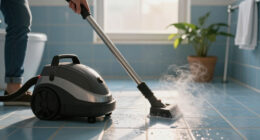
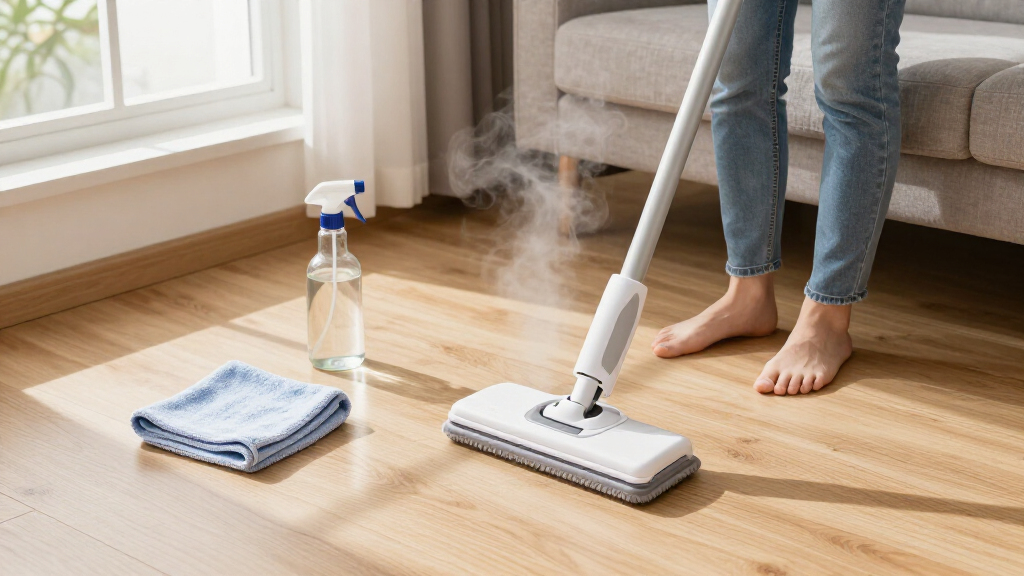
Steam mops are engineered to generate high-temperature steam from pure water, sealed within a system that handles only water vapor. When you turn one on, a heating element rapidly warms the water, transforming it into steam that lifts dirt and kills germs. This process relies on a tightly sealed unit that keeps water and steam confined.
Adding bleach or other chemicals disrupts this delicate balance. Bleach can corrode internal parts, damage seals, and clog hoses. For example, the chlorine in bleach is highly reactive—it can break down rubber and plastic components, leading to leaks or total failure. In some cases, this damage occurs after just a few uses.
Once internal components corrode, your device becomes unreliable or stops working altogether. And because most steam mop warranties explicitly exclude damage caused by chemicals, you’re risking costly repairs or replacements.
As an affiliate, we earn on qualifying purchases.
The Toxic Fumes You Never Want to Breathe In
Mixing bleach with water in a steam mop isn’t just a bad idea—it’s dangerous. When bleach heats up, it releases chloramine vapors, which have a sharp, irritating smell. Inhaling these fumes can cause coughing, sore throat, and even lung inflammation. The danger increases if you have respiratory issues like asthma.
Picture yourself steaming a kitchen floor. The mop heats up, releasing a cloud of fumes. If bleach was added, you’re inhaling chlorinated gases that can irritate your lungs or cause more severe reactions. According to an anonymous researcher, these fumes are especially hazardous in enclosed spaces with poor ventilation.
In some cases, mixing chemicals can produce chlorinated hydrocarbons—poisonous gases that can cause nausea, dizziness, or worse. It’s just not worth risking your health for a few extra disinfecting claims.
EPA registered disinfectants for floors
As an affiliate, we earn on qualifying purchases.
As an affiliate, we earn on qualifying purchases.
Damage to Your Steam Mop: Why Bleach Is a Costly Mistake
Bleach isn’t just unsafe for you—it’s tough on your equipment. The corrosive nature of bleach can eat away at internal seals, hoses, and the heating element. For instance, a common scenario involves a user adding bleach to a steam mop and noticing a strange smell or reduced steam output after a few uses.
Once internal parts corrode, your mop might leak, produce weak steam, or stop working entirely. Repair costs can skyrocket—sometimes surpassing the price of a new unit. According to Steam Mop List, damage caused by chemical misuse is one of the leading reasons for early device failure.
And because most manufacturers explicitly advise against using chemicals, you’ll likely void your warranty if damage occurs from bleach or other cleaners.
natural floor disinfectant vinegar
As an affiliate, we earn on qualifying purchases.
As an affiliate, we earn on qualifying purchases.
Better Ways to Keep Your Floors Clean and Disinfected
Instead of risking damage and health hazards, stick with water or manufacturer-approved cleaning solutions. For routine cleaning, plain water often does the trick—dirt and dust wash away easily, leaving floors fresh and shiny.
If you need to disinfect, check if your steam mop is designed for it. Some models handle certain approved disinfectants safely, but always follow the manual. Natural options like diluted vinegar can help, but only if your device tolerates it—some seals might suffer from acidity.
For tougher germs, consider using EPA-registered disinfectants compatible with your flooring type. These are formulated to kill bacteria and viruses without risking damage or fumes. Remember: the key is always to follow the manufacturer’s advice and test any solution on a hidden area first.
As an affiliate, we earn on qualifying purchases.
What to Do If You Accidentally Added Bleach
Accidents happen. If you accidentally put bleach in your steam mop, turn it off and unplug it immediately. Do not attempt to use it again until it’s been thoroughly cleaned and inspected.
To clean out the bleach, drain any remaining water, then wipe the inside with a damp cloth. Let it dry completely before refilling with plain water. If you notice any damage or strange smells, contact the manufacturer or a professional for inspection. Don’t risk using a compromised device—your health and your floors are worth the extra effort.
Remember: Prevention is better than cure. Always double-check your manual before adding anything other than water.
Models Designed for Cleaning Solutions—Are They Safe?
Some newer steam mop models are built to handle specific cleaning solutions. These units often come with instructions on what chemicals are safe to use. For example, certain models tolerate mild, manufacturer-approved disinfectants or specially formulated cleaning liquids.
But beware: even these models have limits. Always read the manual carefully. Using unapproved chemicals, especially bleach, can void warranties and cause damage. Even if a model claims to handle solutions, never add bleach unless explicitly permitted by the manufacturer.
The safest bet remains sticking to water or approved products. When in doubt, contact customer support or consult online resources to confirm what’s safe for your device.
Frequently Asked Questions
Can I add disinfectant to my steam mop?
Most likely, no. Check your user manual first. Many disinfectants are not compatible with steam mops and can cause damage or safety issues. Always follow the manufacturer’s instructions to avoid risks.
Is it safe to use vinegar in a steam mop?
It depends on your device. Some manufacturers advise against vinegar because it can corrode seals or internal parts. Always read your manual and test on a hidden area before using vinegar or other acids.
What are safe options for disinfecting floors with a steam mop?
Use EPA-registered disinfectants approved for steam cleaning if your model supports them. Alternatively, clean with plain water and follow up with surface-specific disinfectants approved for your floor type.
What should I do if I accidentally added bleach?
Turn off and unplug the steam mop immediately. Rinse out any remaining water, wipe interior parts, and let it dry completely. Do not use until inspected by a professional or the manufacturer to prevent damage or health hazards.
Are there steam mops designed to handle cleaning solutions?
Some models are built to work with specific cleaning solutions, but always follow the manual. Never add bleach unless explicitly permitted, as misuse can void warranties and damage your device.
Conclusion
The safest path to clean and disinfect your floors is to stick with water and manufacturer-approved solutions. Adding bleach isn’t just risky—it’s unnecessary and dangerous. Protect your home, your health, and your investment by following proper guidelines and refusing to mix chemicals in your steam mop.
Remember, a well-maintained steam mop working with just water can do everything you need—without the fumes or damage. Keep it simple, stay safe, and your floors will thank you for it.
Halloween Picks
halloween
As an affiliate, we earn on qualifying purchases.