
TL;DR

Get cleaning gear delivered free with Prime
- Fast, free delivery on millions of items
- Prime Video, Amazon Music and more included
- Member-only deals all year
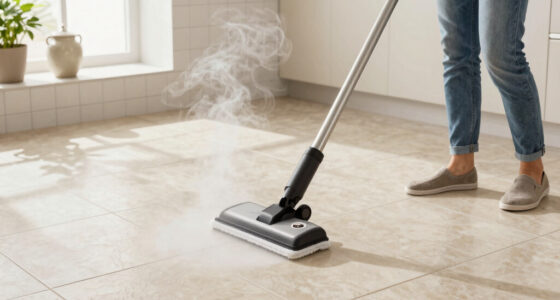
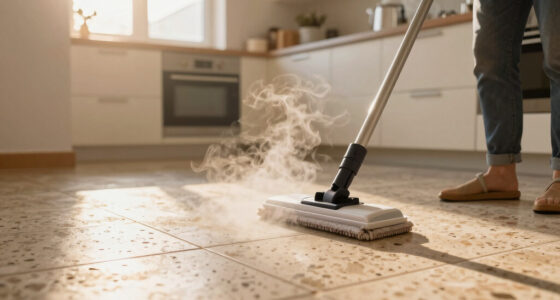
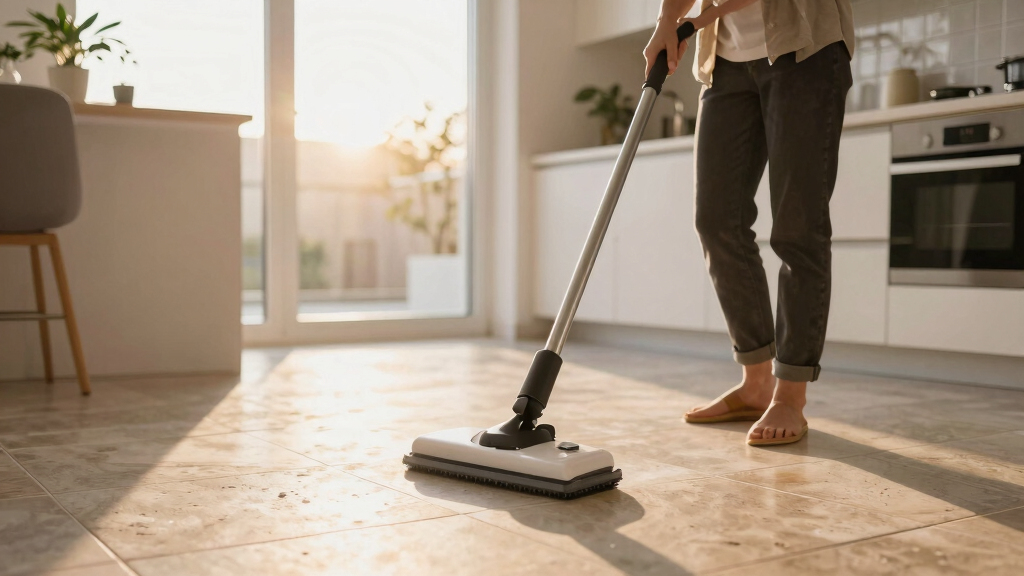
Steam mopping natural stone tiles can be risky because high heat and moisture may cause staining or etching. Use low steam settings, test first, and follow manufacturer advice to avoid damage. Safer options include gentle, pH-neutral cleaning with minimal water.
Natural stone tiles like marble and limestone are porous and highly sensitive to high heat and moisture from steam mops.
Using a steam mop on natural stone risks staining, etching, and long-term damage—especially if not used carefully or on unsealed surfaces.
Always test in a hidden spot, use the lowest steam setting, and follow manufacturer instructions if you choose to steam clean.
Regular cleaning with a pH-neutral, stone-safe cleaner and resealing helps keep natural stone looking its best without risks.
For most natural stones, gentle damp mopping and routine sealing outperform steam mops in safety and longevity.
Can You Steam Mop Natural Stone Tile Safely?
TL;DR: Steam mopping natural stone can be risky because high heat and moisture may cause staining, etching, sealant breakdown, or hidden water damage. If you try it, use the lowest steam setting, test first, and follow the manufacturer’s guidance. For most homes, pH-neutral cleaning with minimal water is the safer long-term choice.
Convenience is real. So is the risk.
Marble, limestone, and travertine are porous, heat-sensitive materials. Steam can seep below the surface, dull the finish, or weaken the protective seal over repeated cleanings.
Identify the stone type and sealing status before any steam touches the floor.
Check a hidden spot after a full day for dullness, darkening, or residue.
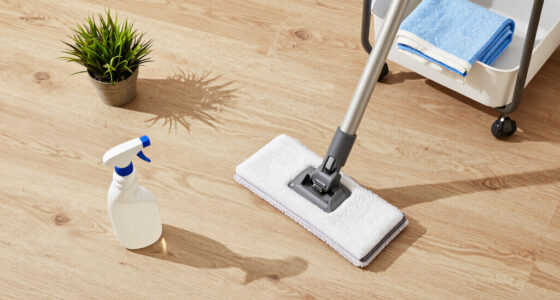
Use a pH-neutral stone cleaner with a barely damp microfiber mop.
Marble, limestone, and travertine are especially vulnerable to steam damage.
If used at all, choose adjustable steam and the lowest possible output.
Steam is quick, but repeated exposure can shorten the life of the sealant.
Heat plus moisture changes the equation.
Natural stone is not one uniform material. Porosity, mineral composition, finish, and sealant condition all affect whether steam is merely unnecessary or actively damaging.
Moisture can sink below the surface.
Tiny channels in stone absorb water. Steam can drive moisture into those channels, creating dark spots, staining, or hidden damage.
Some finishes dull or etch.
Marble and limestone can react badly to heat, moisture, and residues, leaving a flat, cloudy look where shine used to be.
The barrier can weaken over time.
Sealants help protect stone, but steam may degrade that layer, making future stains and mineral deposits easier to form.
Not all natural stones carry the same risk.
Granite and slate tend to be denser than marble or limestone, but caution still matters. A durable stone with a compromised seal can behave like a vulnerable one.
Steam is not the only chemical-free option.
The safest cleaning method is the one that removes grit and residue without soaking the tile, shocking the surface with heat, or stripping the protective barrier.
| Cleaning Method | Stone Safety | Moisture Load | Best Use | Verdict |
|---|---|---|---|---|
| pH-neutral cleaner + microfiber | ✓ Gentle on sealed stone | Low when mop is wrung out | Routine maintenance for most natural stone floors | Safest regular choice |
| Warm water damp mop | ✓ Safe when minimal | Low to moderate | Quick light cleaning after sweeping | Good if dried promptly |
| Steam mop on low setting | ~ Depends on stone and seal | Moderate with heat | Only after hidden test and manufacturer approval | Use rarely, if ever |
| High steam or repeated passes | ✗ High damage potential | High with heat pressure | Not recommended for porous or sensitive stones | Avoid |
| Acidic or harsh cleaners | ✗ Etching risk | Varies | Never for marble, limestone, or travertine | Avoid |
If you are tempted to steam, slow the process down.
The point is to reduce unknowns before they become visible damage. Test, wait, inspect, and keep heat and moisture as low as possible.
Identify
Confirm whether the floor is marble, limestone, travertine, slate, granite, or another stone.
Check seal
Look for dull patches, staining, or water absorption that suggest the sealant has weakened.
Test first
Try the hidden corner only, then wait 24 hours before judging the result.
Go low
Use the lowest steam output and keep the mop moving. Never hold it in one spot.
Dry fully
Follow with a soft cloth so moisture does not linger on grout lines or porous areas.
Where steam cleaning lands on the care spectrum.
For natural stone, the best method usually sits closer to low-water maintenance than high-heat sanitizing. The cleaner the process feels, the more carefully the surface must be protected.
Gentle cleaning wins longevity.
Steam mops are useful on many hard surfaces, but natural stone rewards restraint. Minimal water, neutral cleaner, routine resealing, and quick drying preserve both appearance and structure.
Natural stone cleaning risk scale
How small cleaning choices become long-term floor outcomes.
Damage often builds gradually: moisture enters, heat stresses the seal, residue or minerals react, and the finish loses the polished look homeowners want to protect.
Heat and vapor contact the stone surface.
Moisture can move into tiny channels.
The protective barrier may weaken.
Dullness, dark spots, or deposits appear.
Neutral cleaning and resealing preserve shine.
Frequently asked questions.
When in doubt, treat natural stone as a premium finish rather than a generic hard floor. The safest answer is usually the one with less heat, less water, and more drying.
Is steam safe on marble or limestone?
Generally, no. Both are porous and sensitive, with higher risk of etching, dulling, staining, and moisture damage.
Can granite or slate handle steam?
They are usually more durable, but still require caution. Use low steam only after testing and checking manufacturer guidance.
When should stone be resealed?
Reseal after cleaning and once the surface is fully dry. Regular resealing helps maintain the moisture barrier.
What is the safest everyday method?
Sweep or vacuum grit, damp mop with a pH-neutral stone cleaner, then dry the floor thoroughly with a soft cloth.
What Makes Natural Stone Tiles So Sensitive to Steam?
Natural stone tiles—like marble, limestone, and travertine—are porous. That means tiny holes and channels soak up moisture easily, especially if they aren’t sealed well. When you use a steam mop, the high-temperature steam can seep into these pores, causing discoloration or staining. For example, a homeowner once noticed dark spots on her marble floor after using a steam mop, which turned out to be water trapped beneath the surface. The heat can also react with the surface minerals, leading to etching—a dull, dulling effect that ruins the shine.
Some stones, like granite and slate, are denser and more resistant. But even they aren’t immune. Excess moisture can weaken the surface over time or cause cracks if the tile isn’t properly sealed. Knowing your stone’s characteristics helps you decide whether steam cleaning is even worth the risk.
Understanding why these vulnerabilities matter is crucial. Porous stones absorb moisture more readily, making them more susceptible to long-term damage that isn’t immediately visible. Over time, repeated exposure to heat and moisture can cause cumulative damage, leading to costly repairs or replacements. This is why knowing your stone type and its sealing status helps you weigh the tradeoffs: convenience versus potential damage. If damage occurs, it can be irreversible, affecting the appearance and structural integrity of your floors, and ultimately costing more than the initial effort to avoid damage.
natural stone tile pH-neutral cleaner
As an affiliate, we earn on qualifying purchases.
As an affiliate, we earn on qualifying purchases.
Should You Ever Use a Steam Mop on Natural Stone? Here’s the Truth
The short answer: generally, no—unless you’re very cautious. Steam mops can cause more harm than good on most natural stones. If you have marble or limestone, the risk of etching and staining is high. Even with granite or slate, improper use can damage the surface or sealant. According to experts, the best approach is to avoid steam altogether or use it only on sealed, durable stones with extreme caution.
Using a steam mop on natural stone isn’t just about immediate damage; it’s about the cumulative effects. Each use can degrade the sealant layer, which acts as a barrier protecting against moisture and stains. Once this barrier weakens, your stone becomes more vulnerable to water infiltration, staining, and mineral deposits. So, even if a single use seems harmless, repeated steam cleaning accelerates deterioration, reducing your stone’s lifespan and aesthetic appeal. This is why most professionals recommend sticking to gentler cleaning methods that don’t compromise the stone’s natural defenses, especially since the risks—like etching, staining, and structural weakening—are often irreversible. The tradeoff is clear: convenience versus preserving your investment. Most homeowners find that avoiding steam mops in favor of safer cleaning methods better preserves their stone’s beauty and longevity.
As an affiliate, we earn on qualifying purchases.
How to Safely Clean Natural Stone Tiles Without Damaging Them
- Start with a gentle sweep or vacuum to remove loose dirt and debris.
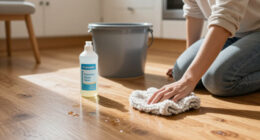
- Use a damp microfiber cloth or mop with warm water and a pH-neutral, stone-safe cleaner. Avoid harsh chemicals.
- If you want to use a steam mop, choose one with adjustable steam settings. Set it to the lowest level possible.
- Test in a hidden corner first—wait 24 hours to check for any discoloration or dullness.
- Follow up with a soft cloth to dry the surface thoroughly.
- Regularly reseal your stone tiles to maintain their waterproof barrier.
Imagine you’re cleaning a marble entryway: gentle sweeping, a damp cloth, and no harsh chemicals keep it shiny without risking etching. If you decide to try steaming, do it carefully—test first, keep steam low, and never hold the mop in one spot too long. Remember, the key is moderation: frequent or prolonged exposure to heat and moisture increases the risk of damage. Using gentle cleaning methods helps preserve the stone’s natural luster and structural integrity over time, reducing the risk of costly repairs. Ultimately, being cautious with any moisture-based cleaning—especially steam—is essential for maintaining your natural stone’s beauty and durability in the long run.
stone-safe cleaning spray for natural stone
As an affiliate, we earn on qualifying purchases.
As an affiliate, we earn on qualifying purchases.
Frequently Asked Questions
Is it safe to use a steam mop on marble or limestone tiles?
Generally, no. Marble and limestone are porous and react badly to high heat and moisture, risking etching and staining. It’s safer to stick with gentle, damp cleaning methods for these stones.
Can I use a steam mop on granite or slate?
Granite and slate are more durable but still require caution. Use the lowest steam setting, test first, and avoid prolonged exposure to prevent sealant degradation or surface damage.
What’s the best way to clean natural stone tiles?
Use a soft cloth or mop with warm water and a pH-neutral, stone-safe cleaner. Regular sweeping and resealing help maintain their beauty without risking etching or staining.
Should I reseal my natural stone before or after steam cleaning?
Resealing should be done after cleaning and once the surface is completely dry. Proper sealing helps protect against moisture, but it doesn’t eliminate the risks of steam cleaning.
Are there safer alternatives to steam mopping for natural stone?
Yes. Regular sweeping and damp mopping with gentle, stone-specific cleaners are safer and just as effective for maintaining natural stone floors.
As an affiliate, we earn on qualifying purchases.
Conclusion
Natural stone surfaces shine with proper care—gentle cleaning, sealing, and cautious use of tools. While steam mops seem like a quick fix, they often bring more harm than good. Think of your stone floors as delicate works of art—handle them with care, and they’ll reward you with lasting beauty.Halloween Picks
halloween
As an affiliate, we earn on qualifying purchases.