TL;DR

Get cleaning gear delivered free with Prime
- Fast, free delivery on millions of items
- Prime Video, Amazon Music and more included
- Member-only deals all year
Steam mops can damage linoleum by causing swelling and warping due to excessive heat and moisture. Always check manufacturer guidelines and consider gentler cleaning methods to preserve your floors.
Always check your flooring manufacturer’s care instructions before using a steam mop.
Excessive steam and heat can cause linoleum to swell, warp, or delaminate over time.
Testing a small, hidden area first helps determine if steam cleaning is safe for your floors.
Damp mopping with mild cleaners is a safer, effective way to keep linoleum clean.
Modern steam mops with adjustable settings reduce the risk but don’t eliminate it entirely.
Steam Mops and Linoleum: A Warning Worth Reading
TL;DR: Steam mops can damage linoleum by forcing excessive heat and moisture into a floor made from natural materials. The result can be swelling, warping, bubbling, or delamination that is often expensive to reverse.
Steam loosens dirt quickly, but linoleum can soften, expand, and lift when exposed too long.
A well-wrung microfiber mop with a mild pH-neutral cleaner is the safer everyday method.
Clean for longevity, not just shine on cleaning day.
Swelling, warping, and delamination are the main failure patterns.
After any hidden-area steam test, wait a full day before judging safety.
Linoleum care depends on controlled water, not saturated cleaning.
Ignoring manufacturer care instructions may void floor coverage.
The clean looks immediate. The damage can arrive later.
Steam mops promise chemical-free cleaning, hot sanitation, and a quick glossy finish. Linoleum, however, is not just another hard surface. It is made from natural materials such as linseed oil, cork dust, and wood flour, which makes it attractive and resilient but vulnerable to repeated heat and moisture exposure.
Softening
High heat can soften the surface layer, especially on older or worn floors where protective finish has thinned.
Swelling
Steam that lingers near seams or edges can enter the floor and create uneven expansion.
Lifting
Moisture and heat may weaken adhesive bonds, leading to bubbling, curled edges, or delamination.
Where the floor is most vulnerable
The risk is highest when steam is held in one spot, used at full output, or pushed across seams, corners, and worn patches. Modern steam mops with adjustable settings can reduce exposure, but they do not eliminate the underlying material risk.
Heat and moisture tolerance spectrum
Traditional damp mopping stays in the safer zone because moisture is controlled and temperature is gentle. Steam cleaning moves quickly toward the risk zone when output is high or motion slows.
Steam cleaning vs. traditional damp mopping
Steam can sanitize and loosen embedded dirt, but for linoleum the trade-off is heat and excess moisture. Damp mopping gives up some sanitizing power while preserving the floor’s structure.
| Feature | Steam cleaning | Traditional damp mopping | Linoleum verdict |
|---|---|---|---|
| Moisture level | ✗ High steam exposure | ✓ Low controlled moisture | ✓ Damp wins |
| Heat | ✗ Hot output can soften surface | ✓ Room-temperature or warm water | ✓ Gentle wins |
| Sanitation | ✓ Strong germ reduction | ~ Good routine cleaning | ~ Depends on need |
| Damage risk | ✗ Swelling, warping, delamination | ✓ Minimal when well-wrung | ✓ Damp wins |
Before steam touches the whole floor, run a hidden-area test.
If your manufacturer allows steam cleaning, use the lowest setting, keep the mop moving, and treat the test as a real compatibility check rather than a formality.
Read the care guide
Confirm whether steam is allowed, discouraged, or excluded from warranty coverage.
Pick a hidden spot
Choose an area under an appliance, rug, or low-visibility corner.
Use lowest steam
Keep the mop slightly moving and avoid letting heat sit over seams.
Wait 24 hours
Check for bubbling, raised edges, dulling, swelling, or discoloration.
Decide conservatively
If anything changes, switch to damp mopping and avoid repeat steam exposure.
Care instructions come first.
Many flooring brands warn against steam mops or recommend strict caution because linoleum’s tolerance depends on sealing, age, adhesive condition, and installation quality.
Use less water than you think.
- Sweep or vacuum grit before mopping.
- Use a damp microfiber mop, not a soaked one.
- Choose a mild pH-neutral cleaner.
- Dry visible moisture promptly near seams and edges.
How a quick clean becomes a repair bill
Damage usually follows a chain: steam exposure creates material stress, stress weakens the surface or adhesive, and small visual changes become permanent flooring problems.
Hot vapor reaches seams, worn finish, or adhesive-sensitive areas.
Natural linoleum components absorb excess moisture unevenly.
The surface and adhesive layer become more vulnerable under heat.
Edges lift, bubbles form, or sheets begin to delaminate.
Damage can require patching, re-adhesion, or full replacement.
Fast answers for cautious homeowners
Is it safe to use a steam mop on linoleum floors?
Only if your specific floor and manufacturer guidance allow it. When in doubt, avoid steam and use a damp mop.
Can steam mops damage linoleum?
Yes. Excessive heat and moisture can cause swelling, warping, bubbling, or delamination.
What is the best cleaning method?
Regular sweeping plus damp mopping with a mild pH-neutral cleaner is the safest routine for most linoleum floors.
Do modern steam mops solve the problem?
Adjustable settings and sensors reduce risk, but they cannot make sensitive or poorly sealed linoleum immune to heat and moisture.
Why Steam Mops Are Tempting but Tricky for Linoleum
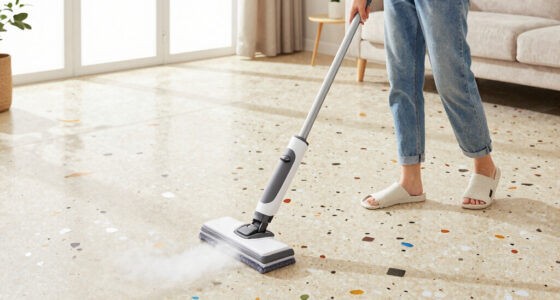
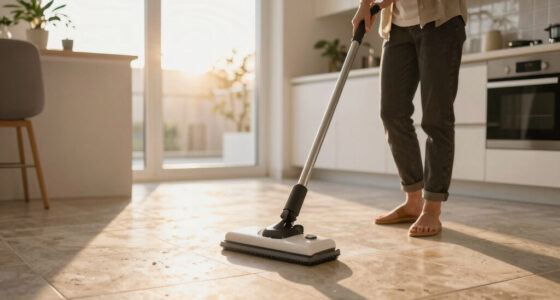
Steam mops promise a chemical-free, quick-clean solution. They produce hot steam that loosens dirt and kills germs, making your floors look fresh and sanitary. But linoleum is sensitive to moisture and heat. Too much steam can cause swelling, warping, or even delamination.
For example, Jane used her steam mop on her kitchen floor. It looked fantastic initially, but after a few weeks, she noticed the edges lifting and bubbling. That’s a common story among homeowners who overlook the delicate nature of linoleum.
As an affiliate, we earn on qualifying purchases.
How Excessive Heat and Moisture Damage Your Linoleum
Linoleum is made from natural materials like linseed oil, cork dust, and wood flour. This eco-friendly composition makes it beautiful but vulnerable to water and heat. When exposed to high heat or prolonged steam, the surface can soften and swell. This leads to warping, bubbling, or even cracking over time.
Think of your linoleum as a sponge — it absorbs moisture. Too much steam, especially if held in one spot, causes the material to expand unevenly. Over months, this deterioration becomes clear, turning a sleek floor into an uneven, damaged surface.
Understanding this physical response is crucial because it highlights why linoleum isn’t just affected temporarily; the damage can be permanent and severely diminish the floor’s structural integrity. The swelling can cause tiles or sheets to lift, leading to uneven surfaces that are not only unsightly but also hazardous. Warping can also compromise the adhesive bonds holding linoleum in place, resulting in costly repairs or replacements. Therefore, recognizing the delicate balance between cleaning and damage is vital for maintaining your floors’ longevity.
pH-neutral floor cleaner for linoleum
As an affiliate, we earn on qualifying purchases.
As an affiliate, we earn on qualifying purchases.
What Manufacturers Say About Steam Cleaning on Linoleum
Many flooring brands advise caution. Some explicitly warn against steam mops, citing risks of warping or delamination. Others suggest that if you do use a steam mop, set it to the lowest steam setting, keep moving, and test a small area first.
For instance, a popular linoleum brand recommends avoiding steam entirely, while a few newer models include sensors to prevent overheating. Always check your flooring’s care instructions before firing up that steam mop.
This advice from manufacturers reflects a broader understanding of their product’s vulnerabilities. Ignoring these guidelines can void warranties and lead to irreversible damage. The recommendation to test a small area isn’t just about precaution; it’s about assessing how your specific floor reacts—since even floors from the same manufacturer can vary in their tolerance. Knowing and respecting these guidelines helps you make informed decisions, balancing cleanliness with preservation.
steam mop with adjustable settings
As an affiliate, we earn on qualifying purchases.
As an affiliate, we earn on qualifying purchases.
Best Cleaning Tips for Linoleum Floors That Won’t Damage Them
- Start with a dry sweep or vacuum to remove loose dirt.
- Use a damp mop with a mild, pH-neutral cleaner—no soaking!
- Limit the amount of water; wring out your mop thoroughly.
- Avoid high heat or steam; opt for gentle cleaning solutions.
- Test any new cleaning method on a hidden corner first.
For example, Lisa swears by damp microfiber mops and a splash of vinegar diluted in water. Her floors stay shiny without risk of swelling.
Deep cleaning with minimal moisture is essential because excess water can seep into seams or beneath the linoleum, causing long-term damage. The key is to strike a balance—using just enough moisture to lift dirt without saturating the material. Additionally, avoiding high heat prevents softening of the surface layer, which is especially vulnerable after years of wear. By understanding these nuances, you can maintain a pristine appearance while protecting your investment in your flooring.
floor protection mats for linoleum
As an affiliate, we earn on qualifying purchases.
As an affiliate, we earn on qualifying purchases.
Compare: Steam Cleaning vs. Traditional Damp Mopping on Linoleum
| Feature | Steam Cleaning | Traditional Damp Mopping |
|---|---|---|
| Moisture Level | High (steam) | Low (damp cloth or mop) |
| Heat | Hot steam can be risky | Gentle, controlled temperature |
| Effectiveness | Sanitizes well, loosens dirt | Removes surface dirt, less sanitation |
| Risk of Damage | Potential swelling and warping | Minimal if well-wrung |
While steam cleaning offers superior sanitation and can loosen embedded dirt, it introduces risks that may outweigh the benefits for linoleum floors. The high moisture and heat can cause irreversible damage, leading to costly repairs. Conversely, traditional damp mopping, when done properly, provides effective cleaning with minimal risk because it involves controlled moisture levels. Recognizing these trade-offs helps you choose the safest method for your specific flooring, ensuring longevity and appearance.
How to Safely Test if Your Linoleum Can Handle Steam
Before using steam on your entire floor, test a small, hidden area. Use the lowest steam setting, hold the mop a few inches above the surface, and move quickly. Wait 24 hours to check for swelling, bubbling, or discoloration. This process is essential because it provides a real-world indication of your floor’s specific tolerance. Even floors from the same manufacturer can have variations in sealing or wear that affect their response. The test helps prevent costly mistakes by revealing whether your linoleum can withstand even minimal steam exposure.
If no damage appears, proceed with caution, maintaining low steam levels and continuous movement. If you notice any changes, switch to damp mopping or other gentle cleaning methods. This careful approach minimizes risk and prolongs the life of your floors.
Alternatives to Steam Mops That Are Safer for Linoleum
- Regular damp mopping with a mild, pH-neutral cleaner
- Using microfiber mops for gentle cleaning
- Sweeping frequently to reduce dirt buildup
- Applying natural cleaning solutions like vinegar diluted in water
For example, many homeowners find that a simple damp cloth and a splash of vinegar do the trick, keeping their floors shiny and healthy without risking damage. These methods are not only safer but also environmentally friendly and cost-effective. They allow for effective dirt removal without subjecting the floor to the stresses of heat or excess moisture, thus preserving the integrity of the linoleum’s surface and adhesive layers. Adopting these gentle techniques is a proactive way to extend your flooring’s lifespan and maintain its appearance over time.
Frequently Asked Questions
Is it safe to use a steam mop on linoleum floors?
It can be, but only if your linoleum is rated for steam cleaning. Always check your manufacturer’s guidelines and test a small area with minimal steam first.Can steam mops damage linoleum floors?
Yes. Excessive heat and moisture from steam can cause swelling, warping, or bubbling, especially over time and if used improperly.What’s the best way to clean linoleum floors safely?
Damp mopping with a mild, pH-neutral cleaner is safest. Avoid soaking the floor and steer clear of high heat or steam unless you’ve confirmed it’s safe for your specific flooring.How do I test if my linoleum can handle steam cleaning?
Apply a small amount of steam to a hidden corner using the lowest setting. Wait 24 hours to check for any damage or swelling before proceeding.Are there safer alternatives to steam mops?
Absolutely. Regular damp mopping with gentle cleaners, sweeping frequently, and natural solutions like vinegar diluted in water are effective and safer for linoleum.Conclusion
Your linoleum floors are a natural, beautiful surface that deserves gentle care. While steam mops seem tempting, they can cause lasting damage if used improperly. Stick to low-moisture cleaning methods, test first, and always follow manufacturer advice. A little caution today saves you costly repairs tomorrow.Halloween Picks
halloween
As an affiliate, we earn on qualifying purchases.