TL;DR

Get cleaning gear delivered free with Prime
- Fast, free delivery on millions of items
- Prime Video, Amazon Music and more included
- Member-only deals all year
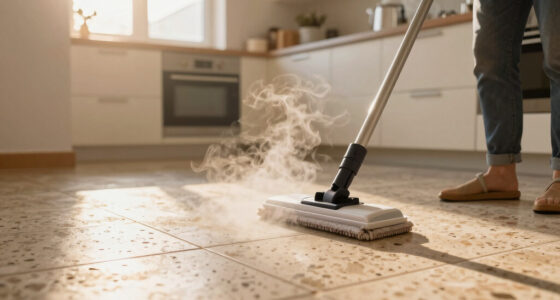
Steam mops can be used on sealed concrete floors if you test first, use moderate steam settings, and follow manufacturer guidelines. Overuse or high heat may wear down the sealant over time.
Sealed concrete floors are popular for their durability and sleek look, but many wonder if steam mops—those hot, steam-shooting wonders—are safe to use on them. The answer isn’t a simple yes or no. It depends on your sealant, how often you clean, and how you operate the machine. You want to keep your floors clean without risking moisture damage or sealant wear. This guide breaks down what you need to know to make smart, safe choices with your steam mop.
Let’s explore how steam cleaning interacts with sealed concrete, what precautions matter most, and tips for doing it right. Whether you’re a seasoned homeowner or a cleaning newbie, understanding these basics saves you time, money, and potential repairs. Ready to steam smarter? Here’s what you need to know.
Always inspect your sealant for cracks or damage before using a steam mop.
Test a small, hidden area with the lowest steam setting to check for adverse effects.
Use a steam mop with adjustable steam controls and avoid high heat for sealed concrete.
Limit steam cleaning to once every 2-3 months to preserve sealant longevity.
Consider gentle damp mopping as a safer daily cleaning alternative.
Floor care briefing / sealed concrete
Can You Use a Steam Mop on Sealed Concrete?
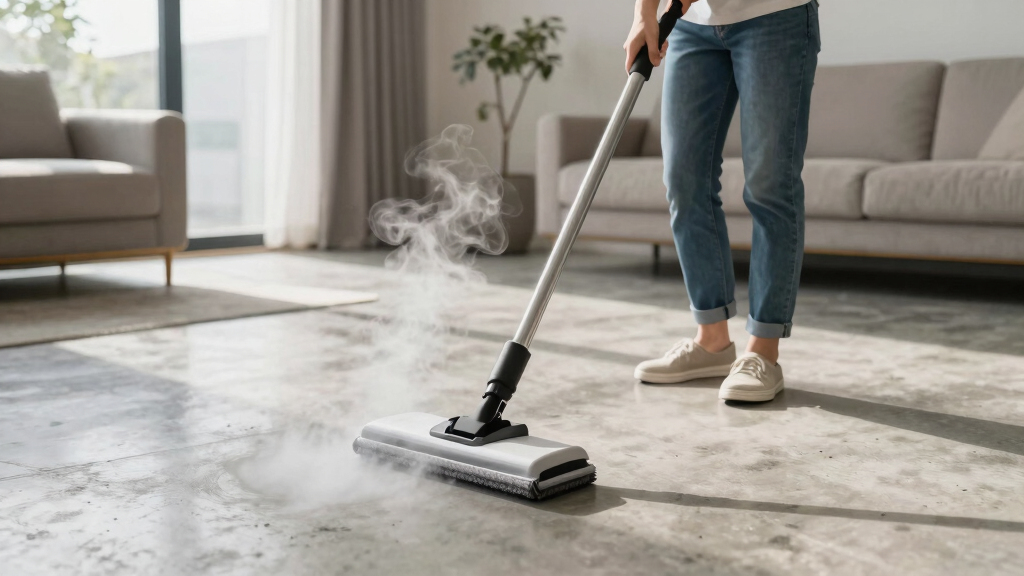
Yes, but only with restraint. Steam mops can work on sealed concrete when the sealant is intact, the steam level is low to moderate, and you test first. The real risk is not one careful pass; it is repeated heat, excess moisture, or using steam on a worn protective layer.
Safe steam cleaning starts with the sealant, not the mop.
Use steam occasionally, not as the everyday cleaning routine.
Start with the lowest steam output and increase only if needed.
Safe when the finish is sound and the mop is controlled.
Surface-forming sealers usually tolerate light moisture better.
High temperature can soften, dull, or age the protective layer.
Microfiber plus mild cleaner is the safer routine option.
What Makes Steam Cleaning Safe?
Sealed concrete is protected by a barrier that resists water and stains. When that barrier is intact, controlled steam is less likely to penetrate into the concrete. When it is cracked, peeling, dull, or worn, steam can push moisture where it does not belong.
Surface sealers perform best
Polyurethane and acrylic coatings create a visible protective layer that can usually handle light, brief moisture exposure.
Integrity matters most
Cracks, peeling, chalky patches, and dull zones are warning signs that steam could worsen existing weakness.
Short passes beat soaking
Keep the mop moving, avoid lingering in one spot, and dry any excess moisture after the pass.
Inspect
Look for cracks, peeling, cloudy areas, or spots that absorb water faster than the surrounding floor.
Test
Choose a hidden patch, use the lowest setting, apply brief steam, then wipe dry and wait.
Steam Lightly
Use moderate heat, steady movement, and minimal water exposure across the floor.
Review
Check for dullness, discoloration, moisture spots, or tacky sealant before repeating.
Steam Mop Features Worth Paying For
The safer machine is the one that gives you control. Adjustable steam, lower temperature settings, and easy handling reduce the chance of overheating or saturating the sealant.
| Feature | Why It Matters | Safe Fit | Risk If Missing |
|---|---|---|---|
| Adjustable steam control | Lets you lower moisture and heat for aging or delicate sealants. | ✓ | Too much steam can accelerate wear. |
| Low-temperature mode | Helps prevent softening, warping, or discoloring the protective layer. | ✓ | High heat may dull the finish. |
| Trigger-controlled steam | Prevents accidental blasts of steam in one location for too long. | ~ | Moisture can build up quickly. |
| Lightweight body | Makes it easier to move smoothly without pressing hard into the surface. | ✓ | Heavy units may scuff weak coatings. |
| Unregulated high-output cleaner | Designed for aggressive cleaning rather than delicate sealed surfaces. | ✗ | Greater chance of sealant degradation. |
The practical rule
Use the gentlest effective setting, keep the mop moving, and treat steam cleaning as an occasional reset rather than a weekly habit.
Risk rises with heat and frequency
Common Pitfalls That Damage the Finish
Most problems come from aggressive habits: maximum heat, repeated passes, skipping the patch test, or steaming floors that already show sealant wear.
Holding steam in one spot
Lingering can soften the coating, leave dull patches, or push moisture into weak areas.
Ignoring manufacturer guidance
Sealant and mop makers often specify heat limits, surface compatibility, and safe cleaning methods.
Skipping debris removal
Dirt and grit can scratch the surface when dragged under a hot, damp mop pad.
Using steam too often
Even gentle steam can gradually reduce sealant life when it replaces routine damp mopping.
Cleaning Intensity, Ranked
For sealed concrete, the safest maintenance plan is layered: sweep often, damp mop regularly, and reserve steam for occasional deeper cleaning.
Traceability: The Safe Decision Chain
A good answer is never just yes or no. It moves through the floor condition, the machine settings, the test result, and the cleaning frequency.
Sealant intact
No cracks, peeling, tackiness, or cloudy patches.
Hidden test
No dullness, discoloration, or moisture retention.
Low steam
Adjustable output and short, moving passes.
Rare use
Steam every few months, not every week.
Clean floor
Sanitized surface with lower sealant risk.
What makes sealed concrete floors safe for steam cleaning?
Sealed concrete floors are coated with a protective layer—usually polyurethane or acrylic—that resists moisture and stains. These sealants act like a shield, preventing water from soaking into the concrete. When the sealant is intact, small amounts of steam from a controlled mop won’t penetrate deeply or cause damage. For example, if your sealant is professionally applied and shows no cracks or wear, you can often use a steam mop safely with some precautions.
But if your sealant is cracked, peeling, or worn, steam cleaning might worsen these issues or introduce moisture that leads to mold or deterioration. It’s like wearing a raincoat with holes—moisture gets in. Always inspect your floor first. A quick visual check for cracks or dull patches can tell you whether your sealant is holding up.
According to industry guidelines, most modern sealants are designed to tolerate light moisture, but prolonged exposure or high heat can accelerate wear. That’s why moderation is key.
Understanding the importance of sealant integrity is crucial because it directly affects your floor’s resistance to water damage. If the sealant is compromised, moisture can seep in during steam cleaning, leading to mold growth, discoloration, or structural issues over time. Conversely, a well-maintained sealant provides a safeguard, allowing you to clean more confidently. The tradeoff is that even with good sealant, frequent or aggressive steam cleaning can gradually wear down the protective layer, so knowing when and how often to clean is essential for longevity.
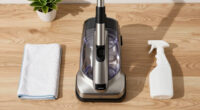
adjustable steam mop for sealed concrete floors
As an affiliate, we earn on qualifying purchases.
As an affiliate, we earn on qualifying purchases.
How to test if your sealed concrete can handle a steam mop
- Pick a small, hidden patch of floor—like behind a door or under furniture.
- Use your steam mop on the lowest setting, holding it a few inches above the surface.
- Hold it there for about 10 seconds, then wipe with a dry cloth.
- Check the patch after a few minutes for any changes—dullness, discoloration, or moisture spots.
This simple test is vital because it acts as a safeguard against unintended damage. By cautiously applying minimal steam in a concealed area, you can observe how your specific floor reacts to moisture and heat. If the patch remains unchanged, it suggests your floor’s sealant and underlying material can handle light steam cleaning without adverse effects. However, if you notice dullness, discoloration, or moisture retention, these are signs that the sealant may be compromised or that your floor is more sensitive. In such cases, continuing with steam cleaning could accelerate deterioration or cause mold growth. This test helps you balance cleanliness with durability, saving you from costly repairs or refinishing down the line.
best steam mop for sealed concrete
As an affiliate, we earn on qualifying purchases.
As an affiliate, we earn on qualifying purchases.
The best steam mop features for sealed concrete floors
| Feature | Why it matters |
|---|---|
| Adjustable steam control | Allows you to set lower steam levels, reducing moisture and heat exposure, which is essential for delicate or aging sealants that may soften or degrade with high heat. |
| Low-temperature setting | Prevents overheating the sealant, especially on delicate surfaces, helping to preserve the protective layer and prevent warping or discoloration. |
| Continuous steam with a trigger lock | Gives you control, so you don’t accidentally blast steam at high temps for too long, minimizing risk of moisture buildup or damage from prolonged exposure. |
| Lightweight design | Makes maneuvering easy, reducing accidental pressure or damage that could occur from heavy or cumbersome equipment, especially on older or more fragile sealant layers. |
Choosing a steam mop with these features is critical because it provides flexibility and control, allowing you to adapt to your floor’s condition. For example, adjustable steam controls enable you to limit moisture, which is especially important if your sealant shows signs of aging or cracking. A low-temperature setting helps prevent unintended damage caused by excessive heat, which can soften or weaken the sealant over time. Continuous steam features should be used judiciously—they’re handy for cleaning large areas but can cause moisture accumulation if used excessively. A lightweight design reduces physical stress on your floors and minimizes accidental damage, making the cleaning process safer and more precise. Overall, selecting a model with these features helps you maintain your sealed concrete floors effectively while minimizing risks associated with steam cleaning.
As an affiliate, we earn on qualifying purchases.
How often is safe to steam clean sealed concrete floors?
For sealed concrete, moderation is your best friend. Most experts recommend only once every 2 to 3 months. This frequency is based on the understanding that frequent steam cleaning, even at low settings, can gradually wear down the sealant’s protective properties. Excessive exposure to heat and moisture can cause the sealant to soften, crack, or peel, which diminishes its ability to resist stains and water infiltration. The implication is that overdoing it might lead to increased maintenance costs, more frequent repairs, or even the need to reapply sealant prematurely. Think of it as a balance—regular cleaning keeps your floors hygienic without sacrificing their longevity. If your floors experience heavy traffic, spills, or staining, supplement steam cleaning with routine damp mopping using a microfiber cloth and mild cleaner. This approach preserves the sealant’s integrity while still maintaining cleanliness. Remember, always adhere to the manufacturer’s guidelines and consider consulting professionals if you’re unsure about your specific sealant type, as different products have varying sensitivities and durability limits.
As an affiliate, we earn on qualifying purchases.
Common pitfalls when using a steam mop on sealed concrete
Using a steam mop carelessly can lead to issues like sealant degradation, moisture buildup, or surface dullness. For instance, cranking the heat up to maximum and holding it in one spot for minutes can scorch or soften the sealant. That’s like frying your floor’s protective layer, causing it to peel or crack prematurely. Other mistakes include:
- Ignoring manufacturer instructions, which often specify temperature limits and cleaning techniques that protect your floor’s integrity.
- Using a steam mop without adjustable settings, risking excessive heat and moisture that can accelerate sealant wear.
- Not cleaning debris beforehand, which can cause scratches or embed dirt deeper into the surface, making it more vulnerable during steam cleaning.
- Over-mopping the same area repeatedly, leading to excess moisture absorption and possible seepage through compromised sealant spots.
To avoid these pitfalls, always start with low steam, test first, and keep the mop moving in smooth, controlled motions. Think of steam cleaning as a gentle dance—deliberate, cautious, and attentive to your floor’s response. Recognizing the implications of improper use helps you prevent costly damage and extends the lifespan of your sealed concrete surface.
Alternatives to steam mops for keeping sealed concrete floors clean
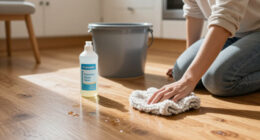
If you’re hesitant about steam cleaning, there are safe options. Damp mopping with a microfiber cloth and a mild cleaning solution—like a few drops of dish soap in warm water—works well. It’s gentle and effective for everyday dirt and spills, especially on older or more delicate sealants that might not tolerate steam well.
For example, a quick wipe with a damp cloth can remove dust, mud, or grease without risking moisture penetration or sealant damage. This method allows you to clean thoroughly without introducing excess moisture or heat, which can weaken or peel the sealant over time. Regular sweeping or vacuuming also prevents grit from scratching or embedding into the surface, maintaining the floor’s appearance and durability. Combining these safer, low-risk cleaning methods ensures your sealed concrete stays in good shape longer, avoiding the potential pitfalls of steam cleaning while still keeping your floors fresh and presentable.
Frequently Asked Questions
Can I use a steam mop on all sealed concrete floors?
Most sealed concrete floors are compatible if the sealant is intact. Always test a small area first and check the sealant type—polyurethane or acrylic are generally safer. Avoid if the sealant shows cracks or wear.Will steam cleaning damage my sealed concrete?
If done occasionally and with proper settings, steam cleaning shouldn’t damage sealed concrete. Excessive or high-temperature steam can degrade the sealant over time, so moderation and testing are crucial.How often should I steam clean sealed concrete floors?
Every 2 to 3 months works well for most households. For regular maintenance, damp mopping weekly with a microfiber cloth is safer and preserves the sealant longer.What precautions should I take before using a steam mop?
Test a hidden patch first, use the lowest steam setting, clean off debris beforehand, and keep the mop moving. Following manufacturer instructions helps prevent damage.Is there a safer cleaning method for sealed concrete floors?
Yes, damp mopping with water and a gentle cleaner, along with regular sweeping, provides effective cleaning without risking moisture or damage—ideal for floors showing wear.Conclusion
Using a steam mop on sealed concrete floors isn’t inherently risky—if you’re cautious, it can be a quick, effective way to sanitize. The key is to respect your floor’s condition, use the right settings, and avoid overdoing it. Think of steam cleaning like giving your floor a gentle spa treatment, not a deep burn.
Remember: always test first, use moderate steam, and follow manufacturer advice. Your floors will thank you with lasting shine and protection. So, next time you reach for that steam mop, do so with confidence—and a little caution.
Halloween Picks
halloween
As an affiliate, we earn on qualifying purchases.