TL;DR

Get cleaning gear delivered free with Prime
- Fast, free delivery on millions of items
- Prime Video, Amazon Music and more included
- Member-only deals all year
Steam mops are generally safe for glazed ceramic and porcelain tiles if used correctly, but natural stone and unsealed grout need caution. Always follow manufacturer instructions and test a small area first.
Always identify your tile material—glazed ceramic and porcelain are safest for steam cleaning.
Test a small, hidden area before full cleaning to prevent surprises.
Use the lowest steam setting and keep the mop moving—avoid holding it in one spot.
Natural stone and unsealed grout need cautious use or alternative cleaning methods.
Modern steam mops with adjustable settings and safety features make cleaning safer and more effective.
Steam can make tile shine, but not every floor wants the heat.
Steam mops are generally safe for glazed ceramic and porcelain tile when used correctly. Natural stone, unsealed grout, and porous finishes need caution because high heat and moisture can cause etching, cracking, staining, or grout deterioration.
Key insight
Identify the tile first, test a hidden area, use the lowest effective steam setting, and keep the mop moving. The cleanest floor is the one that still looks good years later.
Steam can kill bacteria and germs without harsh chemical cleaners.
Glazed ceramic and porcelain are the most steam-compatible tile families.
Tile compatibility depends on material, finish, and grout condition.
Steam safety is less about tile as a category and more about how much heat and moisture the surface can resist.
Glazed ceramic
The glazed surface acts as a barrier against moisture absorption, making it forgiving when the mop is used according to instructions.
Porcelain
Dense composition and low water absorption make porcelain one of the safest tile surfaces for regular steam cleaning.
Natural stone
Marble, granite, and similar surfaces can etch, stain, or dull under high heat, especially when unsealed or improperly maintained.
Unglazed tile
Porous or matte finishes may absorb moisture, so low steam settings and a hidden-area test are essential before full cleaning.
Unsealed grout
Moisture can seep into cracks or unsealed lines, encouraging deterioration or mold growth after repeated steam exposure.
Modern steam mops
Adjustable output, automatic shutoff, temperature controls, and better steam distribution reduce damage risk when used correctly.
A five-step cleaning flow keeps steam useful without letting moisture linger.
Thorough cleaning and surface protection work together when exposure stays brief, controlled, and appropriate for the tile.
Identify
Confirm ceramic, porcelain, stone, glazed, unglazed, sealed, or unsealed status.
Inspect
Look for cracked grout, crumbling lines, loose tiles, stains, or worn sealant.
Test
Steam a hidden area and wait for discoloration, swelling, dulling, or surface change.
Lower
Use the lowest effective setting, especially for delicate tile or questionable grout.
Move
Keep the mop moving and avoid holding steam over one spot for more than a few seconds.
Which tile types can handle steam?
Compatibility rises when the tile is dense, glazed, sealed, and supported by healthy grout.
| Tile type | Steam suitability | What to watch | Recommended approach |
|---|---|---|---|
| Glazed ceramic | ✓ High | Glaze resists heat and moisture, reducing absorption and surface etching. | Use normal precautions, follow manufacturer instructions, and keep the mop moving. |
| Porcelain | ✓ High | Dense structure minimizes water absorption and performs well under routine steam use. | Use low to moderate steam and avoid lingering over grout lines. |
| Natural stone | ~ Variable | Marble, granite, and similar surfaces may etch, stain, or dull under heat and moisture. | Use caution, verify sealing, choose the lowest setting, or use stone-safe alternatives. |
| Unglazed tile | ~ Low to moderate | Porous finishes can absorb moisture and may crack or discolor if exposed too long. | Test first, use minimal steam, and dry the surface promptly. |
| Unsealed grout | ✗ Caution | Steam may drive moisture into gaps, worsening deterioration or mold conditions. | Repair, seal, or clean with a lower-moisture method before routine steam use. |
The safer the surface barrier, the stronger the case for steam.
Use the chart as a practical risk guide, then confirm with your tile and mop manufacturer’s instructions.
Features that make newer steam mops safer
Adjustable steam levels
Switch from deep cleaning to gentle sanitizing for delicate tile, grout lines, or lower-risk maintenance.
Automatic shutoff
Prevents overheating and reduces the chance of accidental surface exposure when the mop pauses.
Even steam distribution
Limits pooling and helps prevent concentrated moisture from attacking grout or porous surfaces.
Grout attachments
Targeted brushes refresh grout lines without aggressive scrubbing that can shorten grout life.
Once a month is a sensible baseline for many tile floors.
High-traffic kitchens and bathrooms may need more attention, but repeated steam exposure should stay controlled on porous or aging surfaces.
Most households can treat monthly steam cleaning as the default, then adjust based on foot traffic, spills, pets, and grout condition.
Verify whether tiles and grout are sealed before steaming.
Sweep or vacuum first so grit does not drag across the tile surface.
Use low steam on softer, older, matte, or natural stone surfaces.
Stop if you notice discoloration, swelling, dulling, cracking, or unusual residue.
The safe decision path is simple: surface, seal, setting, motion, maintenance.
Follow the chain before every new floor, new mop, or newly repaired tile area.
Material
Know ceramic, porcelain, stone, glazed, or unglazed.
Seal
Confirm grout and tile protection before moisture exposure.
Setting
Choose the lowest effective steam level first.
Motion
Keep the mop moving to prevent localized soaking.
Longevity
Protect finish, grout, and the floor’s long-term value.
What Tile Types Can Handle Steam Mops Without Risks?
Steam mops are most compatible with glazed ceramic and porcelain tiles. These materials are durable, resistant to heat, and unlikely to absorb moisture. For example, a homeowner in a busy kitchen found that steaming her glazed tiles every month kept them spotless without issues.
Natural stone tiles—like marble or unsealed granite—are more delicate. Excessive heat and moisture can etch or stain these surfaces, leading to irreversible damage that can ruin the appearance and structural integrity of your floors. If your tiles are unsealed or natural stone, proceed with caution, and consider lower steam settings or alternative cleaning methods. Understanding this distinction is crucial because using steam on sensitive tiles can cause surface etching, which dulls the finish and makes future cleaning more difficult. The tradeoff is between convenience and potential long-term damage—being informed allows you to balance cleaning effectiveness with preservation of your flooring’s beauty.
Glazed tiles tend to be more resistant to damage, while unglazed or matte finishes might absorb moisture or crack if steam is misused, leading to costly repairs or replacements. Recognizing the importance of material composition helps you make smarter cleaning choices that extend the life of your floors.
As an affiliate, we earn on qualifying purchases.
How to Safely Use a Steam Mop on Different Tile Surfaces
- Check your tile material and grout condition. Confirm if your tiles are glazed or natural stone, and examine the grout for cracks or damage. This step matters because damaged or unsealed grout can allow excess moisture to seep in, leading to mold or deterioration over time, especially if subjected to repeated steam cleaning.
- Read the manufacturer’s instructions for your steam mop and your tile type. Different models and tile materials require specific settings; ignoring these can cause damage or reduce cleaning effectiveness.
- Test a small, hidden area first. Wait a few minutes to check for any adverse effects like discoloration, surface etching, or grout swelling. This precaution helps prevent widespread damage and ensures compatibility before committing to full-floor cleaning.
- Adjust steam levels to the lowest setting for delicate tiles or unsealed grout. Using high heat on sensitive surfaces accelerates wear and can create permanent damage, so moderation preserves your investment and avoids costly repairs.
- Keep the mop moving—don’t hold it in one spot too long to prevent moisture buildup. Prolonged exposure in one area can cause water infiltration, especially in porous or unsealed grout, leading to mold or tile cracking. The tradeoff here is between thorough cleaning and the risk of localized damage—moving the mop quickly balances these concerns effectively.
For example, a homeowner with glazed porcelain tiles used the lowest setting and moved quickly across her bathroom floor, avoiding damage while killing germs effectively. This approach demonstrates how cautious use enhances safety without compromising cleanliness.
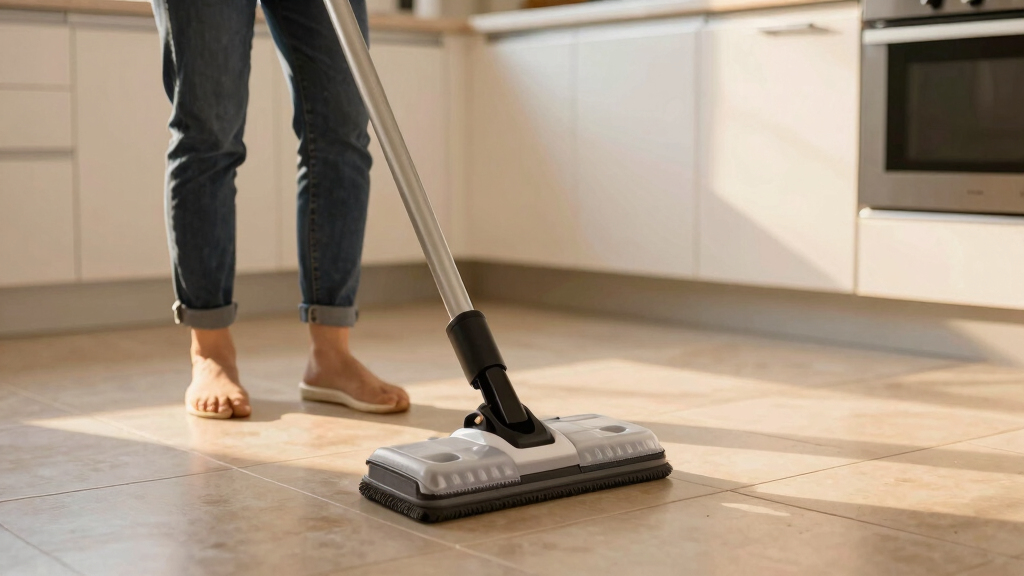
adjustable steam mop for tile floors
As an affiliate, we earn on qualifying purchases.
As an affiliate, we earn on qualifying purchases.
Compare Tile Types and Their Steam Compatibility
| Tile Type | Suitability for Steam Cleaning | Notes |
|---|---|---|
| Glazed Ceramic | High | Resistant to heat and moisture, safe with precautions. Its glazed surface acts as a barrier, preventing moisture absorption and surface etching, making it the most forgiving for steam cleaning. |
| Porcelain | High | Very durable, best for steam cleaning. Porcelain’s dense composition minimizes water absorption, reducing the risk of damage even with regular steam use, though precautions still apply. |
| Natural Stone (Marble, Granite) | Variable | Use with caution, lower settings recommended. These stones are porous and sensitive to high heat, which can cause etching or staining. The tradeoff is that improper steam use can ruin their appearance, so understanding your stone type and applying gentle, controlled steam is essential. |
| Unglazed Tile | Low to Moderate | Potential for damage, test first. Its porous nature makes unglazed tiles more susceptible to moisture absorption and cracking under high heat, so cautious testing and lower settings are vital before full cleaning. |
As an affiliate, we earn on qualifying purchases.
Latest Tech and Features Making Steam Mops Safer on Tiles
Recent steam mop models include adjustable steam controls, automatic shut-offs, and even sensors that prevent overheating. These features matter because they allow users to tailor the cleaning process, reducing the risk of damage and improving safety. For instance, a new model with multiple steam settings lets you switch from deep cleaning to gentle sanitizing, perfect for delicate tiles or grout lines. The ability to vary steam output means you can adapt to different surfaces, minimizing the potential for harm.
Enhanced steam distribution ensures even cleaning without excess moisture, which is crucial because uneven steam can lead to water pooling or grout deterioration—factors that compromise the longevity of your floors. Some units now come with special grout brushes to refresh and clean grout lines without scrubbing too hard, preserving the integrity of the grout and preventing premature deterioration. These technological advancements are designed to make steam cleaning safer and more effective, especially on sensitive surfaces, by giving you greater control and reducing the risk of user error.
As an affiliate, we earn on qualifying purchases.
What You Need to Know Before Steaming Your Tile Floors
Always verify if your tiles are sealed, glazed, or natural stone. Sealed tiles and grout are more resistant to moisture penetration, but unsealed surfaces are vulnerable to damage from excess moisture and heat, which can cause staining, cracking, or warping over time. Regularly check your grout’s condition—if it’s cracked, crumbling, or unsealed, be extra cautious because moisture can seep in and promote mold growth or structural weakening.
As a rule of thumb, avoid holding the steam mop in one spot for more than a few seconds. This prevents water from pooling or penetrating porous surfaces, which could lead to long-term damage. Keep the steam level low on softer or natural stone tiles to minimize the risk of etching or discoloration. And remember, testing a small, hidden area first can save you from costly mistakes—this step is essential because it helps you understand how your specific tiles react to steam, allowing you to adjust your technique accordingly for safe and effective cleaning.
How Often Is Safe to Steam Your Tile Floors?
Most experts suggest once a month for regular cleaning, especially in high-traffic areas. If your household has pets, kids, or allergy sufferers, more frequent steaming can help reduce germs and dust mites, contributing to a healthier environment. However, overdoing it on unsealed or delicate tiles can cause wear and deterioration over time, as excessive moisture weakens the surface or grout. The key is balancing cleanliness with preservation—overly frequent steam cleaning on sensitive surfaces can accelerate aging, leading to costly repairs.
Pay attention to your floor’s condition. If you notice grout deterioration, discoloration, or tiles becoming dull or cracked, it’s time to reconsider your cleaning routine. Switching to gentler methods or reducing the frequency preserves your floors’ lifespan. This approach recognizes that while steam is effective, overuse can be counterproductive, and understanding your specific floor type helps you make informed decisions about maintenance schedules.
Frequently Asked Questions
Is steam cleaning safe for all types of tile?
Not quite. It’s generally safe for glazed ceramic and porcelain tiles but can harm natural stone or unsealed grout. Always check your tile’s material and follow manufacturer guidance.Can steam mops damage grout?
Yes, if grout is unsealed or damaged, excess moisture from steam can cause deterioration over time. Sealed grout generally handles steam better.How do I test my tile for steam safety?
Pick a small, hidden area, apply steam at the lowest setting for a few seconds, and wait a few minutes. If no damage or discoloration appears, it’s likely safe to proceed.What are the best settings for delicate tiles?
Use the lowest steam level, move quickly, and avoid holding the mop in one spot. Consider using attachments designed for gentle cleaning.Should I avoid steam cleaning altogether on certain tiles?
If your tiles are natural stone or unsealed, it’s safer to avoid steam, or use very low settings and test first. Alternatives like dry mopping or damp cloths may be better.Conclusion
Using a steam mop on tile floors can be safe and effective if you know your surface and follow proper steps. Pay close attention to your tile type, always test first, and adjust steam levels accordingly. With the right approach, you’ll keep your floors spotless—without the risk of damage or costly repairs.Fall Picks
fall essentials
As an affiliate, we earn on qualifying purchases.