
TL;DR
Listen free for 30 days with Audible
Thousands of audiobooks and originals — cancel anytime.
Start your free trialAs an affiliate, we earn on qualifying purchases.
Steam cleaning can effectively remove water-based dried paint from sealed, hard floors without harsh chemicals. Success depends on proper technique, the type of paint, and surface compatibility.
Always test a small, hidden part of your floor with steam first.
Use a steam cleaner with adjustable settings for precision and safety.
Water-based paint responds well to steam, but oil-based may need extra help.
Work slowly and in small sections to prevent moisture damage.
After steaming, wipe and dry thoroughly to protect your floor.
Is Your Floor Material Ready for Steam? Know Before You Start
Steam cleaning works best on sealed, hard surfaces like tile, vinyl, and sealed concrete. If your floor is unsealed wood or delicate laminate, excessive moisture can cause warping or discoloration.
For example, a ceramic tile kitchen floor handles steam well, but an unsealed hardwood living room might not.
Always test a small hidden area first: hold the steam nozzle for a few seconds and wipe to see if the surface reacts negatively. This quick check can save you from costly damage.
As an affiliate, we earn on qualifying purchases.
Choosing the Right Equipment to Blast Away Dried Paint
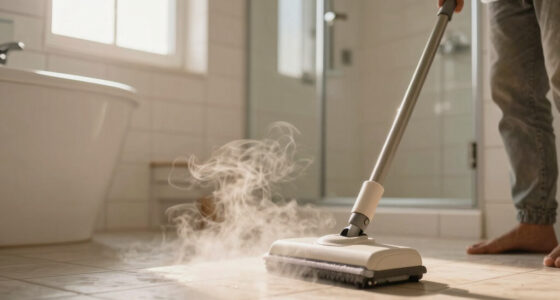
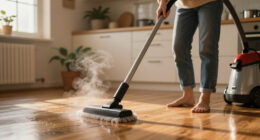
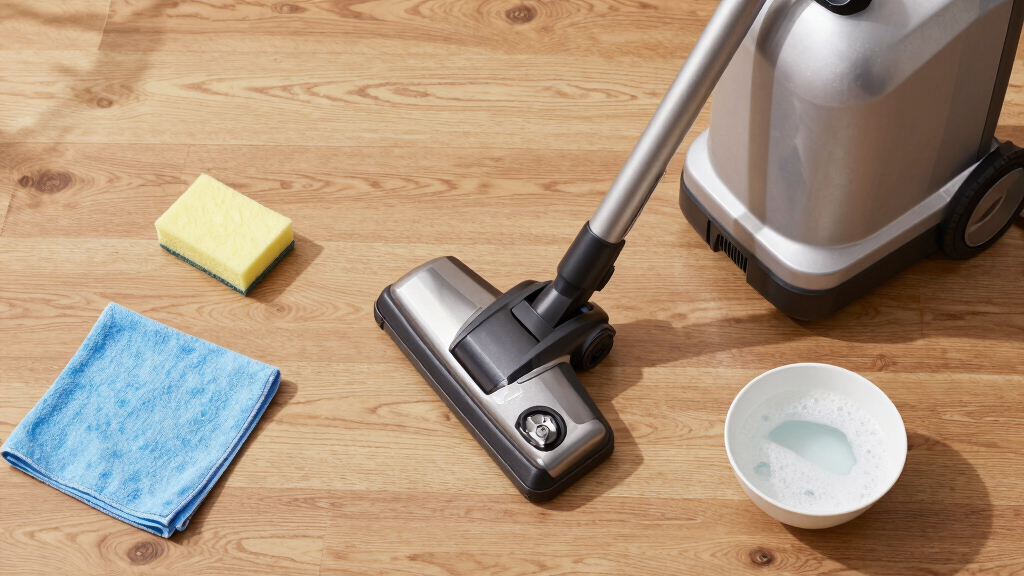
Use a handheld steam cleaner or a steam mop with adjustable steam levels and a narrow nozzle. These tools deliver targeted, controllable heat that softens paint without flooding your floors.
Look for models with a high steam output—around 30-40 grams per minute—for better results on thicker paint spots. A basic steam mop with a removable head can work, but a handheld device offers more precision.
For example, a steam cleaner with a precision nozzle allows you to target stubborn paint spots on ceramic tile, reducing the risk of over-wetting nearby areas.
steam mop with adjustable steam settings
As an affiliate, we earn on qualifying purchases.
As an affiliate, we earn on qualifying purchases.
Step-by-Step: How to Use Steam for Dried Paint Removal
- Clear the area: move furniture and rugs away.
- Test a small area: hold steam on a hidden spot for 10 seconds, wipe, and check for damage.
- Apply steam directly on the paint spot: hold the nozzle close, about 1-2 inches, and use gentle circular motions for about 15-20 seconds.
- Repeat as needed: reapply steam, especially on stubborn spots.
- Gently scrape if necessary: after softening, use a plastic scraper to lift the loosened paint.
- Wipe and dry: use a damp cloth to remove residue, then dry thoroughly.
For instance, on a vinyl floor with dried latex paint, following these steps over a 5-minute period can lift most spots without damage.
As an affiliate, we earn on qualifying purchases.
How to Handle Tough Paint Spots Without Damaging Your Floors
Some dried paint is stubborn—especially oil-based or thick latex. For these, combining steam with gentle scraping or using a specialized paint removal pad designed for steam cleaning can significantly improve results. The reason is that these paints form a more resilient film, and steam alone may not sufficiently soften them for removal. Incorporating gentle mechanical action helps break the bond between the paint and the surface, making it easier to lift.
Be cautious: too much pressure or high heat can harm delicate surfaces. Always start with low steam settings and test first.
For example, a plastic paint scraper combined with steam can lift oil-based paint on concrete, but on laminate, stick to gentle motions and lower steam levels.
tile and sealed surface steam cleaning
As an affiliate, we earn on qualifying purchases.
As an affiliate, we earn on qualifying purchases.
Post-Removal Tips: Keep Your Floors Safe & Clean
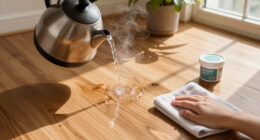
Once the paint softens and lifts, wipe the area with a clean, damp cloth to remove any residual paint and loosened debris. Dry the surface thoroughly to prevent moisture damage or warping.
If the floor is sensitive to moisture, consider using a microfiber cloth or towel for quick drying. Ventilate the room to help moisture evaporate faster.
A quick cleanup prevents water spots, streaks, or warping—especially on hardwood or laminate floors.
Latest Tech & Trends in Removing Dried Paint with Steam
Modern steam cleaners now feature adjustable steam controls, precision nozzles, and even eco-friendly options. These advancements allow for safer, more controlled paint removal without risking surface damage.
Some models include specialized pads for paint removal or hybrid functions combining steam with gentle abrasives. This synergy boosts effectiveness on stubborn spots.
Research also shows that newer steam units can remove up to 85% of water-based paint on sealed surfaces with minimal surface impact, making them a safer choice for DIYers.
Important Tips for Safe & Successful Steam Paint Removal
- Always test first: a small patch can prevent big mistakes.
- Use the lowest effective steam setting to avoid surface damage.
- Work in small sections: this keeps control and prevents over-wetting.
- Wear gloves and ventilate: steam can cause burns and moisture buildup.
- Combine with gentle scraping for tough spots—avoid forceful damage.
Frequently Asked Questions
Is steam cleaning safe for all types of floors?
No, it’s safest on sealed surfaces like tile, vinyl, and concrete. Avoid unsealed wood or delicate laminate, as excess moisture can cause damage.Can steam remove oil-based paint?
Steam works best on water-based paints like latex. Oil-based paints often need additional solvents or scraping to come off.How long does it take to remove dried paint with steam?
It varies, but most spots need about 2-5 minutes of targeted steam application, with multiple reapplications for stubborn areas.Do I need special equipment?
A handheld steam cleaner or a steam mop with adjustable settings and a narrow nozzle gives the best control for paint removal.Will steam damage my floor?
If used properly on suitable surfaces and with proper testing, steam should not damage your floors. Always start with a patch test.Conclusion
Steam can be a surprisingly gentle yet effective tool for removing dried paint—if you respect your floor’s limits. Remember to test, use appropriate equipment, and work patiently. Next time a paint mishap occurs, you’ll have a safe, chemical-free option at hand. Your floors will thank you for it.Flea & tick season Picks
flea and tick prevention
As an affiliate, we earn on qualifying purchases.