
TL;DR

Get cleaning gear delivered free with Prime
- Fast, free delivery on millions of items
- Prime Video, Amazon Music and more included
- Member-only deals all year
Damp-mop hard floors and vacuum carpets or rugs slowly with a well-maintained vacuum that has a sealed system and HEPA filtration. Choose low-odor products that you tolerate, follow the floor maker’s instructions, and leave the room if cleaning brings on symptoms. Floor care may reduce some settled particles, but no routine prevents asthma attacks or replaces your care plan.
A dry broom can make a dusty floor look clean while sending fine particles swirling through the sunlight. If you have asthma, that cloud may matter as much as the grit you can see.
A thoughtful cleaning routine for asthma focuses on removing settled dust without stirring up more or adding fumes that bother your airways. You’ll learn when to damp-mop, how to vacuum rugs with care, what to check before using a steam mop, and how to adjust the routine to your home. Cleaning can help manage some potential triggers; it does not treat asthma or guarantee that symptoms will stop.
Your floors are one part of the picture. A household might also need to address pet dander in upholstery, smoke, pests, or a damp patch near a leaky window. Start with the methods your floor can tolerate, use the least irritating products that work for you, and follow your clinician’s advice for asthma symptoms.
Damp-mop compatible hard floors with microfiber rather than dry-sweeping dust into the air.
For rugs and carpets, vacuum slowly and check that the machine’s sealed system and HEPA claims cover the whole vacuum, not just its filter.
Follow the floor maker’s care instructions, avoid standing water, and test a hidden area before trying a new method or product.
Choose the least irritating product that cleans effectively; fragrance-free is clearer than unscented for avoiding added fragrance, but labels cannot predict e…
Cleaning may remove some settled particles, but it cannot guarantee asthma control or replace a clinician-provided care plan.
A floor routine that limits dust without adding irritants
Damp-mop compatible hard floors and vacuum rugs slowly with a well-maintained, sealed HEPA vacuum. Cleaning can remove some settled particles, but it cannot prevent asthma attacks or replace your care plan.
Choose the method for the floor
Follow the floor maker’s instructions and remove dust without scattering it.
- Use a lightly damp microfiber mop instead of dry sweeping.
- Rinse or change the pad as it gets dirty; avoid standing water.
- Vacuum slowly in steady, overlapping passes.
- Check that the sealed system and HEPA claims apply to the whole machine.
Make the routine manageable
There is no universal cleaning schedule; adjust to dust, traffic, pets, and what you tolerate.
Read care instructions before using water, a cleaner, or steam; test a hidden area with a new method.
Damp-mop compatible floors and vacuum rugs at a steady pace.
Follow the maker’s guidance for filters, bags, bins, and brush rolls.
Prioritize high-traffic and visibly dusty areas; washable rugs may be easier to care for regularly.
Reduce cleaning exposure
Products and cleaning tasks can bother some people’s airways.
Choose cautiously
Use the least irritating effective product; fragrance-free is clearer than unscented, but labels cannot predict what you will tolerate.
Step away if needed
If cleaning brings on symptoms, ask someone else to clean when possible or leave the room until dust settles and the floor is dry.
Use a damp mop to pick up dust without sweeping it airborne
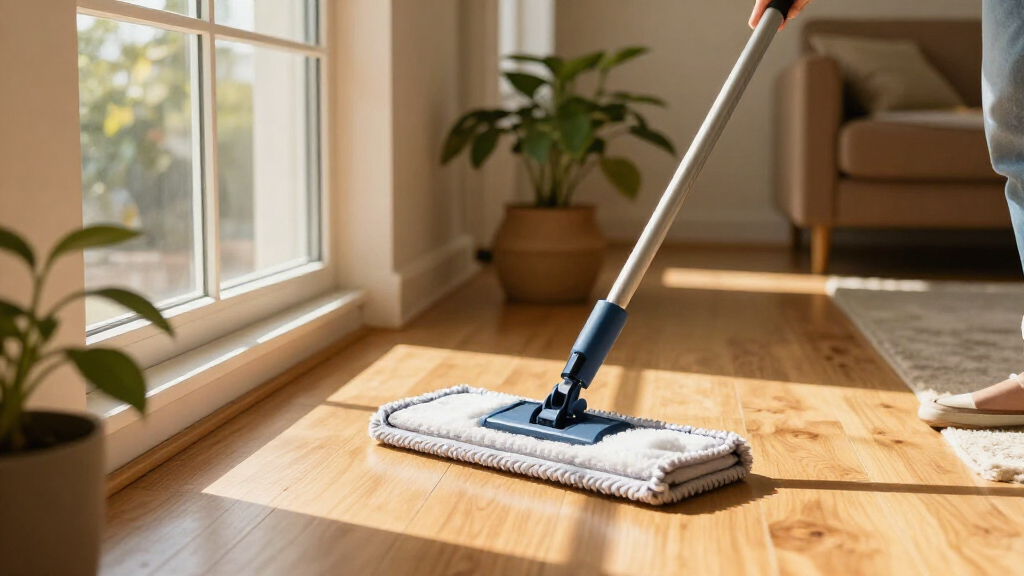
The best floor cleaning routine for asthma sufferers usually starts with regular dust removal using a damp microfiber mop on compatible hard floors. The moisture helps the cloth hold settled particles instead of flinging them into the air as a dry broom can. That distinction matters because sweeping may redistribute dust before you have a chance to remove it, while a damp pad collects it for disposal or rinsing. Follow the floor maker’s care instructions, and wring the mop well so you leave the floor clean rather than wet.
Think of a damp mop like a sticky note for dust: it picks up loose particles and holds them, while a dry sweep can scatter them. For example, if crumbs and pet hair gather beside the kitchen table, make a slow pass with a lightly damp pad rather than briskly sweeping them into a dust cloud. Rinse or change the pad as it gets dirty so you’re not dragging a gray streak across the room. A dirty pad can move particles from one area to another, so changing it is part of removing dust rather than simply shifting it.
For sealed tile or another floor labeled safe for damp cleaning, plain water may be enough for routine dust. If you need a cleaner, use a product allowed by the floor manufacturer and only as directed. Do not leave standing water, especially on wood, laminate, or vinyl seams; moisture can damage some surfaces, and the correct method varies by product and installation. A wetter mop is not necessarily more effective: it can lengthen drying time, leave residue, and increase the chance of moisture reaching vulnerable joints.
Dust can also collect beneath chairs and along baseboards, so include those spots when they need attention rather than repeating quick passes only through the middle. Cleaning those edges can reduce the dust available to resettle when people walk through the room, but it need not mean deep-cleaning every corner each time. A useful article about floor care should explain that cleaning removes some settled material, while avoiding irritating products can help limit another possible trigger. Your own symptoms and clinician’s advice still guide what changes make sense.
Products Worth Considering

Roborock Q7 M5+ Robot Vacuum and Mop with Self-Emptying Dock

Dreame L40 Ultra Gen 2 Robot Vacuum and Mop

Dreame D30 Ultra CE Robot Vacuum and Mop
As an affiliate, we earn on qualifying purchases.
Vacuum rugs slowly, and check more than the HEPA label
A HEPA-filtered vacuum with a sealed system may capture fine particles more effectively than many standard vacuums when you clean carpets and rugs. The filter is only one part of the machine, though: air can escape through gaps if the overall system is not designed to contain it. Check the manufacturer’s description and maintenance guidance, and don’t assume that the word “HEPA” means every allergen will disappear. The whole-machine design matters because captured dust is useful only if the vacuum keeps it contained as air passes through and leaves the machine.
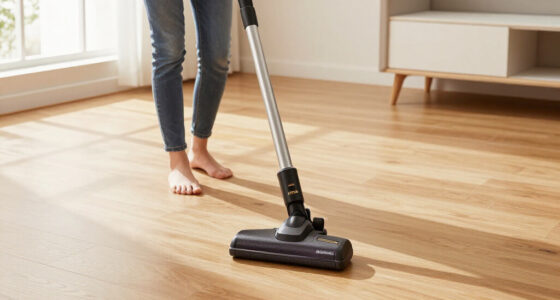
Move the vacuum at an even, unhurried pace so it has time to pick up debris. In a living room rug where a dog naps, for instance, vacuum the rug slowly in overlapping passes and follow the vacuum maker’s instructions for filter changes, bag replacement, and brush-roll cleaning. A clogged filter or packed bin can undermine performance, while a dirty brush may spread hair and grit around. Slower, consistent passes may take more time than a quick sweep, but they give the machine a better chance to collect what is embedded in the rug instead of leaving it behind.
If vacuuming brings on coughing or tightness, ask someone else to do it when possible. Otherwise, leave the room during cleaning and return after airborne dust has settled and the rug is dry. A washable rug can be easier to clean regularly than a heavy one that traps hair beneath a sofa, but check its washing instructions before laundering it. The practical choice is the one that lets you remove accumulated debris without repeatedly exposing yourself to a task that triggers symptoms.
Pet allergens do not live only on floors. Vacuuming may remove some settled dander and hair, yet particles can also remain in upholstery, bedding, and the air. If a rug near the couch seems to collect fur daily, more frequent care may help with visible buildup, but a wider trigger-control plan may be needed. Treating the rug as the only source can lead to extra vacuuming without addressing other places where dander settles.
Build a weekly rhythm that fits your household
There is no universal floor-cleaning schedule that works for everyone with asthma. Choose a manageable rhythm based on visible dust, foot traffic, pets, and the triggers you notice, then adjust if it helps or makes symptoms worse. A practical routine is one you can keep up without flooding a delicate floor or exposing yourself to fumes. The aim is to remove buildup before it becomes difficult to handle, while keeping the cleaning itself from becoming a frequent source of irritation.
For example, a household with two pets might damp-mop the kitchen and entryway often enough to keep paw prints and hair under control, then vacuum the washable living-room rug on a regular day when the person with asthma can be elsewhere. A quieter home with little dust might need less frequent work. These are household choices, not a medically established timetable. If dust is returning quickly, the cause may be traffic, pets, or another source; increasing every cleaning task may take effort without addressing what is replenishing it.
Try this simple sequence and adapt it to your flooring labels:
- Check the floor instructions before using water, cleaner, or steam. This avoids choosing a method that could damage the surface and create a harder-to-clean problem.
- Remove loose debris gently, using a suitable vacuum on rugs and a damp microfiber pad on compatible hard floors. This helps collect particles instead of scattering them.
- Clean high-traffic spots first, such as the doorway, feeding area, or path beside the couch. Focusing effort where dust accumulates can make a short routine more useful than treating every room equally.
- Use the least irritating cleaner that works, following its label and opening windows when appropriate. More product or a stronger scent does not necessarily mean a cleaner floor, and can add an avoidable irritant.
- Let floors dry fully before walking on them or returning to a room if cleaning triggers symptoms. Drying reduces lingering moisture and gives the room time to become comfortable again.
Reducing dust reservoirs can make this rhythm easier. A washable mat by a busy entrance, fewer items sitting on the floor, and regular dust removal near favorite chairs can save repeated sweeping. These changes reduce how much dirt reaches the floor or how much effort it takes to get underneath things. Keep the routine flexible; if the hallway stays gritty after rainy walks, it may need more attention than a rarely used guest room.
Pick cleaning products for low odor, not “natural” claims
Fragrance-free, low-odor products may suit people who react to scents or fumes, but no label guarantees a product will be comfortable for everyone. “Unscented” can still mean ingredients mask odors; fragrance-free is clearer for people seeking a product without added fragrance. Use only the amount needed, follow the label, and ventilate the room if that feels safe and practical. This approach can reduce avoidable exposure, though individual sensitivity varies and the product still needs to be suitable for the floor.
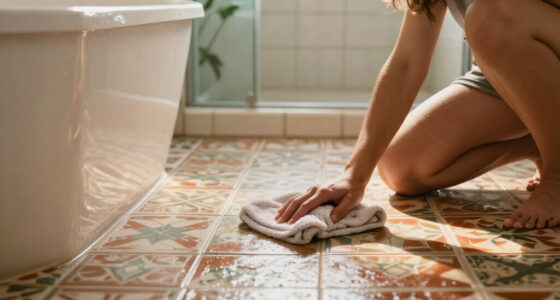
Imagine cleaning a small bathroom with the door shut and a strong lemon-scented spray: the scent may linger after the floor looks dry. If fragrances bother you, skip the spray and use a compatible, low-odor floor cleaner applied to a cloth or mop according to its label. Some sprays and strong fumes, including bleach or ammonia products, irritate some people’s airways. “Natural” oils or plant-based products can also trigger symptoms. A product’s source or marketing claim does not tell you how your airways will respond, so prior experience and cautious use matter more.
Never mix cleaning products. Bleach mixed with ammonia or acids can create dangerous gases. Keep products in their original containers, follow label directions, and store them away from children and pets. Ventilation helps reduce lingering odors, but it does not make unsafe mixing safe. Mixing products also makes the resulting exposure harder to predict, so use one cleaner at a time and rinse only as its label directs.
Different floors also need different care. A cleaner allowed for tile may harm a finish on hardwood or leave residue on vinyl. Before changing products, check the surface manufacturer’s instructions and try the method on a hidden area. If a product repeatedly brings on symptoms, stop using it and discuss recurring reactions with a healthcare professional rather than trying stronger cleaners. Stronger products can increase fumes without solving the reason the first product bothered you.
Treat steam mops as a surface question, not an asthma shortcut
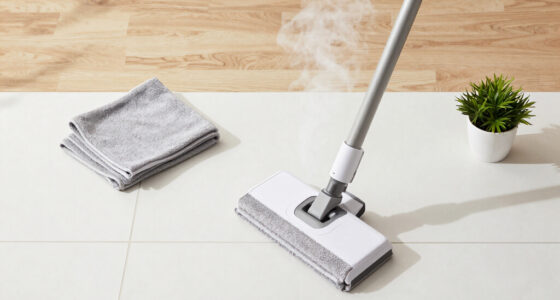
A steam mop is not an asthma treatment, and steam is not automatically safer than damp microfiber cleaning. Its heat and moisture may suit some sealed floors but can damage others, while added humidity can bother some people. Always check the flooring manufacturer’s instructions and the steam-mop manual before use. Because floor construction and finishes differ, appearance alone cannot tell you whether a surface can tolerate repeated heat or moisture.
Consider a home with laminate flooring: the surface may look sturdy, yet heat or moisture can affect seams or the finish, depending on the product. The same caution applies to hardwood and vinyl or LVP, where manufacturer guidance varies. If steam is permitted, test a hidden area first, keep the mop moving as directed, and avoid lingering over seams. Stop if the surface changes color, swells, or develops a dull patch. A small test can reveal an immediate problem, but it does not override a maker’s warning or prove long-term use is harmless.
For routine dust, a well-wrung microfiber mop may be a simpler fit on a compatible hard floor. It doesn’t create a plume of dry debris, and you can control how damp the pad is. On the other hand, a sticky spill may need an approved cleaner rather than water alone. Match the method to the mess and floor instructions instead of assuming hotter means cleaner; steam adds heat and moisture, but those do not necessarily improve routine dust removal.
If heat or humidity worsens your symptoms, skip steam and leave the room during any cleaning that irritates you. A person with asthma can ask someone else to clean when possible, then return once the area is dry and the air feels comfortable. No floor method replaces prescribed asthma care.
Look beyond the floor when dust or dampness keeps returning
Floor cleaning handles only part of indoor air quality. Dust and pet dander can settle on floors, but smoke, pests, ventilation, humidity, and water damage also affect the home environment. If you keep finding a musty smell or a damp patch near a wall, another mop pass will not fix the underlying moisture. Repeatedly cleaning the visible result without finding the source can consume time while the same condition keeps returning.
For example, a rug that smells musty after rainy days may sit over a floor that never dries fully. Clean spills promptly, let the area dry, and investigate a recurring leak or persistent dampness. Visible mold or repeated water damage deserves attention to its cause; wiping the floor without addressing moisture can leave the problem in place. Removing a rug temporarily may help the floor dry and make the source easier to inspect, but it does not repair a leak or resolve ongoing dampness.
Reducing clutter can make dust management less tiring. A washable runner at the entrance catches some grit, while keeping bags and laundry off the floor makes it easier to mop beneath them. Regular dust removal near the bed or sofa can focus effort where people spend more time. A portable air cleaner may help with airborne particles in some settings, but it does not replace source control or floor care. Each measure addresses a different part of the problem, so a cleaner floor alone may not change exposure if particles continue to come from elsewhere.
Cleaning can remove some settled dust and allergens, but research does not establish one floor-cleaning regimen as a reliable asthma treatment. These steps may help reduce asthma triggers for some people; they cannot promise fewer attacks. If symptoms persist, talk with a healthcare professional about suspected triggers and an asthma action plan.
Frequently Asked Questions
How often should I clean floors if I have asthma?
There is no single schedule for every person. Clean often enough to manage visible dust and traffic, adjusting for pets, known triggers, and how you feel after cleaning. A steady, manageable routine is more useful than forcing a rigid timetable.
Is vacuuming or mopping better for asthma?
It depends on the surface. Vacuum carpets and rugs with a suitable, well-maintained vacuum; damp-mop compatible hard floors to pick up settled dust without dry sweeping. Leave the room if either task brings on symptoms.
Does a HEPA vacuum help with asthma?
A vacuum with HEPA filtration and a sealed system may capture fine particles more effectively than many standard vacuums. The filter label alone does not prove the whole machine is sealed or that it removes every allergen, and a vacuum is not an asthma treatment.
Are steam mops safe for laminate, hardwood, or vinyl?
Compatibility varies by floor and product. Read the flooring and steam-mop instructions, and test a hidden area first if steam is permitted. Avoid steam if the maker advises against it or if heat and humidity worsen your symptoms.
Which floor-cleaning products should I use?
Use a product approved for your floor and tolerated by you, in the amount directed on the label. Fragrance-free, low-odor products may help if scents bother you, but “natural” does not guarantee non-irritating. Never mix cleaners, especially bleach with ammonia or acids.
What should I do if cleaning makes my asthma symptoms worse?
Stop the cleaning exposure, move away from the irritant, and follow your asthma action plan. If cleaning repeatedly brings on symptoms, discuss it with a healthcare professional and consider having someone else clean or leaving the room until the floor is dry and dust has settled. Follow emergency guidance for severe breathing difficulty.
Conclusion
Keep the routine simple: damp-mop compatible hard floors, vacuum rugs carefully, and use products your airways tolerate. Check the floor instructions before water or steam, and step away if cleaning triggers symptoms. That steady care can lift some dust from the places where it settles, but your asthma plan belongs with you and your healthcare professional.
Let the floor dry, let the room air out, and come back when it feels comfortable—no cloud of dust, no sharp chemical smell, just a clean path underfoot.