TL;DR
Play games included with Prime
Start a Prime free trial and play with Amazon Luna on your devices.
Start playingAs an affiliate, we earn on qualifying purchases.
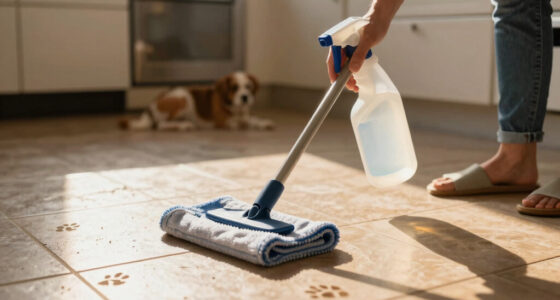
Cleaning sticky kitchen floors starts with identifying the cause and choosing the right solution. Regular maintenance and simple methods like steam cleaning or vinegar help keep floors residue-free long-term.
If your kitchen floor feels sticky every time you walk across it, you’re not alone. Sticky floors can turn a warm, inviting space into a frustrating mess. But don’t worry—this isn’t about harsh chemicals or complicated tricks.
Today, you’ll learn straightforward, effective ways to banish that stickiness for good. We’ll cover what causes it, how to tackle it safely, and how to keep your floors smooth and clean in the long run. No hype, just honest, practical advice you can trust.
Identify the cause of stickiness before choosing a cleaning method to avoid damage.
Use gentle, natural solutions like vinegar and water for most residues, testing first on a hidden spot.
Steam cleaning can be safe and effective on sealed floors but avoid it on unsealed wood or natural stone.
Prevention—quickly wipe spills and regularly clean your floors—keeps sticky residues from building up.
Always test new cleaners or methods on a small, hidden area first to prevent surface damage.
How to Clean Sticky Kitchen Floors for Good
If your kitchen floor feels tacky underfoot every time you cross it, you’re not alone. This guide breaks down what causes sticky residue, which solutions actually work, and the simple habits that keep floors smooth and residue-free long-term — honest, practical advice only.
of stubborn sticky residue buildup on kitchen floors is preventable with regular cleaning using mild solutions — making deep cleans less frequent and far easier, according to cleaning experts.
Identify What’s Causing Your Floor to Stick
Before grabbing the mop, figure out what’s making your floor sticky. Each culprit demands a slightly different approach — matching the cause to the method saves time and protects your flooring.
Honey & Syrup
Sugar hardens fast into a persistent tacky layer if not cleaned promptly. Scrape excess with a plastic spatula, then mop with warm soapy water.
Cooking Oils
Grease seeps into the surface and bonds tightly. Acetic acid in vinegar dissolves fats and oils — or use a commercial degreaser for baked-in films.
Cleaner Buildup
Leftover soap or vinegar film attracts more dirt. Always finish with a clean-water rinse and dry thoroughly to prevent new stickiness.
Choose the Right Cleaning Solution
Not all cleaners are created equal. Match the solution to the residue — and to your floor type — to clean thoroughly without compromising your floor’s finish.
| Solution | Best For | Stone / Hardwood | Vinyl / Tile / Laminate | Notes |
|---|---|---|---|---|
| Mild dish soap + warm water | General cleaning, light stickiness | ✓ Safe | ✓ Safe | Gentle on most surfaces — the everyday default |
| Vinegar + water (50/50) | Grease, stubborn sugary residues | ✗ Avoid | ✓ Safe | Acidity can etch stone and dull hardwood finishes |
| Steam mop | Deep clean, sanitizing, crevices | ✗ Avoid | ~ Sealed only | Never on unsealed wood or natural stone |
| Commercial degreaser | Heavy grease, baked-in residue | ~ Test first | ~ Test first | Powerful but may affect sensitive surfaces & air quality |
| Baking soda | Deodorizing only | ~ Limited | ~ Limited | Great for odors, less effective on sticky residue |
Clean It Properly — Without Making It Worse
Follow this sequence every time. Proper technique and a little patience preserve the finish, extend your floor’s lifespan, and stop the stickiness from returning quickly.
Sweep / Vacuum
Remove loose debris first to prevent scratching while mopping
Dampen the Mop
Damp, never soaked — just enough to pick up residue
Mop Slowly
Circular motions on sticky spots with gentle pressure
Rinse Often
Clean the mop frequently so dirt isn’t spread back around
Final Rinse
Clean-water pass removes leftover soap or vinegar film
Dry Thoroughly
Towel or microfiber dry prevents spots, streaks & new tack
Spot Scrub
Soft-bristled brush lifts stubborn patches safely
Steam Cleaning: Safe, Effective, Chemical-Free
High-temperature steam loosens grime, dissolves stubborn spots, and kills bacteria — no chemicals required. It deep-cleans pores and crevices that mops miss, making it a sustainable monthly habit. But floor type matters:
Prevent Future Stickiness with Simple Habits
Prevention beats cleaning. Consistently removing early-stage residues stops a sticky film from forming, extends the intervals between deep cleans, and ultimately saves you time and effort.
Wipe Spills Instantly
Don’t let sticky messes sit and harden — a nearby microfiber cloth makes it a ten-second job
Use Entry & Sink Mats
Place mats at doorways and in front of the sink to catch drips in high-traffic zones
Weekly Clean Routine
One sweep and mop per week with a mild cleaner stops residues from accumulating
Monthly Steam Refresh
A once-a-month steam clean delivers a deep, residue-free refresh — no chemicals
Quick Tips for Slick-Free Floors
Clean spills immediately — waiting lets them dry, harden, and bond to the surface.
Avoid harsh chemicals that can strip or discolor your floor’s finish over time.
Keep mops barely damp — excess water seeps into seams, cracks, and unsealed edges.
Always spot-test new cleaners on a hidden area before full use to prevent damage.
Remove syrup smartly — scrape excess with a plastic spatula, then mop with warm soapy water.
Never soak hardwood — different flooring materials need different cleaning approaches.
Identify What’s Causing Your Floor to Stick
Before grabbing the mop, figure out what’s making your floor sticky. Common culprits include spilled food, grease splatters, soap residue, or sugary spills like honey or syrup. Each needs a slightly different approach.
Understanding the specific cause is crucial because it influences your choice of cleaning method. For example, sugary spills tend to harden quickly and can create a persistent sticky layer if not cleaned promptly. Grease, on the other hand, seeps into the surface, requiring stronger degreasers or vinegar solutions to break down the bonds. Recognizing the culprit helps you avoid ineffective cleaning efforts and prevents unnecessary wear on your floors by using inappropriate cleaners. It also allows you to tailor your approach, saving time and effort in the long run—important for maintaining the integrity and appearance of your flooring material.
As an affiliate, we earn on qualifying purchases.
Choose the Right Cleaning Solution for Your Floor
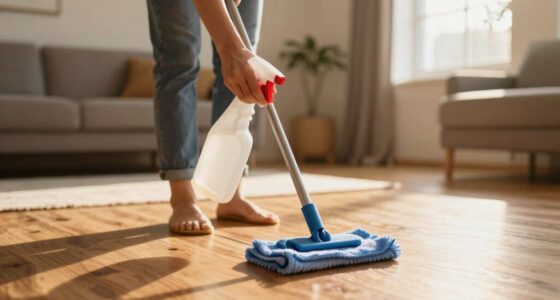
Not all cleaners are created equal—especially for kitchen floors. Mild dish soap mixed with warm water often works well for everyday stickiness. For tougher residues, a vinegar and water mix can cut through grease and sticky sugary spills.
Here’s a quick comparison:
| Solution | Best For | Notes |
|---|---|---|
| Mild dish soap + warm water | General cleaning, light stickiness | Safe for most surfaces, gentle |
| Vinegar + water (50/50) | Grease, stubborn residues | Avoid on natural stone or hardwood without testing |
| Commercial degreaser | Heavy grease, baked-in residues | Follow manufacturer instructions carefully |
Choosing the right solution involves understanding the nature of the residue and the type of flooring. For instance, vinegar is effective at breaking down greasy build-up because acetic acid dissolves fats and oils, making it easier to wipe away. However, vinegar’s acidity can damage natural stone or hardwood finishes over time, so testing on a small, inconspicuous area first is essential. Similarly, commercial degreasers contain chemicals that can be very effective but may also pose risks to sensitive surfaces or indoor air quality. The tradeoff often lies in balancing cleaning power with potential surface damage or environmental considerations. Making an informed choice ensures thorough cleaning without compromising your floors’ longevity or appearance.
steam mop for sealed hardwood floors
As an affiliate, we earn on qualifying purchases.
As an affiliate, we earn on qualifying purchases.
How to Properly Clean Your Floor Without Making It Worse
Follow this step-by-step process to clean sticky floors effectively:
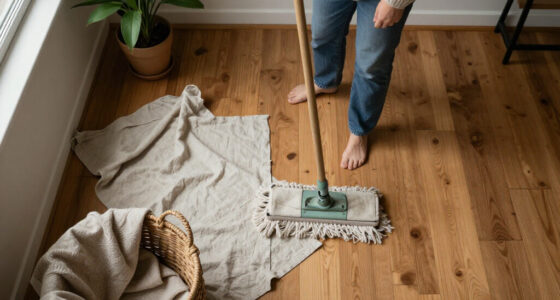
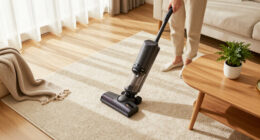
- Sweep or vacuum first—removing loose debris prevents scratching during mopping.
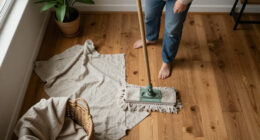
- Dampen a mop or cloth with your chosen solution—don’t soak it, just damp enough to pick up residue.
- Mop slowly, focusing on sticky spots. Use a circular motion to lift residues, applying gentle pressure to avoid damaging delicate surfaces.
- Rinse your mop frequently in clean water to avoid spreading dirt back on the floor.
- Finish by going over the floor with clean water to remove any leftover soap or vinegar film, which can attract more dirt if left on the surface.
- Dry the floor thoroughly with a clean towel or microfiber cloth to prevent water spots, streaks, and the formation of new sticky residues caused by residual moisture.
For stubborn spots, a gentle scrub with a soft-bristled brush can help lift residues without damaging the surface. This extra effort ensures that residues are fully broken down and removed, preventing that sticky feeling from returning quickly. Proper technique and patience during cleaning help preserve the finish and appearance of your floors, extending their lifespan and maintaining a spotless look.
As an affiliate, we earn on qualifying purchases.
Steam Cleaning: Is It Safe and Effective?
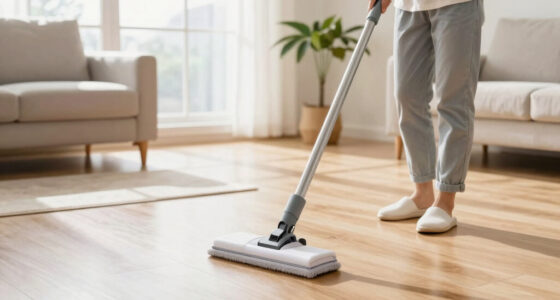
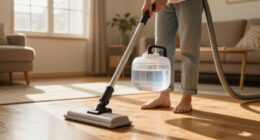
Steam cleaning is a powerful way to lift sticky residues without chemicals. It works by blasting high-temperature steam that loosens grime and kills bacteria.
For most vinyl, tile, and sealed laminate floors, steam mops are safe if used according to manufacturer instructions. They can dissolve stubborn spots, making your floors look fresh again.
However, avoid steam mops on unsealed wood or natural stone, as excess moisture can cause damage. Always test a small area first.
Using steam cleaning regularly can help prevent the buildup of residues by deep-cleaning pores and crevices that mops or traditional cleaning solutions might miss. This method offers a chemical-free alternative that kills germs and dissolves stubborn residues, but it requires caution to avoid water damage or warping. When used properly, steam cleaning can be a sustainable, effective part of your floor maintenance routine, reducing the need for harsh chemicals and frequent scrubbing.
floor scrubber brush for kitchen tiles
As an affiliate, we earn on qualifying purchases.
As an affiliate, we earn on qualifying purchases.
Prevent Future Stickiness with Simple Habits
Prevention beats cleaning. Keep your kitchen floor pristine by wiping up spills immediately—don’t let sticky messes sit and harden. Place mats at entry points and in front of the sink to catch drips.
Regular sweeping and mopping once a week stops residues from building up. Use a mild cleaner suited for your floor type, and avoid overly wet mops that can seep into seams or cracks.
For example, a busy mom notices her toddler’s sticky fingers leave a trail. She keeps a microfiber cloth nearby, quickly wiping spills before they settle in. That small habit not only keeps her floors cleaner but also prevents the residues from accumulating into stubborn, hard-to-remove layers. Consistently removing early-stage residues prevents the formation of a sticky film and extends the intervals between deep cleanings, ultimately saving time and effort.
Quick Tips for Keeping Your Floors Slick-Free
- Clean spills as soon as they happen—don’t wait for them to dry and harden.
- Use mats in high-traffic areas to catch dirt and sticky residues.
- Opt for steam cleaning once a month for a deep, residue-free refresh.
- Avoid harsh chemicals that can strip or discolor your floor surface.
- Test new cleaning solutions on a hidden spot before full use.
Frequently Asked Questions
What’s the best way to remove sticky syrup or honey from my floor?
Start by gently scraping off excess syrup with a plastic spatula or cloth. Then, mix warm water with a few drops of dish soap and mop the area. For stubborn spots, a vinegar and water solution works wonders. Always test on a hidden spot first.
Can I use baking soda to clean sticky floors?
Baking soda is great for deodorizing but less effective for sticky residues. It can be combined with water to form a paste for scrubbing stubborn spots, but usually, a mild soap or vinegar solution is more straightforward. Always test first to avoid scratching your floor.
How often should I clean my kitchen floor to prevent stickiness?
Wipe up spills immediately and sweep at least twice a week. Deep clean with a mop and suitable cleaner once a week, especially in high-traffic areas. Regular maintenance prevents residues from turning into stubborn, sticky buildup.
Are eco-friendly cleaners effective for sticky residues?
Yes, natural solutions like vinegar, baking soda, and mild dish soap are effective and safe. They cut through grease and sticky spills without harsh chemicals, making them ideal for eco-conscious cleaning routines.
How do I prevent my kitchen floor from becoming sticky again?
Quickly wipe up spills before they dry or harden. Use mats to catch drips, and regularly sweep and mop with gentle cleaners. Consistency is key—keeping residues at bay is easier than cleaning stubborn build-up later.
Conclusion
Keeping your kitchen floors sticky-free isn’t about harsh chemicals or endless scrubbing. It’s about understanding what causes that residue, using the right method, and staying consistent. A simple routine makes stubborn stickiness a thing of the past.
Imagine walking barefoot across a clean, smooth floor—no tackiness, no worries. Just the fresh scent of a well-maintained kitchen. Keep it simple, stay vigilant, and your floors will thank you for it.
NFL season / tailgating Picks
team gear
As an affiliate, we earn on qualifying purchases.