TL;DR

Get cleaning gear delivered free with Prime
- Fast, free delivery on millions of items
- Prime Video, Amazon Music and more included
- Member-only deals all year
To clean floors with limited mobility, clear a dry route, use a lightweight long-handled tool, and work on one small area at a time. Skip heavy buckets and long reaches, check care instructions before using water or steam, and stay off damp floors until they are fully dry.
Keep a clear, dry route open and stay off damp flooring until it is fully dry.
Try a lightweight long-handled mop, dry microfiber pad, or spray mop based on your grip, reach, and balance.
Break cleaning into short sessions and prioritize spills and the paths you use most.
Check flooring and cleaner instructions before applying water, vinegar, heat, or steam; test a hidden area when uncertain.
Ask for help with stairs, heavy furniture, deep cleaning, or tasks that make you feel unstable.
Clean floors with limited mobility safely and simply
A clear, dry route and lighter tools can make floor care easier. Focus on small tasks that fit your energy and abilities.
Set up a safer route
Make the path to your supplies and the area you’ll clean clear and dry before starting.
Move cords and loose objects; secure or remove rugs.
Avoid carrying items while using a cane, walker, or wheelchair.
Clean a small section and wait until it is fully dry before walking or rolling over it.
Choose tools that reduce effort
Match the tool to your grip, reach, balance, and flooring.
| Tool | Can help with | Check first |
|---|---|---|
| Dry microfiber mop | Dust, hair, and crumbs | Whether you can change the pad |
| Spray mop | Small damp cleanups without a bucket | Trigger pressure and floor instructions |
| Mop with a wringer | Reducing hand squeezing | Weight and stability |
Make the task manageable
Prioritize the areas you use most, and stop before fatigue builds.
- Spot-clean spills promptly.
- Dry-mop dust and debris.
- Clean one small area at a time.
- Stairs and heavy furniture.
- Deep cleaning or tasks that feel unsafe.
- Work that makes you feel unstable.
Check the floor and product
Floor finishes vary, and excess moisture, heat, or unsuitable cleaners can cause damage.
- Follow flooring and cleaner instructions before using water, vinegar, or steam.
- Test a hidden area if you’re unsure.
- Never mix cleaning products; ventilate the room and follow label directions.
Set up a dry, clear route before you start
Start floor cleaning by making a clear, dry route to the supplies and the area you plan to clean. Move cords and loose objects out of the walkway, secure or remove loose rugs, and wear shoes with a stable, non-slip sole. A shiny wet patch can be harder to spot than a toy on the floor, so prevent trips before you bring out a damp mop. Imagine cleaning the kitchen between the sink and the table. If your walker has to cross a wet patch to reach the exit, the mop has made the room less safe. Instead, clean a small area while keeping a dry route open, then let that section dry before moving on. If you use a cane or walker, avoid carrying a bottle or pad in the hand you need for balance; put supplies within easy reach first.Use a stable chair or other suitable resting place nearby if sitting helps. Don’t lean far from a chair, walker, or wheelchair to reach the floor. If the room’s layout forces you to stretch or step onto damp flooring, change the plan or ask someone to help. Falls come first; a missed patch can wait.Keep one dependable dry route open. A clean floor is less useful if you have to cross a slippery one to leave the room.
Products Worth Considering

Sonos Arc Ultra Soundbar with Dolby Atmos, Black

Coway Airmega AP-1512HHS Smart Air Purifier, Black

Samsung 48 4K OLED Smart TV (2026) with WireLogic 8ft Ultra High Speed HDMI Cable
As an affiliate, we earn on qualifying purchases.
Choose a mop that cuts down on bending and lifting
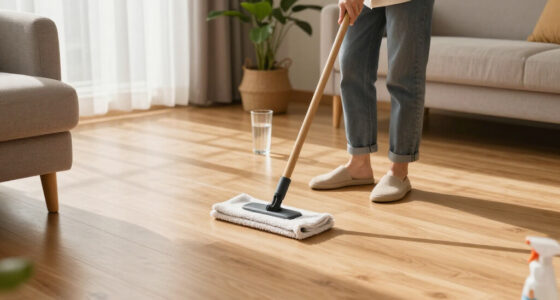
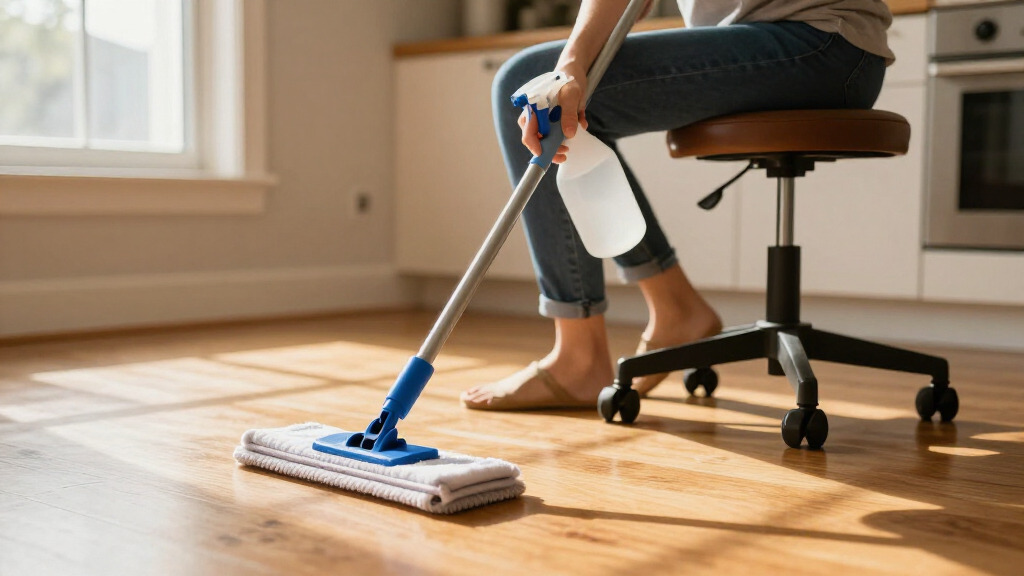
For many people, a lightweight flat mop with a long handle makes everyday floor care easier because it lets you guide a pad without bending to the floor. The best tool depends on your grip, balance, reach, and ability to change or dampen the pad. A handle that feels comfortable while standing may be awkward from a wheelchair, so try to match the tool to the way you actually clean.| Tool | Can help with | Check before choosing |
|---|---|---|
| Dry microfiber flat mop | Dust, hair, and crumbs with little effort and no bucket | Whether you can attach and remove the pad |
| Spray mop | Small damp cleanups without carrying a bucket | Trigger pressure, refill access, and surface instructions |
| Mop with a wringer | Wringing with less hand squeezing | Weight, stability, and how much water you still need to move |
Clean floors in short steps that protect your energy
To clean floors with limited mobility, split the work into short steps and finish one manageable area before starting another. This keeps the task easier to stop and makes it less likely you’ll need to cross wet flooring. If you’re using a cane, walker, or wheelchair, set up supplies first so you won’t have to carry them while moving.- Choose one priority area. Start with a frequently used path, such as the route between the bed and bathroom.
- Clear reachable clutter. Move light objects only if you can do so without bending or losing balance; leave heavy items for assistance.
- Dry-clean first. Use a microfiber dust mop to collect hair, dust, and crumbs without water.
- Damp-clean a small section if needed. Follow the floor and cleaner labels, apply only the amount of moisture the surface allows, and keep a dry way out.
- Pause and let it dry. Rest before fatigue builds, and don’t walk or roll over the damp area until the floor is fully dry.
Match water, cleaner, and steam to the floor
Use water, cleaner, vinegar, or steam only when the flooring and product manufacturers allow it. Floor finishes vary, and excess moisture, heat, or an unsuitable cleaner can damage some wood, laminate, vinyl, or luxury vinyl plank. A floor that looks sealed from above may still have seams or a finish that does not tolerate repeated wet cleaning. Check the floor’s care instructions and the cleaner label before you begin. If the instructions allow the product but you’re unsure about the finish, test a hidden area first and let it dry before judging the result. Never mix cleaning products, especially bleach with ammonia or acids. Ventilate the room, follow label directions, and choose a fragrance-free product if strong scents bother you. For instance, a spill near a vinyl plank seam may call for prompt spot-cleaning with a lightly damp cloth, while a wood floor’s instructions may limit how much moisture you use. A steam mop is not automatically suitable just because a floor is hard; heat and moisture can be a poor match for some surfaces. Follow the flooring maker’s guidance, and keep the pad only as damp as the permitted method calls for. If you feel dizzy, develop pain, or notice that your footing is unsteady, stop and sit somewhere safe. Cleaning advice can help with routine choices, but persistent pain or balance problems call for guidance from a healthcare professional or occupational therapist.Let low-effort tools handle routine dust and hair
A dry microfiber mop can collect dust, hair, and crumbs without a bucket, which makes it a practical first pass for many everyday messes. Depending on the floor and pad instructions, you may not need cleaning solution for that routine pickup. A spray mop or small refillable bottle can handle a few sticky marks without asking you to carry a full bucket across the room. Robot vacuums and mops may help maintain open, level floor areas, but they still need attention. Someone has to empty them, clean their parts, and handle cords, rugs, thresholds, and clutter that can block their route. A robot can run through a clear living room while you rest; it may be far less useful in a kitchen full of chair legs or in a home with raised door sills. Choose tools around the task and your abilities. A washable pad may reduce disposable waste over time, but only if you can safely remove it and place it in the laundry. A spray trigger may save lifting but strain arthritic fingers. Keep frequently used supplies on a reachable shelf rather than under the sink, where retrieving them could require painful bending. Convenience is personal: the useful tool is one you can operate and maintain safely.Decide what to clean today—and when to get help
Set cleaning priorities by safety and use: wipe up spills promptly, maintain frequently used paths, and leave strenuous or infrequent jobs for another day or another person. There is no single schedule that suits every home. Pets, dust, allergies, household activity, the floor itself, and your available energy all affect how often a space needs attention. Say you have enough energy for one short session before lunch. Cleaning the route from the bedroom to the bathroom may matter more than reaching dust under a heavy sofa. You can spot-clean a mark near the sink, then leave furniture moving or a full-room scrub for a family member, caregiver, or paid cleaning service. Avoid cleaning stairs, lifting heavy furniture, or reaching from an unstable position if the task feels unsafe. Ask an occupational therapist about home adaptations if arthritis, weakness, vision changes, balance problems, or wheelchair use make a routine difficult. They can suggest approaches suited to your home and abilities. If cleaning brings on pain, dizziness, or fatigue, stop and rest; persistent symptoms deserve advice from a healthcare professional. Getting help is a practical choice when a task requires heavy lifting, unsafe reaching, or working across a wet floor. A floor can wait; your safety can’t.Frequently Asked Questions
What is the easiest mop to use if I have trouble bending or standing?
Many people find a lightweight flat mop with a long handle easier to guide without bending. The right choice depends on grip strength, balance, reach, and whether you can safely attach or change the pad, so check those details before choosing.
How can I clean floors without carrying a bucket?
Use a dry microfiber mop for routine dust and hair, or try a spray mop for small damp cleanups if its trigger and refill system work for you. Keep supplies within easy reach, especially if you use a cane, walker, or wheelchair.
Is a robot vacuum or mop a good option?
It can reduce routine work on clear, level floors, but someone still needs to empty and maintain it. Check whether cords, loose rugs, clutter, or thresholds will block it, and whether you can manage its upkeep safely.
Can I use vinegar or steam on my floors?
Only if your flooring manufacturer allows it. Excess moisture, heat, or acidic cleaners can harm some finishes and materials, including certain wood, laminate, and vinyl floors. Check the care instructions and test a hidden area first when unsure.
What should I do if cleaning causes pain or fatigue?
Stop and rest before pain or fatigue makes your footing less steady. Break the chore into shorter sessions; if symptoms persist or you feel dizzy or unstable, ask a healthcare professional or occupational therapist about adaptations.
When should I ask someone else to clean?
Ask for help with stairs, moving furniture, deep cleaning, heavy lifting, or unsafe reaching. A caregiver, family member, or cleaning service can take on the parts that make the floor task risky while you handle lighter routine upkeep.