TL;DR

Get cleaning gear delivered free with Prime
- Fast, free delivery on millions of items
- Prime Video, Amazon Music and more included
- Member-only deals all year
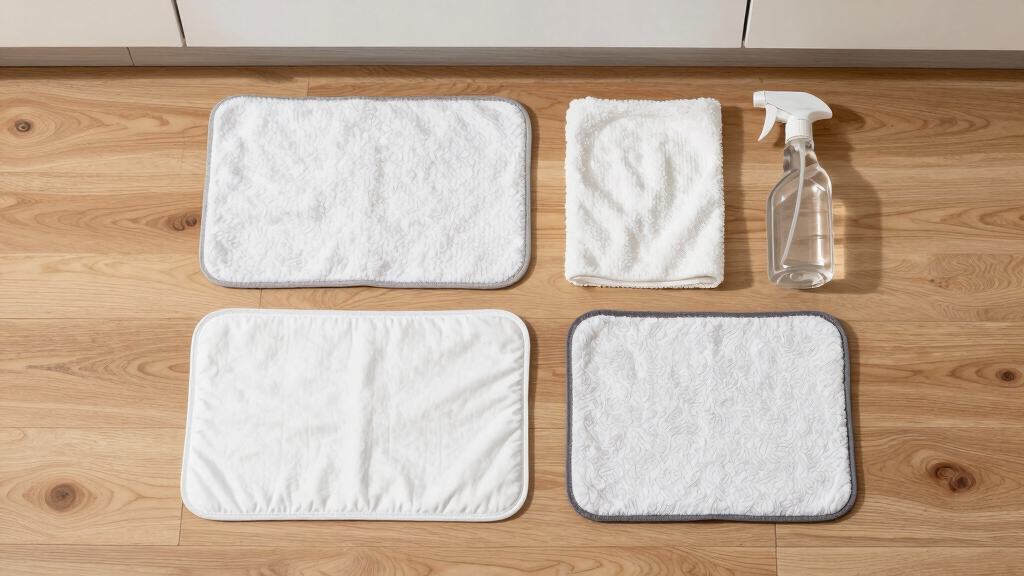
Most households find 2-3 microfiber steam mop pads enough for regular cleaning. Reusable pads are economical and eco-friendly, but their lifespan depends on proper care. Having extras ensures you’re always ready for a quick refresh.
Most households only need 2-3 microfiber pads for regular cleaning.
Proper care extends the life of reusable pads, saving money and waste.
Disposable pads are convenient but cost more and generate more trash over time.
Always check your steam mop model’s compatibility before buying pads.
Invest in quality microfiber to improve cleaning and reduce frequency of replacements.
Steam Mop Pads: How Many Do You Actually Need?
The sweet spot is smaller than your cleaning drawer thinks.
TL;DR: Most households only need 2-3 high-quality microfiber steam mop pads for regular cleaning. Add extras for pets, children, heavy traffic, or frequent deep cleans, then extend pad life with proper washing and drying.
“Clean smart, rotate often, waste less.”
Reusable microfiber pads balance cleaning power, cost control, and lower trash output.
Choose by routine, not by shelf space.
Steam mop pads come in three common formats. The right pick depends on how often you clean, how much maintenance you tolerate, and whether convenience or waste reduction matters more.
Microfiber pads
Strong dirt pickup, good absorbency, and reliable trapping power make microfiber the default choice for most sealed floors.
Reusable pads
Washable pads cost less over time and reduce landfill waste, especially when rinsed, washed, and dried correctly.
Disposable pads
Good for quick one-off messes, but recurring use adds cost and trash faster than most households expect.
Your ideal number rises with mess frequency.
Think of pads as a rotation system: one in use, one drying or waiting, and one backup. Larger or messier households benefit from a deeper bench.
Recommended pad inventory
Decision pressure scale
Reusable microfiber wins for repeated cleaning.
Disposable pads still have a role for fast messes, but routine cleaning usually favors washable microfiber on both cost and waste.
| Feature | Reusable microfiber pads | Disposable pads | Verdict |
|---|---|---|---|
| Cost over time | ✓ More economical because each pad can be washed and reused many times. | ✗ Costs accumulate with every cleaning session. | Reusable |
| Environmental impact | ✓ Lower waste through repeat use and fewer replacements. | ✗ Single-use format adds more landfill waste. | Reusable |
| Convenience | ~ Requires rinsing, washing, and drying. | ✓ Fast cleanup with no laundering afterward. | Depends |
| Durability | ✓ Can last through many washes with proper care. | ✗ Designed for one cleaning session. | Reusable |
| Cleaning quality | ✓ Microfiber traps dirt and debris efficiently when maintained. | ~ Useful for surface messes but less durable. | Microfiber |
Make fewer pads last longer.
Reusable pads save money only when they stay absorbent and intact. Treat the fibers gently and replace pads when they stop trapping dirt effectively.
Rinse after use
Remove loose dirt and debris before grime settles deep into the fibers.
Wash gently
Use warm water and mild detergent. Skip bleach and fabric softener.
Dry fully
Air dry or tumble low. Avoid high heat that can damage microfiber.
Inspect regularly
Replace torn, frayed, stained, or underperforming pads promptly.
A cleaner decision chain.
Start with compatibility, then choose material, count, maintenance effort, and replacement timing. That path prevents both underbuying and clutter.
Best default setup
Buy three compatible microfiber pads: one active, one clean spare, and one in the wash or drying. Upgrade to four or five if floors get dirty quickly.
Recent improvements
Newer options include better microfiber blends, washable eco-friendly designs, higher absorbency, antimicrobial finishes, and improved fit systems.
What types of steam mop pads should you consider?
Steam mop pads come in three main types: microfiber, disposable, and reusable. Microfiber pads are the most popular—effective at trapping dirt and bacteria. Disposable pads offer convenience, especially for quick cleanups, but they generate waste. Reusable pads are washable, eco-friendly, and tend to last longer if cared for properly.
Choosing the right type impacts not only your cleaning efficiency but also your environmental footprint. Microfiber pads, for example, trap more dirt and bacteria, which means fewer passes and cleaner floors in less time. Disposable pads, while convenient, contribute to landfill waste and can become costly over time if used frequently. Reusable pads strike a balance—they reduce waste and, with proper care, can last over a year, making them a sustainable choice. The tradeoff lies in maintenance: reusable pads require washing, which takes time and effort, but this is often offset by their longevity and eco-friendliness. Your choice should align with your cleaning frequency, environmental values, and willingness to maintain your cleaning tools.
As an affiliate, we earn on qualifying purchases.
How many steam mop pads do most households need?
The typical answer is 2-3 pads. This number provides enough coverage for weekly cleaning, with a spare in case one gets heavily soiled. For households with pets or children, more pads might be helpful—say, 4 or 5—so you can swap them out without delay.
Understanding why this range works involves considering the nature of daily household activity. Regular use of a small number of pads means you can rotate them, allowing each to dry thoroughly between uses, which inhibits bacterial growth and prolongs their lifespan. Having a few extras ensures you’re not caught off guard when a pad becomes too dirty or worn, especially in high-traffic households. Conversely, overstocking can lead to unnecessary waste and clutter. Balancing the number of pads with your cleaning frequency and household activity is key. For example, homes with pets shed fur and dirt more rapidly, requiring more frequent pad changes to prevent spreading allergens. Families with young children might need extra pads to handle frequent spills and messes, ensuring cleaning remains effective and hygienic. Ultimately, a standard of 2-3 pads, with a few extras for busy days, offers flexibility and efficiency, reducing both waste and the risk of cleaning delays.
reusable steam mop pads compatible with [brand/model]
As an affiliate, we earn on qualifying purchases.
As an affiliate, we earn on qualifying purchases.
Comparison table: Reusable vs. disposable pads
| Feature | Reusable Microfiber Pads | Disposable Pads |
|---|---|---|
| Cost over time | More economical, especially with regular use, since they can be washed and reused many times, spreading out the initial investment over their lifespan. This reduces the need for frequent replacements, saving money in the long run. | Can add up quickly; the cost per pad accumulates with each use. For households that require frequent cleaning, disposable pads may seem convenient but often become more expensive over time, especially when factoring in the need to buy replacements regularly. |
| Environmental impact | Lower—washable and reusable, which significantly reduces landfill waste and resource consumption. Using fewer disposable products means less plastic waste and a smaller carbon footprint associated with manufacturing and disposal. | Higher waste—single-use only, contributing to landfill accumulation. The cumulative waste from disposable pads adds to environmental degradation and pollution, especially if used frequently. |
| Convenience | Requires washing after use, which might take extra time and effort. However, this effort is offset by their durability and cost savings over time. Proper laundering ensures they remain effective and hygienic. | Quick and easy, with no cleaning or maintenance needed after each use. They are ideal for immediate, one-off cleaning tasks or when convenience outweighs environmental concerns. |
| Durability | Lasts dozens of washes if cared for properly, maintaining cleaning effectiveness over time. The fibers remain effective at trapping dirt and bacteria, making them a reliable choice for regular cleaning routines. | Limited to a single use; disposal is necessary after each cleaning session. They do not withstand multiple washes and often lose effectiveness quickly, which can compromise cleaning quality over time. |
disposable steam mop pads for hardwood floors
As an affiliate, we earn on qualifying purchases.
As an affiliate, we earn on qualifying purchases.
How to care for your steam mop pads to make them last
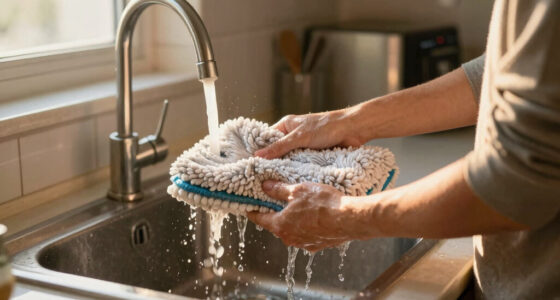
- Rinse pads thoroughly after each use to remove loose dirt and debris, preventing buildup that can reduce cleaning effectiveness and promote bacterial growth. Proper rinsing ensures that dirt and residues are not embedded deep into fibers, which can make subsequent cleaning less effective and potentially harbor bacteria or mold.
- Wash microfiber pads in warm water with a mild detergent—avoid fabric softeners and bleach, as these can coat fibers and diminish their dirt-trapping ability. Consider adding a cup of white vinegar during washing to help break down residues, soften fibers, and maintain their absorbency. This extra step enhances the cleaning power and extends the lifespan of your pads, ensuring they continue to trap dirt effectively.
- Air dry or tumble dry on low heat. Avoid high temperatures that could warp or damage the fibers, compromising their cleaning power. Proper drying prevents mold and mildew growth, which can occur if pads are stored damp.
- Inspect pads regularly for tears, fraying, or staining. Replace them when they no longer trap dirt effectively or show signs of deterioration, as continued use with damaged pads can spread dirt rather than remove it. Regular inspection helps maintain optimal cleaning performance and prolongs the overall lifespan of your pads, saving you money and effort in the long run.
For example, a homeowner notices her microfiber pads aren’t trapping dust like before. After washing and checking for wear, she realizes it’s time to replace them, ensuring her floors stay clean and bacteria-free. Proper maintenance not only extends the lifespan of your pads but also guarantees optimal cleaning results, saving you money and effort in the long run.
steam mop pad cleaning and maintenance kit
As an affiliate, we earn on qualifying purchases.
As an affiliate, we earn on qualifying purchases.
Recent innovations making your pads better and greener
New microfiber blends improve dirt removal and bacteria fighting, making cleaning more efficient and hygienic. Eco-friendly options, like biodegradable or washable pads, are more popular than ever, reducing environmental impact. Some brands now feature antimicrobial coatings or special fit designs to boost cleaning power, ensuring your pads work better and last longer.
For example, a customer switches to a biodegradable microfiber pad, reducing waste and feeling good about her cleaning routine. These innovations allow consumers to choose products that align with their eco-conscious values without sacrificing cleaning performance, fostering sustainable habits that benefit both your home and the planet.
Frequently Asked Questions
How often should I wash my microfiber steam mop pads?
Wash them after every 2-3 uses, or when they look visibly dirty. Regular washing keeps them effective and bacteria-free.Can I use regular cloths as steam mop pads?
It’s best to use pads designed for your steam mop, but high-quality microfiber cloths can work if they fit properly and are compatible with your model.Are disposable pads worth it for heavy cleaning?
They’re convenient for quick spills or infrequent cleaning, but for regular use, reusable microfiber pads save money and reduce environmental impact.How do I know when it’s time to replace my pads?
Replace when they’re torn, heavily stained, or no longer trap dirt effectively—even after washing.What’s the best way to store my pads?
Keep them in a dry, clean place. Make sure they’re completely dry before storing to prevent mold or bacteria growth.Conclusion
A handful of well-chosen steam mop pads can cover your entire routine—no need to stockpile. Focus on caring for what you have, and you’ll keep your floors spotless without waste. Remember: cleaning smarter, not harder, starts with the right number of pads and a little care.Evergreen bestsellers Picks
bestsellers
As an affiliate, we earn on qualifying purchases.