
TL;DR

Get cleaning gear delivered free with Prime
- Fast, free delivery on millions of items
- Prime Video, Amazon Music and more included
- Member-only deals all year
You can’t just use any brand of pad on your steam mop. Compatibility depends on size, shape, attachment system, and material. Always check your mop’s manual and test a small area first.
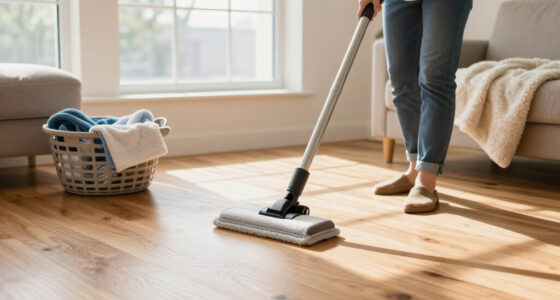
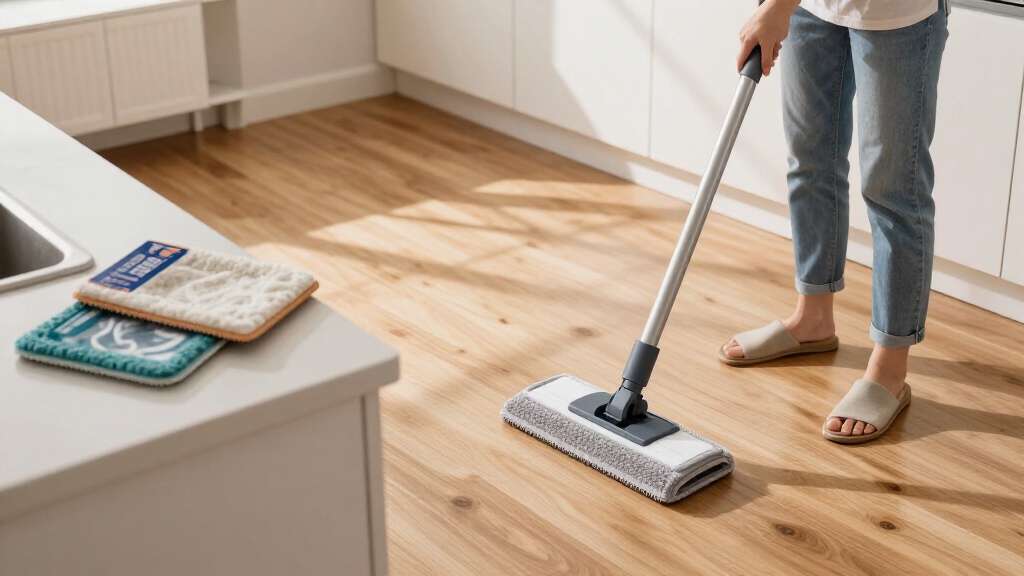
Imagine grabbing a random cloth, slapping it onto your steam mop, and hitting the floor. It might seem harmless, but this quick fix can actually backfire — slipping off, blocking steam, or even damaging your floors. Not all pads are created equal, and the tiny details—shape, attachment, material—make all the difference.
In this guide, you’ll learn exactly what to check before swapping brands, how to avoid common pitfalls, and why a well-fitted, compatible pad keeps your floors shining without risking damage. Whether you’re replacing worn-out pads or trying to cut costs, understanding compatibility is your best move.
Always measure your mop head and check attachment styles before buying a replacement pad.
Compatibility depends on fit, attachment system, and permeability, not just brand or ‘universal’ labels.
Microfiber pads should be breathable, properly fitted, and washed without fabric softener for best results.
Using an ill-fitting or incompatible pad can cause streaks, damage, or uneven cleaning.
Test new pads on a small area first and follow manufacturer guidelines for your specific flooring.
Can You Use Any Brand of Pad on Your Steam Mop?
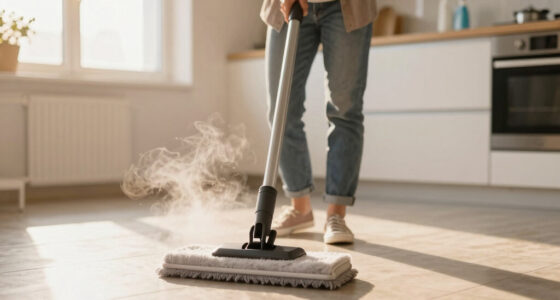
Short answer: no. Brand alone doesn’t decide compatibility — size, shape, attachment system, and material do. Before you slap a random cloth on your mop head, learn exactly what to check so you avoid streaks, blocked steam, and damaged floors.
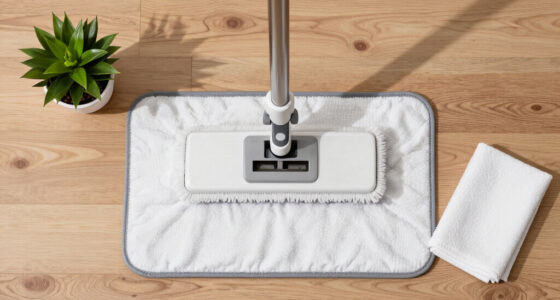
A third-party microfiber pad can work — if it matches the dimensions, attachment method, and lets steam pass through effectively.
Fit · Attachment · Permeability — not logosWhy a Proper Fit Matters More Than Brand Names
A pad from a different brand won’t automatically work — even if it looks similar. The real key is how well it fits your mop’s head. Too small, and part of the hot head is exposed. Too thick, and steam flow gets blocked.
Cover the Entire Head
Rectangular, triangular, and specialty heads are not interchangeable. A round “universal” pad on a rectangular mop slips and bunches — a square peg in a round hole. Always measure and compare dimensions.
Breathability Is Non-Negotiable
A pad must be permeable enough for steam to reach the floor evenly. Dense, multilayer pads trap steam, leaving streaks and uneven results — and reducing cleaning power.
A Barrier Against Heat
The pad sits between the hot mop head and your flooring. Too thin, worn, folded, or undersized, and sensitive surfaces like hardwood, vinyl, and laminate risk heat or moisture damage.
How Your Mop Holds the Pad Changes Everything
Different models use hook-and-loop, elastic edges, drawstrings, clips, pockets, or proprietary mounts. Follow this verification chain before buying any replacement.
Identify the System
Flip the mop head: velcro, elastic, drawstring, clip, pocket, or proprietary mount?
Measure the Head
Note length, width, and thickness. Rectangular and triangular heads are not interchangeable.
Match the Listing
Check product descriptions for your exact model name and attachment backing.
Test Small First
Try the pad on a hidden area. Watch for slipping, bunching, or blocked steam.
OEM vs. Third-Party vs. Universal Pads
Choosing between original-equipment, model-specific third-party, and universal pads comes down to fit predictability, price, and availability.
| Pad Type | Fit Quality | Cost | Availability | Best For |
|---|---|---|---|---|
| OEM (Original) | ✓ Most predictable | ✗ Higher | ~ Limited | Owners who prioritize guaranteed fit and performance |
| Third-Party Model-Specific | ✓ Tight, if listing names your model | ✓ Cheaper | ✓ Wide | Budget-conscious buyers who verify dimensions & attachment |
| Universal “Fits All” | ~ Loose, may shift | ✓ Cheapest | ✓ Wide | Simple elastic or drawstring heads only — rarely truly universal |
| Ordinary Towel / Cloth | ✗ Slips & bunches | ✓ Near zero | ✓ Everywhere | Emergency only: heat-resistant, fully covering, securely attached |
Microfiber, Thickness & Permeability
Microfiber is the gold standard — it absorbs loosened dirt while letting steam pass. But thickness matters: too dense traps steam; too thin spreads grime. Here’s how the key material traits stack up for cleaning performance.
Why Streaks Happen: Trace the Cause
Streaking isn’t always the mop’s fault. The steam loosens soil — the pad collects it. Follow the chain from cause to fix.
What You Must Remember Before Buying
Compatibility is king. A pad that doesn’t fit can slip, block steam, or damage your floors — a well-fitted one keeps floors shining and extends your mop’s life.
Measure your mop head and check attachment styles before buying any replacement pad.
Compatibility depends on fit, attachment, and permeability — not brand or “universal” labels.
Wash microfiber pads without fabric softener; keep them breathable and properly fitted.
An ill-fitting or incompatible pad causes streaks, damage, or uneven cleaning results.
Test new pads on a small hidden area and follow your flooring manufacturer’s guidelines.
Why a Proper Fit Matters More Than Brand Names
The first thing to know: brand isn’t everything. A pad from a different brand won’t automatically work, even if it looks similar. The real key is how well it fits your steam mop’s head.
Picture a pad that’s just a tiny bit too small — it leaves part of the head exposed, risking heat damage or streaks. Or a pad that’s too thick, blocking steam flow and reducing cleaning power. The perfect pad covers the entire head, attaches securely, and lets steam pass freely.
For example, if you have a rectangular steam mop, a round, universal pad might slip or bunch up. It’s like trying to fit a square peg in a round hole. Always measure your mop head and compare dimensions before buying a replacement.
steam mop microfiber replacement pads
As an affiliate, we earn on qualifying purchases.
As an affiliate, we earn on qualifying purchases.
How Attachment Systems Impact Your Choice
Check how your mop holds the pad. Different models use hook-and-loop (Velcro), elastic edges, drawstrings, clips, or proprietary mounting systems.
If your mop uses Velcro, pick a pad with a matching hook-and-loop backing. Elastic edges are more forgiving, but you still need to ensure a snug fit. Proprietary systems might require specific pads, so avoid generic options unless they specify compatibility.
For instance, a popular steam mop might have a pocket that grips a specially designed microfiber pad. Using a different attachment method could cause the pad to slip mid-clean, risking uneven results or even injury.
Always verify your mop’s attachment style and check product descriptions or measurements before choosing a third-party or universal pad.
universal steam mop pads compatible with [brand/model]
As an affiliate, we earn on qualifying purchases.
As an affiliate, we earn on qualifying purchases.
Material Matters: What Microfiber, Thickness, and Permeability Count
The material and thickness of the pad directly affect cleaning performance and steam flow. Microfiber remains the gold standard because it absorbs dirt well and allows steam to pass through easily.
However, a thick, dense pad might trap steam, leaving your floors streaky or uneven. Conversely, a too-thin or worn-out pad might not absorb enough dirt, spreading grime instead of removing it.
Imagine cleaning a sticky kitchen spill with a fluffy, absorbent microfiber pad — it lifts grease without smudging. But if that same pad is thick and dense, steam might not reach the floor properly, reducing effectiveness.
Always check if the pad is breathable, not too dense, and made of high-quality microfiber for best results.
microfiber pads for steam mop with velcro attachment
As an affiliate, we earn on qualifying purchases.
As an affiliate, we earn on qualifying purchases.
Universal vs. OEM vs. Model-Specific Pads: Which Should You Pick?
Choosing between OEM (original equipment manufacturer), compatible third-party, and universal pads can be confusing. OEM pads are designed for your specific model, offering the best fit and performance but often cost more.
Third-party compatible pads are usually cheaper and can work well if they match your mop’s dimensions and attachment style. Just double-check the listing details — don’t assume because it’s labeled “compatible” that it fits your model perfectly.
Universal pads claim to fit many models, but they’re more of a generalist. They may shift during cleaning or block vents if not precisely matched.
For example, if you own a standard rectangular steam mop, a model-specific third-party microfiber pad might cost a few dollars less than OEM but fit just as tightly. Always measure and verify before buying.
steam mop pads size and shape compatible
As an affiliate, we earn on qualifying purchases.
As an affiliate, we earn on qualifying purchases.
Can You Use Ordinary Towels or Cloths? When and Why Not
Using a towel or cloth instead of a proper pad isn’t generally a good idea. They might seem convenient, but they often fall short in fit, heat resistance, and steam flow.
Imagine trying to clean a hardwood floor with a cotton dish towel — it slips, bunches up, and blocks steam outlets. Plus, towels aren’t designed to withstand the heat from your steam mop, risking melting or tearing.
If you need a temporary fix, choose a heat-resistant, absorbent cloth that covers the entire head and stays securely attached. Still, a purpose-made microfiber pad remains the safest and most effective choice.
Never improvise with synthetic fabrics, disposable sheets, or anything that could melt or block vents.
How Your Pad Choice Affects Cleaning and Floor Safety
A well-fitting, material-appropriate pad ensures your floors stay streak-free and undamaged. An ill-fitting or worn pad can cause streaks, residual dirt, or even damage sensitive surfaces like hardwood or vinyl.
For example, a thick, saturated pad might leave excess moisture on a laminate floor, risking warping or swelling. A poorly fitted pad might expose hot spots or cause scratches on delicate surfaces.
Always match your pad to your floor type and follow manufacturer guidelines. Remember, using steam isn’t always safe on every surface. Check your flooring’s instructions before proceeding.
Proper pad choice isn’t just about cleaning — it’s about protecting your floors for the long haul.
Latest Trends and What They Mean for Your Pad Shopping
Market trends show more options than ever. Some brands now offer multi-pack microfiber pads tailored for specific models, while others promote reusable, textured, or color-coded pads for different rooms.
Thicker cores aim to reduce streaking, and improved attachment systems make swapping easier. But be cautious — many “universal fit” claims are marketing buzz, not guarantees.
For instance, a recent trend includes pads with textured fibers designed for stubborn grime. While appealing, they might not fit every mop perfectly, risking detachment or uneven steam flow.
Compare measurements and read product details carefully — don’t rely solely on marketing claims.
What You Must Remember Before Buying a Replacement Pad
The bottom line: compatibility is king. Always measure your mop head, check attachment style, and compare dimensions before buying a third-party or universal pad.
Read reviews and product details carefully. A pad that doesn’t fit can slip, block steam, or damage your floors. When in doubt, choose OEM or model-specific options.
Keep a few extra pads handy. Changing them when they get dirty or saturated maintains cleaning power and protects your floors. And always test new pads on a small, hidden area first.
Remember, a proper fit isn’t just about cleaning better — it’s about protecting your floors and extending your mop’s life.
Frequently Asked Questions
Do replacement pads have to be the same brand as the steam mop?
Not necessarily. A compatible third-party pad works if it matches the dimensions, attachment method, and allows steam to pass through effectively. Always verify measurements and compatibility details before purchasing.
Are universal steam-mop pads genuinely universal?
Usually not. They fit a range of models but rarely fit every mop perfectly. Check dimensions and attachment style carefully to avoid slips or poor contact during cleaning.
How do I determine whether a pad will fit?
Measure your mop head, identify the attachment system, compare dimensions, and read product descriptions carefully. Confirm that the pad covers the entire head and attaches securely.
Can the wrong pad damage a steam mop?
Yes. An incompatible pad can block vents, slip off, or cause uneven steam distribution. Severe mismatches may lead to overheating or mechanical issues.
Can I use a microfiber cloth instead?
Only if it can be attached securely, covers the entire head, and tolerates heat. A purpose-made microfiber pad designed for your mop is safer and more effective.
Conclusion
Choosing the right pad isn’t about brand loyalty — it’s about fit, material, and attachment compatibility. A well-matched pad ensures your floors stay spotless without risking damage from heat or moisture. Take a moment to measure, verify, and test before you make your next purchase.
When in doubt, sticking with OEM or model-specific pads keeps your investment safe and your cleaning effective. Your floors — and your peace of mind — will thank you for it.
Halloween Picks
halloween
As an affiliate, we earn on qualifying purchases.