TL;DR

Get cleaning gear delivered free — and shop member deals
- Fast, free delivery on millions of items
- Access to Prime Big Deal Days deals on October 6–7
- Prime Video, Amazon Music and more included
Steam mop pads get dirty quickly because of their microfiber material, the type of flooring, and frequent use. Regular washing and choosing better pads can keep them cleaner longer, saving you time and money.
Ever wonder why your steam mop pad looks grimy after just a couple of cleaning sessions? It’s not just your imagination. Those pads are doing a tough job—absorbing dirt, grime, and moisture from your floors. But sometimes, they seem to get dirty faster than you’d expect, leaving you wondering if you’re wasting time and money on constant replacements.
Understanding why your steam mop pad gets dirty so fast helps you make smarter choices. From selecting the right pads to tweaking your cleaning routine, small changes can extend their life and improve your overall cleaning results. Let’s break down what’s really going on behind the scenes.
Microfiber pads trap dirt efficiently but fill up quickly—regular washing is key.
Environment and foot traffic heavily influence how fast pads get dirty.
High-quality microfiber lasts longer and stays cleaner between washes.
Switching to a fresh pad for heavily soiled areas prevents rapid dirt buildup.
Proper drying after washing prevents mold and bacteria growth, extending pad life.
Why Do Steam Mop Pads Get Dirty So Fast? The Real Reasons
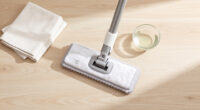
Steam mop pads are designed to trap dirt, dust, and moisture. The microfiber material acts like a sponge—absorbing and holding particles as you clean. But this also means they fill up quickly, especially if your floors are particularly dirty or textured.
For example, if you have a busy household with pets or kids, your floors accumulate more debris. Regular foot traffic kicks up dust and dirt that quickly saturates your pad. The type of flooring matters too—porous surfaces like textured tile or LVP (Luxury Vinyl Plank) tend to trap more particles, speeding up dirt buildup.
Why does this matter? Because the more quickly your pad fills with dirt, the less effective it becomes at cleaning. This can lead to a cycle where you think your cleaning is thorough, but in reality, the pad is just pushing around dirt or leaving residues behind. The tradeoff is that while microfiber is excellent at trapping particles, its capacity is finite, and overloading it reduces its efficiency. Recognizing this helps you understand why replacing or cleaning pads more frequently can improve your cleaning results and prevent spreading dirt around.
As an affiliate, we earn on qualifying purchases.
How Your Cleaning Environment Accelerates Pad Soiling
Your surroundings play a big role in how quickly your steam mop pad gets dirty. Homes with pets—especially those shedding fur—see their pads trap hair and dander constantly. High-traffic areas like kitchens and entryways expose pads to more dirt and debris.
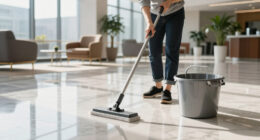
Imagine you’re cleaning your kitchen floor after a busy morning. The pad picks up crumbs, pet hair, and dust that have settled on the surface. If you don’t clean or change the pad frequently, it quickly becomes clogged and less effective.
Why does this matter? Because environments with high dirt levels demand more frequent maintenance of your pads to ensure consistent cleaning performance. If you neglect this, dirt can build up to a point where the pad’s ability to trap new dirt diminishes significantly, leading to poorer cleaning outcomes and potentially spreading contaminants. Regularly changing or washing pads in such environments ensures your cleaning remains efficient, and your floors truly get clean, not just superficially wiped. The implications are clear: understanding your environment allows you to adjust your cleaning routine proactively, preventing dirt buildup before it hampers your efforts.
As an affiliate, we earn on qualifying purchases.
What Material Makes Your Pad Get Dirty Faster? The Microfiber Truth
Microfiber is the main material in most steam mop pads—and it’s a double-edged sword. Its tiny fibers are excellent at trapping dirt, dust, and moisture. But lower-quality or thinner microfiber pads have less capacity and can become clogged quickly.
Why does this matter? Because the quality and density of microfiber directly impact how long a pad remains effective before needing a wash or replacement. A lower-quality pad with sparse fibers may trap less dirt and become saturated faster, reducing its lifespan and overall cleaning efficiency. Conversely, high-quality microfiber with dense, tightly woven fibers can hold more dirt and moisture, thus staying cleaner longer and requiring fewer washes. The tradeoff is that higher-quality pads often cost more upfront but can save you money over time by lasting longer and maintaining performance. Recognizing these differences helps you choose pads that align with your cleaning needs and budget, ultimately leading to better, more consistent results.
As an affiliate, we earn on qualifying purchases.
Simple Ways to Keep Your Steam Mop Pad Cleaner, Longer
- Wash after every few uses. Microfiber pads can usually handle dozens of washes before performance drops. Use warm water and a gentle detergent, avoiding fabric softeners which coat fibers and reduce dirt trapping.
- Dry thoroughly after washing. Mold and bacteria thrive in damp environments, so air dry or tumble dry on low heat.
- Use a separate pad for high-dirt areas. For example, switch to a fresh pad for the kitchen after cleaning the entryway.
- Invest in higher-quality microfiber pads. They may cost more upfront but stay cleaner longer, saving you money over time.
- Test compatibility before use. Always check your manufacturer’s guidance to avoid damaging delicate surfaces or the pad itself.
By adopting these habits, you not only extend the lifespan of your pads but also improve their cleaning effectiveness. Regular washing removes accumulated dirt, preventing it from embedding deeper into fibers. Proper drying inhibits mold growth, which can cause odors and degrade the material. Using dedicated pads for heavily soiled areas prevents cross-contamination, ensuring each cleaning session starts with a fresh, effective pad. Investing in higher-quality pads might seem costly initially, but the longevity and sustained performance often justify the expense, reducing the frequency of replacements. Testing compatibility ensures you don’t accidentally damage your floors or the pads, preserving their effectiveness over time. These simple steps, when combined, create a cycle of better maintenance and cleaner floors, ultimately saving you time and money while enhancing your cleaning routine.
steam mop pads for textured floors
As an affiliate, we earn on qualifying purchases.
As an affiliate, we earn on qualifying purchases.
Frequently Asked Questions
Why does my steam mop pad get dirty so quickly?
Your pad traps dirt, dust, and moisture from your floors. High foot traffic, pet hair, textured surfaces, and lower-quality microfiber all contribute to faster dirt buildup.How often should I wash or replace my steam mop pads?
Wash microfiber pads after every few uses—typically after 3-4 sessions. Replace pads when they become worn out or lose their ability to trap dirt effectively, usually after dozens of washes.Can I use other types of cleaning pads with my steam mop?
Compatibility depends on your model. Always check manufacturer guidelines before using non-original pads to avoid damage or reduced performance.Are disposable pads better than washable ones?
Disposable pads are convenient and eliminate washing, but they generate waste and cost more over time. Washable microfiber pads are eco-friendly and cost-effective if maintained properly.What’s the best way to make my pads last longer?
Regularly wash and dry pads thoroughly, switch to a clean pad for heavily soiled areas, and store them in a dry, well-ventilated place. Avoid overloading your mop to reduce dirt transfer.Conclusion
In the end, understanding what makes your steam mop pad so quick to get dirty helps you take smarter care of it. Regular washing, choosing quality pads, and mindful use can turn a quick-grime problem into a longer-lasting cleaning tool.
Next time you see your pad darken after a single room, remember—small tweaks can make your cleaning more effective, eco-friendly, and budget-conscious. Keep your pads cleaner, longer, and enjoy fresher floors with less fuss.
Fall Picks
fall essentials
As an affiliate, we earn on qualifying purchases.