TL;DR

Get cleaning gear delivered free — and shop member deals
- Fast, free delivery on millions of items
- Access to Prime Big Deal Days deals on October 6–7
- Prime Video, Amazon Music and more included
Your steam mop not producing steam? Common causes include water supply issues, clogged nozzles, or a faulty heating element. Regular maintenance and proper use can prevent many problems, but sometimes professional help is needed.
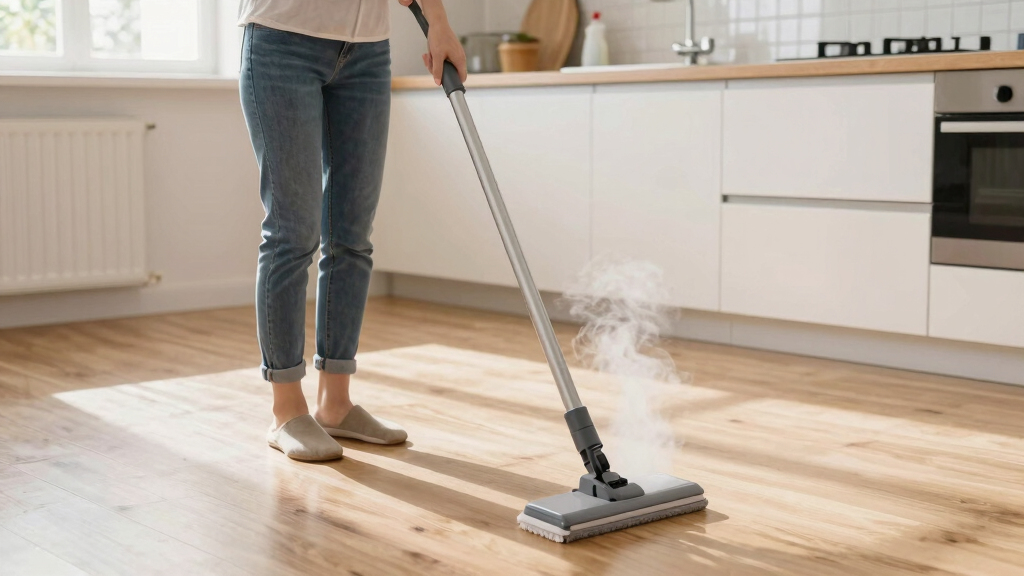
Nothing beats the feeling of gliding a hot steam mop over your kitchen tiles, the rich, dark aroma of cleaning solution fading as steam lifts grime and dirt. But suddenly, the steam stops. Your cleaning routine is interrupted, and you’re left puzzled. Why isn’t your steam mop working?
This guide will walk you through the common reasons behind a non-producing steam mop and show you how to fix or prevent these issues. Whether you’re dealing with a stubborn clog or a broken heating element, understanding what’s happening helps you keep your floors spotless without unnecessary repairs.
Mineral deposits from hard water are the leading cause of clogging in steam mops.
Regular descaling (every 2-4 uses in hard water areas) keeps internal channels clear.
Always check the water tank for proper fill levels before use.
If your device heats but no steam comes out, inspect nozzles and internal components for blockages or damage.
Electrical issues or broken parts mean professional repair or replacement may be necessary.
Why Your Steam Mop Isn’t Producing Steam — The Key Causes
When your steam mop refuses to produce steam, the issue usually boils down to a few common culprits. The most frequent? Water supply problems, mineral buildup, or a malfunctioning heating element. For instance, if you notice the mop heats up but no steam escapes, it’s often a sign of a clogged nozzle or a failed internal heater.
Regularly, users forget to check the simplest thing—water level. An almost empty tank or blocked water intake can cut off steam before it even begins. Mineral deposits from hard water can clog internal channels, blocking steam flow entirely.
Understanding these causes helps you target your troubleshooting efforts. Here’s a quick rundown:
- Water supply issues: Insufficient water or blocked intake prevent steam formation. Ensuring the tank is filled correctly and the inlet isn’t obstructed is crucial because without adequate water, the device cannot generate steam, rendering it ineffective.
- Mineral buildup: Hard water deposits accumulate inside the channels and nozzles, acting like a barrier that prevents steam from passing through. This not only diminishes steam output but can also cause internal corrosion, which may lead to more severe damage if left unaddressed.
- Heating element failure: The internal coil or heating plate must reach a specific temperature to convert water into steam. If it’s malfunctioning or damaged, the device may heat without producing steam, which indicates the need for repair or replacement to restore functionality.
Recognizing the implications of these causes emphasizes the importance of routine maintenance and proper operation. Ignoring mineral buildup can lead to complete blockages, forcing costly repairs or replacement. Similarly, neglecting water levels can cause the device to overheat or fail prematurely. Addressing these issues proactively ensures your steam mop remains reliable, effective, and safe to use.
As an affiliate, we earn on qualifying purchases.
How to Fix Your Steam Mop Step-by-Step
- Unplug the device and let it cool down completely. Safety first!
- Check the water tank. Refill if empty or low.
- Inspect the nozzle and steam outlet for mineral buildup. Use a pin or needle to clear debris gently.
- Descale the water tank and internal channels with a vinegar solution—mix 1 part vinegar to 1 part water, run it through, then rinse thoroughly.
- Ensure the heating element is working by observing if the device heats up in the allotted time. If it doesn’t, the internal heater might need professional repair.
- Test the device after cleaning and refilling. Wait for the right heat-up time (usually 2-3 minutes), then check for steam release.
If these steps don’t work, it might be a more complex issue like a faulty pressure sensor or broken internal wiring. Contact a professional or the manufacturer for repair or replacement options.
hard water mineral remover for steam mop
As an affiliate, we earn on qualifying purchases.
As an affiliate, we earn on qualifying purchases.
The Difference Between Using Tap Water and Distilled Water in Your Steam Mop
| Water Type | Impact on Steam Mop |
|---|---|
| Tap Water | Contains minerals that can cause mineral deposits, leading to clogs and reduced steam output over time. This buildup can also cause internal corrosion, shortening the device’s lifespan and increasing the frequency of repairs needed. |
| Distilled Water | Free of minerals, helps prevent buildup, and extends the lifespan of your steam mop. Using distilled water minimizes internal blockages, reduces corrosion, and keeps the heating element and channels cleaner, resulting in more consistent steam production and longer device life. |
Imagine trying to blow through a straw filled with tiny sand particles—that’s what mineral deposits do inside your steam mop’s channels. Using distilled water minimizes this risk, keeping your device cleaner and functioning smoothly longer. The tradeoff is that distilled water can be more expensive and less readily available, but the benefits of prolonged device life and fewer repairs often outweigh the extra cost.
As an affiliate, we earn on qualifying purchases.
How Often Should You Descale Your Steam Mop?
Hard water areas demand more frequent descaling—about every 2-4 uses. In softer water regions, once a month might suffice. A good rule of thumb: if you notice a drop in steam output or a longer heat-up time, it’s time to descale. Neglecting this can cause mineral buildup to accumulate beyond a manageable level, leading to persistent clogs, reduced efficiency, and potential damage to internal components.
Descaling involves running a vinegar solution or a commercial descaler through the device. Always follow your manufacturer’s instructions to avoid damage. Regular maintenance, including descaling, ensures that mineral deposits don’t reach a level that causes irreversible damage or costly repairs. Think of descaling as a preventive measure that keeps your steam mop performing at its best, saving you money and hassle in the long run.
steam mop replacement heating element
As an affiliate, we earn on qualifying purchases.
As an affiliate, we earn on qualifying purchases.
Electrical and Mechanical Woes That Can Stop Steam Production
If your steam mop heats up but doesn’t produce steam, the issue might be related to electrical or internal mechanical failures. Faulty wiring, a broken pressure sensor, or a malfunctioning heating element can all cause this problem. These issues often stem from wear and tear, manufacturing defects, or improper maintenance, and they can significantly impair your device’s ability to generate steam efficiently.
For example, a worn-out heating coil might heat the device but not generate enough pressure for steam, or a damaged pressure sensor might falsely indicate that the device is ready to produce steam when it isn’t. Such issues often require professional repair, as attempting to fix electrical components without proper knowledge can be dangerous. Recognizing the signs early and consulting a qualified technician can prevent further damage and extend your device’s lifespan.
Ignoring electrical and mechanical issues can lead to complete device failure, increased repair costs, and potential safety hazards. Therefore, understanding these problems and seeking professional help at the first sign of trouble can save you money and ensure your safety while maintaining your steam mop’s performance.
Frequently Asked Questions
Why is my steam mop heating up but not producing steam?
This usually indicates a clog, mineral buildup, or a faulty pressure sensor. Check for blockages, descale if necessary, and verify the device heats up properly before using professional repair if issues persist.Can I fix a broken heating element myself?
Replacing a heating element involves working with electrical components and can be dangerous. Unless you have experience and proper tools, it’s best to contact a professional or the manufacturer for repairs.What type of water should I use in my steam mop?
Distilled water is best for preventing mineral buildup, especially in areas with hard tap water. Using tap water is acceptable in soft water regions but may require more frequent descaling.How do I know when to descale my steam mop?
If you notice a decrease in steam output or longer heat-up times, it’s time to descale. Regularly descaling every few uses in hard water areas can prevent clogs and extend your device’s lifespan.Is it safe to keep using my steam mop if it’s not producing steam?
It’s safe if you’re troubleshooting the issue and haven’t identified dangerous electrical problems. But if the device is malfunctioning or shows signs of damage, stop using it and seek professional repair.Conclusion
Knowing why your steam mop isn’t producing steam can save you time, money, and frustration. Regular maintenance, proper water choice, and cautious troubleshooting keep your device running smoothly. When in doubt, professional support is your safest bet.
Imagine the steam returning to your mop, the floors gleaming, and that satisfying clean smell filling your home. A little care goes a long way—keep your steam mop in top shape, and it’ll reward you with spotless floors for years.
Halloween Picks
halloween
As an affiliate, we earn on qualifying purchases.